
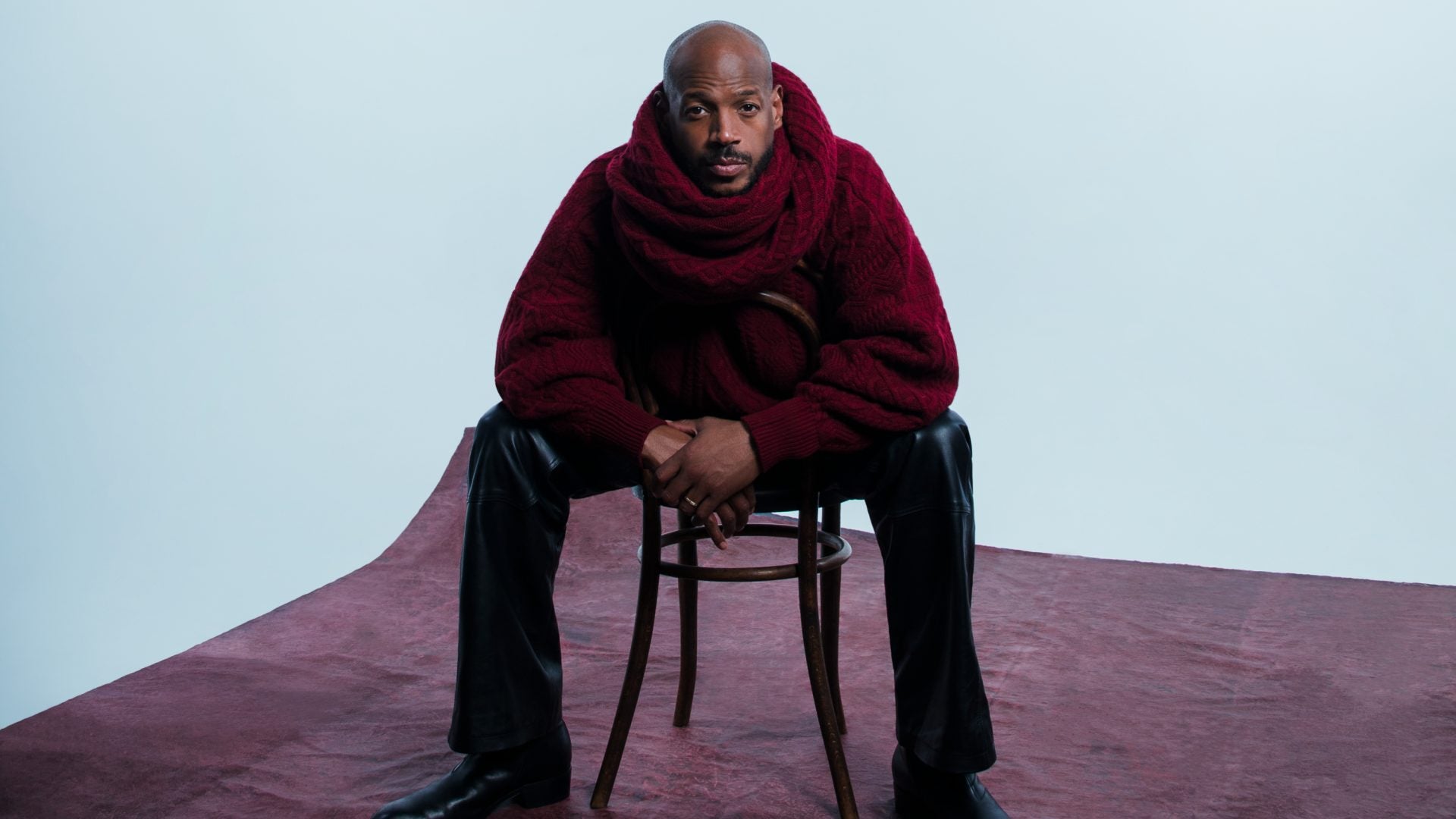
Marlon Wayans Is HIM
The world is watching Marlon Wayans. That’s been true for a while: On May 20, 1999, The Wayans Bros. aired its final episode. But even after five seasons of laughs and unforgettable moments—plus a return by the Temptones that rivaled any musical group out there—the iconic sitcom wasn’t afforded a proper send-off. Though disheartening, its abrupt cancellation wasn’t uncommon, especially for television shows that featured Black talent. For Wayans, one of the show’s writers and its costar, this wasn’t a door closing; it served as a window, providing access to endless possibilities.
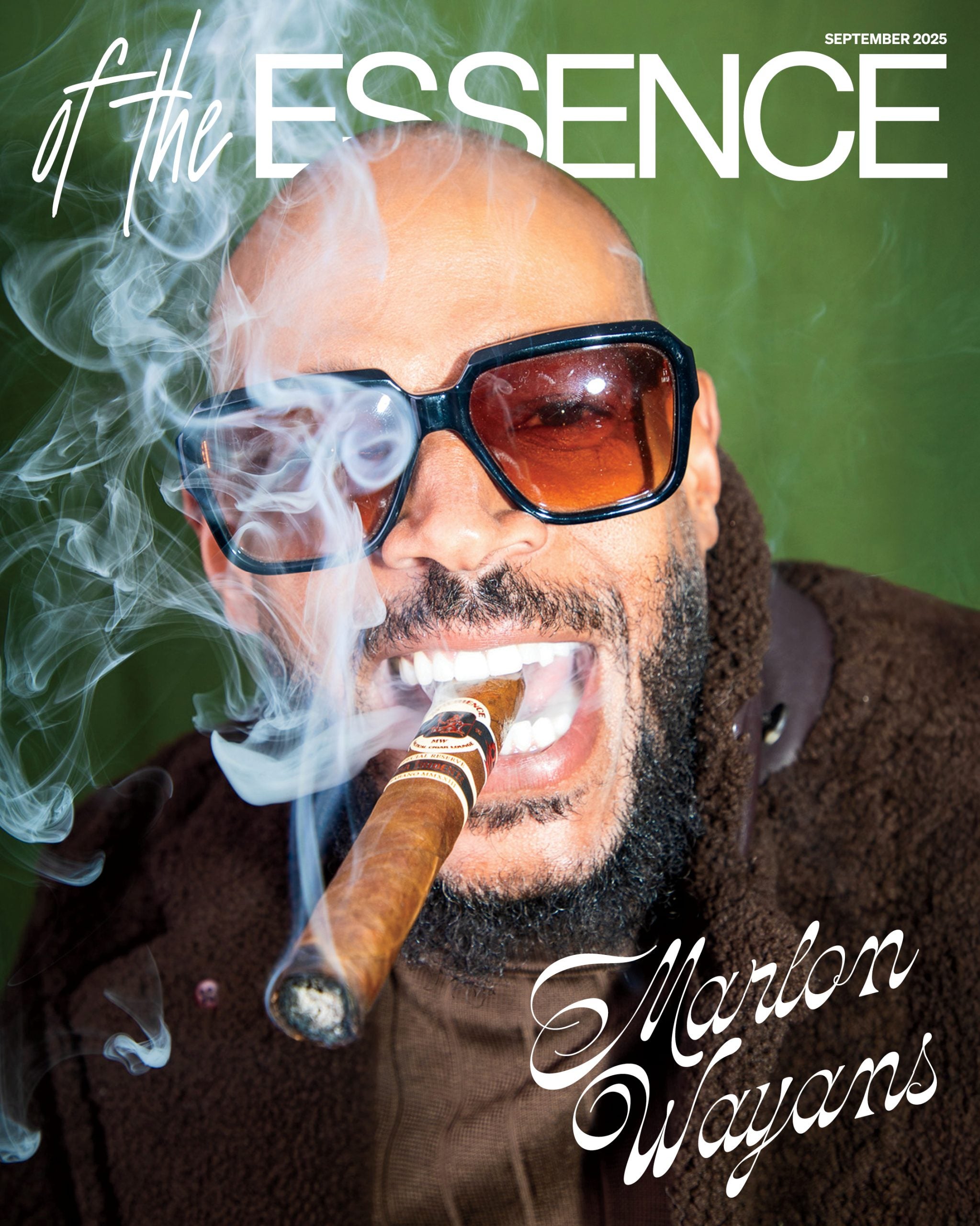
The bigger I become in my art, the more of a megaphone I can have for what I’m really trying to give back to the world, which is joy, love, laughter and healing.
Marlon Wayans
“You know what’s funny?” he says when I express my disdain for the show’s premature end some 26 years ago. “I’m happy it happened that way. It just created an opportunity for me and my brother to do a great movie—The Final Episode. And when we do our Wayans Bros. special, I’m not going to sit around and just talk about the nostalgia of the show. We’re going to do the last episode.”
That is the essence of Marlon Wayans: always seeing life’s trials, tribulations and obstacles as an opportunity to create something new, something beautiful for the world to experience. This mindset began in him at an early age; it was cultivated within the walls of his family’s unit in New York City’s Fulton Projects. As the youngest of ten siblings and a member of the heralded Wayans clan, Marlon was always an observer—building on the foundation that was laid before him, but never afraid to forge his own path.
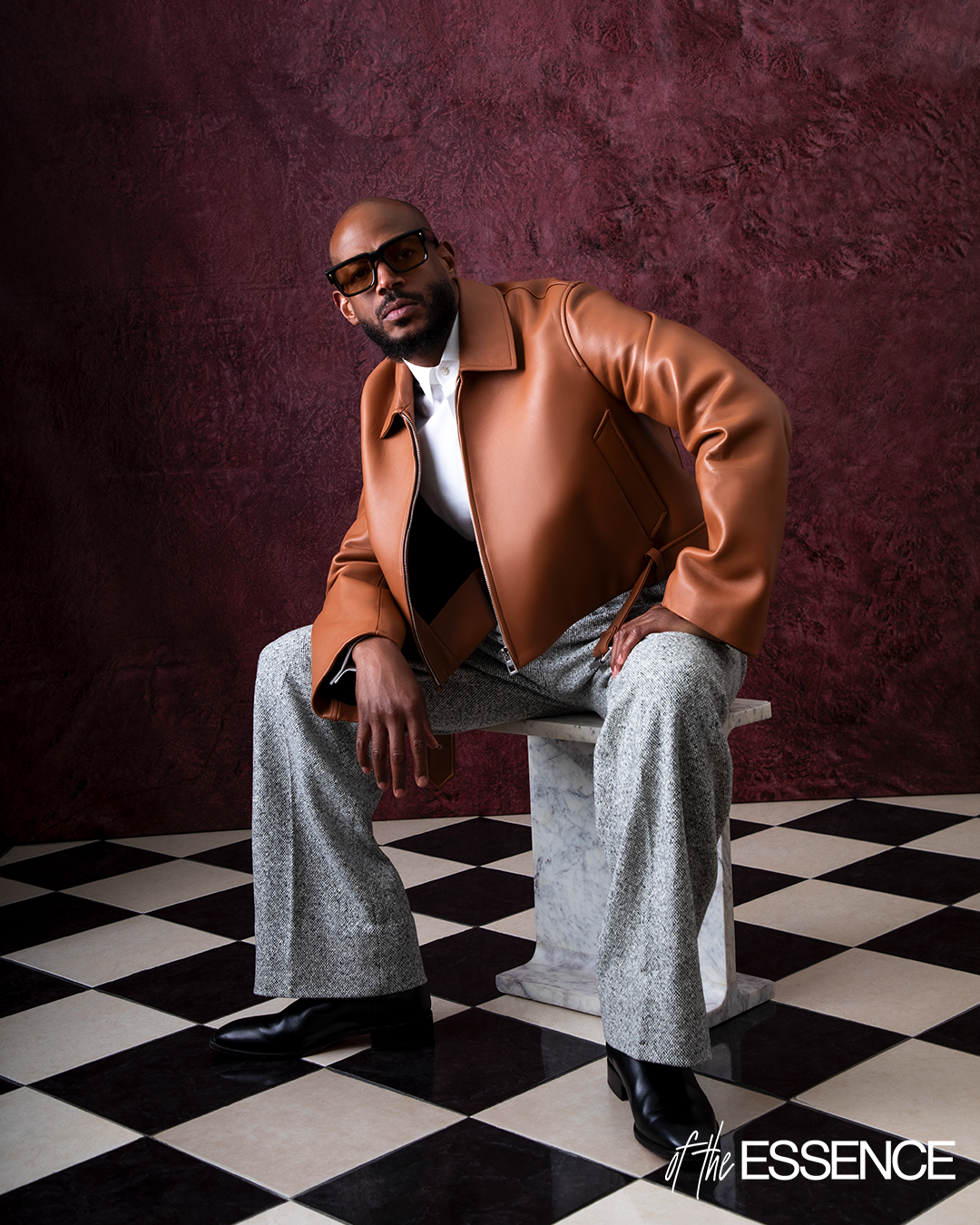
God’s going to lead you where you need to be. You can take the long route or the shortcut. Either way, you get to where you’re going, as long as you don’t give up.
Marlon Wayans
“I got to watch what they did right and assess what they could have done better,” he explains. “But I think in order to become a trailblazer yourself, you can’t just follow footsteps. You have to create your own. I’ve been fortunate to watch so much success and be a part of so much success—and to understand that there is no failure, and at the end of the day, there’s no real bad choice. God’s going to lead you exactly where you need to be. Sometimes there’s choice A and choice B—choice B is just taking you the long route, choice A may be the shortcut. Either way it goes, that journey is between you and God. But you’re going to get to where you’re going, as long as you don’t give up.”
Resilience is Wayans’s central theme on the path to mental, physical and emotional prosperity. It has also been pivotal in the success of this talented multihyphenate. He has led shows like Funniest Wins and his self-titled sitcom; and he has left his stamp on a bevy of notable works, such as In Living Color, White Chicks, and G.I. Joe: The Rise of Cobra. The demand for Marlon Wayans is as high as ever. What exactly is he planning on doing next? Well, whatever he wants.
Wayans has been in the entertainment industry for 35 years, and around it his entire life; so for humility to be one of his most prominent character traits says a lot about how he was brought up. Unless you’ve been under a rock, you’ve probably seen Wayans’s commanding presence on Drink Champs, or his introspection while chatting with Jennifer Hudson, or his take on the importance of family alongside his brother, Damon, on the podcast IMO with Michelle Obama and Craig Robinson. In all of these conversations, he’s talking about other people rather than himself—specifically his parents, Elvira and Howell Wayans, who passed in 2020 and 2023, respectively.
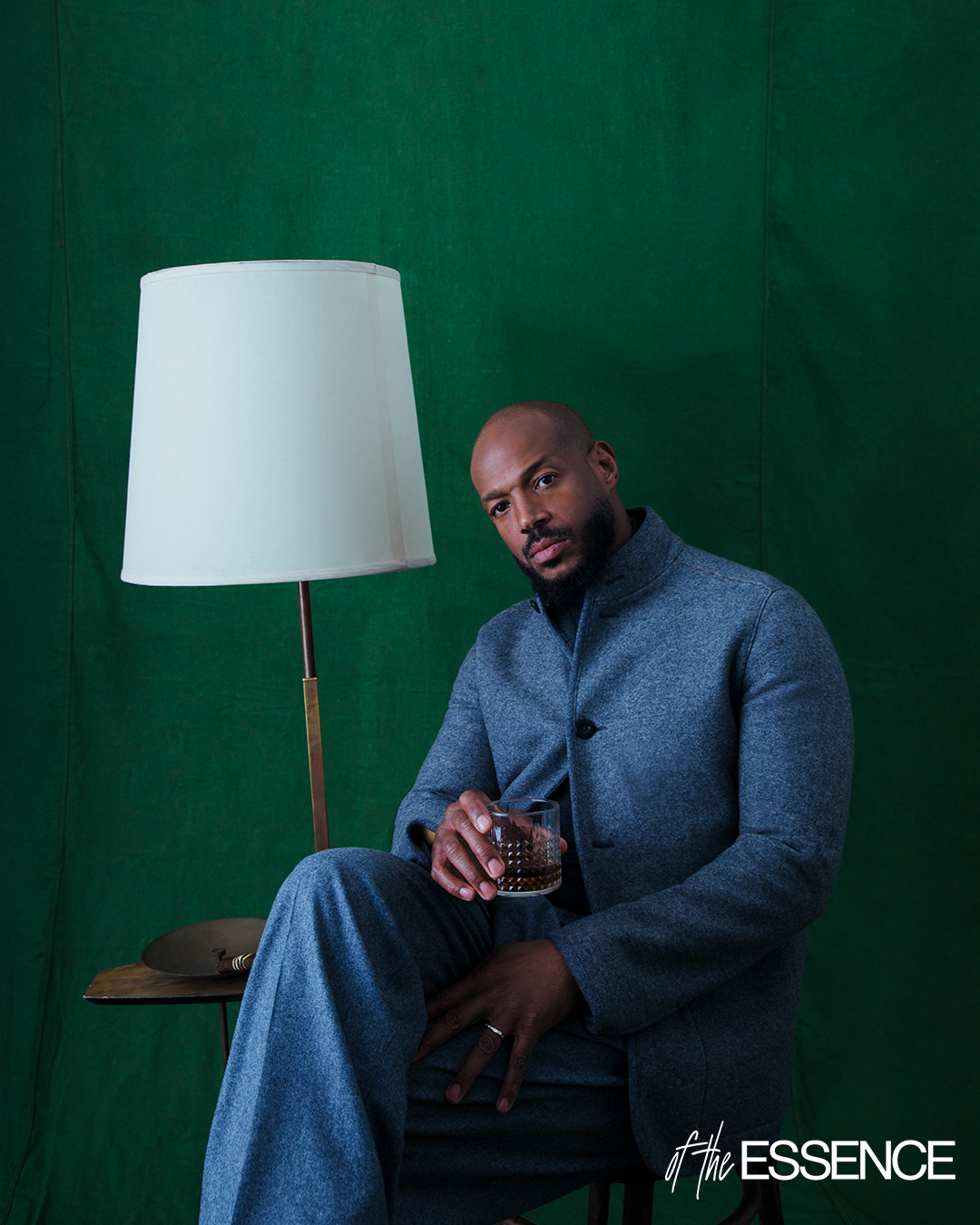
For Wayans, it’s always been important to honor the legacy of his mother and father, not just by his words but by his actions. And you can fully understand the people that his parents were by the person he is and how he carries himself.
“Your parents prepped you for certain moments in your life, and it’s like, ‘Were you listening?’ ” he reflects. “Did you really listen to their instruction? How do you show up after their passing? You either show up broken or you show up as a pillar, with strength. And when my parents passed, I made it a point to show up like they raised me—with strength and resilience, and not as a broken baby but as a man.”
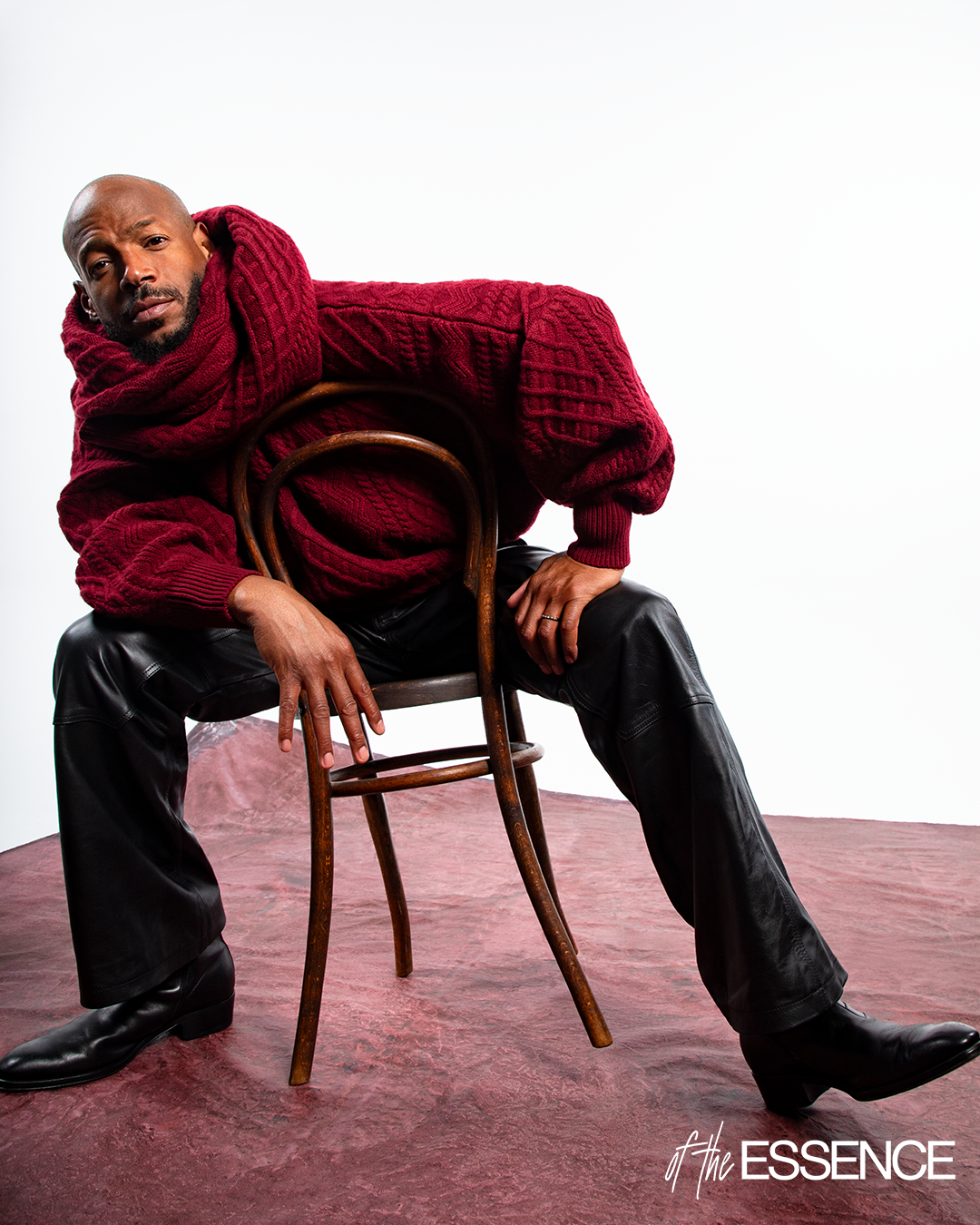
In 2024’s Good Grief, the actor delved deep into the trauma he felt regarding his parent’s deaths—and how laughter helped him navigate it. The show was filmed at the famed Apollo Theater. Wayans used it to help himself heal from heartbreak, and he also showed millions how to use humor as a coping mechanism. He gave his late parents the greatest farewell possible, in what many feel is his most vulnerable work to date.
During our Zoom conversation, a moment of serendipity is arising. “Hold on one second,” Wayans says before briefly walking off camera. “Be a good girl. I love you. I’ll see you later, okay?” Wayans, himself now a father of three who is working from home that day, pauses to speak with his 2-year-old daughter. Amid all the accolades, the accomplishments and the demanding lifestyle, Wayans is a dad, first and foremost. Though beautiful, that unexpected interaction also gives a glimpse into the challenges that come with parenthood. It’s an appropriate metaphor for the circle of life.
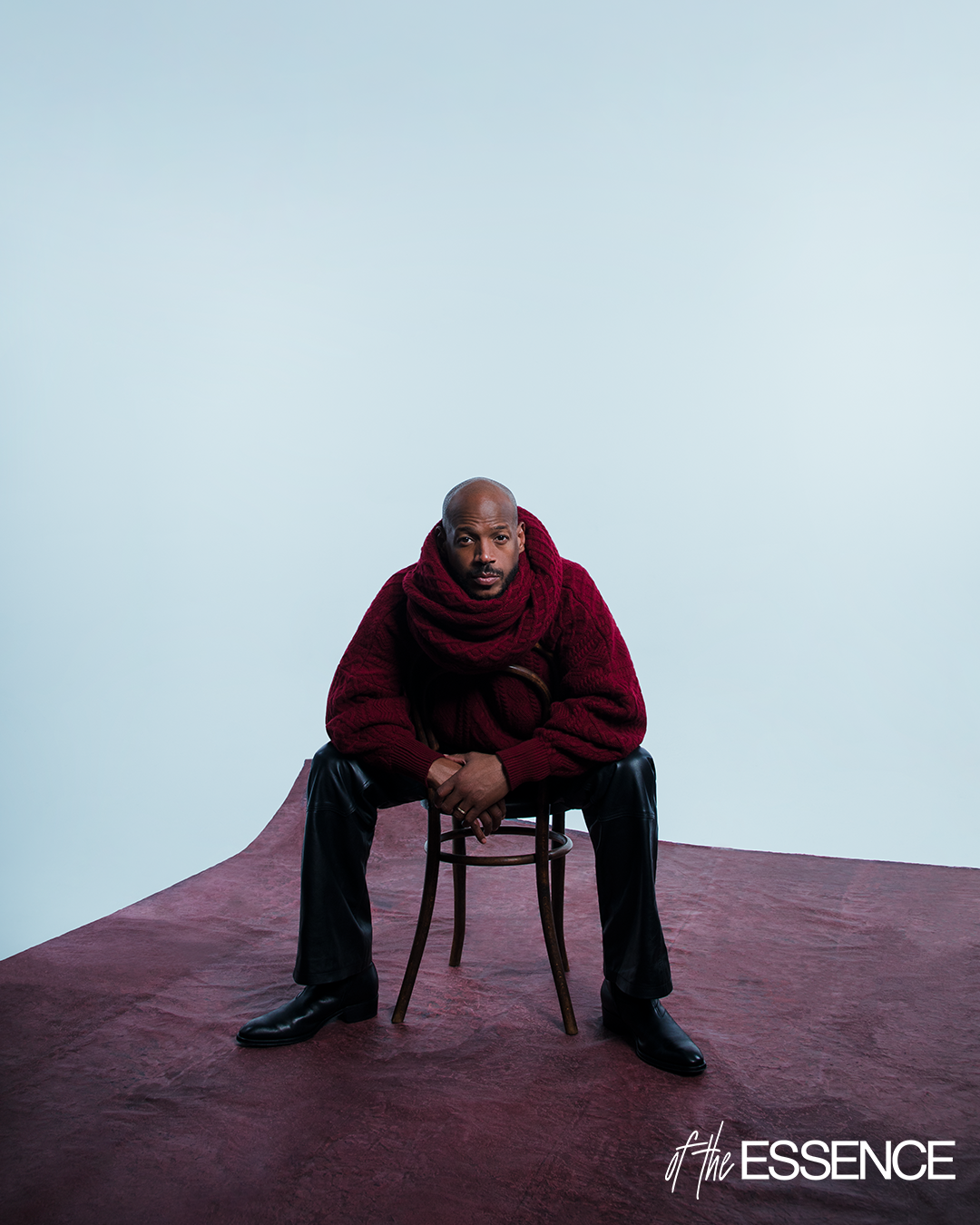
Wayans has discussed his upcoming stand-up special, Somewhere Under the Rainbow, for quite some time. It was birthed from the dynamic between him and his transgender child, Kai. Parenting Kai, Wayans says, really changed his outlook on life and what it means to love. “I’m a different human being than I would ever have been because of this experience,” he states. “I’m a different comedian, I’m a different artist and I’m a different writer. I used to always ask people to love me unconditionally. But I didn’t know the task that I was giving them until my child taught me the true meaning of unconditional love. And that gives me such peace.”
Since 2018, the entertainer has released five stand-up specials, four of them in consecutive years—a rare feat compared with the typical comic’s output. Most take two, even three years to put together a solid hour, but Wayans is just different. Ironically, the craft of stand-up is something he picked up later in life; but as with most things he has tried, he embraced the challenge. “I wanted to be better, and I wanted to grow,” he says. “I think that’s what’s why my career has been so long. I’m 35 years in the game, and people still haven’t seen the best me yet.”
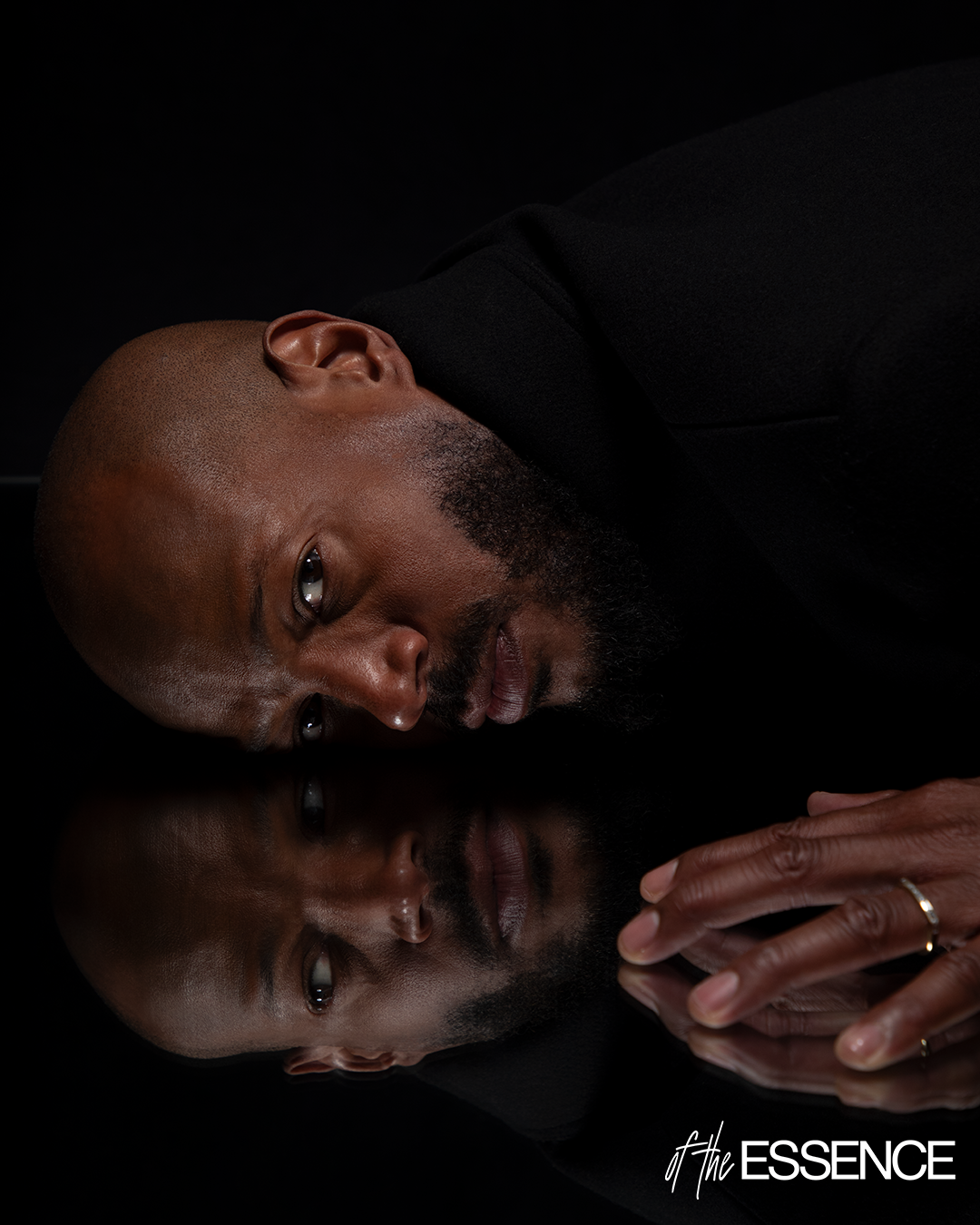
In a time when instant gratification and overnight success are what people strive for, Wayans is much more focused on the process. With each new special, film and project, people are going to see a better, more evolved version of him. “You’ll see the progression of an artist, a stand-up, a comedian, an actor, a writer, a producer and a storyteller,” he notes. “And you’re going to see it in my work, all my work. These are my best years, and I really feel like this is the age where superstardom happens.”
In HIM, Wayans’s star continues to rise with his portrayal of Isaiah White, a legendary quarterback whose time on the field is almost up—but who won’t step down until he finds a protégé willing to do whatever it takes to win. Produced by Jordan Peele’s Monkeypaw imprint, the film puts Wayans in a light we’ve never seen before, yet it’s a space he sits in comfortably. While he may be known for his comedic prowess, his previous performances, such as in Requiem for a Dream and Respect, show the actor’s underrated versatility.
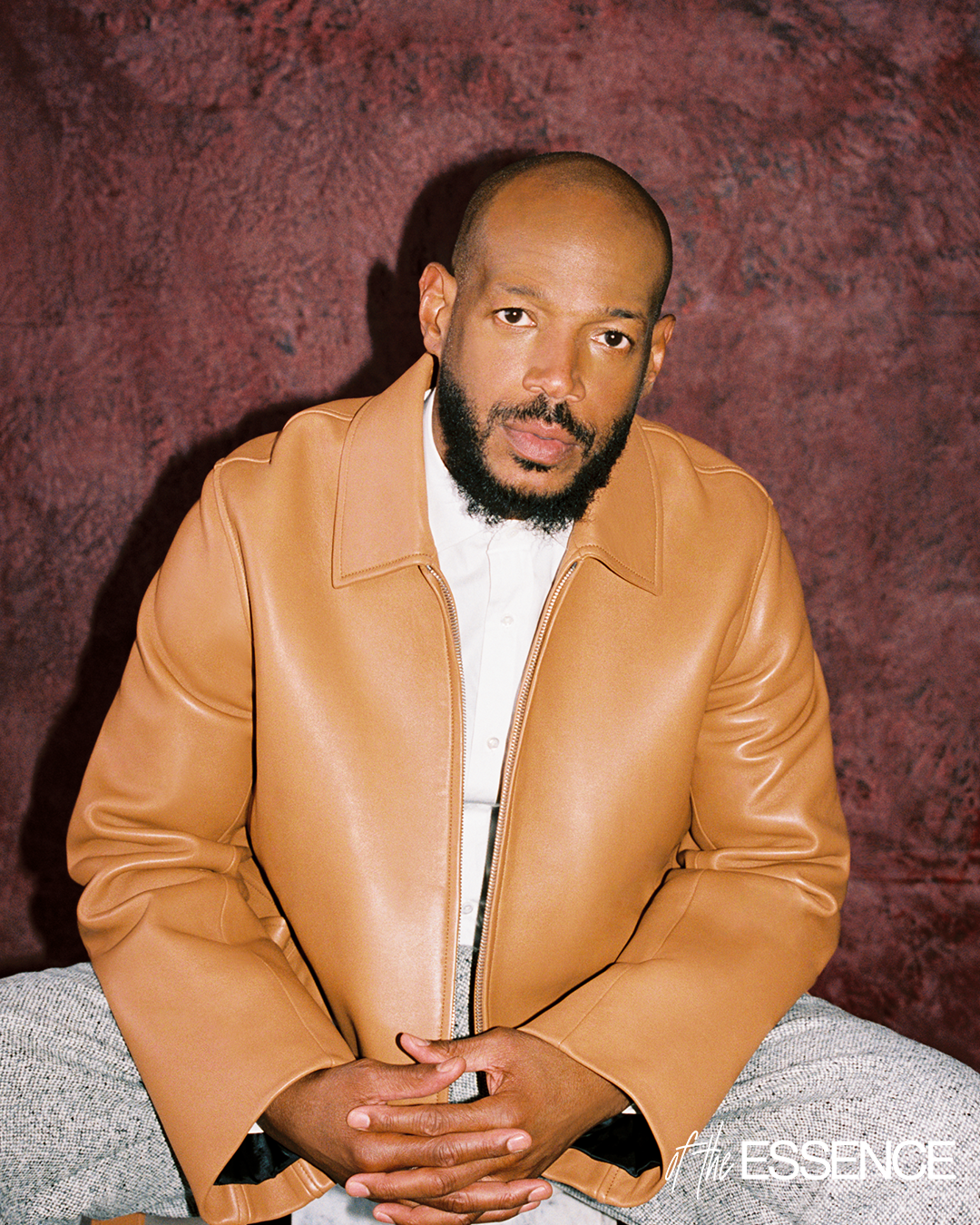
“He transformed completely,” says Justin Tipping, HIM’s director, about Wayans’s mindset while filming. “He really set the tone on set. He would make it a point to shake everyone’s hand and speak to everyone on the crew. It was like, Yes, we’re making a movie, but also this is a family. His example made everyone else want to deliver the best product possible. Marlon was such a consummate professional. It made me say, ‘Damn, now I’ve got to step up to make sure I’m on point as a director.’”
Although Wayans’s on-screen persona has taken a bit of a dramatic turn in recent years, he is, along with his brothers, set to helm the Scary Movie franchise once again. It’s been about 25 years since the Wayans family has been involved (due to “bad business,” Wayans notes, “but not on my part”). Fans can expect a return to prominence for this beloved comedy series. “I think the world needs it, and everything is divine timing,” Wayans says of Scary Movie 6. “We all need a big laugh. This world is so toxic, and we’re going to use this to get people laughing again.”
At the time of this interview, Wayans had celebrated his 53rd birthday a few days prior. While talking about the blessing of turning a year older, a year wiser, I marvel at the passion he has in his voice—and the conviction that he still has in his purpose. “What keeps you motivated at this point?” I ask. “I love what I do. It’s my calling,” Wayans responds. “God put me here for a reason, and I’m going to fulfill that. The bigger I become in my art, the more of a megaphone I can have for what I’m really trying to give back to the world, which is joy, love, laughter and healing.”
Through it all, Wayans never loses sight of what, and who, he does it for. “I’m always inspired, because I remember how proud my mother was when I did my art,” he says. “Remembering that smile inspires me every day. The first person I made laugh was my mama. So every time I make the audience laugh, I hear my mama. Every time I tell a joke, I hear my mama. Every time I do a great performance, I hear my mother clapping: ‘That was beautiful work, baby boy.’ I just want to make her proud, because I know she’s watching.”
Photo Production Credits:
Photographed by Kevin Amato
Styled by Jason Rembert
Grooming: Tasha Reiko Brown using Chanel at The Wall Group
Set Design: Priscilla Lee
Tailor: The Zaks Team
Photography Assistants: Tom Leduc & Kayla Wiley
Styling Assistants: Wilton White & Jarrett Meilleur
Set Design Assistant: Ryan Moerer
Production: The Morrison Group
Production Manager: Cecilia Alvarez Blackwell
Production Assistant: Ernie Torres
Location: Amato Studio