
Black composers are still a rarity in the entertainment industry—but, increasingly, these talents are having their say on the soundtracks of films and TV shows.
This year, the Academy of Motion Picture Arts and Sciences made history with the nomination of two films with Black composers for Best Original Score—Da 5 Bloods and Soul, which won the Oscar. But these projects are only a sampling of the sonic genius crafted by Black tunesmiths. Meet three you should know.
This article originally appears in the November/December issue of ESSENCE on newsstands now.
Bowers scored Respect, The U.S. vs. Billie Holiday and King Richard. Working on the biopic about Venus and Serena Williams’ dad resonated with the pianist, whose own father heard piano music on the radio once and told Bowers’ mother their son would be a musician. By age 8, Bowers was deep in lessons. “Dad would question my teachers after class and sit with me when I practiced at home until I was 15,” he recalls.
Like the Williams sisters, Bowers, 32, grew up in Compton with parents who sacrificed so he could excel. He’s grateful for the role they’ve played in his success, as well as the blueprint laid by predecessors like Oscar-winning producer Quincy Jones. “Growing up, there were only a couple of composers that looked like us,” he notes. “I hope this new generation can show other paths for musical gifts.”

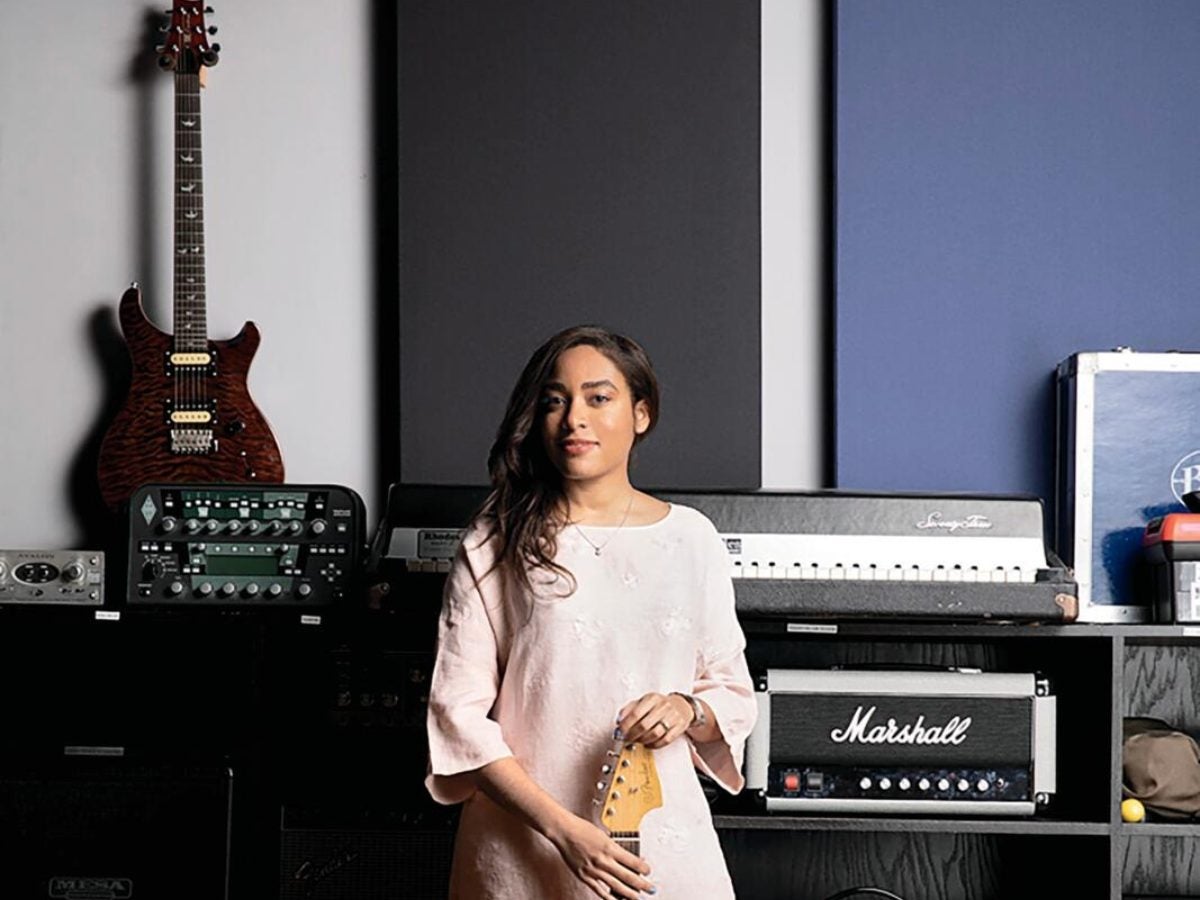
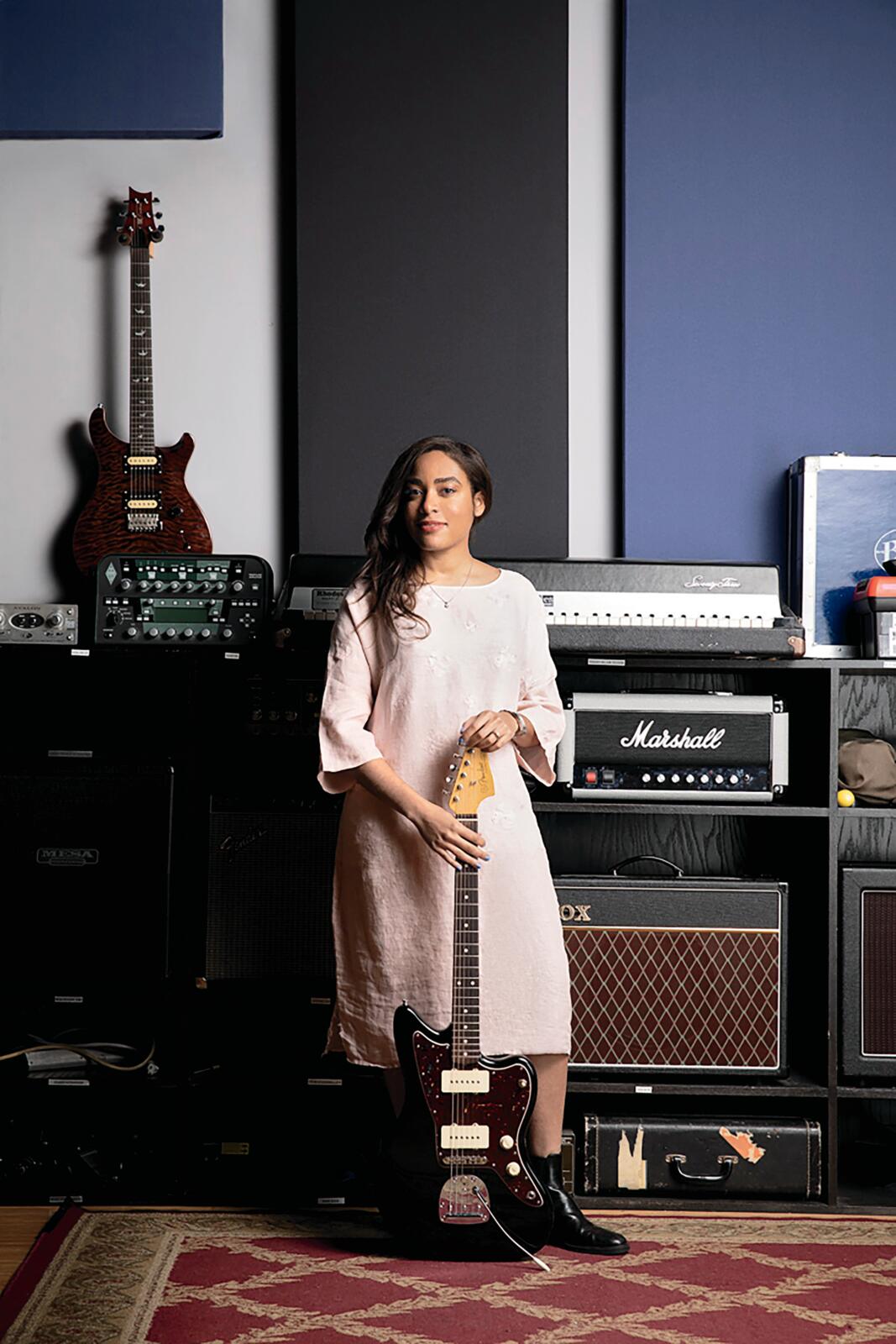
Jones is busier than ever after last year’s historic Primetime Emmy nomination. She became the first African-American woman nominated for Outstanding Music Composition for Documentary or Special Series, for “Maine”—an episode of Apple TV+’s Home. “The nomination changed everything,” Jones admits. “It’s a stamp of approval, showing that I can get the job done.”
Her plate quickly filled up with projects like A Black Lady Sketch Show and Good Trouble—but for the composer, Dreamland: The Burning of Black Wall Street stands out. “It was the first time I had an opportunity to write for a larger orchestral palate,” she explains. “I got to stretch my creative muscles.”
Jones is also reaching back to open the door for others. As cofounder of the Composers Diversity Collective, she’s building awareness of the musical talent within communities of color. “It’s not unusual to be the only non-white person on a project,” she says. “We’re trying to knock down doors.”
Up next for Jones are assignments on BET’s Twenties and Somebody Somewhere for HBO. Says the 33-year-old composer, “I want to cement my base in film and television and continue to shatter the glass ceiling.”
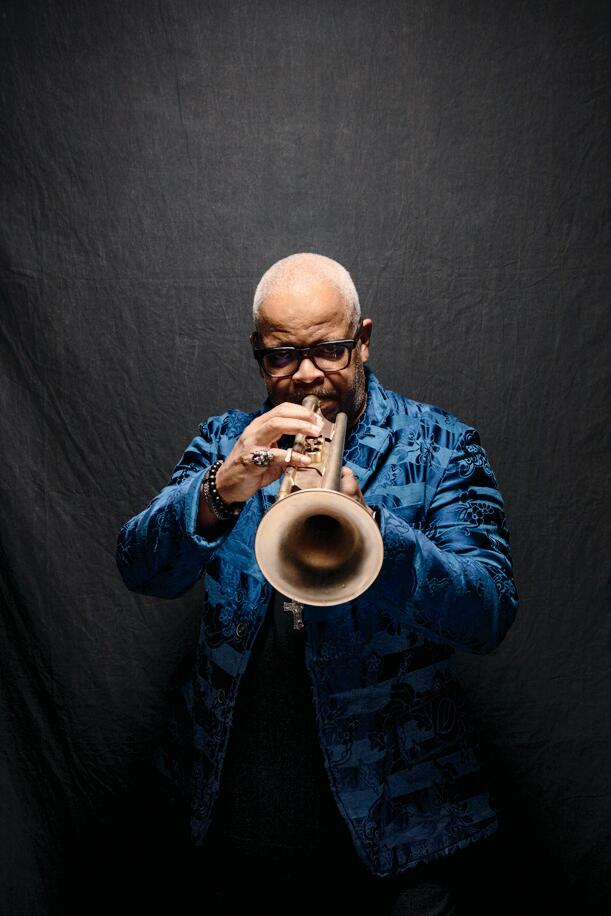
A six-time Grammy–winning jazz musician and composer, Blanchard adapted New York Times columnist Charles M. Blow’s memoir, Fire Shut Up In My Bones, for the 2021–2022 season of the Metropolitan Opera. “Overwhelming” is how the trumpeter describes premiering at the Met: “It’s been a mixed bag of emotions,” says Blanchard, who has recorded more than 30 albums and also scored the recent film One Night in Miami. “I think about the great composers who should have been here but weren’t,” he reflects. “I’m standing on their shoulders. This is bigger than me.”
It’s why Blanchard, 59, is doing his part to reshape how opera is viewed and who it’s presumed to be for, incorporating elements of gospel and jazz into his production for the Met. “There’s a stigma about opera, that it’s a formal arena for telling only certain kinds of stories,” he says. “But there’s room for all our stories. I want people of color to see themselves, too.”