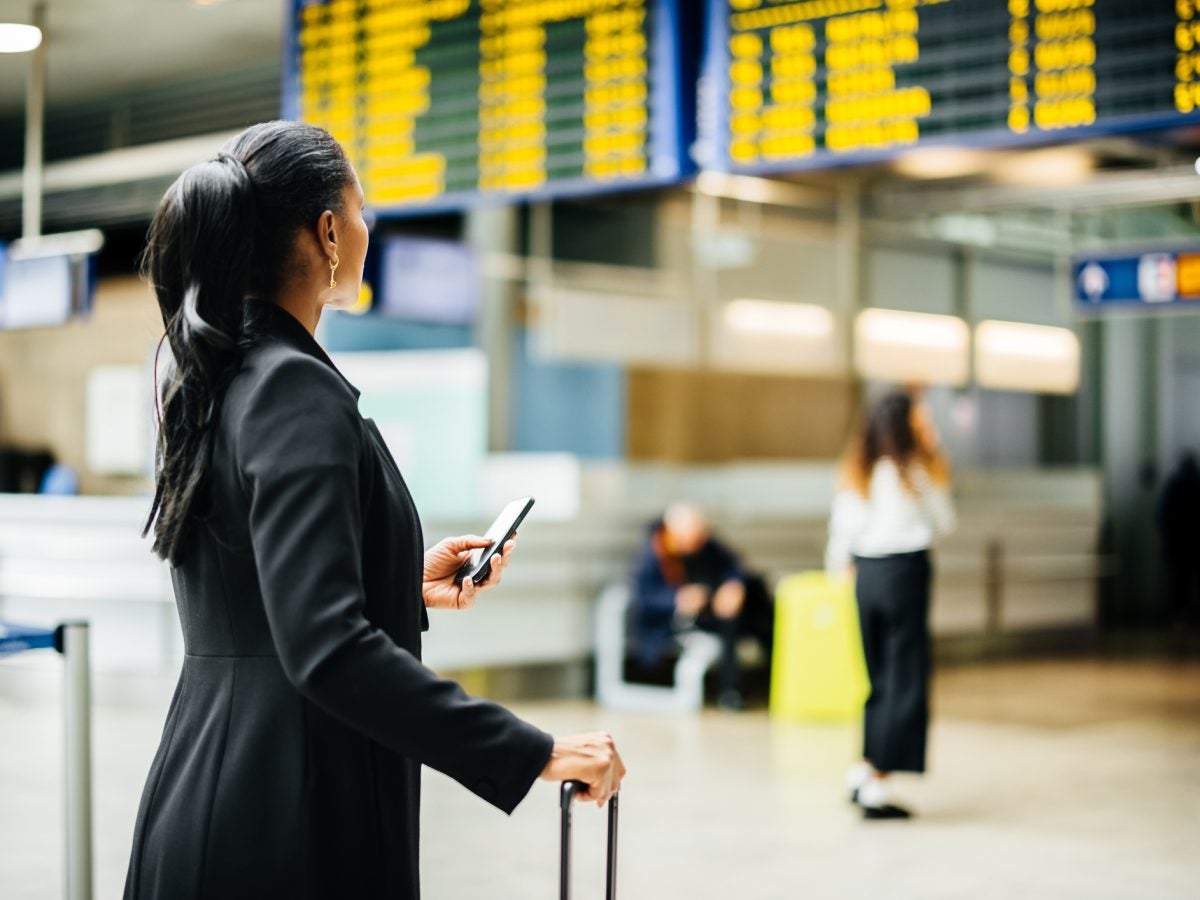

Between unpredictable weather patterns, oversold flights, and massive crowds, traveling during the holiday season already presents its own set of problems and concerns. Now, over 30 days into the government shutdown (the longest in history), we are seeing more trickle-down effects in day-to-day life, including air travel. Across the nation, the aviation workforce, including TSA Agents, air traffic controllers, and other federal workers, are working without pay, creating a staffing issue.
Most recently, airlines were directed to reduce their operations by 10% at 40 airports for two days to reduce air traffic, leaving many passengers frantically searching for alternatives to their travel plans or anxiously awaiting cancellation notifications. While a brief interruption, it foreshadows what we can expect in the coming weeks. “I anticipate there will be additional disruptions, there will be frustration,” said Transportation Secretary Sean Duffy. “But in the end, our sole role is to make sure that we keep this airspace as safe as possible.”
Eric Napoli, chief legal officer at AirHelp – the world’s leading air passenger rights company, tells ESSENCE that even the highest-ranked airports are being tested by operational pressures, according to their latest AirHelp Score 2025. “A sudden reduction in flight volume may ease congestion in the short term,” he says. “But it can also strain connectivity, disrupt scheduling balance, and challenge airports that rely on steady flow to maintain efficiency.”
Airports will be crowded, even more than usual. Historically, the weeks surrounding Thanksgiving and Christmas are incredibly popular. Last year, AAA estimated that nearly 80 million people would travel for Thanksgiving, representing a significant increase from prior years. From the check-in counter to baggage claim, we can expect some delays and longer wait times, particularly at major airports, including the boarding process, take-off, and taxiing. In the past two weeks, I’ve had multiple flights routed through IAD (Washington Dulles), a hub for United Airlines and its Star Alliance partners. These flights have seen delays, some minor and others exceeding five hours, and even a last-minute cancellation with no immediate alternatives.
Families are eager to gather, but given the current state of affairs, people may opt for domestic travel plans because the government shutdown has substantially complicated air travel. With economic uncertainty, people may be reluctant to book bigger, pricier, and longer trips this year. So, the question remains: How do we navigate air travel in the current situation?
Book Early Flights
According to a report from Booking.com, flights between 6:00 and 8:00 a.m. are the most reliable, as they often feature fresh aircraft and crew assignments, with minimal impact from incoming delays. Weather conditions typically remain more stable during these early hours, and overnight maintenance has usually been completed without rushing. This proactive approach can help you navigate the current air travel challenges more effectively.
Arrive Early
It is recommended that we arrive two hours before a domestic flight and three hours before an international flight. Audrey Kohout, co-CEO of Luggage Forward and LugLess, two companies dedicated to luggage shipping services, suggests arriving even earlier than planned to ensure you have plenty of time to get through check-in, security, and to your gate on time. She also suggests considering driving instead of flying if possible.
Take Advantage of Expedited Security
Please note that wait times for security may be longer. Enroll in TSA PreCheck. It’s $85 per adult for five years, can be approved in as little as three to five days, and gets you through security fast. Some airports, such as Orlando International Airport, also offer a free expedited security service called MCO Reserve. You can make a reservation for a designated time to pass through security checks. Seattle-Tacoma Airport has a similar service called Spot Saver.
Update Your Contact Info
Airlines often use SMS messages or push notifications to send out alerts to customers. I’ve received these alerts many times before a gate agent can make an announcement. Be sure each traveler’s phone number and e-mail address in your party are attached to the reservation.
Kohout reminds us that as the shutdown continues into the holiday season, some workers may need to take on part-time jobs and find other sources of income, which could further delay airport travel. This underscores the importance of extending a lot of grace and patience to the workers who are showing up to help us travel and celebrate with our loved ones.
What Are Your Rights as a Passenger?
It’s crucial to be aware of your rights as a traveler, as this knowledge can empower you in situations of flight delays or cancellations. Unfortunately, when it comes to American air infrastructure, we are significantly behind our European counterparts in terms of passenger rights because we lack standardized compensation or protections when extraordinary events, such as government shutdowns, disrupt travel. While the type of passenger compensation depends on how a cancellation or delay is categorized, options are still available.
“Travelers deserve transparency,” says Napoli. “Clear communication, prompt rebooking options, and timely compensation where applicable. Whether the skies are crowded or constrained, the standards for fairness remain the same.”
It’s essential to note that airlines are obligated to fulfill the promises they make in their terms and conditions (T&Cs), including commitments to care for customers in the event of controllable delays or cancellations. The Department of Transportation will hold airlines accountable if they fail to do so. For instance, if the airline informs the passenger of a flight cancellation or a new schedule that significantly delays the flight, the passenger has the right to reject the new schedule, decide not to take the flight, and obtain a full cash refund.
And if it is a flight to or from Europe, you’re lucky because most are likely covered by European regulations that protect passengers in case of flight disruption. It is also recommended to keep receipts for any purchases made at the airport during a flight interruption. Napoli says that under specific laws — and depending on your deadline and destination — you may be reimbursed for food purchased at the airport. Travelers scan their boarding passes or enter their travel information in the AirHelp app to see what type of claim they are eligible to submit for compensation or reimbursement.
Travel pros agree: information and flexibility are your best allies right now. Check flight updates often, arrive early, know what your options are, and pack extra patience. The system may be strained, but with the right strategy, your trip doesn’t have to be.