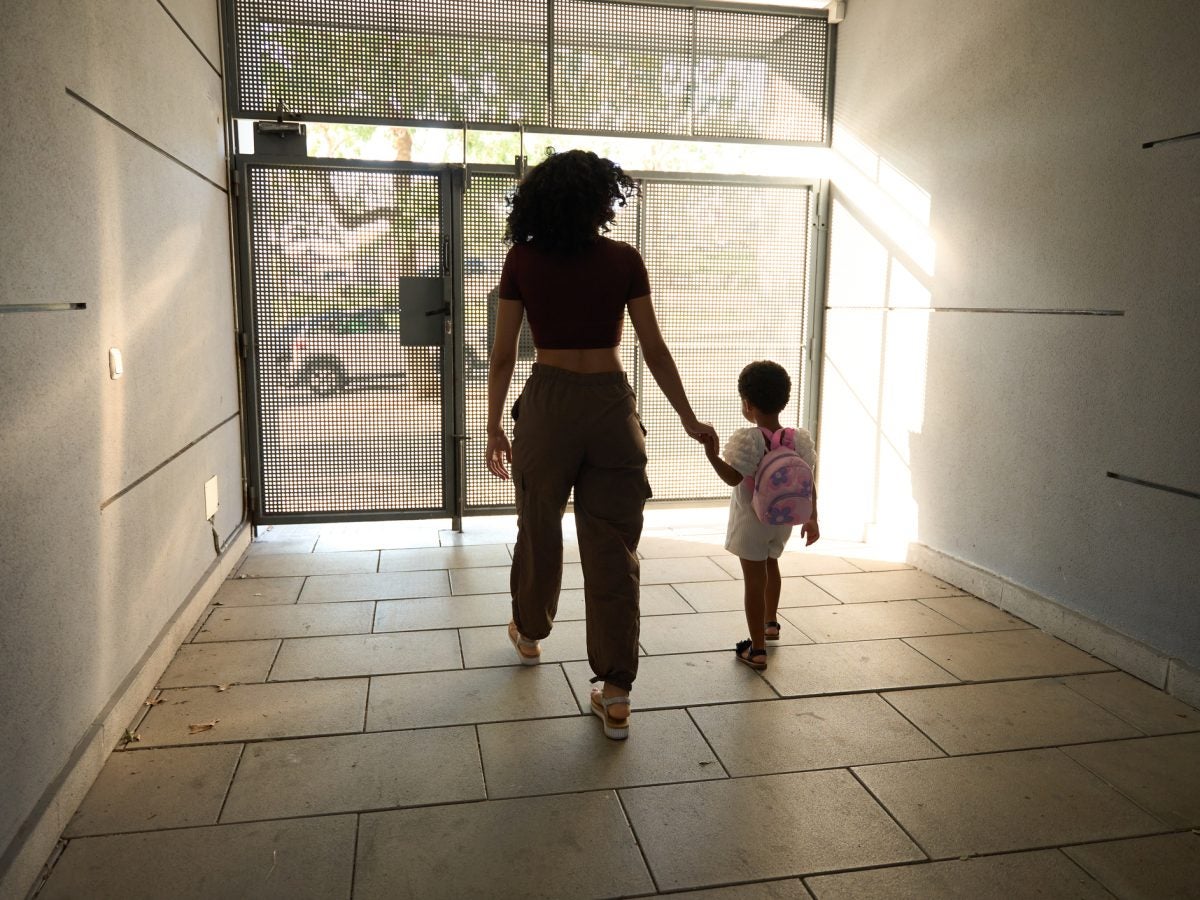

For many of us, back-to-school season brings big, and often conflicting, feelings. The benefit of a structured day, thanks to a consistent school schedule, provides undeniable benefits for parents. But surrendering our children to others’ supervision for eight hours a day can bring unexpected anxieties. Through the years, I’ve learned to hold these tensions and support other mothers with these transitions as I navigate my own. And even now, the pressure for perfection—both in how I support my children and how they should perform in school—often shows up like an unwanted supply on our back-to-school list.
It’s no secret that Black parents aren’t exempt from the pressure to be three times as good. We know our children aren’t guaranteed a second chance if they don’t get it right the first time, and the pressure weighs on us and our expectations for our kids. We can feel trapped between downplaying the impact of these intrusive concerns or fighting like hell to meet unrealistic expectations. But there’s a third option: Using them as an opportunity to honestly acknowledge what we’re up against and work toward nourishing habits that extend beyond back-to-school season.
Tisheila Justice, a licensed clinical social worker, notes this generation of Black parents knows we’re up against complex historical and contemporary barriers to get the proper support for our children. The obstacles and concerns we navigate, and those we try to preemptively anticipate, can trigger safety concerns, worries of being misunderstood, and overwhelm. “There is a fear of judgment for being seen as inattentive, overreactive, or ‘not doing enough’ to help their child with any educational challenges they may face,” she says. “No one wants their child to be left behind, overly punished, or labeled.”
In response, we do what we can to mitigate the damage. “Many Black parents believe that they have to ‘fix it.’ That if their child is impacted, then they didn’t do enough,” Justice says, noting the additional barriers experienced by Black parents raising neurodivergent or disabled children.
In addition to nuanced cultural concerns, Tanyell Cole, a licensed marriage and family therapist, notes that “the pressure to get everything right” infiltrates every part of back-to-school, from our children’s appearance to how much fun they had over the summer. Still, she notes that perfect parenting isn’t just unrealistic, it’s a social construct that makes it harder to develop effective routines and attune to our youngsters’ needs.
“When we focus on perfect parenting, the focus isn’t on the child’s needs and a helpful routine, but on parenting perfectly,” she says. “Feeling the pressure to parent perfectly creates a challenge to be present in the moment, flexible, available, and adaptable.”
One of the first steps is noticing the signs of back-to-school perfectionism impacting your home. I’ve witnessed this pressure manifest for loved ones and individuals I support as mandatory perfection in appearance, flawless attendance on school days and at functions, and zero grace for parents or children alike when things don’t go as planned. I’ve also been that mom who spends more time ruminating on potential issues—and the assortment of solutions I’d need to solve them—than being present in a moment and allowing my children to have their own experience and see how things go.
Justice notes these preoccupations often impact our wellness in subtle and overlooked ways that can add up to significant harm like sleep disturbance, irritability, uncontrolled worry, ruminating about the ‘what ifs,’ exhaustion, burnout, and over-functioning.
Thankfully, we’re not trapped there. Cole uplifts presence, flexibility, and grace as essential elements of new nourishing routines. “Allow routines to develop naturally and make them fun,” she says. “If we pay attention, life tells us what we need, and oftentimes what we need doesn’t look like someone’s highlight reel or the social constructs of perfect parenting.” She notes we can have standards, but we must know we’re not failures when life forces us to deviate to meet our own or our children’s needs. It’s OK if you have to move or miss homework time occasionally. Dinner may not always meet your desires. And sometimes you’ll need to call someone else in for math help.
When we accept where we are instead of how we wish things were, we are able to rely on tools, like nervous system regulation, to navigate the overwhelm. “Anchor your expectations and remember you do not have to be perfect and neither does your child,” Justice adds. It’s true, you’re your child’s biggest advocate. But we don’t have to surrender to the “I must do it all perfectly, and alone” myths. Justice encourages us to rely on community at home and school as challenges arise. She highlights resources like school mental health professionals, educators, and even administrators, and other parents as great support resources when you’re unsure of next steps. “Nothing is more overwhelming and draining than feeling like you are alone,” she says. (A parent advocate is another helpful support if you need help navigating school needs.)
Healthy habits and routines start with us, not our children. Too often, we limit rest and self-care to getaway activities like retreats, massages, and spa days. But life changes through small, gradual behavior shifts in our everyday routines. Our back-to-school concerns won’t disappear, but we’ll be emotionally resourced enough to navigate them.
As a yoga instructor, I encourage mothers to lean into the power of breathing techniques, like diaphragmatic and box breathing, to feel instant grounding in high-stress moments. Relatedly, when we’re fearful or overwhelmed, we often dissociate and leave our bodies. Practices like body scan meditations and progressive muscle relaxation keep us tethered to our physical sensations and reality when trapped in “what ifs” or when we’re battling stress and insomnia. The classic clichés, like a reasonable bedtime and journaling what’s coming up for you when you feel the pressure of perfectionism, have invaluable benefits. But a regular outdoor phone-free stroll brings physical and mental health benefits, too. Justice echoes this, noting the importance of moving the body and engaging all five senses. The impact of these shifts can sound underwhelming. But they model easy ways for our children to develop their own “overwhelm coping kit” that they can use anywhere.
Finally, Cole reminds us that our children are human and experience all the overwhelm, stressors, and challenges we do—often without the language and skills we have. Ensuring we have what we need helps us to co-regulate and model how we handle stressors. When our children see us as human, they know we can help them navigate life. I encourage mothers to talk to their children about what they’re going through and engage them in problem-solving when deterred routines don’t work.
“There is no perfect way to parent, no matter what all the gurus say or the parenting books try to convince you of,” says Cole. “Parenting is a smorgasbord of trial and error, and when you finally think you got it right, the next kid throws a complete wrench in that because no two kids are alike.”