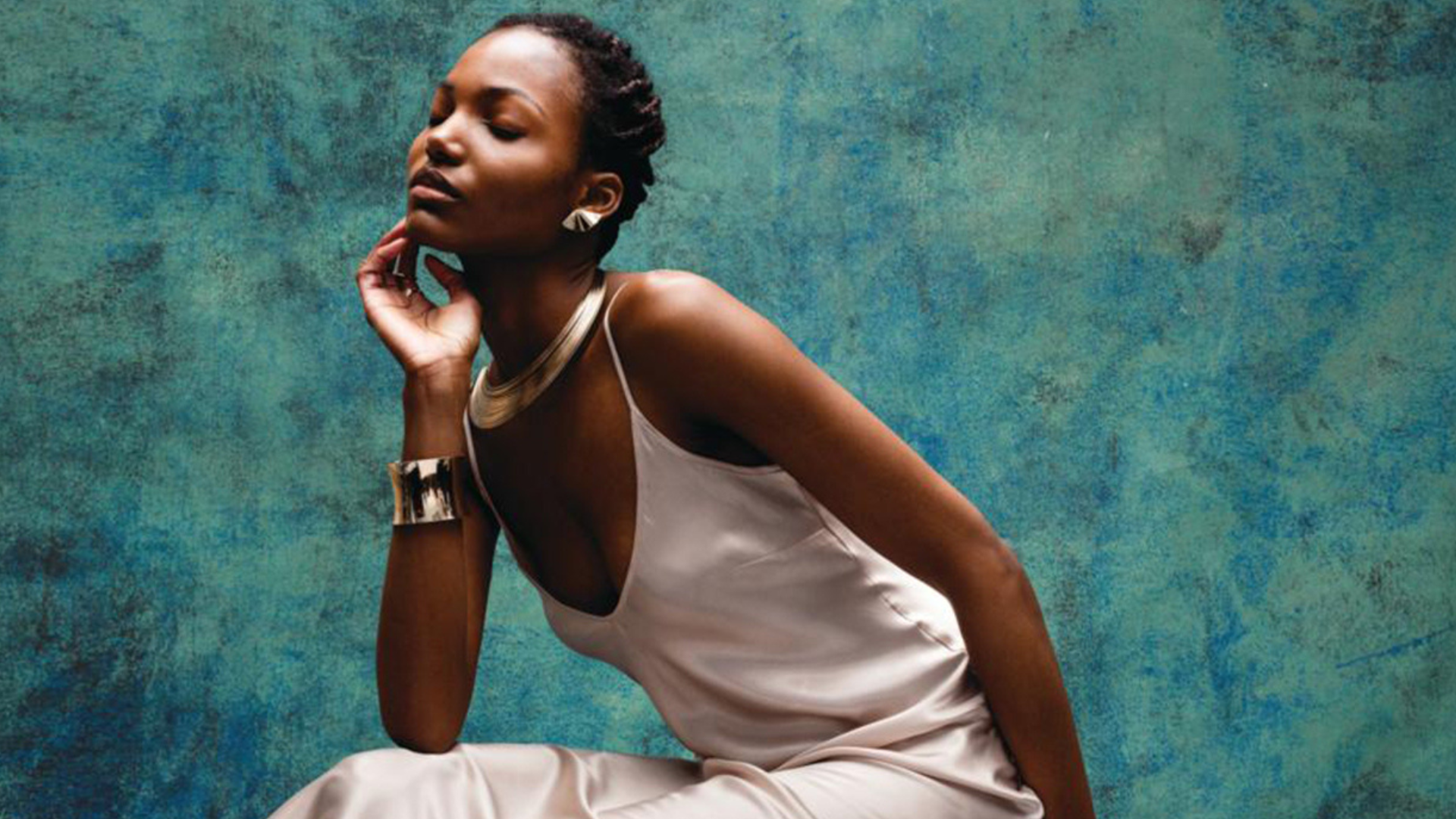

In 1968, Jonathan Blount, Cecil Hollingsworth, Edward Lewis and Clarence O. Smith established Essence Communications, Inc. Since then, the publication birthed from that entity has served as a constant barometer of the state of Black America. As ESSENCE magazine was created for and dedicated to Black women, the intentionality behind its imagery felt refreshing and relevant. The cultural power of showing us in all our authentic glory reached individuals who had yearned for a publication that spoke to them. When it came specifically to Black fashion history, the magazine featured style innovators including Naomi Sims, Patti LaBelle, Grace Jones, Tracee Ellis Ross, Iman and Tyra Banks on its covers. Before diversity became a buzzword, ESSENCE was a home for insightful and accessible stories that showed our fashion range.
ESSENCE was created during a moment that felt ripe for change. In the early 1970s, Black America was at a crossroads. On the heels of the Civil Rights Movement, the Black Power political aesthetic had forced its way from the streets and into households, with good reason. Cultural representation was monolithic during this period—almost to a point where it could be described as exclusionary. Against this backdrop, Blount, Hollingsworth, Lewis and Smith decided to take action on remedying the lack of publications in America that addressed Black women and their plight. They understood that Black women’s experiences, lifestyles and beauty standards were territories worth exploring. And the marketing gap was clear: Despite Black women shelling out huge sums of money for goods and services, no publication was targeting them in a sincere way.
ESSENCE has never wavered from its core value: to uplift us. This fitting mission has granted the publication and its staffers, past and present, a unique position in the media sphere. Our written and visual documentation of Black women’s beauty, style and influence has led to notable cover and fashion moments that have stood the test of time.
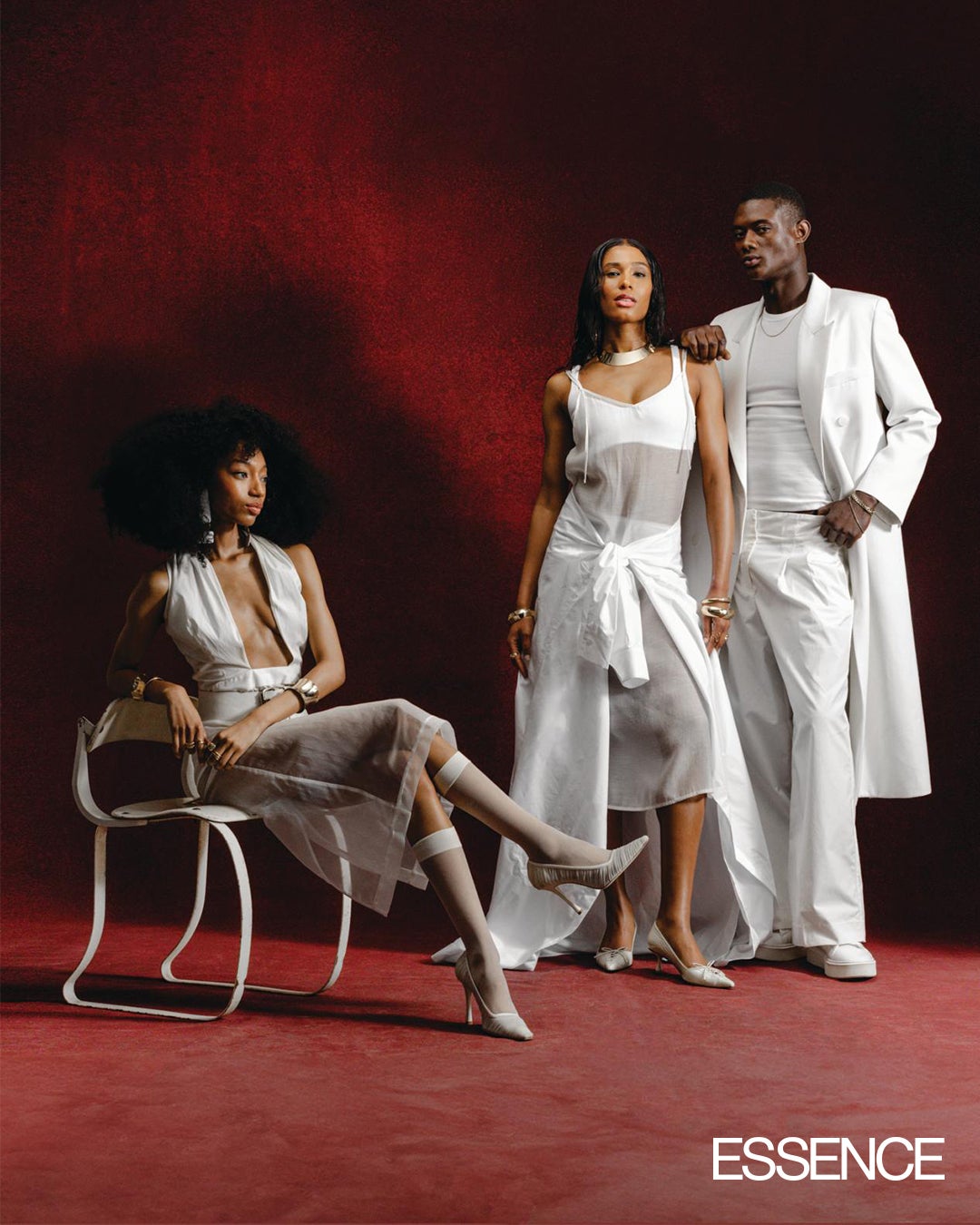
The publication’s initial editorial leadership included Gordon Parks as Editorial Director and Ruth Ross as the founding Editor-in-Chief; the latter’s tenure lasted one year. Parks, a lauded photographer, filmmaker and writer, stayed for three years. The pioneering figure, Marcia Ann Gillespie—who served as Editor-in-Chief from 1971 to 1980—was one of the women who gave ESSENCE its editorial identity and core. The legendary Susan L. Taylor, who joined the magazine as Beauty Editor in 1970, assumed the Editor-in-Chief role in 1981 and went on to be Editorial Director until 2008. Taylor was pivotal in advancing the mission not only to celebrate and empower Black women, but to make sure our beauty and style were recognized and elevated.
ESSENCE was a definitive leader in the realm of Black fashion; trailblazing models, including Bethann Hardison and Beverly Johnson, were regularly featured on its cover. Johnson has stated that her third modeling gig was with ESSENCE. Indeed, when Black models were having issues booking consistent work with mainstream media, they were embraced by ESSENCE—and graced covers of the magazine that would become historic.
Supermodel Pat Cleveland and former model Billie Blair are among those who received opportunities from ESSENCE at the start of their international careers. Before the late B. Smith became a lifestyle maven, she was one of our cover models. We also proudly shined a spotlight on fashion-forward pioneers like Mounia, the first Black model to walk the runway for Chanel and a muse for Yves Saint Laurent himself; Toukie Smith, sister of famed designer Willi Smith and the second African-American model to have a mannequin designed in her image; Peggy Dillard, the second Black model to grace a Vogue cover (after Beverly Johnson); and Naomi Campbell, who was the first Black model to be on the cover of Time and French Vogue.
Our September 2000 fashion issue, featuring Sudanese beauty Alek Wek, is considered by many to be a classic—as well as a win for darker-skinned women. Wek had been the first African model on the cover of Elle, in 1997. “There is still a very beautiful, delicate experience that ESSENCE provides the outside world, and it’s not for everyone,” reflects Rachel Hislop, former Editor-in-Chief of Okayplayer and OkayAfrica. “Blackness isn’t a monolith. Black womanhood is not a monolith. We know that. But for the people who ESSENCE is for, I think that there is still a reverence.”
Over a video call, Hislop expresses that after being introduced to the magazine in the 1990s, she further embraced it while in college. Whenever she got her hands on an issue, she says, it reminded her of how significant Black publications were. “We had Jet, we had the Ebony, we had Honey,” she says. “These places existed in the same realm. But the fact that ESSENCE has endured is a testament to its adaptability, its service to women and its ability to expand its mission, even beyond the pages.”
From the beginning, the publication positioned itself strategically as a fashion and beauty magazine. Simultaneously, it has served as an institution presenting an intimate look at our families, social justice efforts, politics, the entertainment industry and Black communities throughout our nation—through emotionally layered and hard-hitting stories. The goal was for the publication to serve as a cultural touchstone, reflecting the many facets of our lives. Included were significant fashion narratives that unfolded on the magazine’s own pages.
One of our favorite shoots highlighted beloved singer—and now fashion and beauty mogul—Rihanna, captured by celebrity photographer Robert Maxwell. ESSENCE had previously shot Rihanna in her native Barbados, in June 2007. Known for her style sensibilities, the singer and serial entrepreneur—who was then on the cusp of superstardom—graced the style pages of the September 2008 issue, which featured the Obama family on the cover.
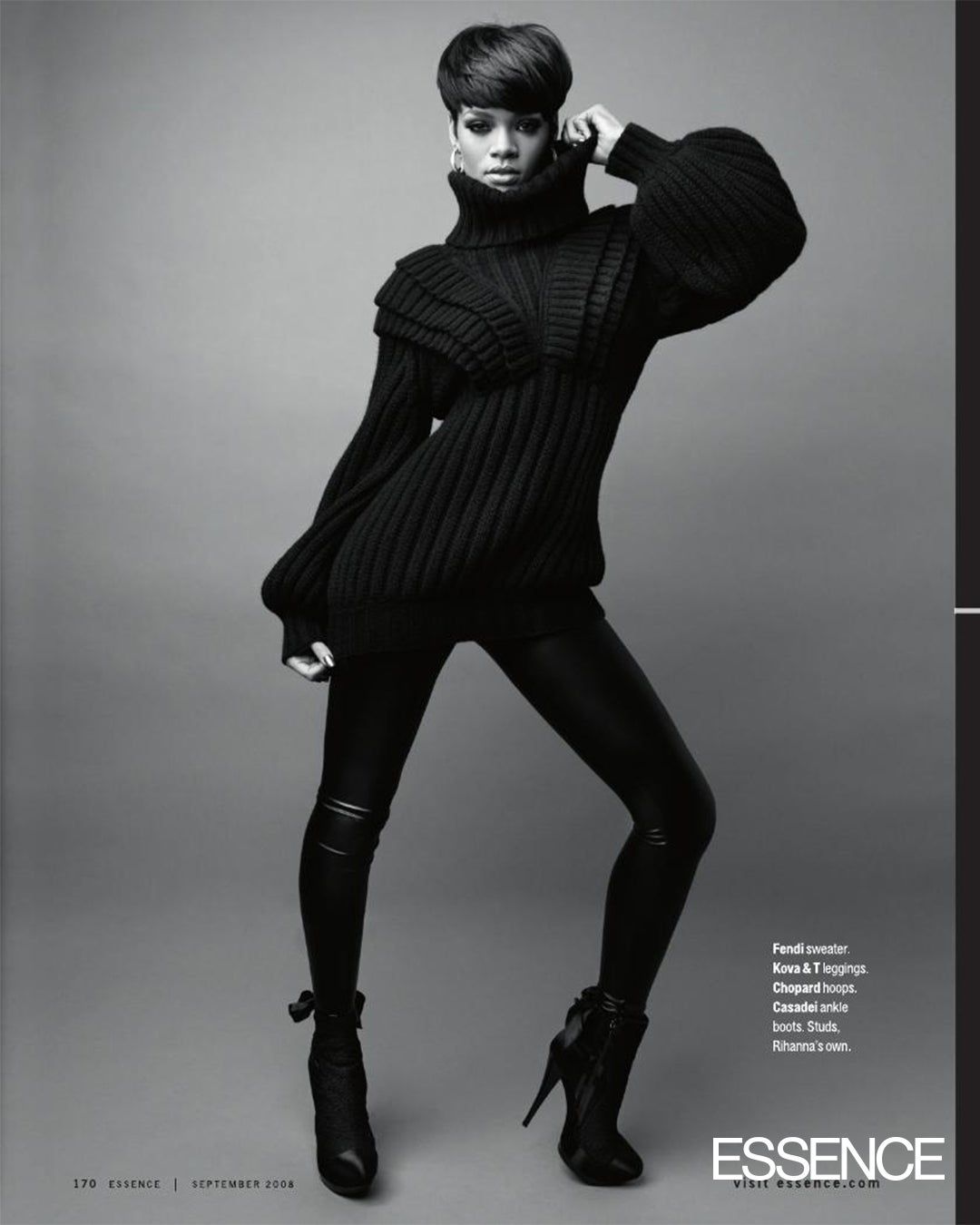
Agnes Cammock, who served as ESSENCE’s Fashion Director for three years beginning in 2006, styled the Bajan beauty for both shoots. She recalls that an editorial decision was made to feature RiRi due to the artist’s meteoric rise. To emphasize the edgy energy the singer was exuding at that stage in her career, Cammock went for a punk-inspired theme with a modern flair. She landed on a slick Fendi sweater paired with Casadei boots for one ensemble. For another, she opted for a punchy Yigal Azrouël vest made with yellow fur and a matching buffalo plaid dress by the same designer. Brian Atwood boots in a decadent gray suede topped off this ensemble.
“She was incredible,” Cammock says. “It wasn’t a difficult shoot at all.” That’s because Rihanna knew who she was, innately, and knew that she had “the most incredible personal style.” This spread marked an impactful visual touchpoint for the artist. It was also noteworthy in how it highlighted the magazine’s dedication to giving a platform to budding artists and stars.
While some mainstream publications took a long time to place Black talent on their covers, ESSENCE has been intentionally doing so for decades. We chose to push the boundaries when we shot Erykah Badu during two weeks in Africa, with award-winning photographer Warwick Saint behind the camera. Joiee Thorpe, former ESSENCE Fashion Editor, remembers boarding an international flight with trunks of clothing. “I was excited that she was my first cover and that it went so well,” Thorpe says over a Zoom call. “It was a chance to work on something that wasn’t traditional.”
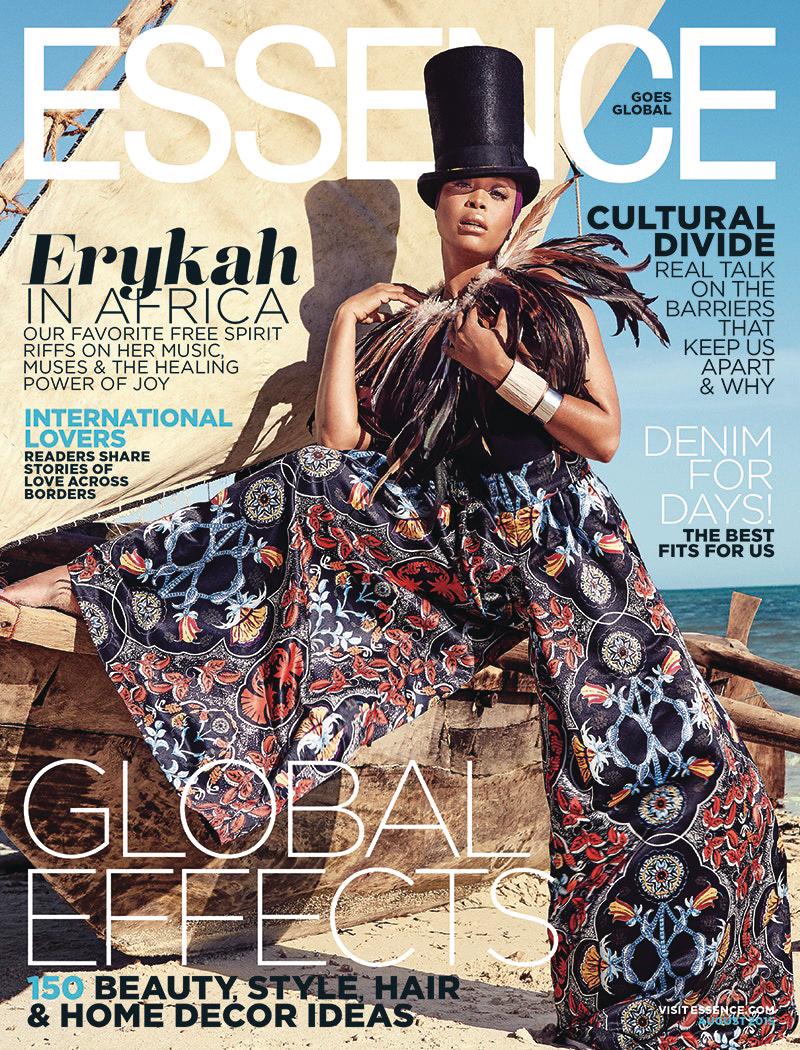
When styling Badu, Thorpe explains, she allowed the artist to be herself. One shot had the singer in a vibrant Desigual sweater with her own rings paired with jewelry by Dannijo and Stella & Dot. “She was loving the jewelry I had, but she also had amazing jewelry,” Thorpe recalls. Another image featured Badu in a Cynthia Rowley dress, emblazoned with yellow flower details, alongside a giraffe. On the cover, the star wore patterned alice + olivia by Stacey Bendet trousers, her own hat, a cuff by Alexis Bittar and feathers from Mordecai, a designer Thorpe regularly worked with at the time. The creative decision to shoot in Africa highlighted the magazine’s goal of providing a global perspective.
Brimming with self-confidence and the star’s adventurous aura, Badu’s cover reflects a broader shift that is currently happening: approaching fashion from a global standpoint. This moment stripped away the industry’s prejudices about African countries and, instead, highlighted the beauty, drama and versatility of the Mother Continent in a pivotal way.
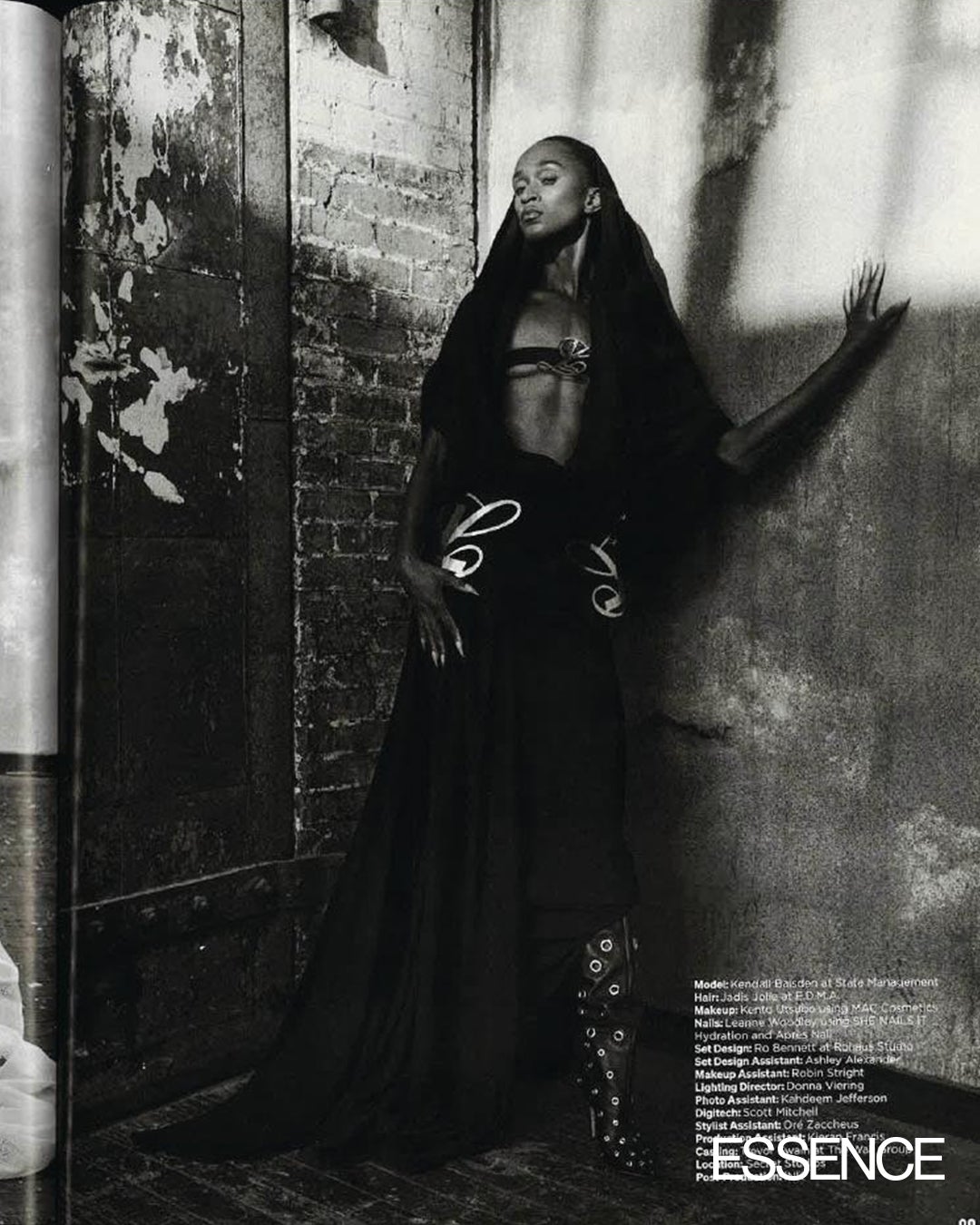
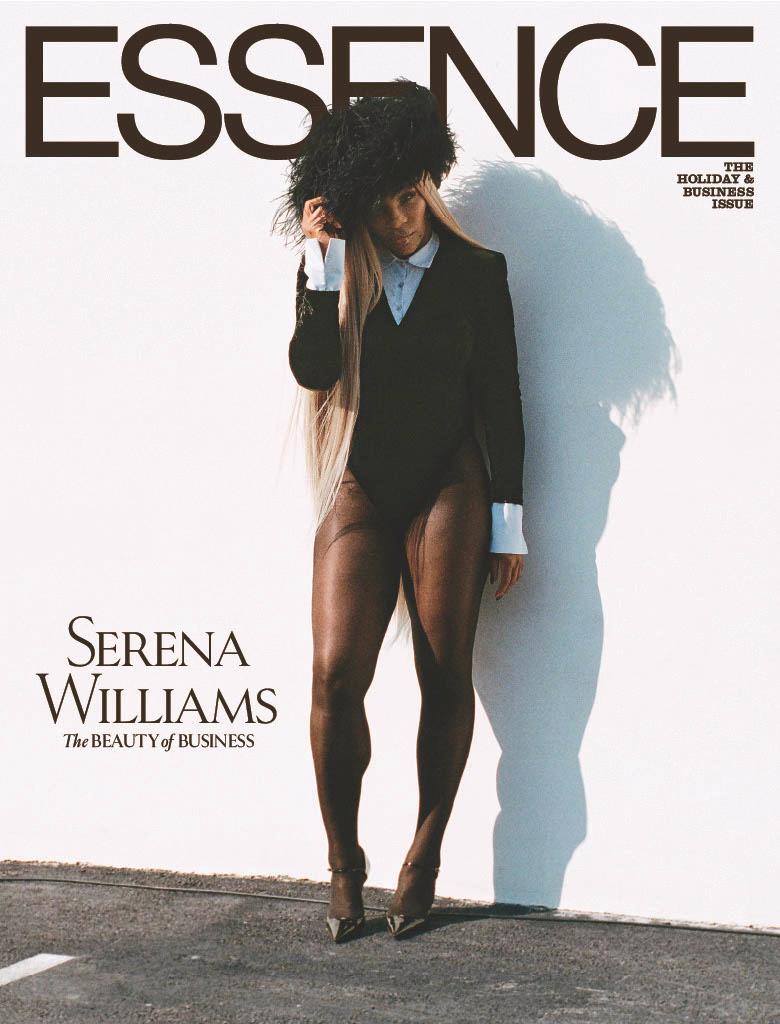
Along its journey, ESSENCE has also risen to the occasion in how it has showcased Black designs. Indeed, a huge part of the magazine’s legacy has been legitimizing Black design talent. When innovative designer Patrick Kelly covered our 19th anniversary issue in May 1989 (along with model Kimi), it was a sign of our commitment to centering our talented creatives. We again paid homage to Kelly in our September/October 2023 fashion issue, which focused on actress Keke Palmer as designer Sergio Hudson’s muse. More recently, in the cover story of last year’s March/April issue, Beyoncé wore an exquisite metal and floral bustier by Olivier Rousteing. Designs by LaQuan Smith were worn by tennis titan Serena Williams for the November/December 2024 cover shoot, for which Jan-Michael Quammie served as the stylist. Track star Sha’Carri Richardson rocked Rachel Scott’s CFDA award–winning brand Diotima on the cover of our January/February 2025 issue, styled by Becky Akinyode. Each of these instances further shows how the magazine operates to promote and elevate Black talent.
“I’ve experienced firsthand how ESSENCE doesn’t just cover designers—it champions us, creating this beautiful ripple effect that connects our work to the very women we design for,” states Felisha Noel, the force behind the fashion label Fe Noel. “ESSENCE has been more than just a magazine. It’s been a mirror, a lighthouse and a canvas for Black women like me who needed to see ourselves reflected.”
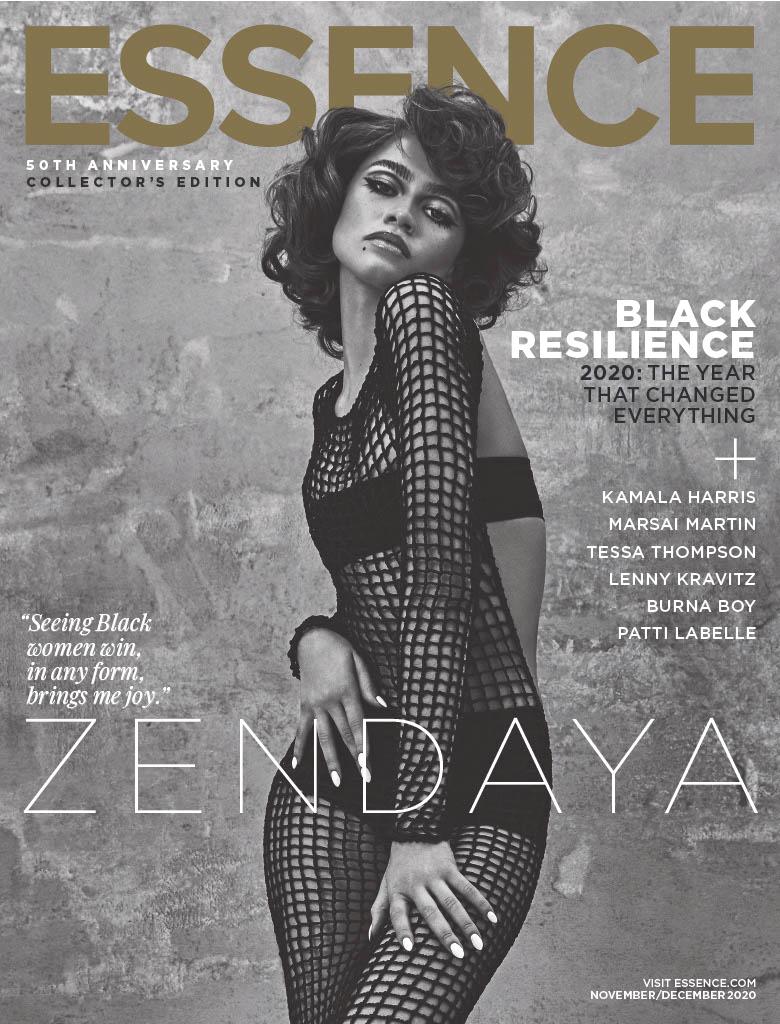
In a world where digital platforms now reign supreme, the publication has had to evolve into covering fashion as it happens, in real time. In addition to covering the arrivals at various awards shows, we’re also on the red carpet at the Met Gala. While the magazine is still the flagship, a mix of daily breaking news stories, live social media posts via Instagram, and on-the-ground reporting alongside top-tier culture features keeps the ESSENCE brand relevant in a swiftly changing media landscape. Noteworthy accomplishments include the appearance of actress Zendaya on the digital cover of ESSENCE’s 50th anniversary issue in 2020, spearheaded by image architect Law Roach.
The enduring significance of ESSENCE, due to its longstanding fashion documentation and editorial creation over five decades, is clear. Not only does the magazine continue to shape narratives surrounding Blackness, but it sets trends in the worlds of style and fashion. By consistently centering our talent and elegantly displaying Black designers, the magazine continues to leave a mark on the industry.
ESSENCE’s reputation as a fashion leader lies in how it has scaled the barriers within the industry and freed itself from the dictates of gatekeepers who often sit at the top. As the magazine has championed diversity and representation, it has also cultivated the work of visionaries. By doing so, the publication has been able to reflect the exhilarating range of Black America and its innate creativity, all while documenting our inimitable style.
“The magazine is an important time capsule,” Hislop declares. “And for Black women, specifically, who are constantly subject to having our stories written by other people, to have this physical documentation of who we are and who we were, and this proof that we were always ahead of the trend—it’s invaluable.”
This story originally appeared in the July/August issue of ESSENCE magazine — our 55th anniversary edition.