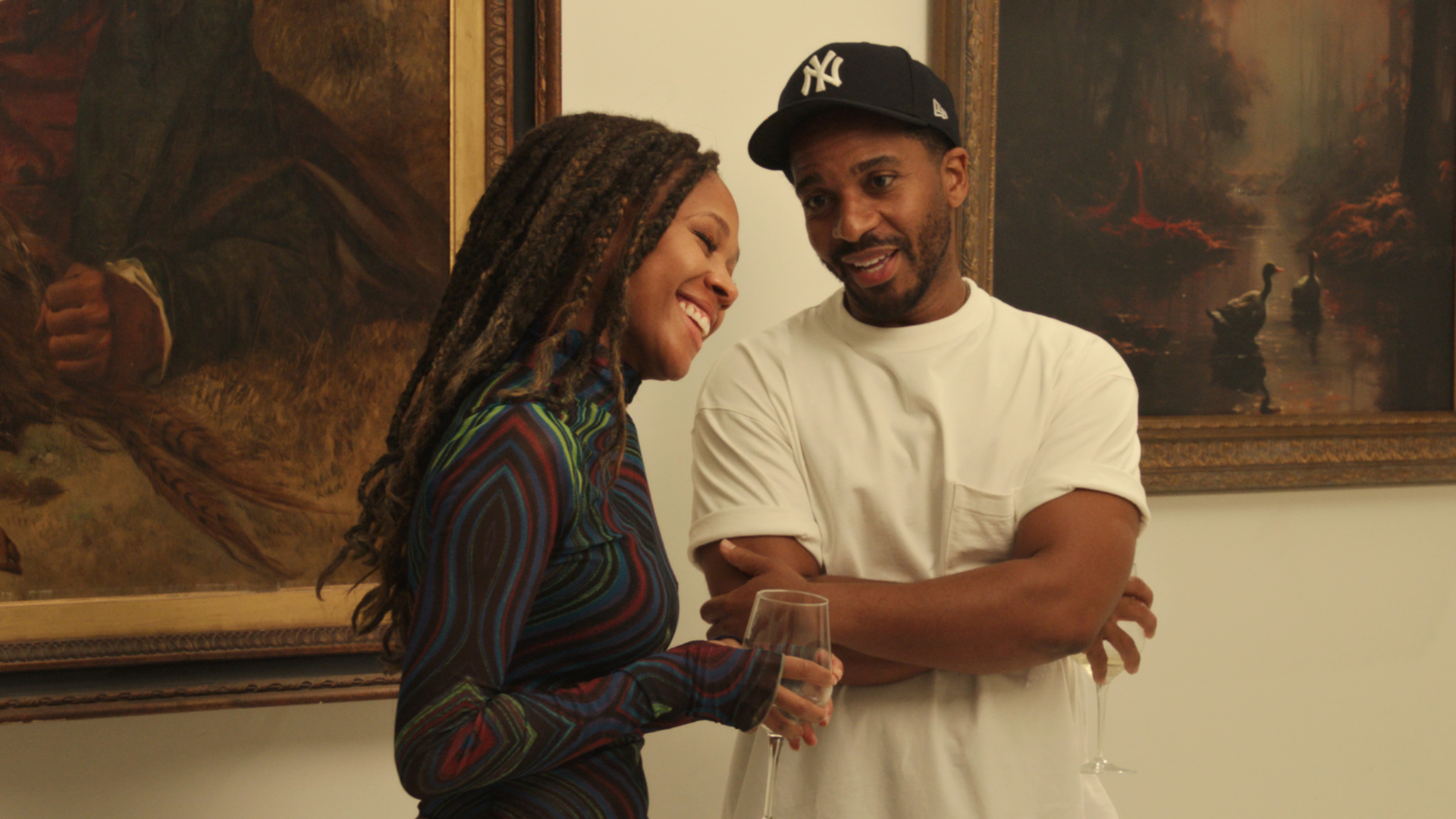

Romantic films in the modern era often lack the depth that cult classics released in the 1980s and 1990s had. “When Harry Met Sally” was lauded for the relatability of its central characters. And “Love Jones“ worked because of the ease with which we all became enraptured with Nina and Darius, played by Nia Long and Larenz Tate. The heyday of romance films has long gone. However, every few years, a movie enters the cultural lexicon that comes across as lived-in and accessible. These are the exact notions that crossed my mind when “Love, Brooklyn,” arrived. The lush project enraptured me when I went to a special screening with my beau.
Officially out nationwide, the film directed by Rachael Holder is an aesthetically pleasing dreamscape. But it also packs a punch in every scene linguistically. The rom-com canon receives a meaty and eloquent addition thanks to the acclaimed cast, consisting of Nicole Beharie, André Holland, and DeWanda Wise. (Roy Woods is also spectacular.) Each individual adds a unique level of depth to their characters. The clothing in the indie film was so fitting that a friend, writer, Morgan Grain, texted me about it after she saw the premiere at Sundance in January. It’s been on my radar ever since.
Spearheaded by the costume designer Missy Mickens, the film, which is also Rachael’s feature debut, showcases Brooklyn fashion enjoyably. I might be a bit biased because I live in Brooklyn in Bed-Stuy, but to me, “Love, Brooklyn” nails Black creative style in a nearly effortless way. There’s a slickness about the style of everyone who lives here, and Missy captures that. Slight flexes like succinct and voicy jewelry paired with impeccable shoe taste are examples of how the costume designer highlights how fly many of us are that live here.
Mickens is no novice. Over a Zoom interview, she shares she has previously worked on the award-winning play “Hamilton” with Oscar winner Paul Tazewell, and also the lauded “Slave Play.” She was the wardrobe supervisor for the previously mentioned play and worked hand in hand with the lauded costume designer, Dede Ayite. These formative moments and being largely inspired by the work of veteran stylist and image architect Misa Hylton are what have pushed Mickens to create excellent work. She explains that each of her previous roles is pivotal to who she is as a creator. Mickens expresses that working behind the scenes at fashion shows beginning in 2006 also informs the work she does to this day.
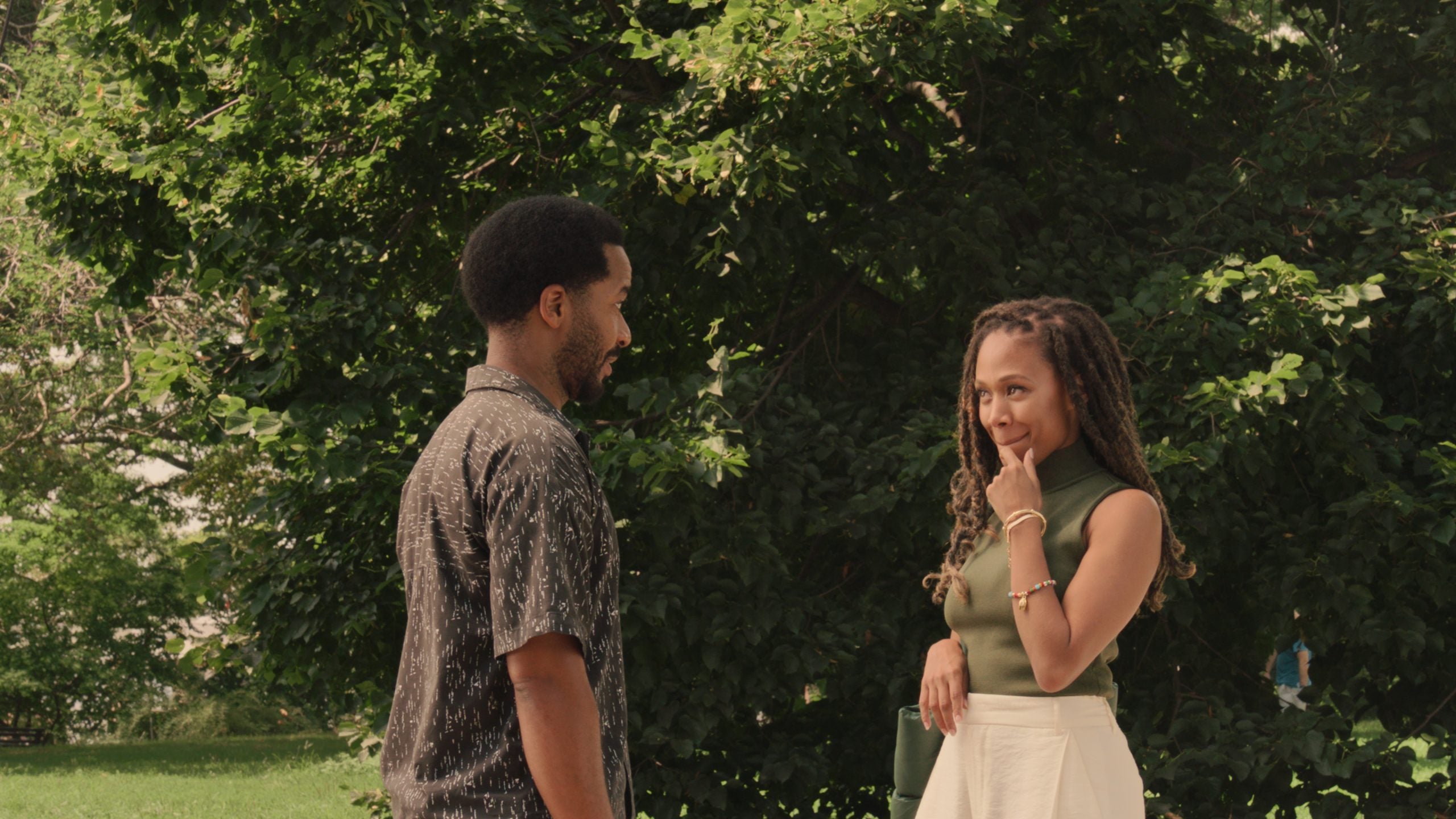
In “Love, Brooklyn,” Missy chose to delve deliciously into the wardrobe of creatives. To do so, she explains that she opted for memorable and somewhat funky items. Nicole Beharie’s Casey is a quirky art gallery owner with Caribbean roots who happens to own a brownstone. And that meant that Mickens dove headfirst into accumulating voicy clothing. Beharie wore a pair of Maison Margiela Tabi shoes, a pair of Prada boots, an Esteban Cortazar dress, and a Victour Glemaud number during the film. Her character also loved wearing colorful hues like orange, according to Mickens, this reflects her actual Caribbean heritage. (Notably, Missy traces her roots back to Puerto Rico). Green is worn by Casey, too; it speaks to her attraction to nature. Her character enjoys walks and hangs in the park, alluding to how grounded she aims to be each day.
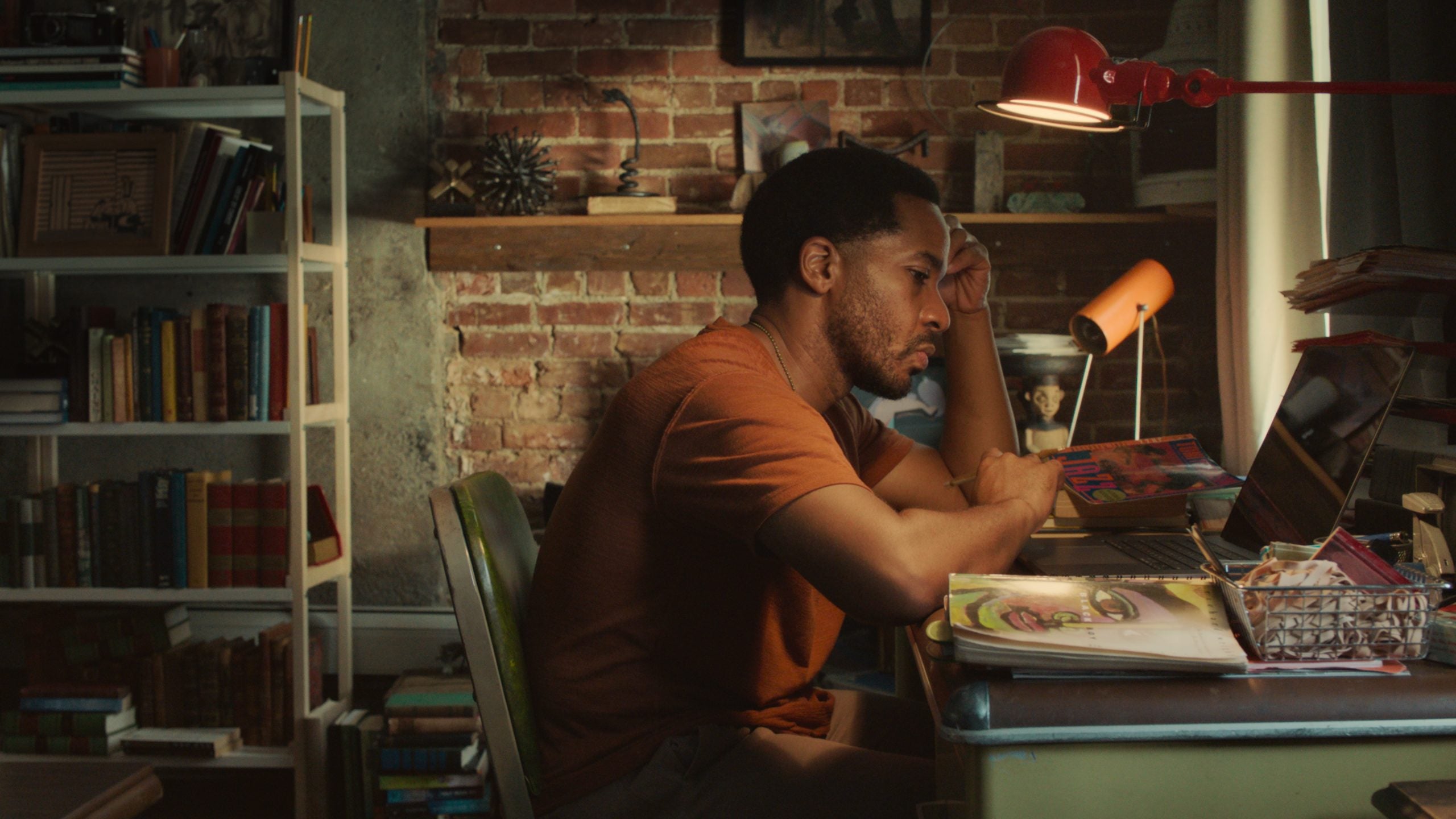
“These are people who are creatives,” Mickens adds when touching on the key characters. By this point, we’re touching on André Holland’s character, Roger. Since he’s a Black writer living in Brooklyn, Mickens wanted to stress the importance of how his wardrobe reflects his creativity. That’s how he ends up donning a Zegna suit in the first scene of the film alongside Beharie. But the movie traces him also wearing laidback wares that also feel sophisticated. A Johnny Nelson pendant worn on a necklace alludes to his taste level too. Roger is also searching for himself while yearning for love so he tends to mimic the colors associated with who he’s dating. “Orange is a throughline, it’s welcoming, it invites social interaction, and it also stimulates creativity,” Mickens adds when touching on Roger imitating Casey’s affinity for orange.
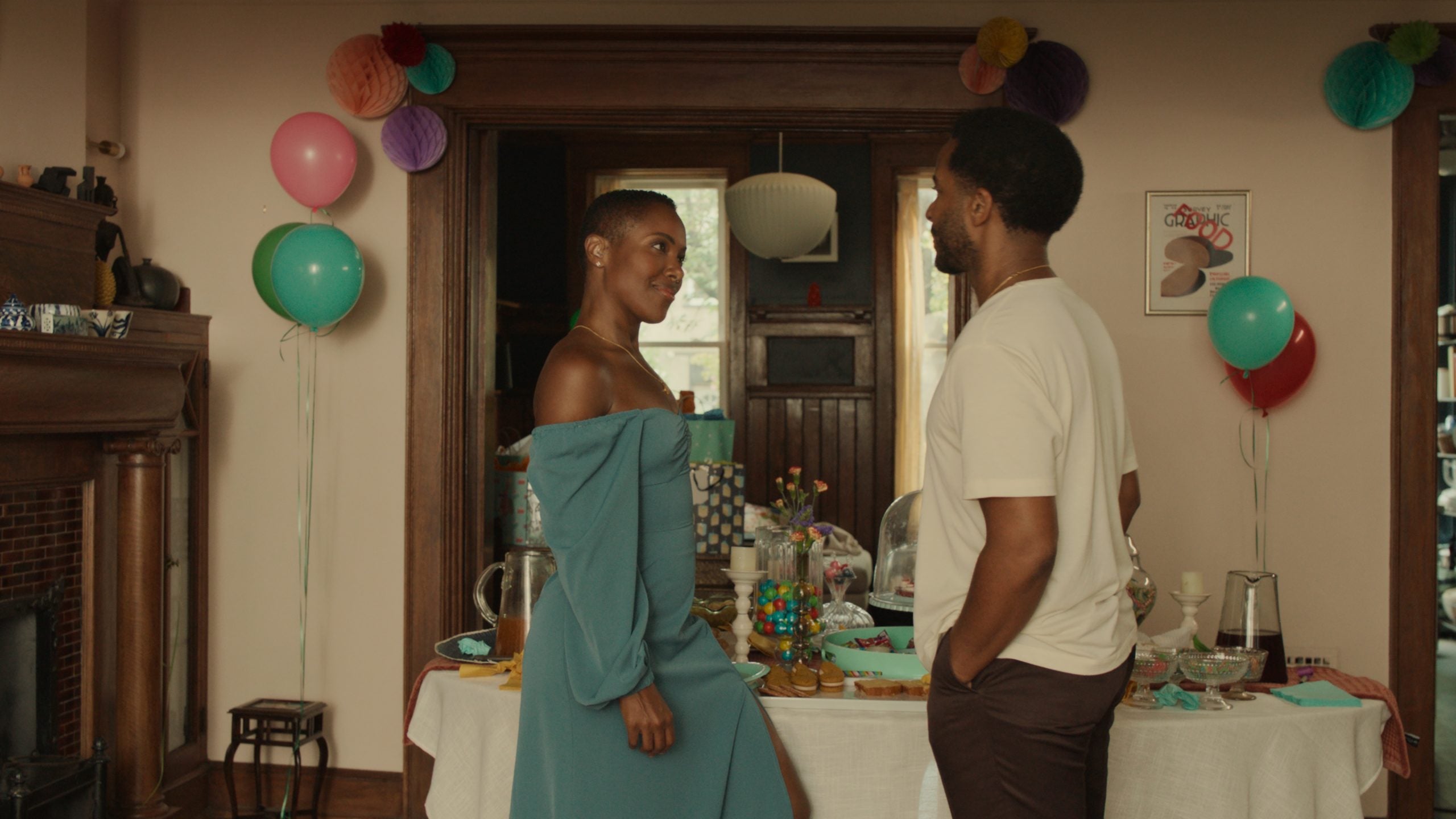
To portray DeWanda Wise’s integral character, Nicole, a massage therapist and single mother, orange is also further utilized. Since Nicole is in a bit of a rebirth stage as a widow who is living through pivotal moments, she dons natural tones too. A pair of orange Haram pants and the blue dress she wears during a birthday party scene showcase that she is ushering in newness. All of the jewelry Nicole dons is from Gwen Beloti, according to the costume designer. Mickens says that Nicole and Casey’s wardrobes are different to define who they are. “They’re not walking around looking the same; no one is because that’s the Brooklyn I know,” she notes.
“We’re not cos-playing Brooklyn,” Mickens says before she expresses that each main character has lived in Brooklyn during one part of their career. She herself has lived in Brooklyn for 20 years. “I wanted the movie to feel familiar to people [who] had lived there their whole lives and people [who] are newly coming,” Mickens shares. And that’s what makes Love, Brooklyn qualify as a new age rom-com worth supporting, not just its beauty, but how it aims to present the real, lived-in Brooklyn many of us love. Through style and by blending the lead character’s actual wardrobes with pulls, she was able to tell a story of individuals who she feels are often erased.