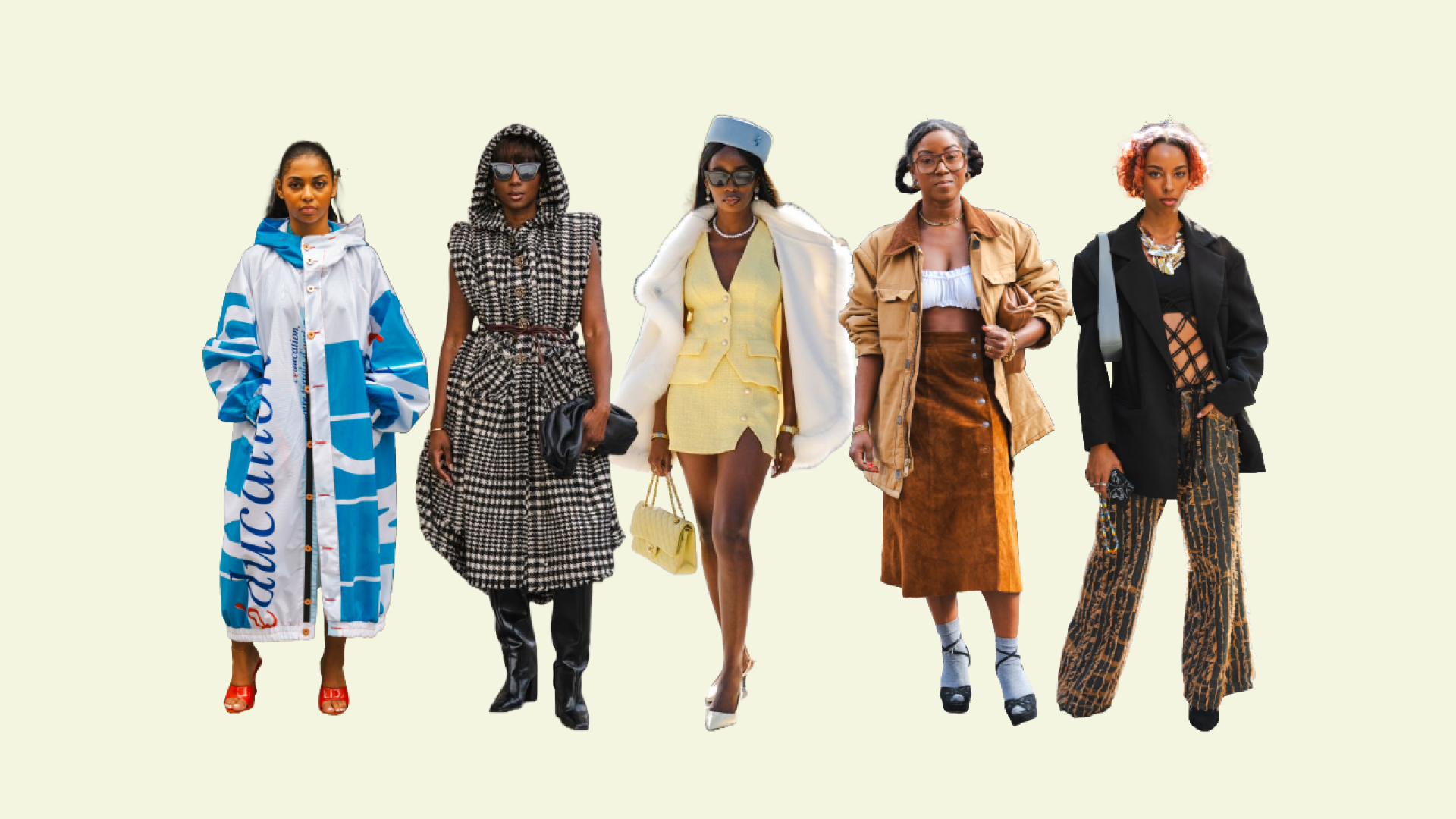

Walk through the streets of any major city, and you’ll see the same outfit repeated dozens of times, à la style core aesthetics. This could be because millions of people are following the same influencers and their “get ready with me” videos. We’ve never had more style options, yet somehow we’re all starting to look the same. There’s a lack of spontaneity and fun, which can be viewed firsthand via social media platforms. This paradox plays out in bedrooms everywhere. While you own the “right” jeans, the viral dress, and the trending sneakers that every person on TikTok swears by, you still feel as though you have nothing to wear. It’s not that you don’t have clothes. It’s that you don’t have clothes that represent you.
There are countless reasons why so many people feel estranged from their closets. For one, the churn of style-core aesthetics that’s in one minute and out the next makes it nearly impossible to build a lasting sense of self through clothing. Add in the fear of experimentation, the habit of copying influencers’ outfits, and the impulse to overconsume, and wardrobes become reflections of the algorithm, not the individual.
However, the root of the issue runs deeper than simply choosing clothes that resonate. Many people aren’t participating in culture beyond the internet. They’re not engaging with the kinds of experiences, such as travel, music, books, subcultures, and hobbies, that help shape their perspective and, in turn, personal style. Without that foundation, curating a wardrobe becomes less about self-expression and more about self-marketing.
This isn’t just a fashion crisis. It’s an identity crisis. In chasing the next trend, many of us have ended up with wardrobes full of clothes that look good on paper, or Pinterest boards, but feel completely disconnected from who we are. And the more we perform style, the further we drift from expressing it authentically.
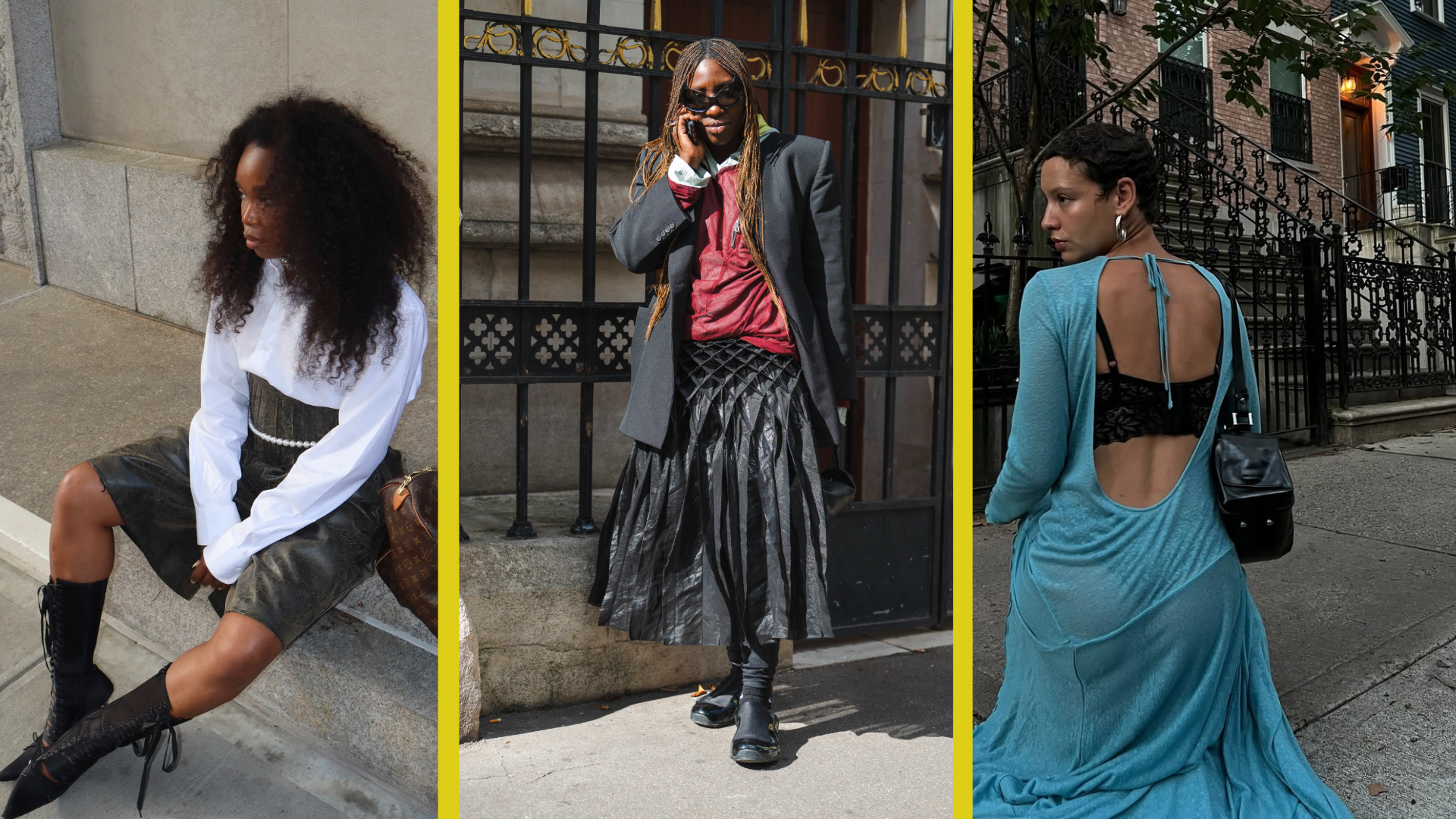
The rise of hyper-specific “style cores” reveals how social media has transformed personal expression into a series of purchasable personas. Each aesthetic arrives fully formed with its own color palette, mood board, and shopping list: quiet luxury’s stealth wealth minimalism, balletcore’s pink-washed femininity, office siren’s Y2K power fantasies, coastal cowgirl’s ranch-meets-Hamptons contradiction, cottagecore’s rural nostalgia that never touches actual soil.
What these microtrends share isn’t just algorithmic momentum, but a fundamental disconnect from lived experience. They’re not born from subcultures or genuine lifestyle needs, they’re manufactured identities designed for maximum consumption. The result is a generation of consumers rotating through aesthetic costumes, each promising authentic self-expression while delivering its opposite: a wardrobe of references with no referent, style without substance.
There’s a particular kind of exhaustion that comes from chasing style instead of living it. Rotating through aesthetic identities may be entertaining in theory, but in practice, it fractures your sense of self. Outfits that once felt aspirational quickly become irrelevant, leaving behind a cycle of impulsive purchases, lukewarm satisfaction, and the constant itch for reinvention. A win for fashion corporations, but a major loss for personal identity.
Fast fashion thrives on this perpetual churn. Influencers push affiliate links under the guise of relatability, while entire platforms reward rapid trend adoption over thoughtful curation. The result is an ecosystem where style isn’t personal, it’s profitable. And in the process of monetizing identity, the industry has created a generation of consumers who don’t know how to dress without a reference point.
So, where do we go from here? Because real personal style doesn’t come from a shopping cart or a saved folder, it’s built slowly, over time, through lived experiences. It reflects what you’ve seen, what you’ve survived, where you’ve been, and what you want to say without speaking. It isn’t curated in one weekend after a Pinterest binge. It’s the result of trial and error, of outfits that felt like armor and others that left you exposed. It’s deeply emotional. We remember what we wore to our first job interview, our worst breakup, and our grandmother’s funeral. Those clothes mattered not because they were stylish, but because they carried meaning.
Personal style is functional before it’s fashionable. It’s what fits your life, not just your body. For some, that means beat-up sneakers and a jacket that’s been mended three times. For others, it’s red lipstick every single day, even when it doesn’t “match” the outfit. Style becomes personal when it stops trying to be universal.
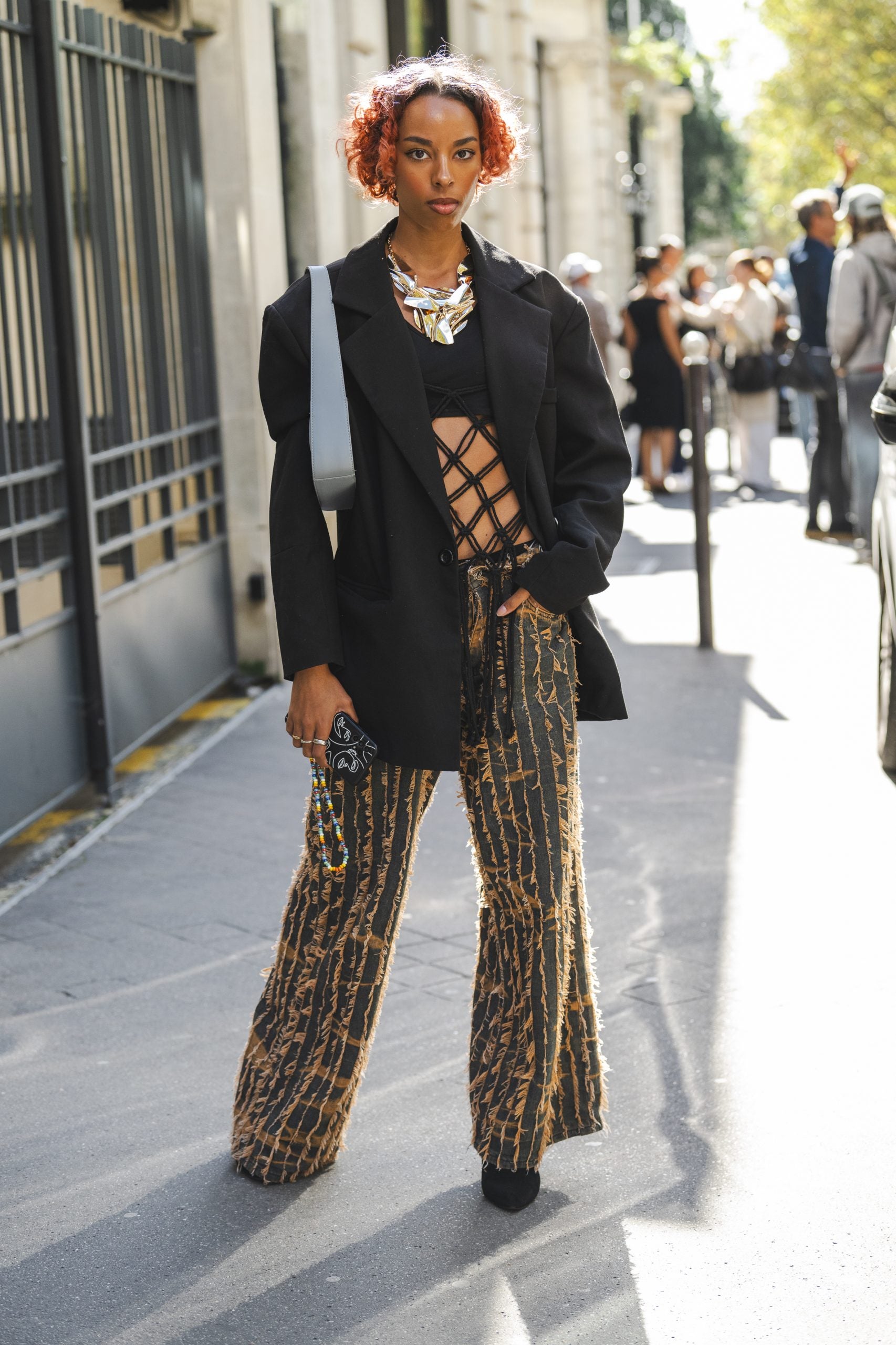
It’s also deeply intuitive. The pieces you return to again and again, despite what’s trending, say more about you than any aesthetic label ever could. And for many, it’s shaped by heritage and influence. Maybe it’s the gold chain passed down from your mother or the way your uncle always cuffed his sleeves. The point is, it’s yours.
The real issue is cultural atrophy. Personal style has always been a byproduct of lived experiences, shaped by the music you discovered in dingy clubs, the books that changed your worldview, the neighborhoods you walked through, and the subcultures you belonged to. But increasingly, people’s primary cultural engagement happens through screens rather than first-person experiences.
Consider how style historically developed: Punk emerged from economic desperation and political rage in 1970s London. Hip-hop fashion grew from the material constraints and creative ingenuity of the South Bronx. Even preppy style reflected actual participation in elite institutions and leisure activities. These weren’t aesthetics first, they were responses to real communities.
Today’s microtrends skip this crucial step. They arrive as pure aesthetics without the cultural foundation that traditionally gave clothing meaning. When your primary cultural input is a curated feed rather than a messy, unfiltered experience, you end up with a style that looks the part but lacks the substance.
This explains why even perfectly executed trend adoption feels hollow. Without genuine cultural engagement, whether that’s getting deep into a music scene, developing a craft, exploring your city’s hidden corners, or even just reading books that challenge your perspective, style becomes pure performance.
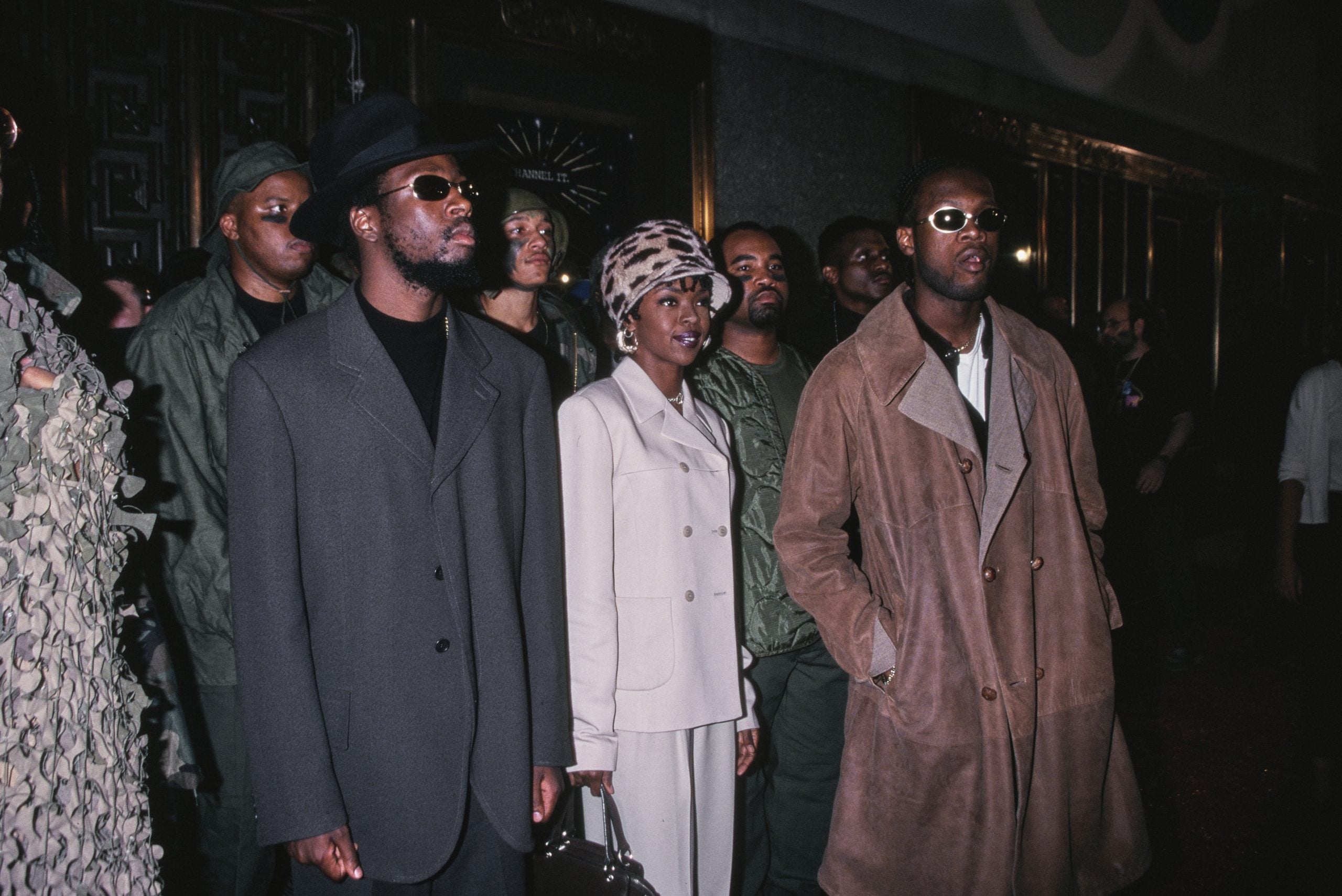
Real cultural participation creates its own visual language. If you spend weekends digging through vinyl at record stores, maybe your look leans retro. If you’re into ceramics or gardening, that might translate into earth tones, natural fabrics, or silhouettes that prioritize movement and ease. A love of anime could show up in oversized proportions or playful accessories. Even your favorite movie genre or the music you grew up on can shape how you see yourself and how you dress to reflect that.
When you pay attention to what you’re already drawn to in other parts of your life, style starts to feel less like a puzzle to solve and more like pattern recognition. That’s not to say you have to figure it all out on your own. It’s perfectly fine to seek inspiration from your “FYP,” your favorite influencers, or Pinterest. Style is a conversation, and looking outward can help spark new ideas or challenge you to try something different. But the key is knowing what to take and what to leave. Not every trend is meant for your lifestyle, and not every outfit you admire is meant to be recreated head to toe.
That’s also where experimentation comes in. Style isn’t something you unlock all at once. You stumble into it by trying, tweaking, and sometimes getting it completely wrong. Not every outfit will work, and that’s okay. But each so-called “miss” teaches you what fabrics you enjoy wearing, what silhouettes work for your body type, and what makes you feel most like yourself. The most grounded dressers aren’t afraid to get it wrong.
Personal style doesn’t need a theme, a “core,” or a label to be valid. You aren’t one-dimensional, so slapping on a single aesthetic will never fully capture who you are. And trying to force yourself into one risks shrinking your identity to fit a trend. The most compelling wardrobes are often the messiest. Full of pieces collected over time, shaped by real memories, interests, and identity.
The goal isn’t to build a wardrobe that photographs well. It’s to build one that reflects your life. That might mean repeating outfits, re-wearing old favorites, or slowly curating what feels good on your body. It might mean ignoring trends completely, or taking what serves you and leaving the rest. Either way, the pressure to dress for the algorithm will never quiet down but you can opt out.