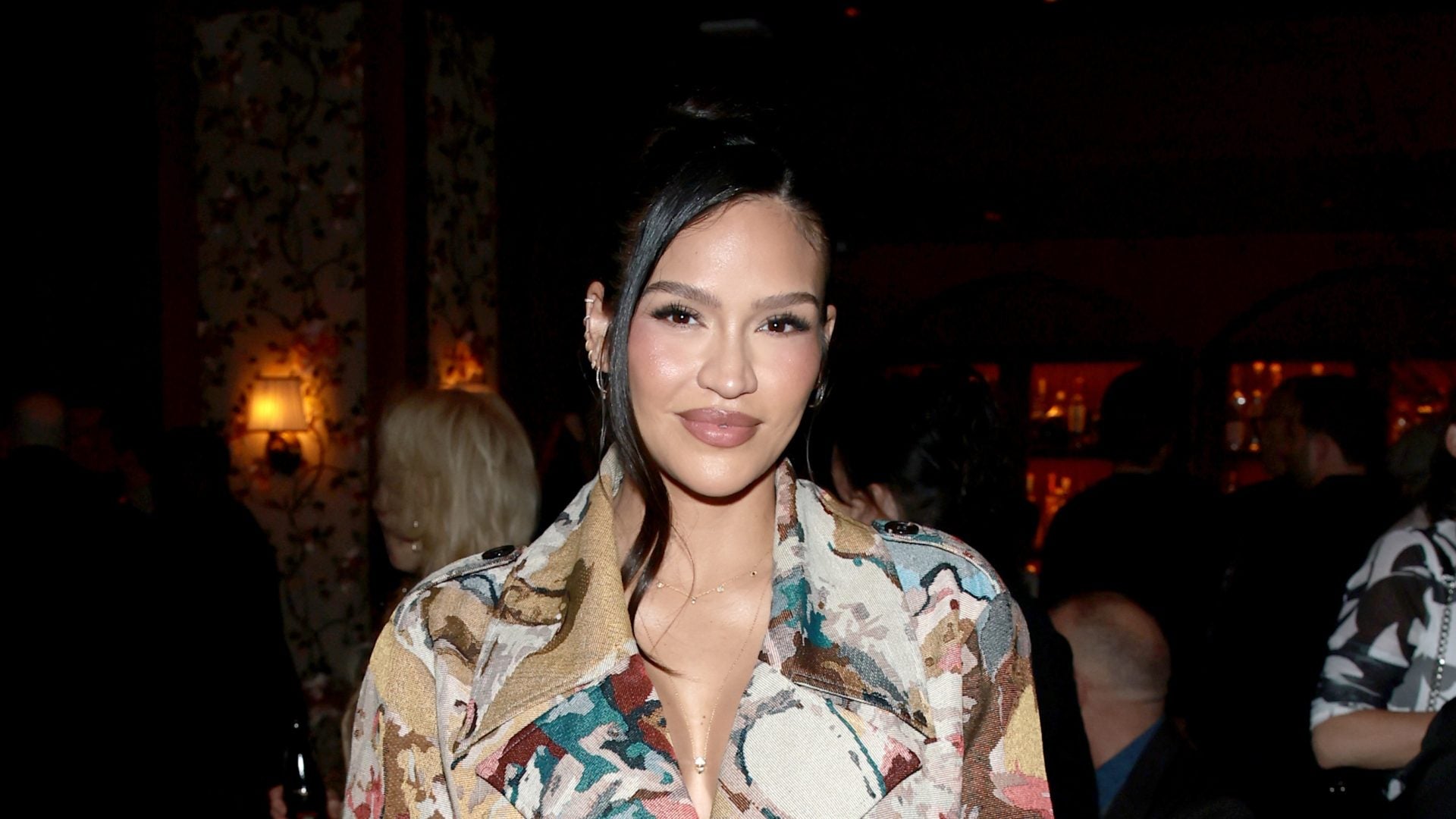

In another life, Casandra Ventura Fine, known professionally as Cassie, would’ve fulfilled the trajectory of her childhood dreams. Her middle school opera composition would’ve landed her a Broadway musical; there would be more than a handful of acting credits to her name; and she wouldn’t have been conned as a budding singer under the control of her manipulative boss-turned-lover.
Earlier this month, Sean ‘Diddy’ Combs, hip-hop impresario and Ventura’s former boyfriend, was acquitted on charges of sex trafficking and racketeering, a Pandora’s box that the otherwise private singer broke open. It was shortly before Thanksgiving when Ventura sued Combs, with jaw-dropping revelations in her complaint that were so graphic it required a trigger warning. In painstaking detail, Ventura recalled being coerced into drug-fueled sex parties, which involved male escorts and were arranged by Combs, along with instances of the Bad Boy Entertainment founder viciously assaulting her.
But even with Ventura’s courageous lawsuit and testimony–given during her third trimester of pregnancy, no less–her disregarded career has left more questions than answers. Why did we ignore Ventura’s mistreatment being hidden in plain sight? How should her experience serve as a cautionary tale to women entering the music industry? What could she have become if she saw her early pursuits through?
Ventura deferred an acceptance to Pace University for her 2006 eponymous album that almost gave her all the makings of an R&B and pop star. Her sound fit naturally among millennial acts who skewed street and bubblegum pop material. The then-teenage artist was slender and had an alluring look similar to the late Aaliyah, who she was undoubtedly modeled after. Ventura’s breathy and seductive vocals made her debut single, “Me & U” a bedroom anthem and a runaway success that allegedly caught the ear of whispery voice originator Janet Jackson. However, it’s arguable that the LP fairly represented who Ventura was at the time, as she would confess to Billboard in 2017 that Cassie was the “passion project” of executive producer Ryan Leslie.
Leslie’s silky production accented Ventura’s girl-next-door charm, but his occasional features overwhelmed the album, leaving listeners confused on who the titular artist was. She expressed independence on nightclub ditty “Long Way 2 Go,” The Neptunes-inspired “About Time” and “Call U Out,” where Ventura convincingly delivered a sassy verse. But sonically, Leslie leaned into Ventura as his muse rather than representing her multidimensionality–songs “Ditto” and “What Do U Want” felt more like Stevie Wonder and Prince throwaways. Their professional and romantic connection also brought into question their age difference, with Ventura barely in her 20s when Leslie was closing in on his 30s. The album’s replay value was ephemeral, but when relistening to Cassie, it brings to mind what could’ve been if her ten-album deal were completed. But maybe that was the point: extending empty promises to a wide-eyed artist on the precipice of stardom with depraved intentions to keep her trapped.
Ventura never reflected on the relationship with Leslie as inappropriate, but purportedly before getting closure from their relationship, she was thrust into dating Combs, who held her future in his hands. Just months after releasing her debut, Ventura was pressured into dates with the music mogul on several occasions, admitting in her lawsuit that she acquiesced out of fear for “repercussions to her nascent career.” Where her tumultuous saga with Combs began, the record scratched on Ventura’s rise, with ongoing start-stops to persist throughout their eleven years together.
While most believed that Ventura was refining her sound after a performance on now-defunct music video countdown 106 & Park went awry, she was lured into days-long sexual encounters and rampant drug use and subjected to exploitation that would soon disillusion her to fame. There would be occasional singles in the latter part of the 2000s; songs “Official Girl” and “Must Be Love” saw more male featured artists, including Combs. There were rumblings of a sophomore project that was shelved indefinitely, album titles like Electro Love and Connecticut Fever, named after Ventura’s home state, were tossed around but didn’t stick, and a post-“Me & U” hit wouldn’t materialize. To the public, Ventura was reduced to Combs’ arm candy, but behind the scenes, the singer was hapless under Combs’ volatile episodes, which neared Blink Twice territory. While critics began to consider Ventura a lost cause, Combs was her actual saboteur, continuously delaying her follow-up release for constant “freak-offs,” which sometimes caused her to suffer UTIs and mouth sores.
When Ventura released a full project again, her 2013 mixtape RockAByeBaby, her sound was bolder, shedding teenage innocence for suggestive lyrics and intoxicated vocals. The mixtape was themed after 1991 drug mafioso classic New Jack City and embodied a party-hard lifestyle that Combs orchestrated. Track titles depicted the scene Ventura was enshrouded in, like “Addiction,” “Numb,” and “Bad Bitches,” the latter of which Ventura described in a telling explanation to Interview Magazine: “I definitely don’t believe in men degrading women, but they’re going to do it no matter what.”
Plans for Ventura’s second album were at a standstill, but she brought coolness to Nicki Minaj collaboration “The Boys” and the euphoric, Solange-penned “Indo.” To the ear, “Indo” was Ventura’s pace in comparison to her previous songs, as she’d eventually show interest in alt-R&B and global music and worked with Afro house DJ-producer Black Coffee. Among her final singles, the atmospheric mood of “Don’t Play It Safe” also signaled a path of healing and moving forward. But after a decade of being led on in Combs’ grandeur, Ventura escaped her unjustifiable contract from a boss who once proclaimed that there was no way out.
Of course, Ventura’s departure from Bad Boy Records came with hurdles: she testified that she was raped by Combs after breaking up with him; her address was surfaced online; she was admitted into rehab and went to therapy to process the cruelty she was exposed to. But the barriers that could’ve ended tragically for Ventura became her self-reclamation. Now a mother and wife, Ventura’s maternal instinct is how her truth emerged out of concern for women vulnerable to predatory behavior in the entertainment business. Ventura’s potential is far from wasted; she has our attention and can bring her honesty to music however she chooses, but on her terms, not under the restraint of an abuser that wanted her silenced.