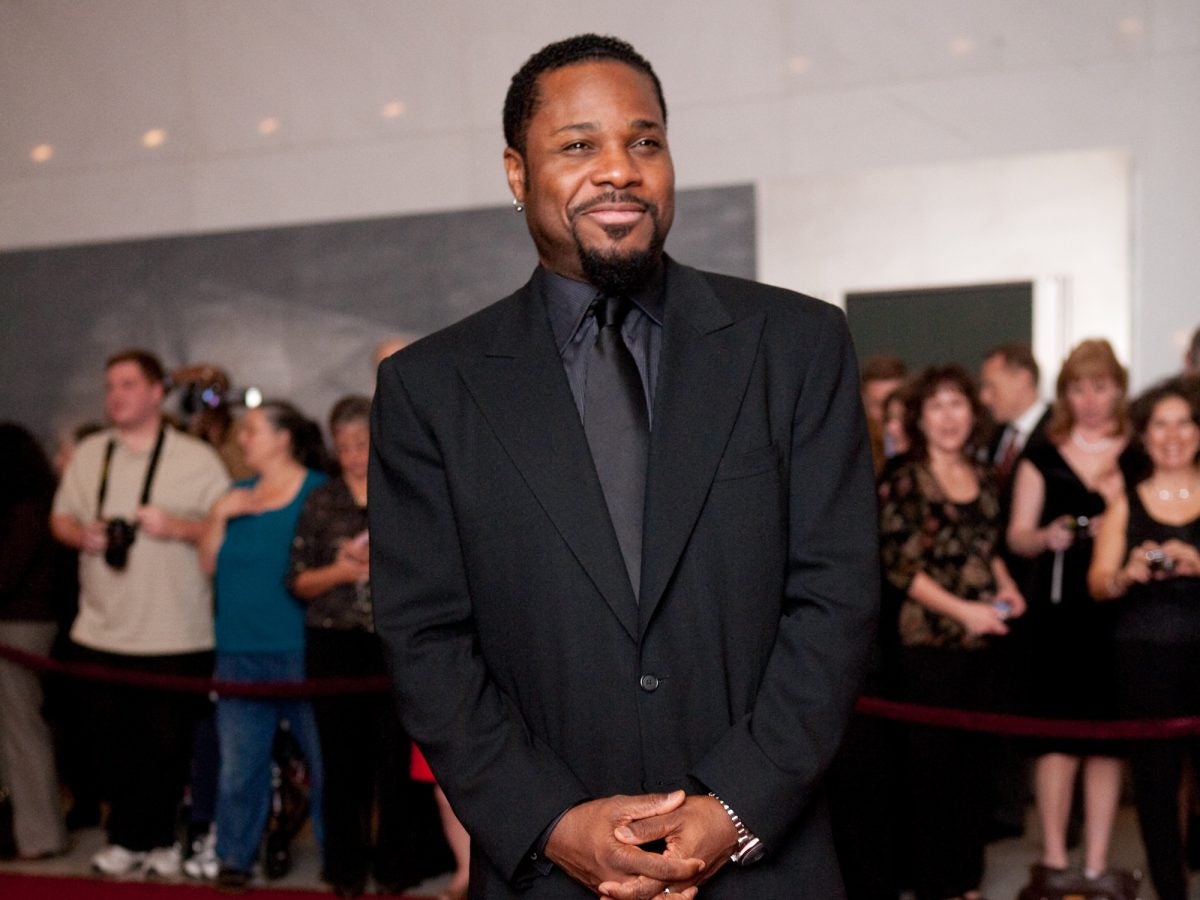

For millions of Black Americans, The Cosby Show was a cultural staple that masterfully showed the dynamics of an upper-middle-class Black family while simultaneously focusing on the individual stories of each member. It was through this long-running television series that the world was introduced to the soul and talent of award-winning actor, musician, and poet Malcolm-Jamal Warner. To the generation that watched The Cosby Show (and Malcolm & Eddie —IYKYK) in real time, he was like a brother. To millennials and those after, he became the cool uncle we all felt we knew and learned from.
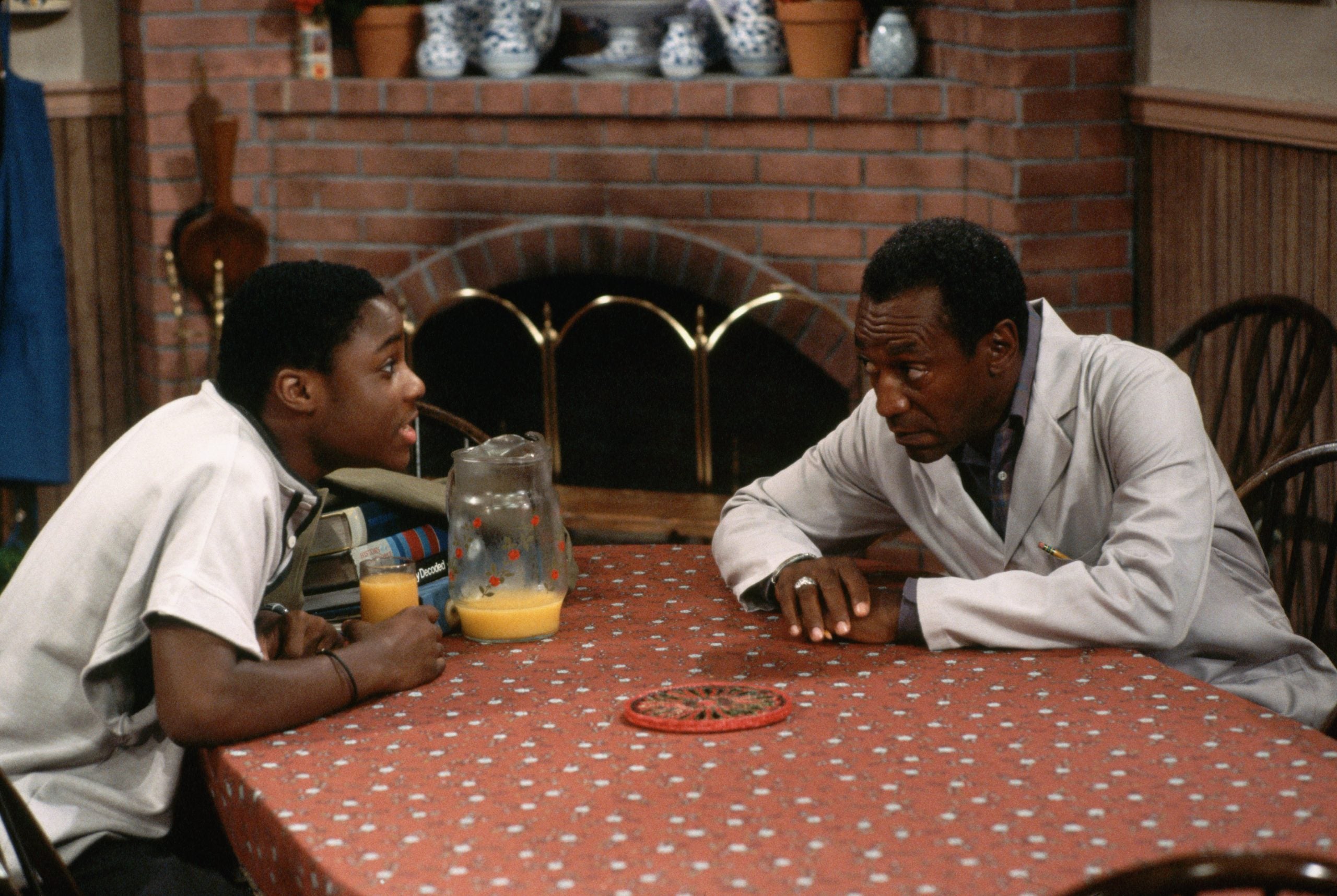
My routine growing up as a millennial included coming home from school and going to my grandmother’s house, which smelled of the chicken she was frying for dinner. We were permitted to watch one TV show before starting homework. The Cosby Show was one of our choices. The show’s pilot launched on September 20, 1984. Eight seasons and 201 episodes later, it remains relevant to the issues that Black families, and youth in particular, face today. From feeling misunderstood by parents, wanting to stand out among peers with the flyest clothes (even if it’s a homemade Gordon Gartrell shirt), and even having that one homie who is more like family (Cockroach, played by Carl Anthony Payne II), The Cosby Show gave us all of that and more. The Huxtable family’s portrayal on mainstream television was the start of a revolution. They demonstrated the diversity that exists within the Black diaspora through the introduction of each character throughout the series.
Warner’s role as Theo was central to that shift. He gave us something different: the coming-of-age story of a Black boy that was complex and deeply human. He was a teenager wanting an ear piercing despite his parents’ disapproval. He fell in love with his girlfriend, Justine, played by Michelle Thomas, and even wrote a song about her. He was diagnosed with dyslexia, which was the first time many of us had heard of the diagnosis and saw a Black child given language for a learning difference. He went to college, stumbled, recovered, and became a man who showed up for his family and for other young Black boys. Through the character Theo, Warner didn’t just reflect us. He expanded what was possible for us to see in Black boys and men.
When the world learned of his passing this week, those within the culture that he impacted so deeply mourned publicly, flooding social media with the kind of grief and tributes usually reserved for a close relative, simply because he felt like family for many of us.
Warner was in our homes weekly for years, and in a lot of Black households, that consistency created something sacred and familiar. He was in the background while we did our homework or sat between our mama’s legs as she greased our scalps. We watched him move throughout life for decades, which left an indelible imprint and intensified the grief we experienced. Essentially, we grew up together.
That kind of grief can be confusing. It can sneak up on you and sit heavy in your chest, even if you never met the person face-to-face. But that doesn’t make it silly or any less real. There’s a psychological term for this kind of connection, called a parasocial relationship. It describes the one-sided bond we form with people in the public eye, especially when we see them often and over a long period of time. But for us, especially in Black communities where accurate representation has been scarce and sacred, it’s deeper than theory. It means your heart recognized care, Black solidarity, and consistency, even if it came through a television screen.
In Black communities, grief is more of a collective experience than an individual one. For this reason, the passing of Warner feels like losing a cousin, an uncle, or even a neighbor down the block. As a collective, we are mourning what he meant to us, the memories he helped shape, and the shift he helped spark in how Blackness showed up in Hollywood as an actor and a storyteller with depth and dignity. Layered within this grief is the complex experience of vicarious trauma, which is the emotional impact we feel from learning about someone else’s tragic death. In true communal fashion, the collective grief experience has many of us mourning for his wife, his young daughter, his parents, and the loved ones left behind. As a people, we carry each other’s sorrow and hold space for pain that is not always our own.
Black people have always had to mourn in motion and still be expected to show up for work, show up for family, and show up for the world. Too often, we’re expected to bounce back quickly and smile through it, but this grief deserves space. The heaviness, tears, and social media tributes are not signs of weakness. They are cultural recognitions of what it means to lose someone who gave so many of us a soft place to land when the world was hard.
Let this moment be your permission slip to grieve without self-judgment. Allow yourself to process and cope, whether you choose to watch an old episode of The Cosby Show, Malcolm & Eddie, listen to one of Warner’s poems, watch his Not All Hood podcast, or put on some jazz and just sit with it. Grief doesn’t have to be hidden. In fact, this might be your opportunity to check in with your own younger self, the one who grew up watching him and maybe felt a little less alone because of Theo’s story.
Malcolm-Jamal Warner wasn’t just on our television screens on Thursday nights. He was there while we made dinner, and in the nostalgia of late-night reruns we watched. Let this moment be a reminder that Black joy, Black brilliance, Black resistance, and Black creativity are always worth appreciating, remembering, and even grieving.