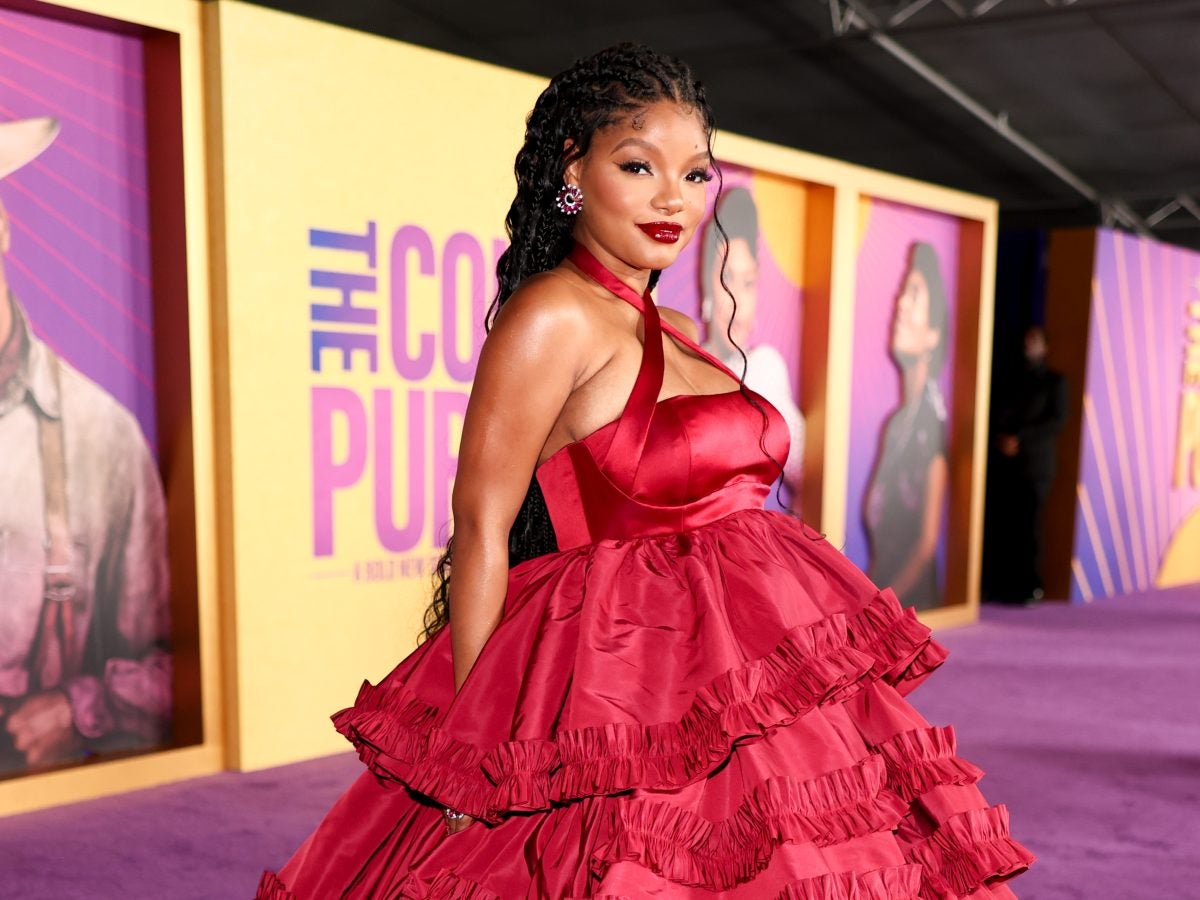

There’s yet to be an ideal time to be Black and parenting or pregnant. As the world’s chaos persists, so do we, grasping whatever fraction of self-determination we can. Unsolicited opinions from loved ones and strangers are as consistent as structural discrimination, especially for those in the public eye. The pressure singer and actress Halle Bailey is facing to confirm or deny rumors of a pregnancy is a solid reminder that fame nor funds stop folks from being in Black women’s business. Still, we must call this pressure out as more than being nosey. It’s proof of the harmful attitude of entitlement about Black women’s lives and bodies.
For at least three months, the internet has relentlessly sought answers regarding Bailey’s reproductive system while expressing feelings about the “maybe baby’s” father, DDG, and her decision not to address the rumors directly. The resulting hyperfixation on Bailey’s clothes, body and features, and social media behaviors is cringe-worthy at best and triggering at worst. One weirdo even said, “I’m offended that you keep trying to hide the pregnancy.” It’s Bailey’s first time in the spotlight in this way, but it’s the latest in a long list of Black women being under scrutiny for their bodies, parenting decisions, or choice not to give insight into their private lives.
“Our society’s comfort commenting on Black women’s bodies is a reflection of how it believes it owns Black women’s bodies,” says Shenee Johnson, LPC, an Atlanta-based liberation-focused, licensed professional counselor who specializes in Black maternal mental health. Black women aren’t the only ones to experience these unsolicited opinions, but legacies of colonization and enslavement leave us particularly vulnerable. Today, Johnson says it shows up as a sense of ownership and entitlement to Black women, our physical forms, and our child-rearing choices.
She notes that Black women celebrities experience an intensified expectation of access, leaving them to receive comments on their bodies even beyond what we experience in our families. “When a Black woman acquires large capital and fame, the fans and colonized minds say, ‘I made you, you owe me,’” she says.
However, the relationship between these unsolicited comments or expectations and the denial of bodily autonomy, the right to choose what we do with our bodies, goes unaddressed. It also overlooks how these sentiments inform the medical neglect and disempowerment that leaves Black women vulnerable amid a maternal mortality crisis where we are at least three times more likely to die a preventable death a year after birth. Maternity care deserts, racial disparities in infant mortality, and limited access to abortion and other reproductive care services reflect a system that decides what Black mothers and other birthing folks should do with our bodies. At its core, the belief that others’ opinions of Black women’s bodies are more important than the desires we have for ourselves is a crucial component of the mistreatment we experience in birth and beyond.
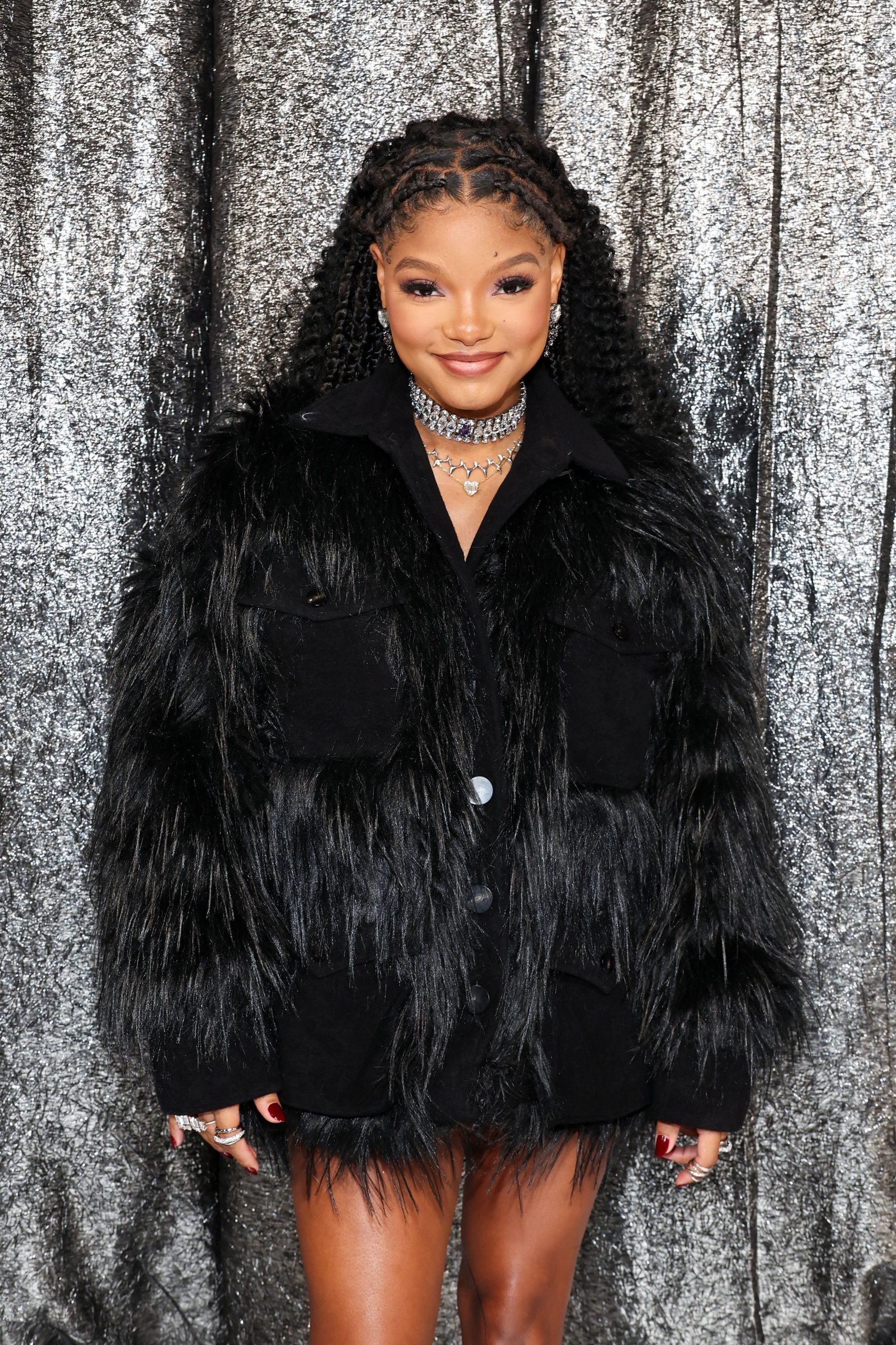
IF Halle Bailey is pregnant, the consistent scrutiny from fans adds to an already overwhelming list of things she’ll have to navigate as a pregnant Black woman in America. Celebrities aren’t exempt from the harmful outcomes—we’re all impacted. “Seeing a Black celebrity who has access to so many resources experience this harm could normalize it for folks, make it OK, when it absolutely is not,” says Johnson.
She says Black mothers and birthing people can experience vicarious stress, anxiety, and pressure to disclose their pregnancies before they’re ready. Many of us have felt similar pressures about our pregnancies, parenting choices, and bodies. Still, this can be a teachable moment. Johnson says Bailey’s decision to claim full ownership of her body by not answering questions about whether or not she’s pregnant, despite others insisting, offers a liberatory model from a lineage of resistance from Black women.
“I could see more Black women and birthing people taking more ownership of their bodies and revealing or not revealing their status when and how they want to,” says Johnson. “This could offer us feelings of empowerment and the embodiment necessary for liberation.”
She says the strength to navigate these pressures comes as we connect with ourselves and know we don’t have to engage when others speak on our physical forms and pregnancies. Because the “harmless” comments can have real consequences on how we feel during this journey, spending time with ourselves through activities, pregnancy support groups, and introspection helps as we navigate a flood of uninvited feedback.
Society is still learning Black women get to make their own choices and reveal information about themselves on their terms—or never. But Bailey gets it. She’s spoken about “the scrutiny of that spotlight” bringing unsolicited pressures and body comments during a recent speech at the Glamour Women of the Year Awards. Thankfully, she isn’t worried about it.
“So here’s my honest advice: Turn it off when you need to find inner peace, OK? But also, live your life for you,” she said. “Don’t waste time living it for social media. Everyone has an opinion, but the only opinion that matters is your own, and you already know deep down what’s right for you.”
The sooner we join her in this truth, the faster we can better support Black mothers and improve life for all of us.
“Our society has a lot of healing and unlearning to do to understand Black women don’t owe you anything,” adds Johnson.