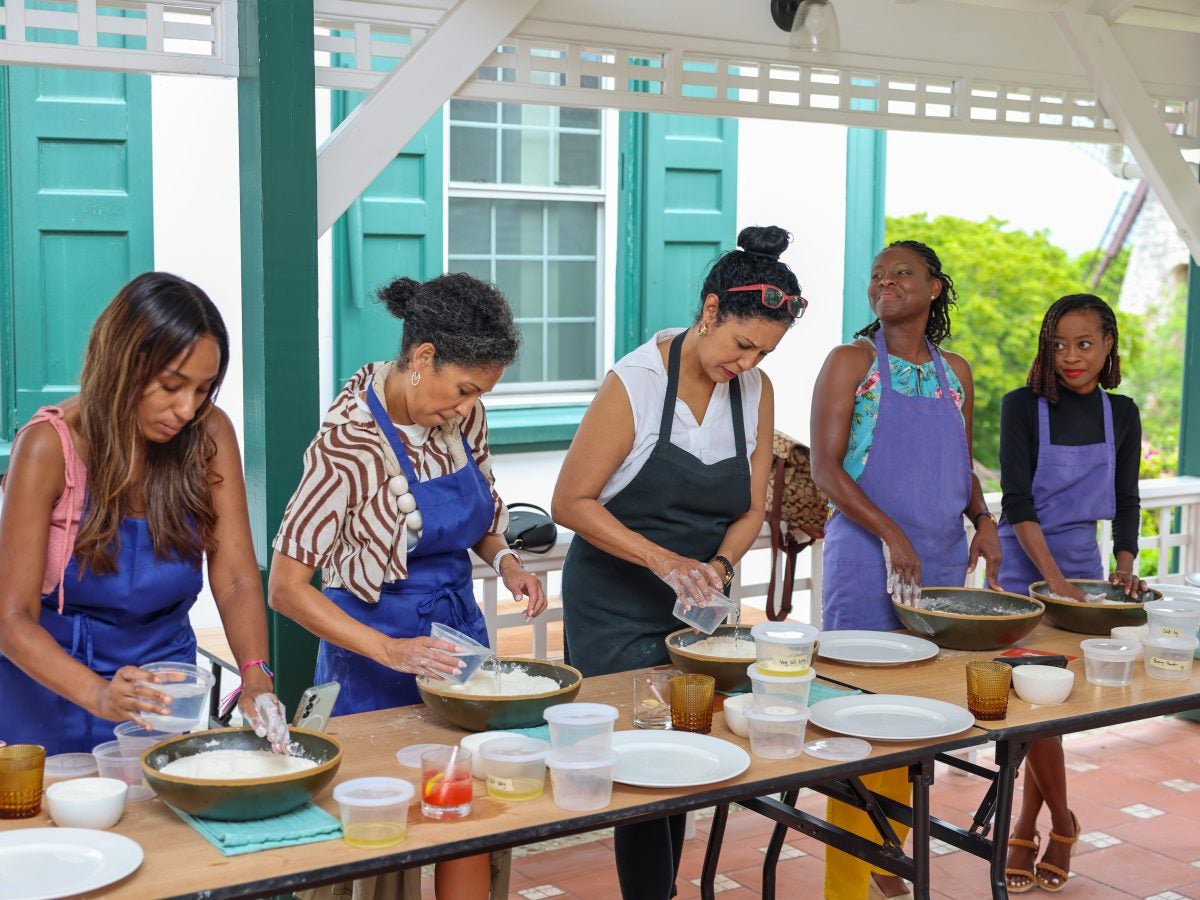

St. John’s, Antigua—On the grounds of the luxurious Weatherills Estate, a quiet kind of magic unfolded beneath the veranda’s shade. Flour-dusted hands and warm smiles guided an intimate roti-making class led by celebrated Guyanese chef, cookbook author and culinary storyteller Althea Brown. The animated session felt less like a demonstration and more like a homecoming.
Today’s travelers aren’t just looking to see a place—they want to taste it, touch it and experience it through food. Experiences like Brown’s class offer exactly that: a hands-on way to connect with local culture while learning about its history and flavors.
Food-focused travel is booming. The global culinary tourism market was valued at $11.5 billion in 2023 and is projected to grow to $40.5 billion by 2030, reflecting a growing desire for authentic, locally sourced flavors and interactive experiences. Brown’s roti class was a perfect example—immersive, firsthand and deeply rooted in Caribbean culture.
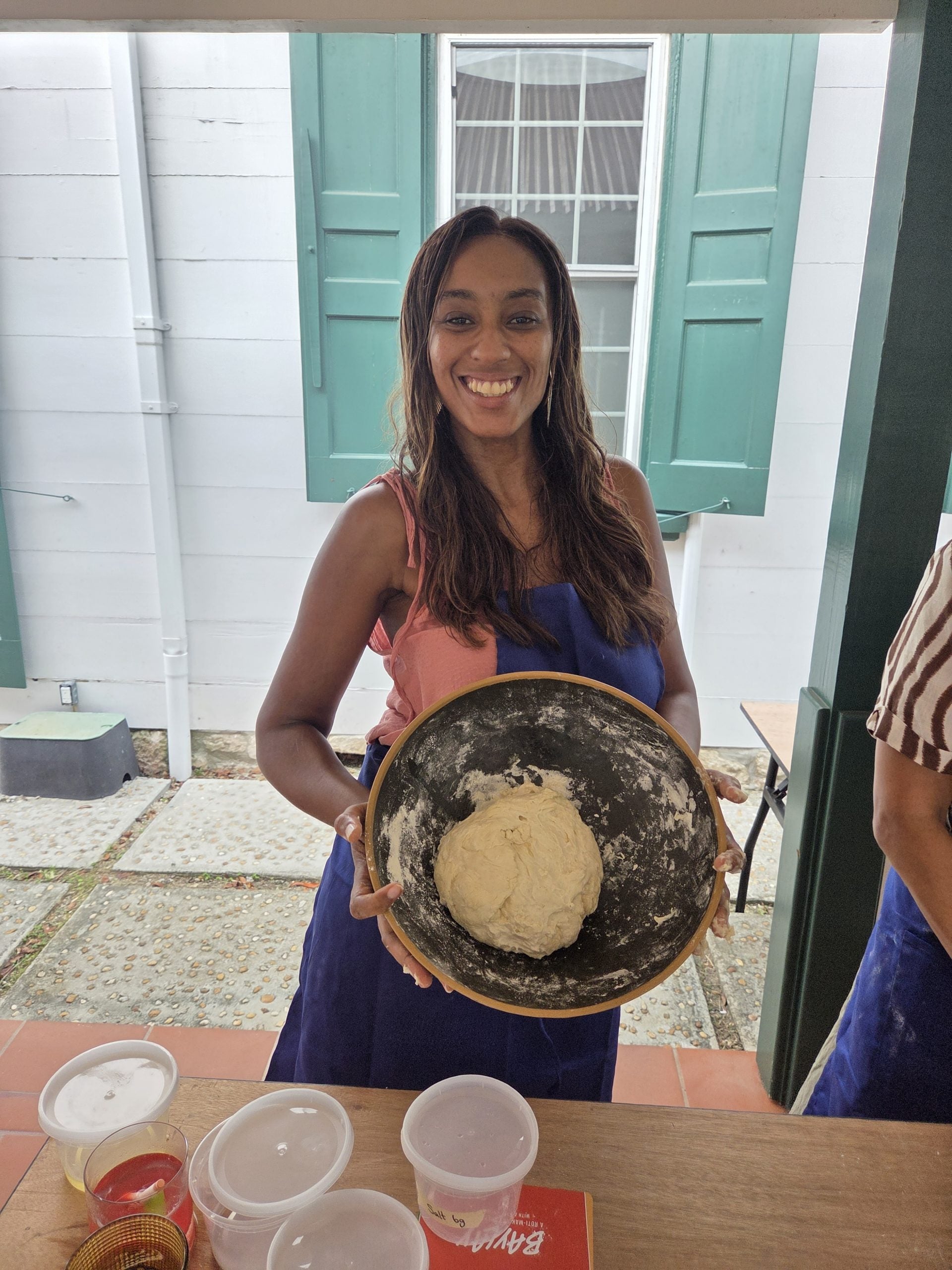
The experience was part of the inaugural Antigua and Barbuda Culinary Month, an exciting extension of the island’s culinary series which began in 2023. The monthlong celebration invites food lovers to discover local cuisine through immersive experiences like “Eat Like a Local” and an array of signature dining events. Visiting guest chefs of Caribbean heritage from Canada, the United States and the United Kingdom join forces with local chefs and restaurants, creating a unique platform to dive into the region’s rich culinary traditions.
Brown, a James Beard–nominated chef and author of Caribbean Paleo, guided participants through kneading and rolling dough until it was soft enough to transform into one of the Caribbean’s most beloved staples: roti. This tender flatbread is traditionally paired with curried meats or vegetables yet satisfying enough to be enjoyed on its own.
As she worked, Brown shared memories of her childhood in Guyana, recalling her mother making roti every morning without using measuring cups or utensils. “Everything was made from instinct and with love,” she said. She also spoke about the dish’s layered legacy: having been brought to the Caribbean by Indian indentured laborers in the 1800s, it has become one of the region’s most celebrated foods.
“Food is memory,” she tells ESSENCE. “Roti links many of us across the Caribbean, no matter where we’re from.”
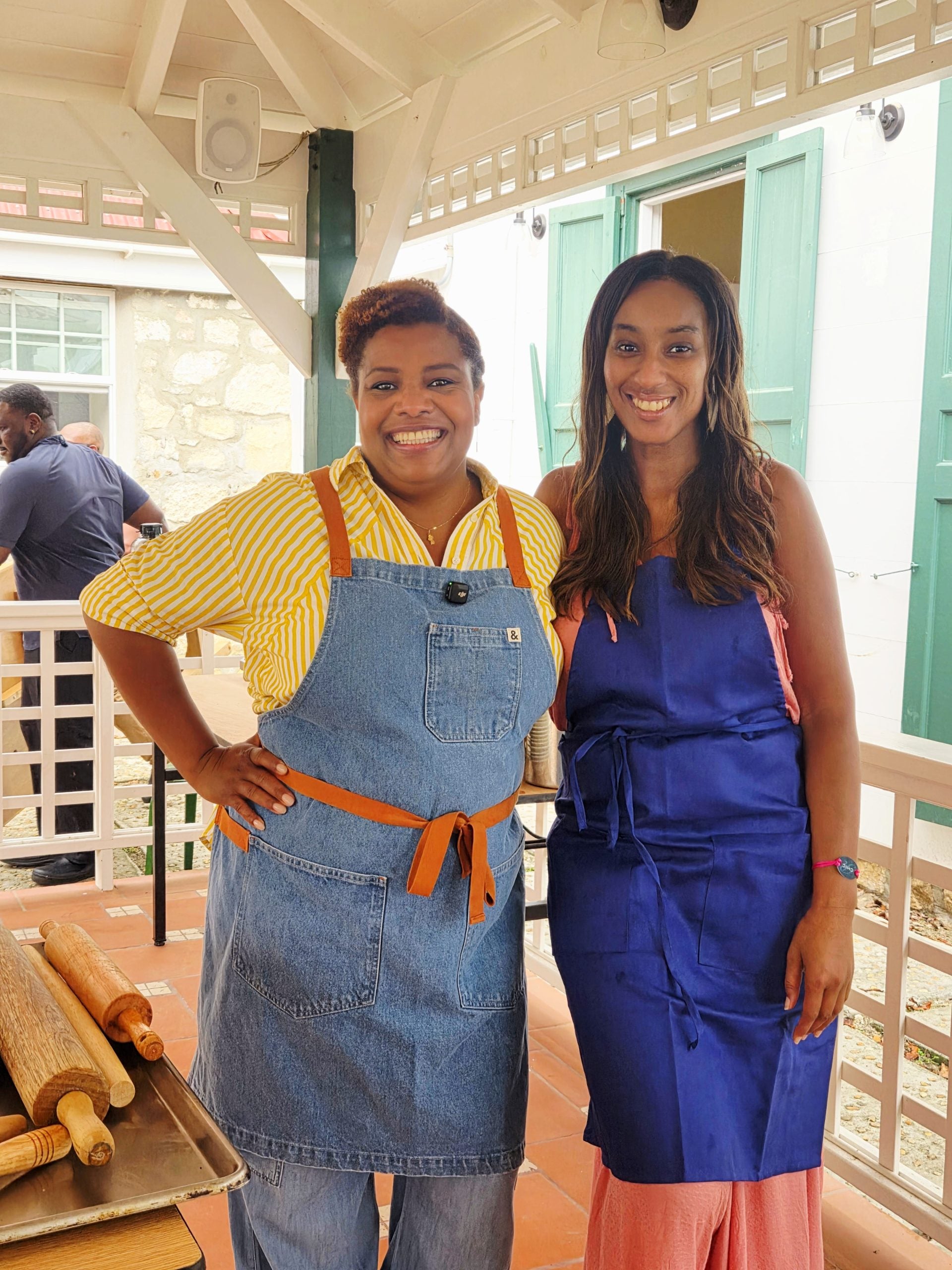
For me, the class was deeply personal. Growing up, I helped my paternal grandmother make roti in my Guyanese household where it was indeed essential, paired with curries, eaten as a snack and woven into the fabric of our family life. Though I hadn’t made it in years, I’ve always kept my grandmother’s handwritten recipe for the dish tucked safely in my kitchen. Guided by a chef who shared that same intimate connection, the experience felt full circle. It wasn’t just a cooking lesson, it was a return to memory, tradition and home.
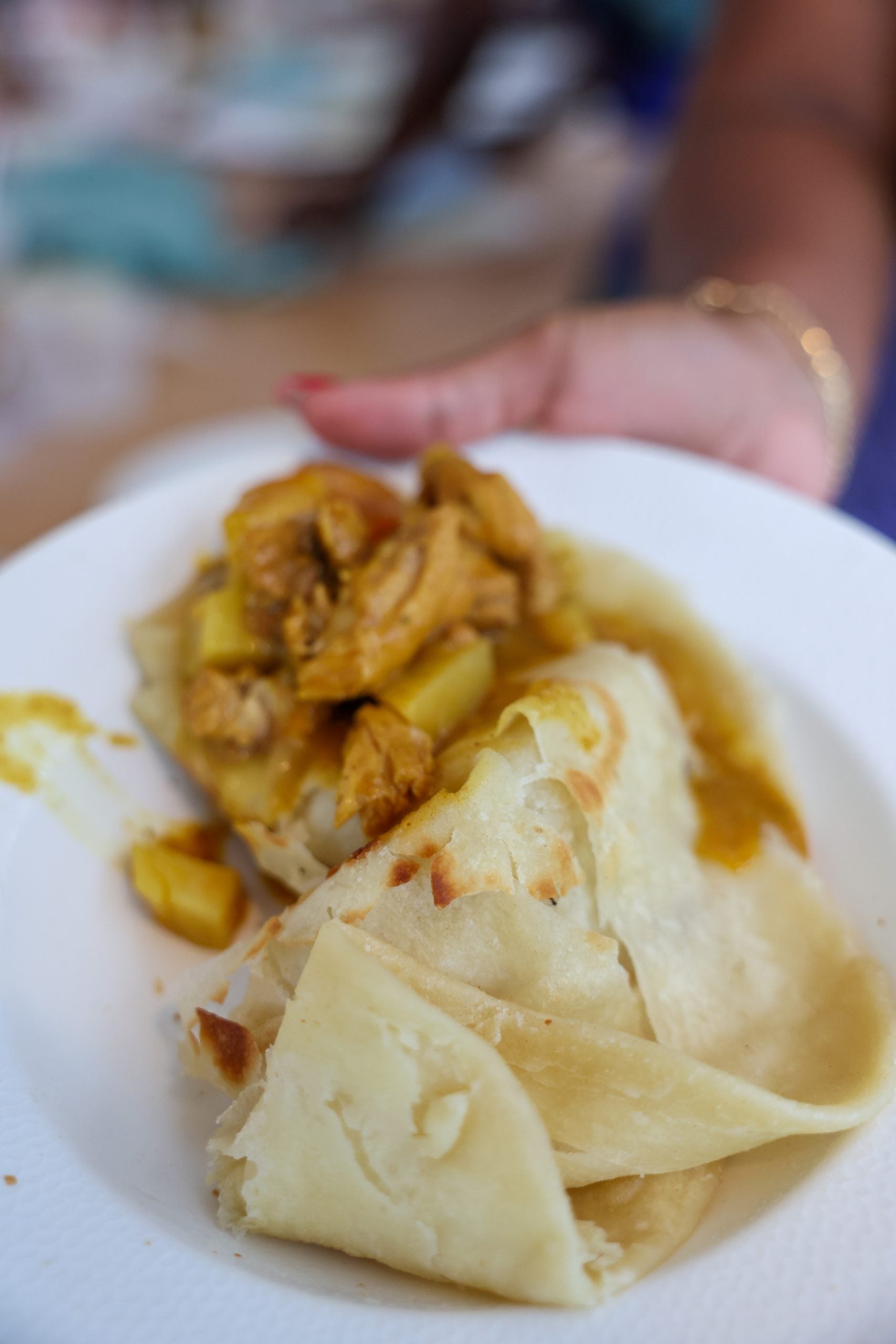
Our hands worked the dough, flour-dusted fingertips connecting with each fold, while Brown reflected on preserving culinary traditions. By the end, we’d each made four roti, cooked them on the tawa (a flat frying pan) and clapped them to release the soft, flaky layers—a conventional step in Guyanese roti-making. Curried chicken and curried channa (chickpeas) awaited, ready to be paired with our freshly made flatbreads.
Experiences like this offer more than just a recipe—they provide a deeper understanding of culture, history and ingredients. Being part of the roti-making process connects travelers to generations of Caribbean cooks and their stories, giving context and meaning to what might otherwise be just a meal.
For those mapping out a Caribbean itinerary, classes like Brown’s engage all the senses. They are immersive, tactile and flavorful, teaching not only recipes but also heritage. Plus, they offer the chance to meet others who share a curiosity and love for culinary experiences.
This went beyond just food—it was a piece of Caribbean custom, folded carefully between layers of dough. It reminded me why hands-on culinary experiences remain one of the most intimate ways to connect with a destination: they nourish the body, spark curiosity and feed the soul.