
El Petronio Álvarez Festival is the largest Afro-Latin music festival in the Spanish-speaking world. It’s a place where pañuelos (handkerchiefs) wave proudly, melanin flourishes in every shade, and the drums carry us back across the Atlantic to a distant past in West Africa. For a week, the festival doesn’t just celebrate music – it honors the resilience of culture, memory, and tradition. It unabashedly takes up space and breathes life into the heartbeat of Colombia’s Pacific region.
This year, I attended Petronio with my father, along with close to 800,000 other attendees, returning to his hometown of Cali, Colombia for the first time together in over two decades. For me, it was more than a trip; it was a homecoming. As an avid traveler, I’m the one racing through airports (I had already been to three countries in the two months prior to this trip), while my father hadn’t been on a plane in nearly a decade. My parents taught me everything I know – how to walk, how to speak, how to navigate through life. This time, I was the guide, the one leading him back through a journey he once made alone when he immigrated to the United States in the 80s.
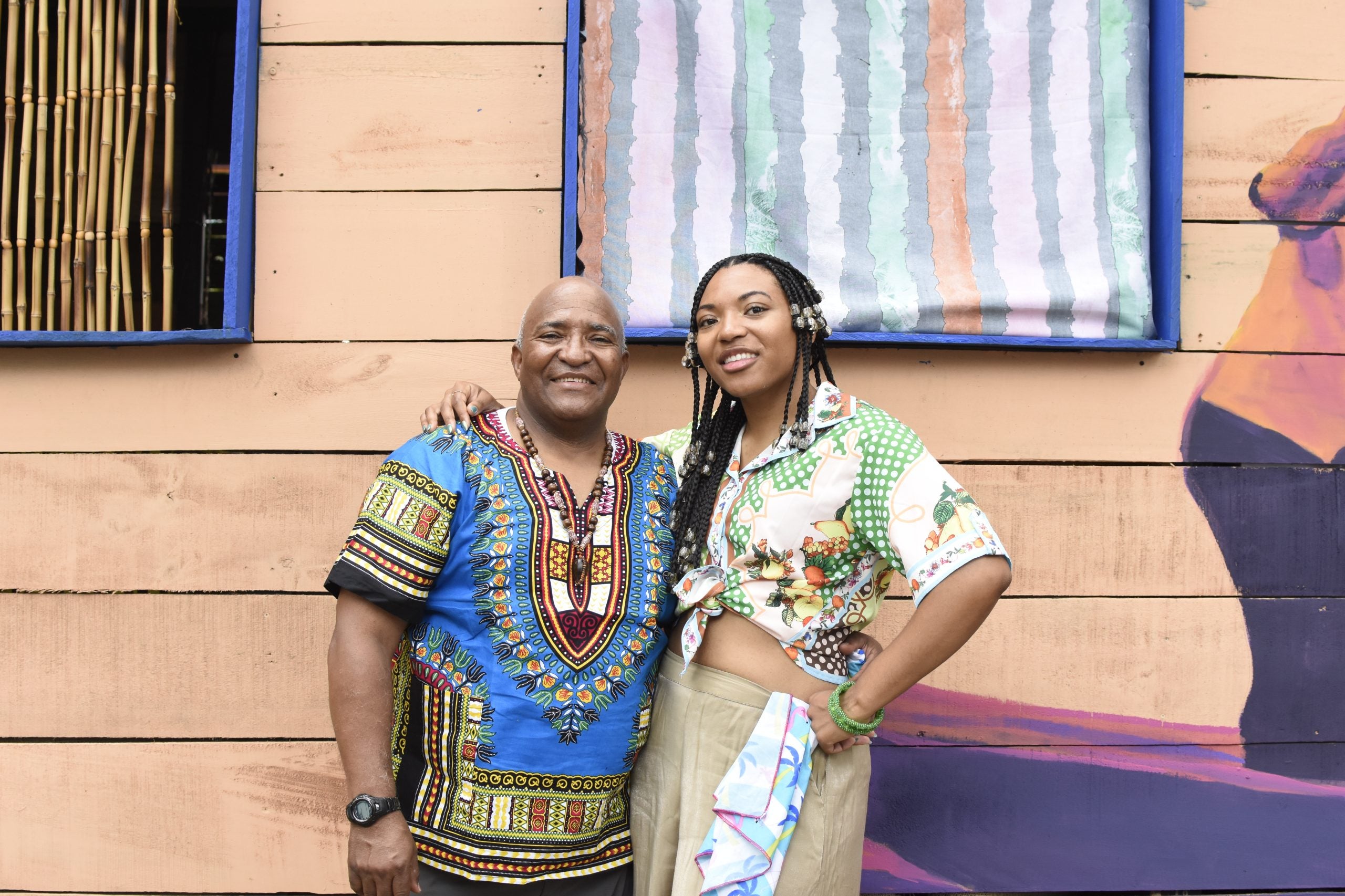
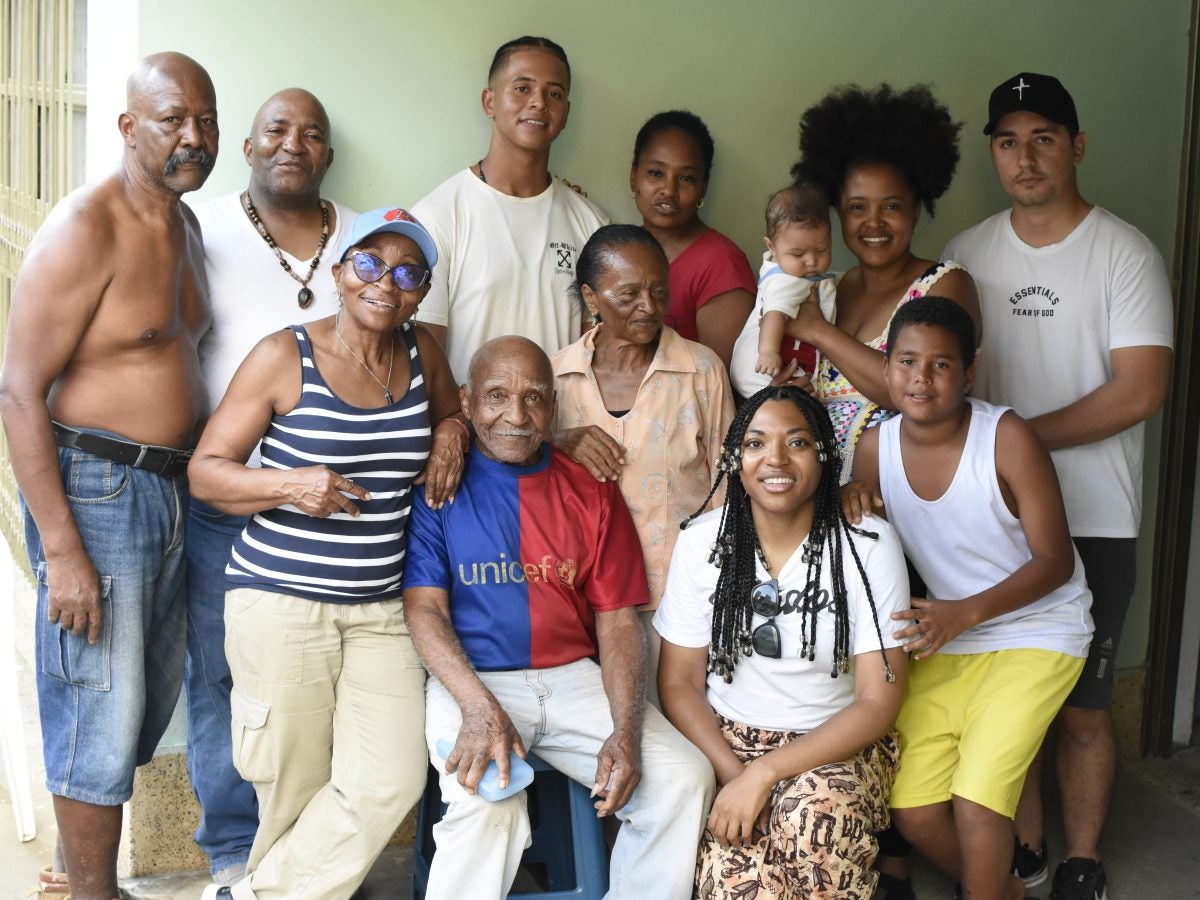
For my dad, the trip was a chance to reconnect with his siblings and his roots. What made it meaningful was that it wasn’t about fixing the house or mourning loss, it was simply about being together with the freedom to be a tourist in his own city: eat aborrajados (fried sweet plantain stuffed with cheese) at Viche Positivo and get massages at Corpo Bello. That joy, uncomplicated and present, felt like a rare gift after sixteen years of distance. For me, it was a blessing to give something meaningful to the man who worked tirelessly so that I could afford the dream life I now live. He came to California with grit and determination, raising my brother and me alongside my mom often without much time or energy for individual joy. I, by contrast, have built a life centered on joy: on saying yes to travel, food, concerts, and living out my heart’s desires. This trip gave us a rare chance to experience that joy together. To laugh until we cry, pañuelo in hand, leaping in rhythm to the music.
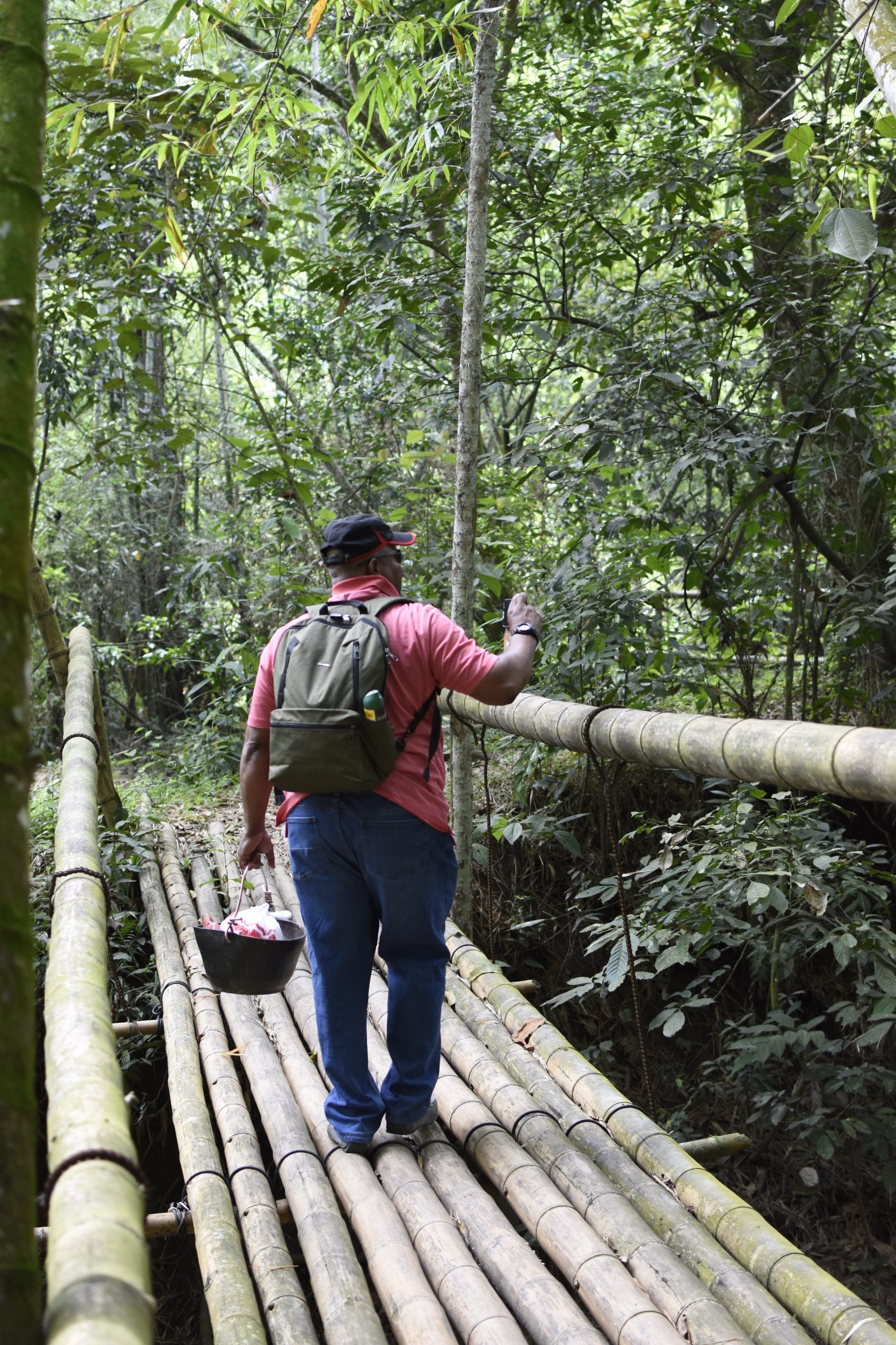
Walking through Cali and Santander de Quilichao (a rural area where mis abuelos met) with my father was like stepping back into his origin story. He showed me the soccer fields where he once played, and I met the coaches who shaped him. On the farm where he picked coffee, he built the stamina that carried him to a Bronze medal in Colombia’s 1980 Olympics National Championships, and later to the Bay Area, where he coached U.S. women’s soccer legends: Julie Foudy, Mary Harvey, and U.S. National Team member Margaret “Tucka” Healy. For him, climbing trees, hauling fruit, and running up and down hills from abuelo’s farm into town was his gym. That work ethic, forged in the countryside, eventually carved a path that allowed me to grow up in Silicon Valley.
The contrast between our paths was sharp. For him, opportunities were limited; in the 1980s, Cali was also unstable, plagued by the rise of drug cartels. For me, life was completely different: I grew up in the Bay Area suburbs at the height of the tech boom. My entry into corporate led me to the Facebook Menlo Park campus, formerly the RayChem building that my dad once cleaned as a janitor. While in tech, I’ve often been the only Black or Latina in many rooms. This has motivated me to amplify creators of color to encourage more representation in media. It comes from repeatedly being asked why my family spoke Spanish and was Black, realizing the lack of representation of the Black Colombian experience led many people to believe our community doesn’t exist. El Petronio Festival itself symbolizes what has become possible over time. A quarter of a million people gathered safely, something that could never have happened when my father was my age, due to the conflict.
At Petronio, that resilience of Africa is alive and well, carried not only through the drums but through the dance. Take the “fuga,” for instance, a dance whose name points to fugitives. Its circling movements once provided cover for enslaved people to slip away undetected, fleeing into palenques (the free Black towns). Today, when crowds dance the fuga at Petronio, they are reenacting that legacy of survival. The circle becomes both shield and stage, a reminder that joy itself can be an act of defiance and preservation.
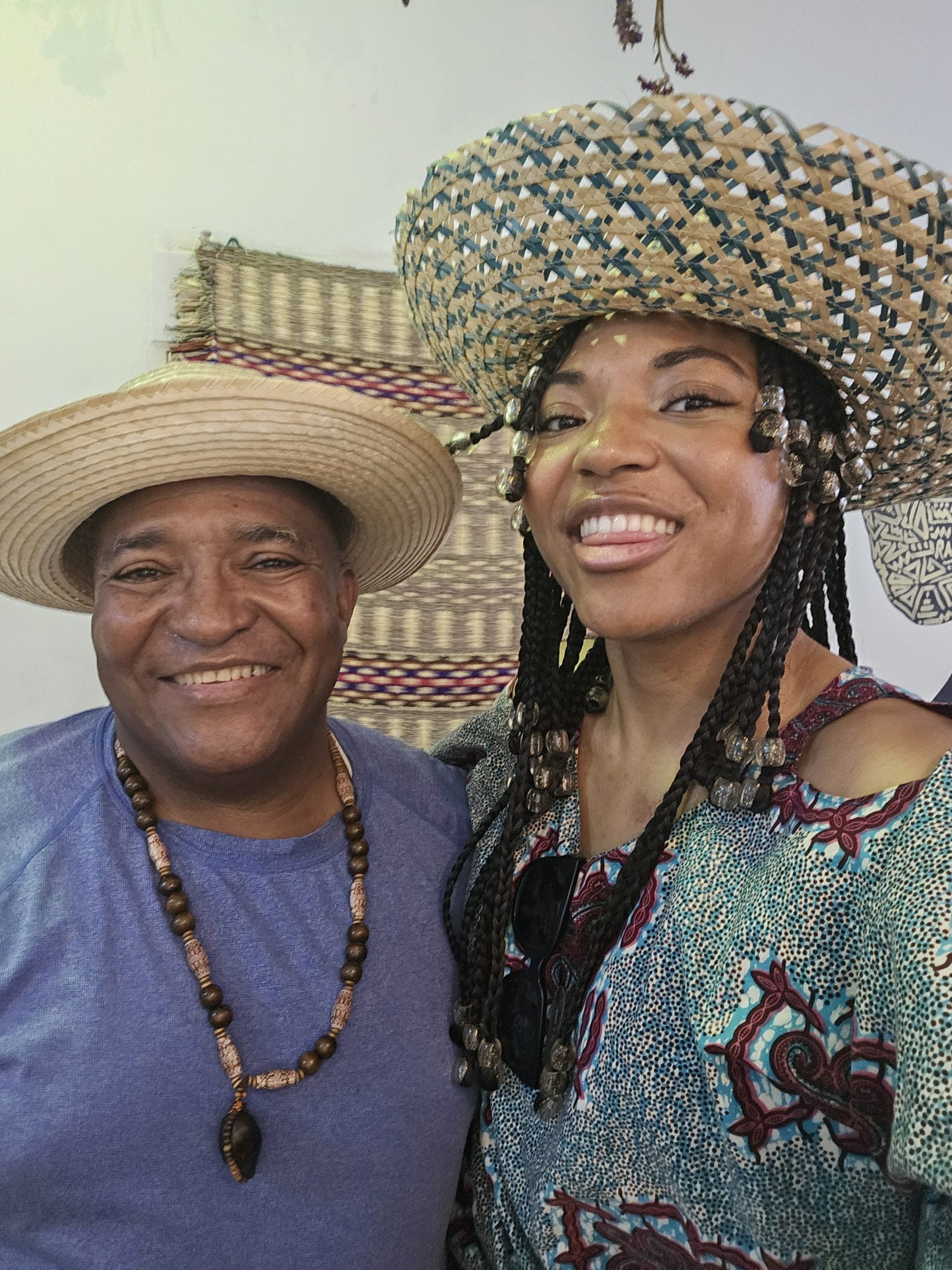
The celebration at the festival echoed what I was experiencing in my own family – the individual joy, resilience, and the healing that comes when we finally allow ourselves to be present together. Within the embrace of my father’s older sister, Tía Betty, we both felt a deep healing after so many years apart. At some level, we are all just children stumbling through life for the first time, carrying our families’ sacrifices while learning to let go. To see my dad laugh, dance, and celebrate, after many decades of working without much space for fun, was its own kind of homecoming, a chance to enjoy home. For me, the festival was more than music; it was a reminder of resilience. I now have the privilege to pour back into the communities that shaped me.
Travel with your parents. Share experiences that bring joy. These moments are gifts, not just for them, but for you, too. It’s a blessing for treat yourself culture to evolve into treat the fam.