

March 7 marks 58 years to the date of “Bloody Sunday,” a watershed moment in the Civil Rights Movement. Typically, we hear about civil rights icon and future congressman John Lewis and how he led marchers in Selma, AL across the Edmund Pettus Bridge. Lewis endured violent and brutal attacks by state troopers, which “galvanized the fight against racial injustice.”
On that fateful day, there were about 600 protestors who joined Lewis and were also subject to state violence, and many of them were Black women whose stories are far too often overlooked.
This Women’s History Month, ESSENCE is honoring seven of these unsung heroes for their invaluable contributions to the movement that changed the course of history.
During the march, Alabama state troopers callously beat Robinson, one of the leading organizers of the Selma march. A black-and-white photograph of the aftermath depicting a weakened Robinson moments after being attacked and gassed “drew national attention to the cause.”
Per the National Museum of African American History and Culture, Robinson worked directly with the Southern Christian Leadership Conference (SCLC) and Rev. Dr. Martin Luther King Jr. and had a longstanding “history of activism, co-founding the Dallas County Voters League in 1933, and held African American voter registration drives in Selma from the 1930s to the 1950s.”
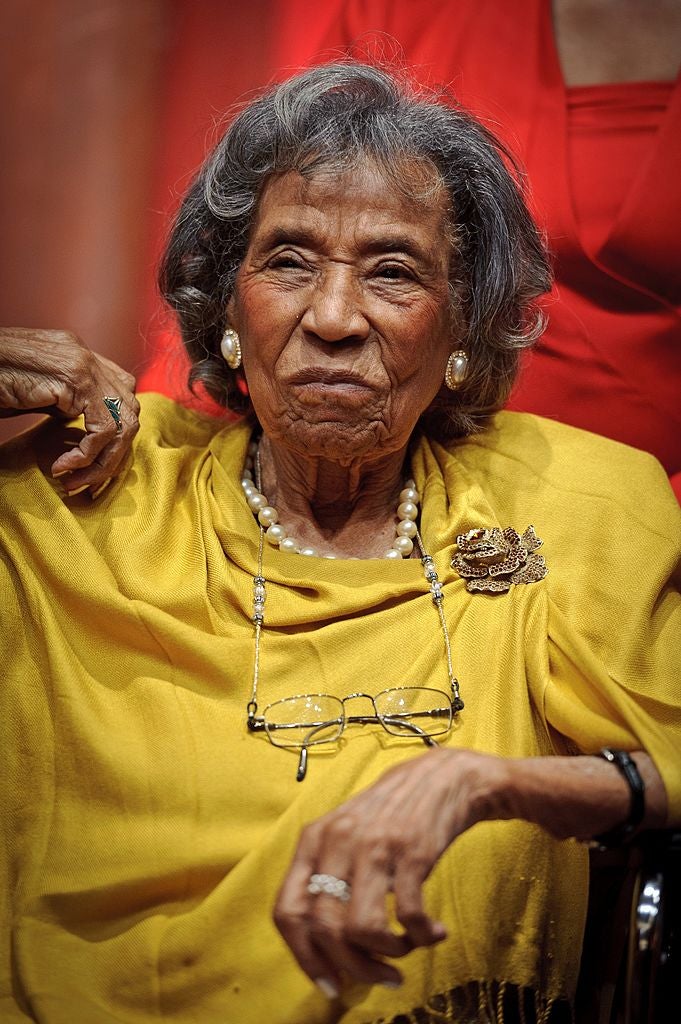
Like Robinson, Foster was on the front lines of the march. Preceding the march, Foster had attempted to register to vote on seven different occasions, before she succeeded on her eighth attempt, becoming one of the very few Black registered voters in her community. In fact, “[s]he used her experience to teach classes on how her fellow Black Alabamans could pass the ‘tests’ used to prevent Black Americans from registering.”
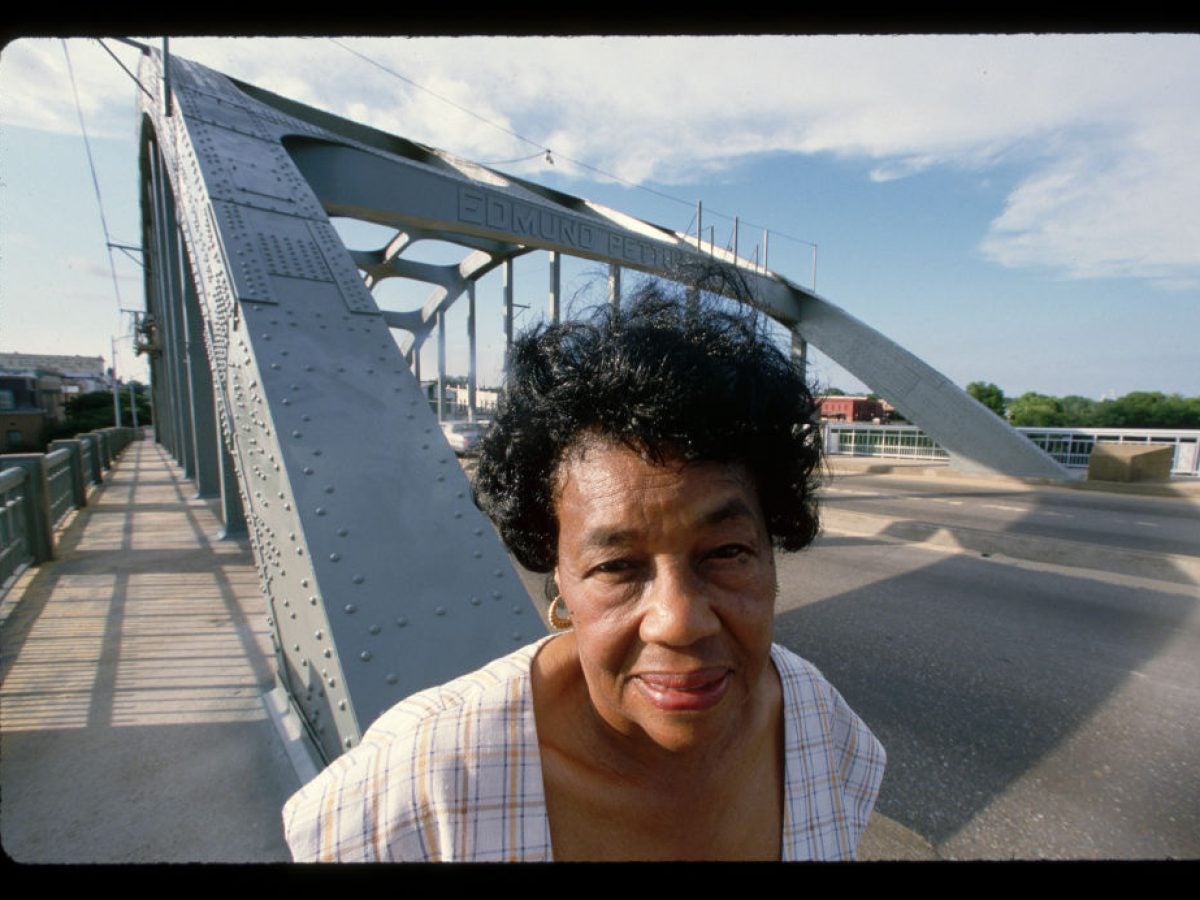
This co-founder of the Student Nonviolent Coordinating Committee (SNCC) was also “one of the architects behind the Selma voting rights campaign.”
Nash initially conceived the idea for Selma marches after the 16th Street Baptist Church bombing, but her ideas “were initially dismissed,” and after continuing to fight for this approach, she gained Dr. King and other SCLC leader’s support.
In 1965, the SCLC awarded Nash their Rosa Parks Award for her work in developing the Selma voting rights campaign.
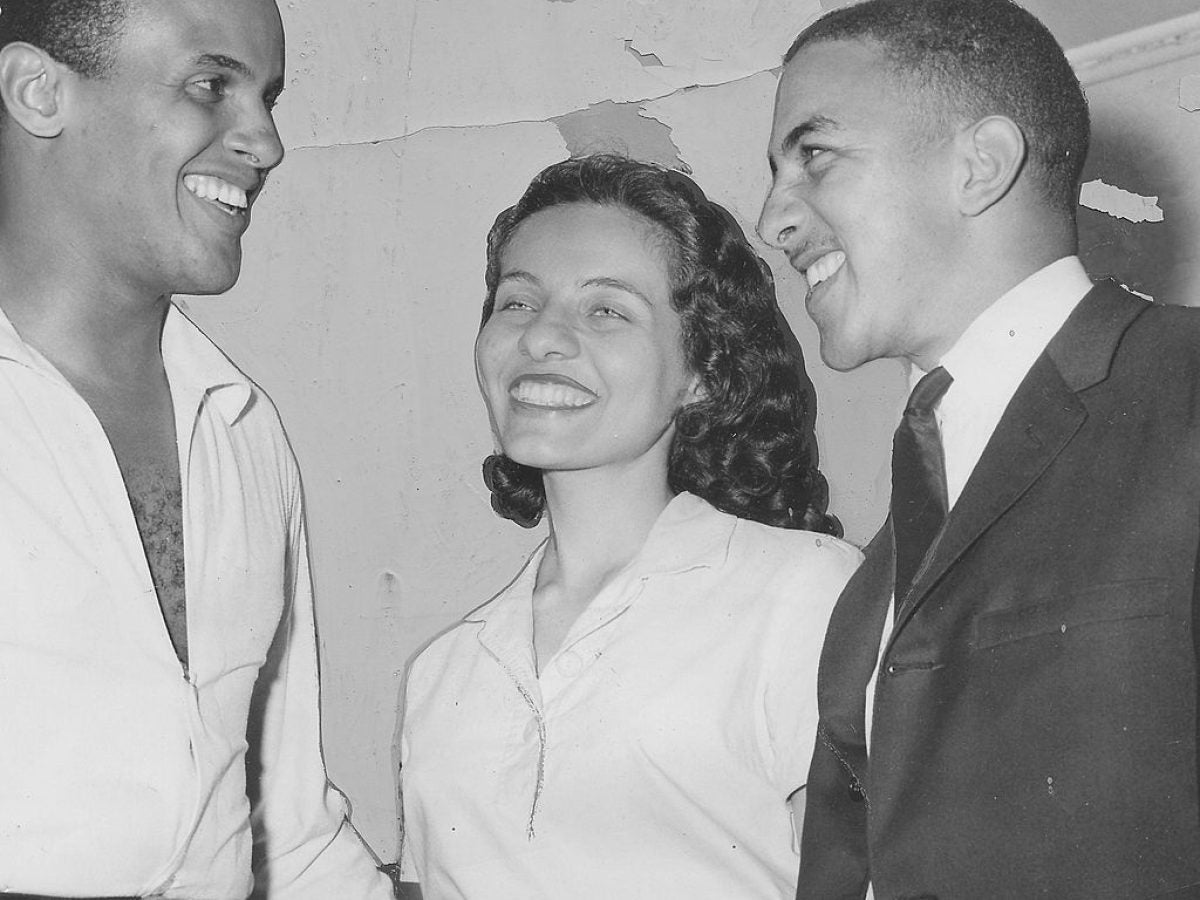
Annie Cooper was involved with the Dallas County Voters League alongside Robinson and Foster, and even lost her job after “[h]er employer saw her at” Freedom Day, an event dedicated to registering Black voters, “and fired her within days. Soon, Cooper was blacklisted by white businesses in Selma, making it nearly impossible for her to find work.” But Cooper did not allow these obstacles to intimidate her or deter her from participating in the Selma march.
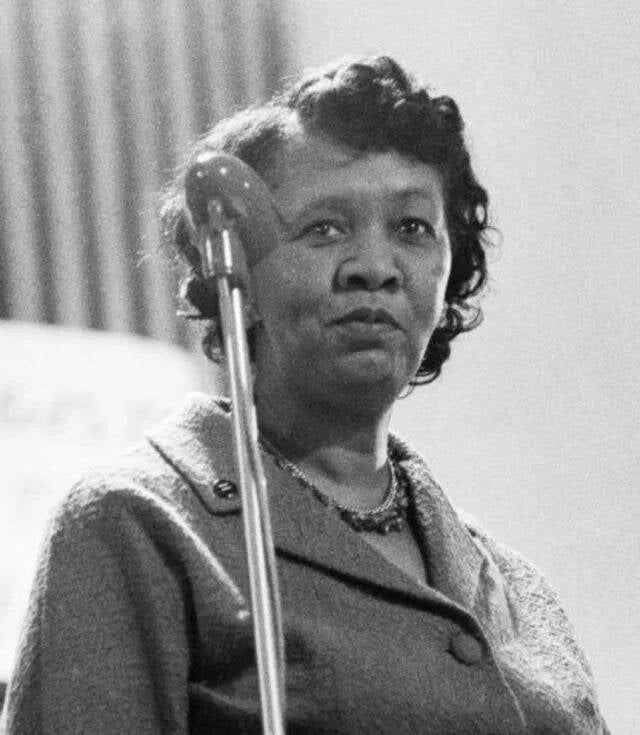
At 9-years old, Webb-Christburg was the youngest known participant on that Bloody Sunday. After a chance meeting with King, she began “sneaking out, skipping school, spending hours at the church for” civil rights meetings, stating that spending time with these legends “awakened something in her…‘I gained some courage because I was around courageous people.’” Despite being discouraged to participate, Webb-Christburg tearfully pleaded to join, and the adults relented.
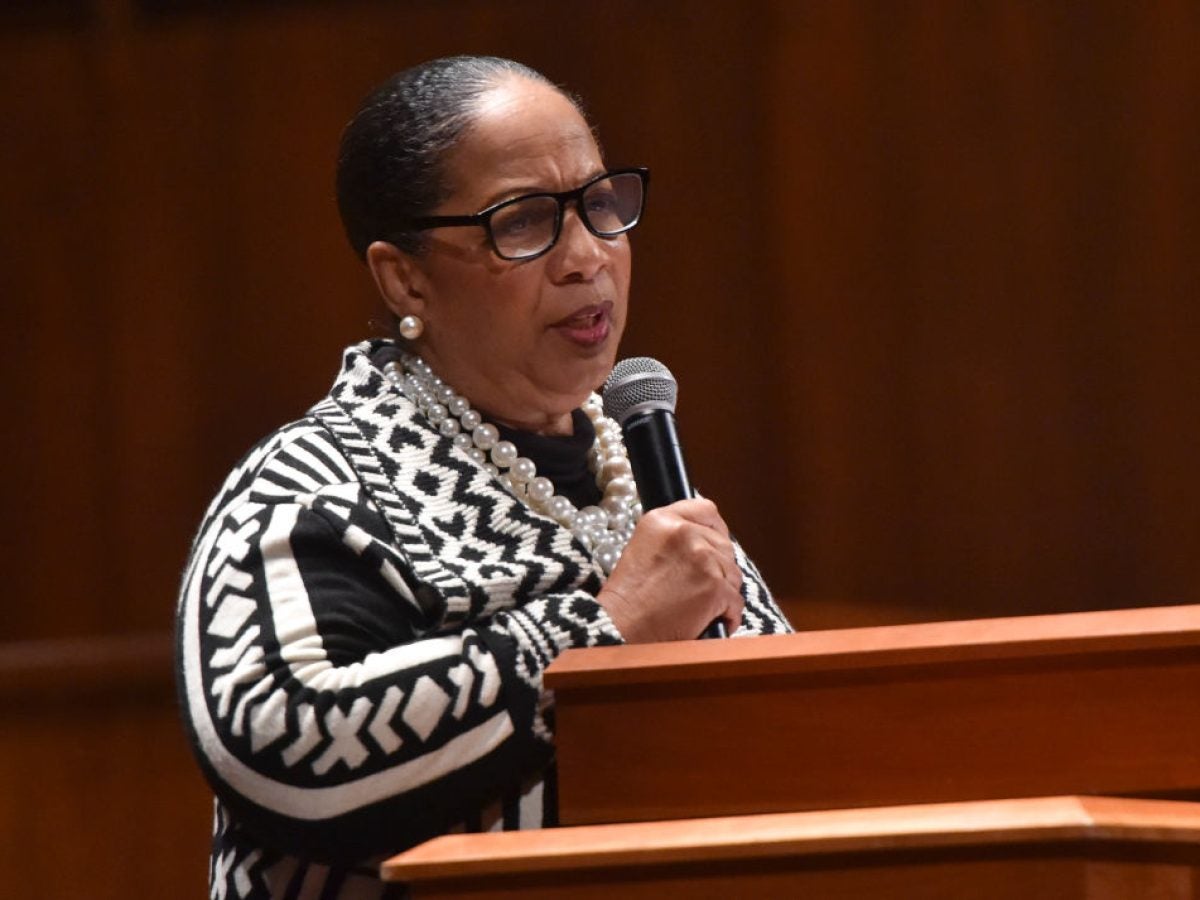
Barnes’ asthma may have forced her “to turn back before the violence began” that Bloody Sunday, but it did not stop her from aiding the movement. Once the violence began, Barnes sprung to action and began providing refuge and shelter within her housing project to assist those seeking a safe haven and escape from assault by lawmen brandishing billy clubs, tear gas, horses, and dogs.
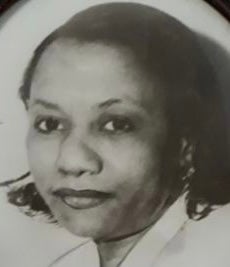
On February 18, 1965, Jackson (pictured on the left, below) was assaulted by police during a peaceful protest.
When her 26-year-old son Jimmie Lee Jackson jumped in to protect her, he was gunned down by a state trooper, resulting in his death, which spurred activists to plan what would end up being known as the “Bloody Sunday march, designating its endpoint outside of Governor Wallace’s office.”
It is not known for sure if Jackson was there that day, but many historians consider her to be one of “the first victims of Bloody Sunday.”
