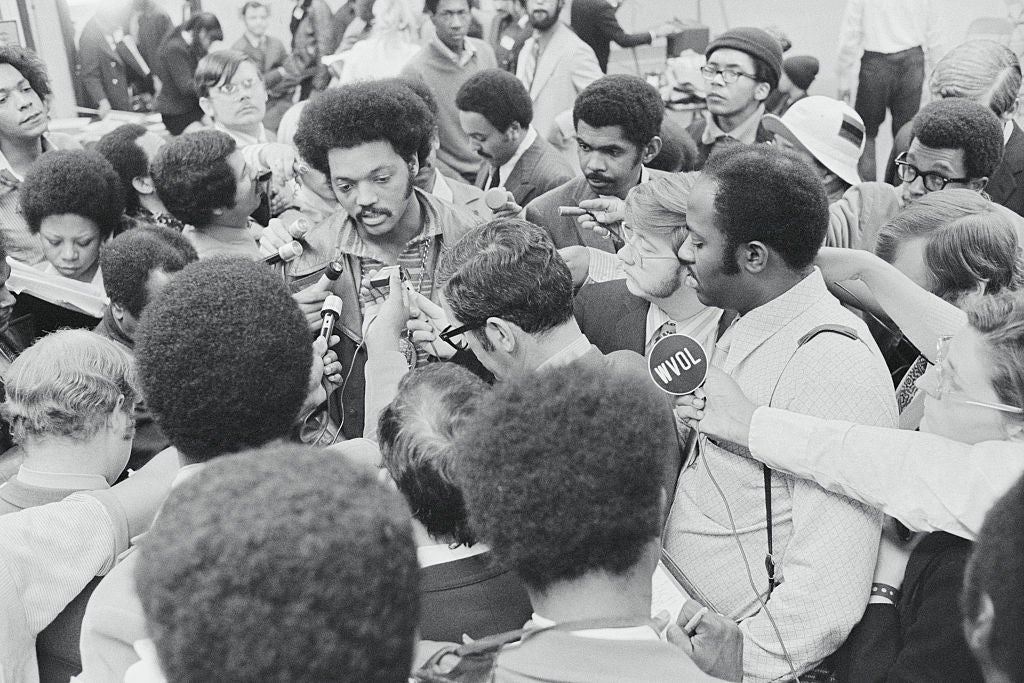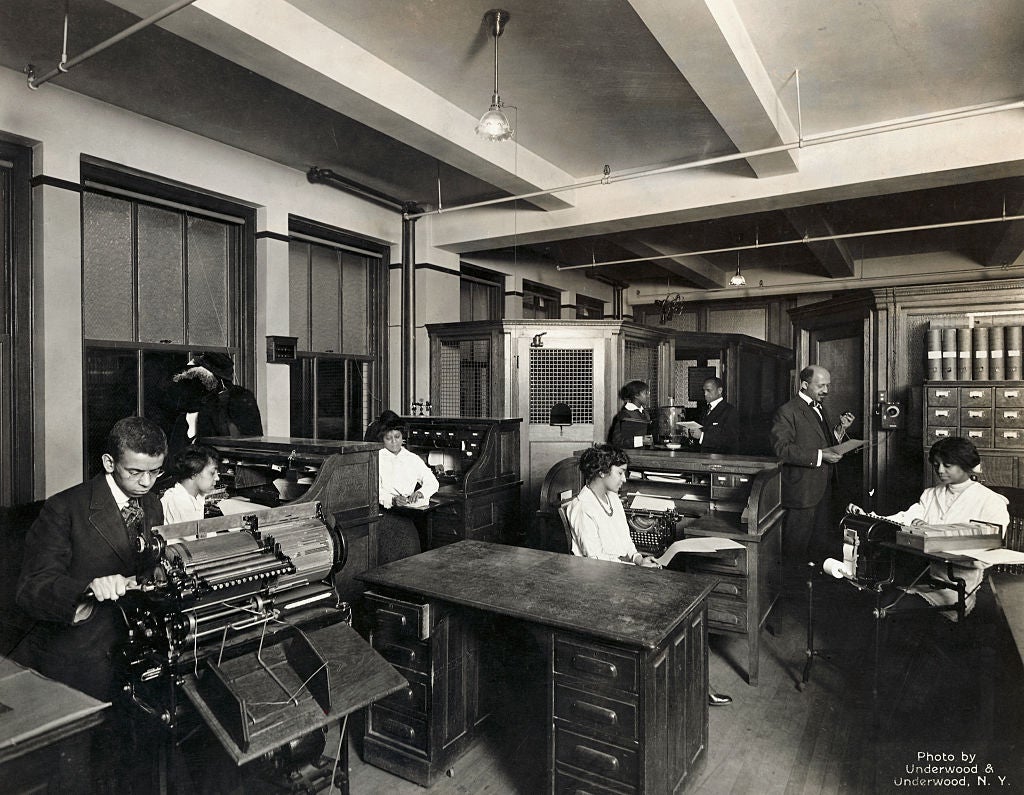

For nearly 200 years, Black publishers, writers, photographers and editors have been at the forefront of telling stories about the Black experience. Their critical work of documenting our history and speaking truth to power on issues of injustice often forced change because it made others pay attention to what was impacting Black communities.
Throughout its history, the Black press has aimed to unite, educate, inspire, and uplift the Black community. Historically, the advocacy of Black publications has laid the groundwork for landmark legislation on issues such as voting rights, desegregation, and the civil rights movement. Today, Black publications remain an essential voice of advocacy and empowerment for Black communities.
On March 16th each year, “Black Press Day” recognizes the tireless work of these publications and commemorates the date in 1827 when the first issue of a Black-owned and operated newspaper was published. Learn more about the history and impact of the Black press.
The first issue of Freedom’s Journal hit the streets of New York City in 1827. The newspaper is regarded as the first in the United States to be owned and operated by African Americans. “We wish to plead our own cause,” its editors declared. “For far too long, others have spoken for us.”
The Freedom’s Journal provided information on current events affecting the Black community nationally and internationally, condemning slavery, lynching, and other injustices. There were biographies of significant Black Americans in the publication. Also, it was the first publication to record Black marriages, births, and deaths.
There were 40 Black newspapers in print by the time of the Civil War. During the 1920s and 1930s, when major newspapers ignored Black realities, the Black press stepped up and then some. Jobs in companies that did not discriminate were advertised in Black-owned publications. Sports, politics and financial news were all considered from the perspective of Black readers in the papers.
Today, over 200 Black-owned newspapers and many other Black-owned media companies exist.
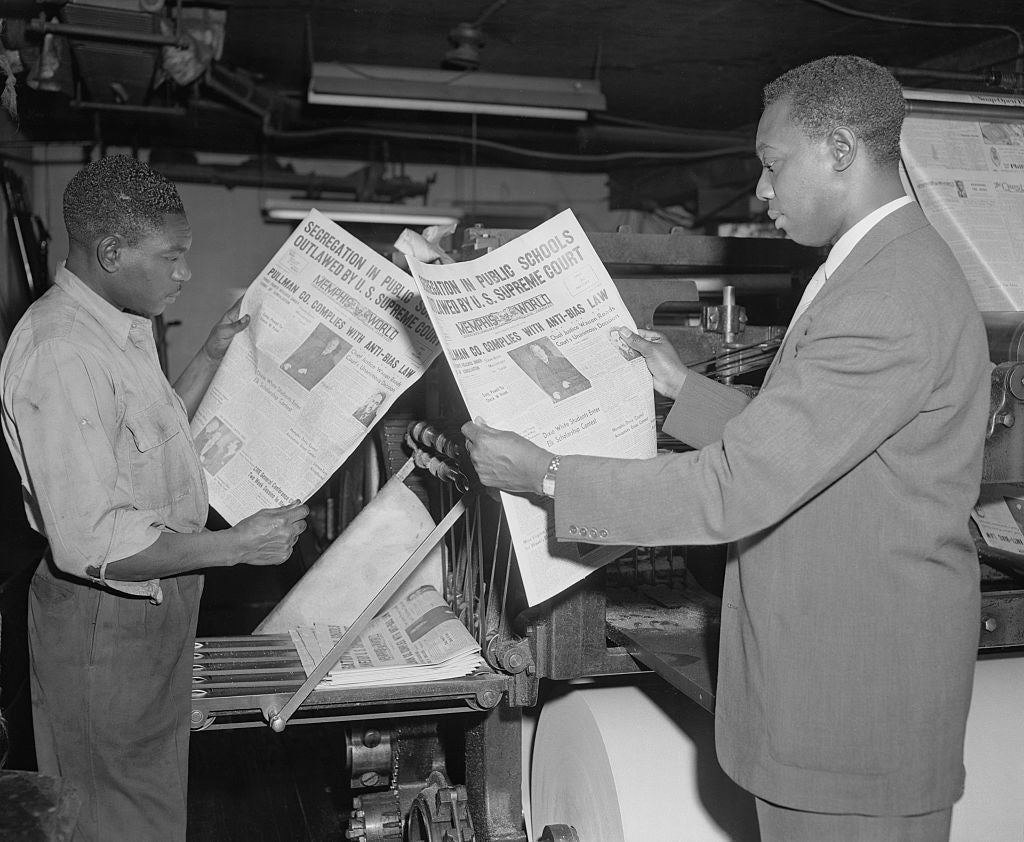
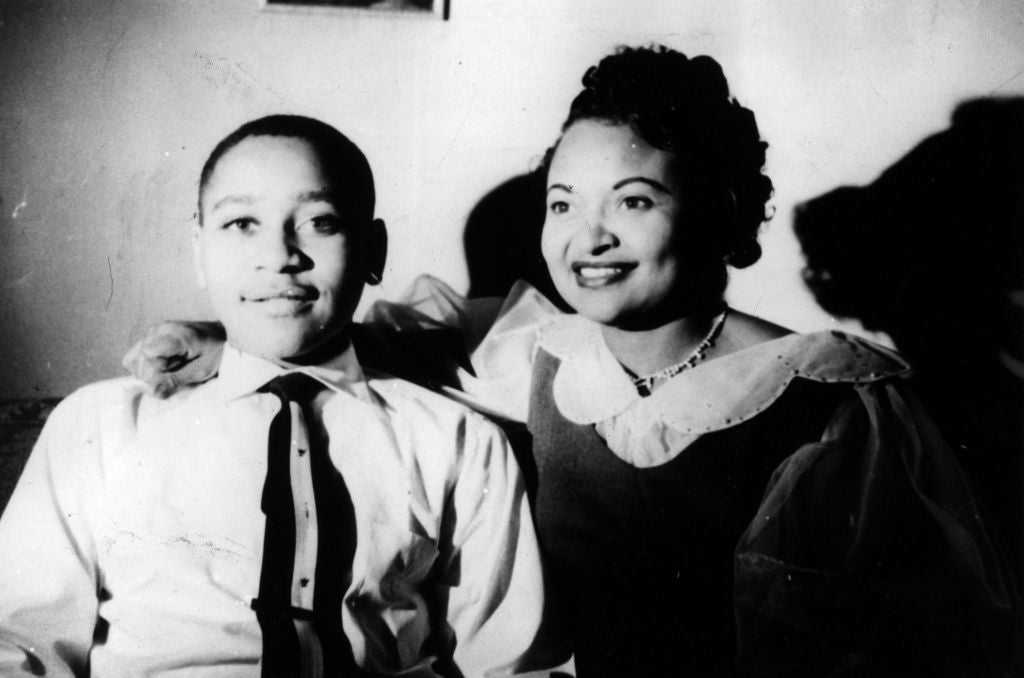
The Black press brought attention to racial segregation and racial violence and how it impacted Black life. It also provided great context, chronicling, for example, the Great Migration of southern Blacks to northern cities and regularly gave readers insight on things like jobs where they wouldn’t face discrimination. In 1955, the murder of 14-year-old Emmett Till brought major attention to the racial violence and injustice prevalent in Mississippi.
Black journalists Moses Newson and Simeon Booker covered the murder of Till for the Tri-State Defender and JET, respectively, along with photographer David Jackson. Their coverage was instrumental in helping to find some key witnesses during the trial. David Jackson took the now-famous image of Till in his coffin.
The stories told by these Black journalists laid bare the realities of injustice Black people faced across America and heightened the mobilization of Black people as a collective, notably the creation of associations in defense of civil rights. The coverage of news and views in the Black press provide substantial evidence that this mobilization ignited the civil rights movement of the mid-1950s, according to The Library Of Congress.
Before the Civil War, the Black press advocated for abolition. It advocated for emancipation following the war and helped to revitalize Black neighborhoods. Readers of Black publications were also warned of dangers such as lynchings and other inhumane treatment of Black people.
Black journalists and publications have long been on the frontlines of advocacy and truth-telling. When mainstream publications ignored us, we created our own, which became crucial to how we not only survived but thrived as a community. Today, Black-owned media outlets continue to be not only sources of pride, but they provide the needed balance of reporting on our struggles and our many triumphs.