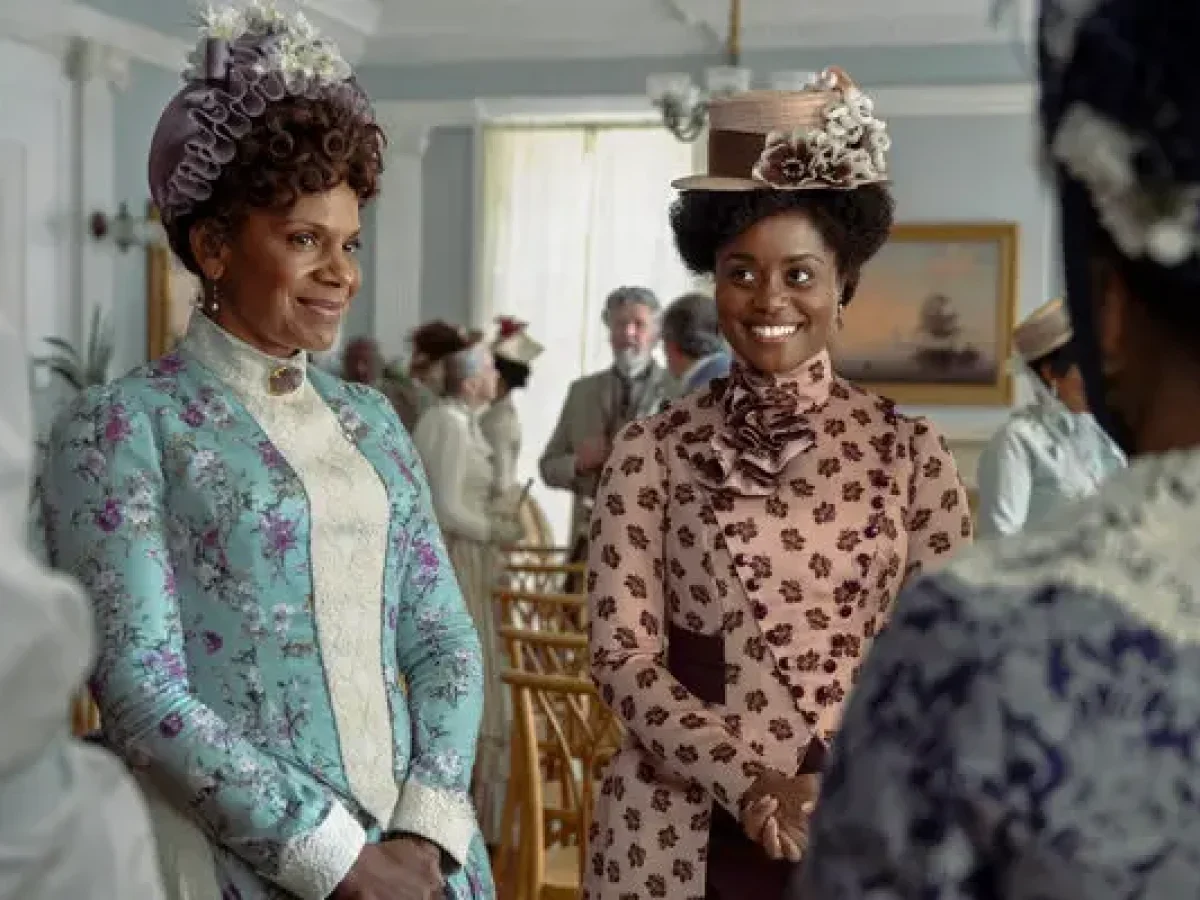

The Gilded Age television series has been a hit since its premiere on January 24, 2022. With its sophisticated costume and set designs, depictions of historical figures, and lavish portrayals of wealthy New Yorkers during the “Gilded Age,” the series has captivated viewers worldwide. One of the most fascinating elements of the show is its portrayal of elite Blacks during the 19th century, the very nuanced storytelling, and the creative direction. However, Black audiences have long been craving more movies that tell hidden histories and showcase narratives that give a glimpse into different time periods, and depictions that shatter caricatures and stereotypes.
Much like Shonda Rhimes’ Queen Charlotte, The Gilded Age has the much-needed audacity to give us characters that transcend the typical depictions of Black life onscreen today that are so readily forced upon the masses. As someone who grew up in the South with parents who were avid readers, I’m always amazed at how little this current generation knows about the lives of Black and brown people outside of the context of slavery. So, it’s not surprising that when people watch shows like Sanditon, Sense and Sensibility, Queen Charlotte, Bridgerton, Harlots, and the like, many are intrigued by seeing extremely evolved, well-read, and affluent Blacks. And, it’s very telling that there is still much more work to be done, and the characters such as Peggy Scott, Arthur Scott, Dorothy Scott, Dr. William Kirkland, Mrs. Elizabeth Kirkland, and Pastor Frederick Kirkland are indicative of the real lives of some Black people in the 19th and early 20th centuries.
The Season 3 finale of The Gilded Age had 5 million views, according to Variety, and the show has definitely left viewers desiring more. For those yearning to research and read more about the colorful historical figures in The Gilded Age, institutions like The Schomburg Center for Research in Black Culture and the National Museum of African American History and Culture (NMAAHC) are great resources for digging deeper and discovering uncommon historical narratives and studying archives.
Below are a few of the best books for fans of The Gilded Age television series that showcase Black wealth and power during the Gilded Age, and beyond.
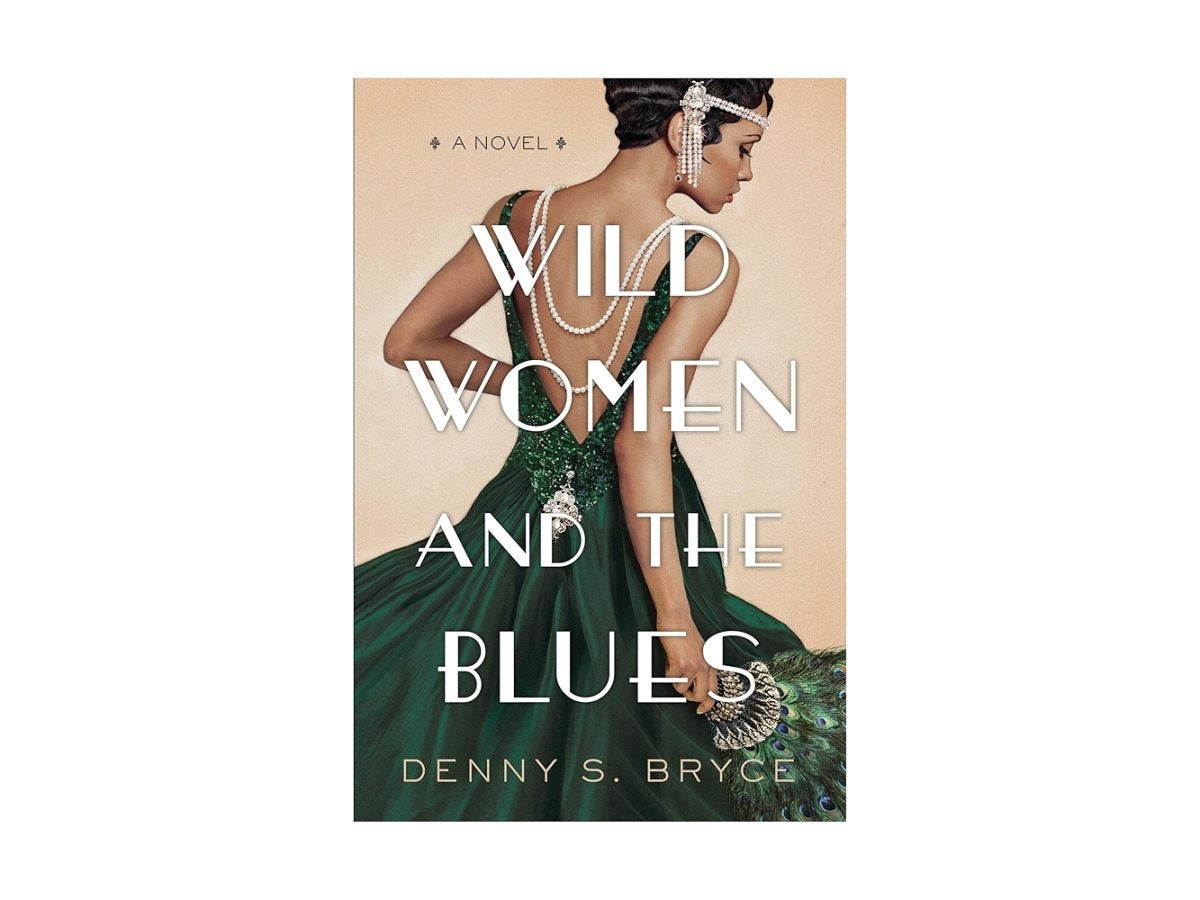
For those who love historical fiction with an intergenerational twist, this book centers on Honoree, a 1920s Chicago chorus girl, and a modern-day film student, Sawyer, who is investigating Honoree’s past. While this book does not necessarily center on the period of the Gilded Age, it does provide an all-encompassing glimpse into the nightlife of Chicago jazz, speakeasies, and the lives of showgirls in the early 20th century. The characters are vivid, and the commitment to capturing this fantastic moment in time, Wild Women and the Blues, makes for a perfect escape to step into the Jazz Age and the experiences of women during this time period in the jazz world. This book is an excellent read for lovers of books like Harlem Rhapsody and Home to Harlem.
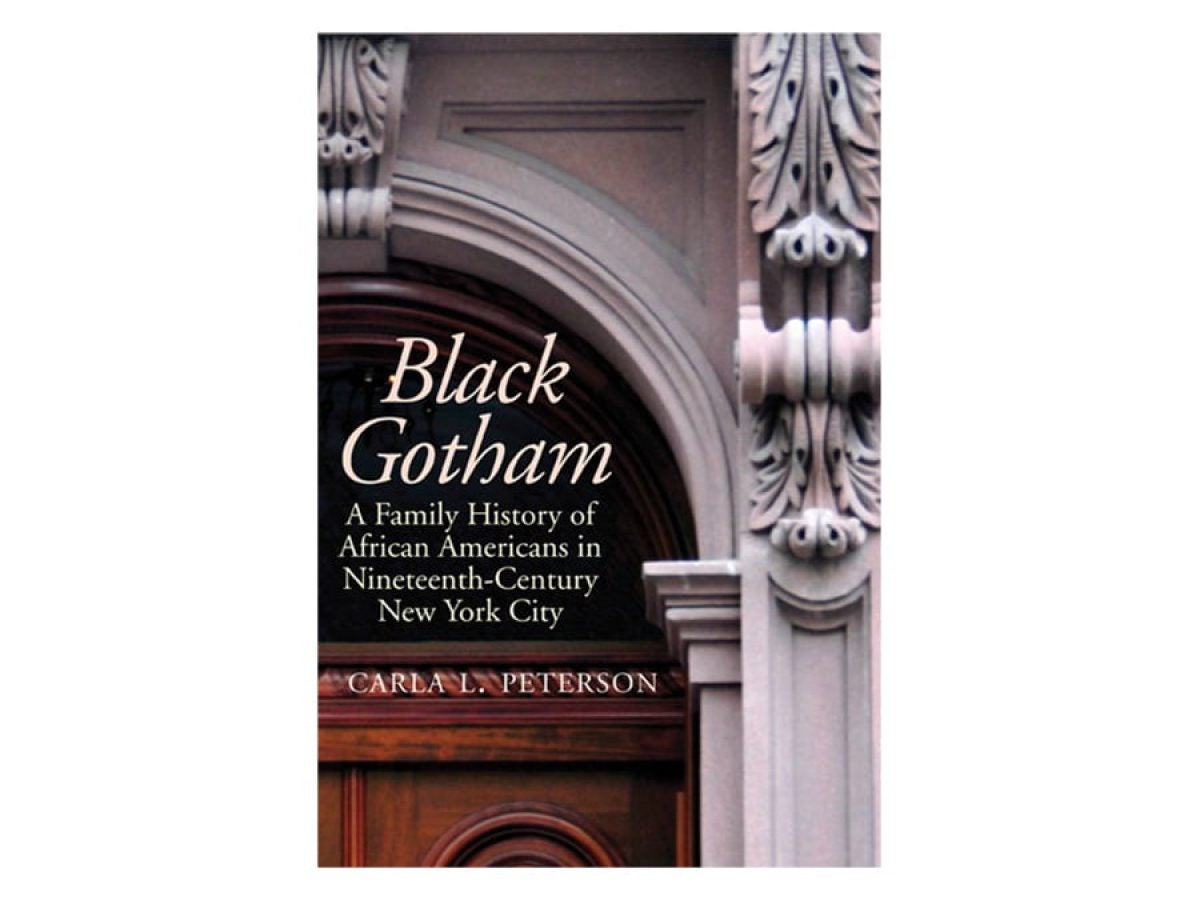
Peterson’s Black Gotham unearths historical accounts of the achievements of 19th-century Blacks in America. Black Gotham also highlights the legacy of the Mulberry Street School, documents evidence that defies the narrative that the 19th-century Black experience equates solely to slavery (this wasn’t always the case), and paints a very clear picture of America’s Black elite. This book is an excellent and fast-paced read that will definitely appeal to those who have an affinity for investigative journalism, research-based narratives, and readers who appreciate learning about the history of places like New York City.
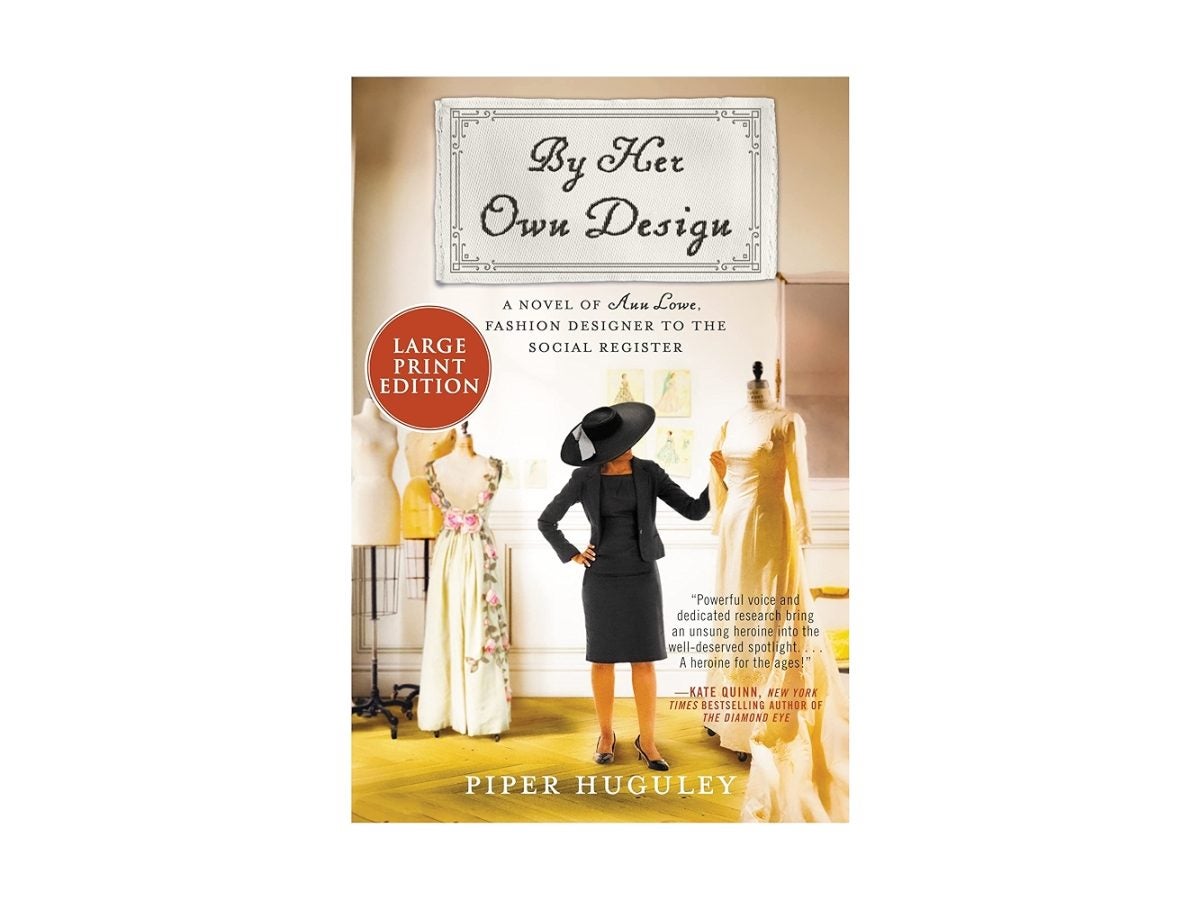
Ann Lowe, a Black designer, was the seamstress and fashion designer to some of the wealthiest women in America. She personally designed the wedding dress of Jacqueline Kennedy and was highly sought after by many socialites on Manhattan’s Upper East Side. This book, based on Lowe’s real life, takes us on a journey during the prime of Anne Lowe’s life during the 1920s-1960s. No matter the century, Black women have always been synonymous with making things beautiful, and By Her Own Design highlights the fashion journey of a very unique, trailblazing historical figure in Fashion design. Lowe’s works are currently in many different museum collections across the country.
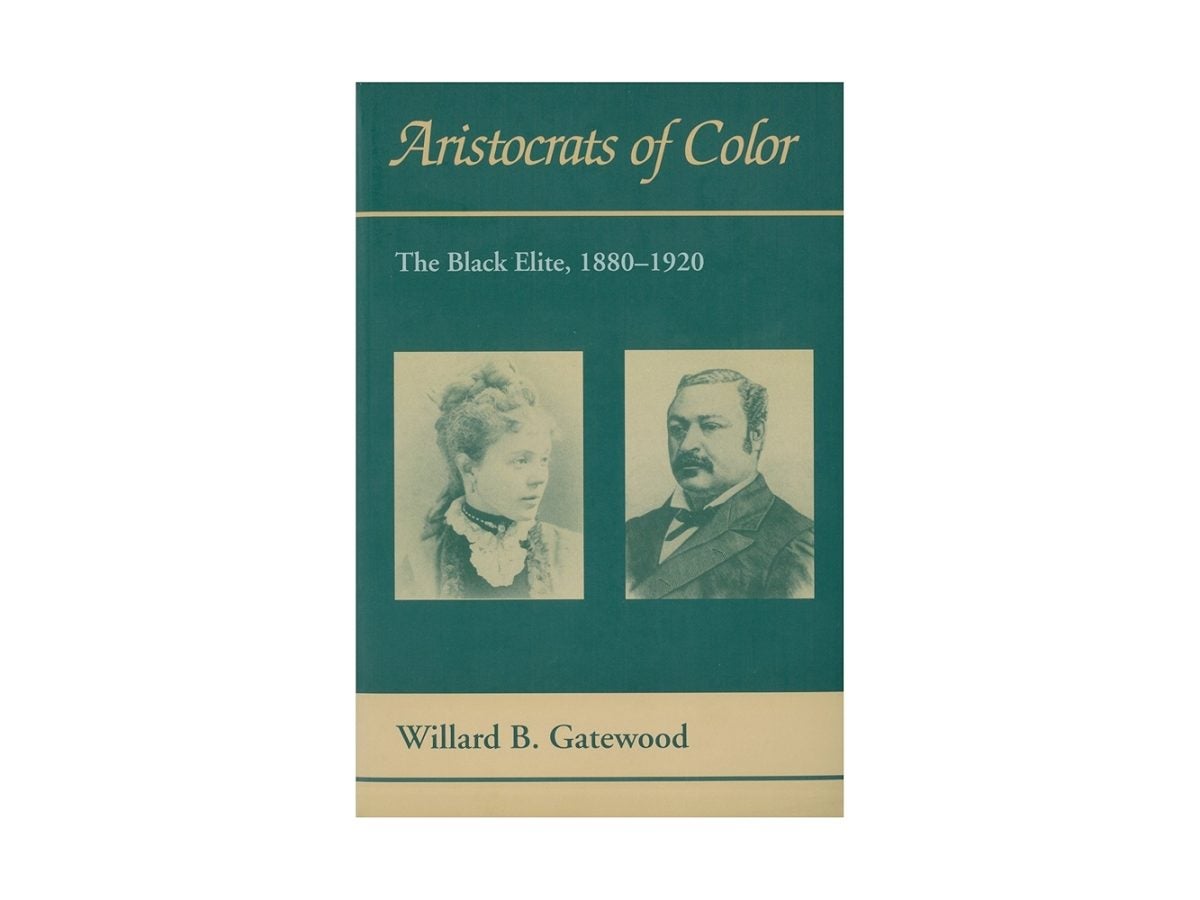
This comprehensive study examines the lineage, occupations, social norms, and habits of families and individuals, and how they navigated within their communities. This thorough work highlights the reality that rankings were determined by: whether one was the descendant of house servants or field slaves, the complexion of one’s skin, educational background, and more. This work takes a fascinating look inside the “prestige, power, and culture” of America’s Black elite.
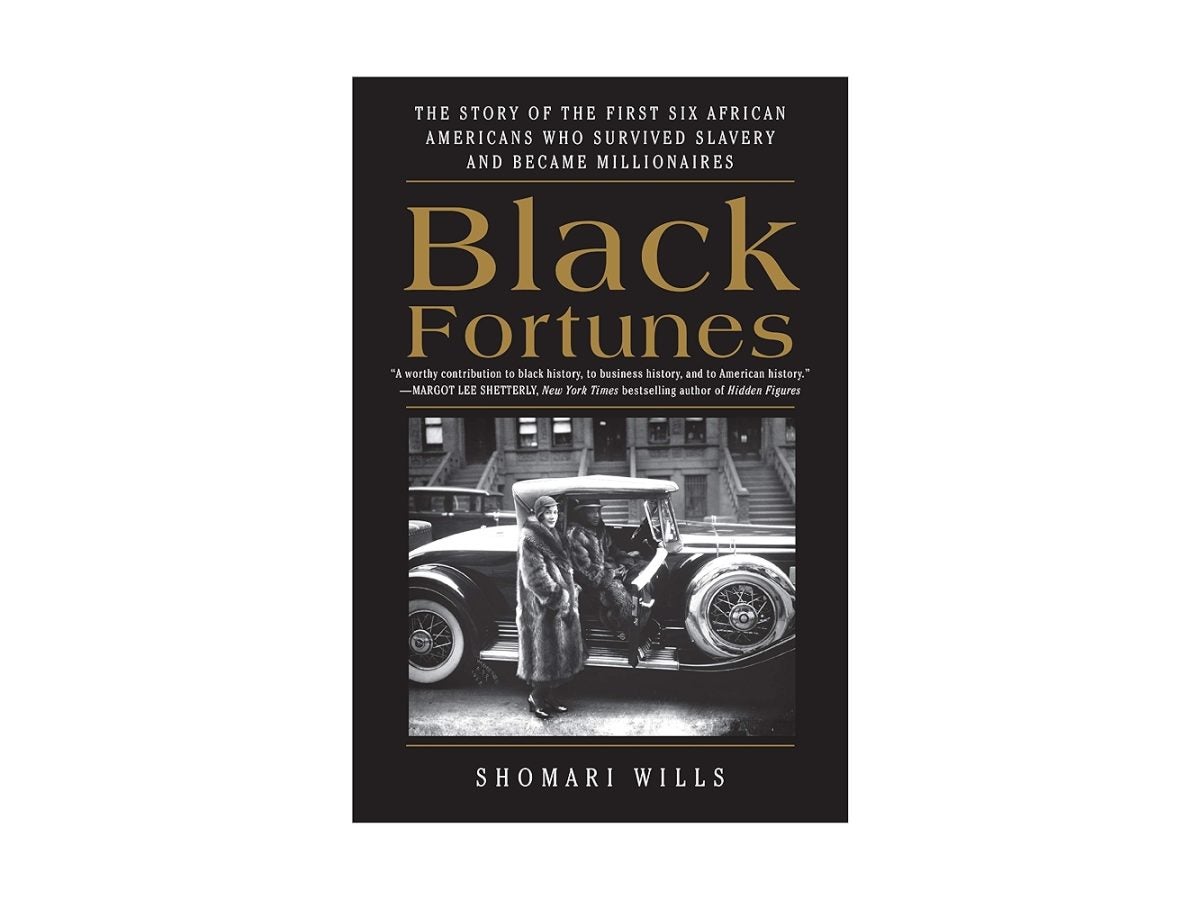
Black Fortunes tells the stories of real-life, historical figures who seized opportunity and became titans during the Gilded Age. This book highlights the journeys of Mary Ellen Pleasant, Robert Reed Church, Hannah Elias, Annie Malone, O.W. Gurley, and Madam C.J. Walker. While it has widely been shared that Walker was America’s first self-made Black female millionaire, she was not. Yet, and still, despite racial inequality and systemic oppression, their lives show that with effort, a growth mindset, and tenacity, anything is possible.
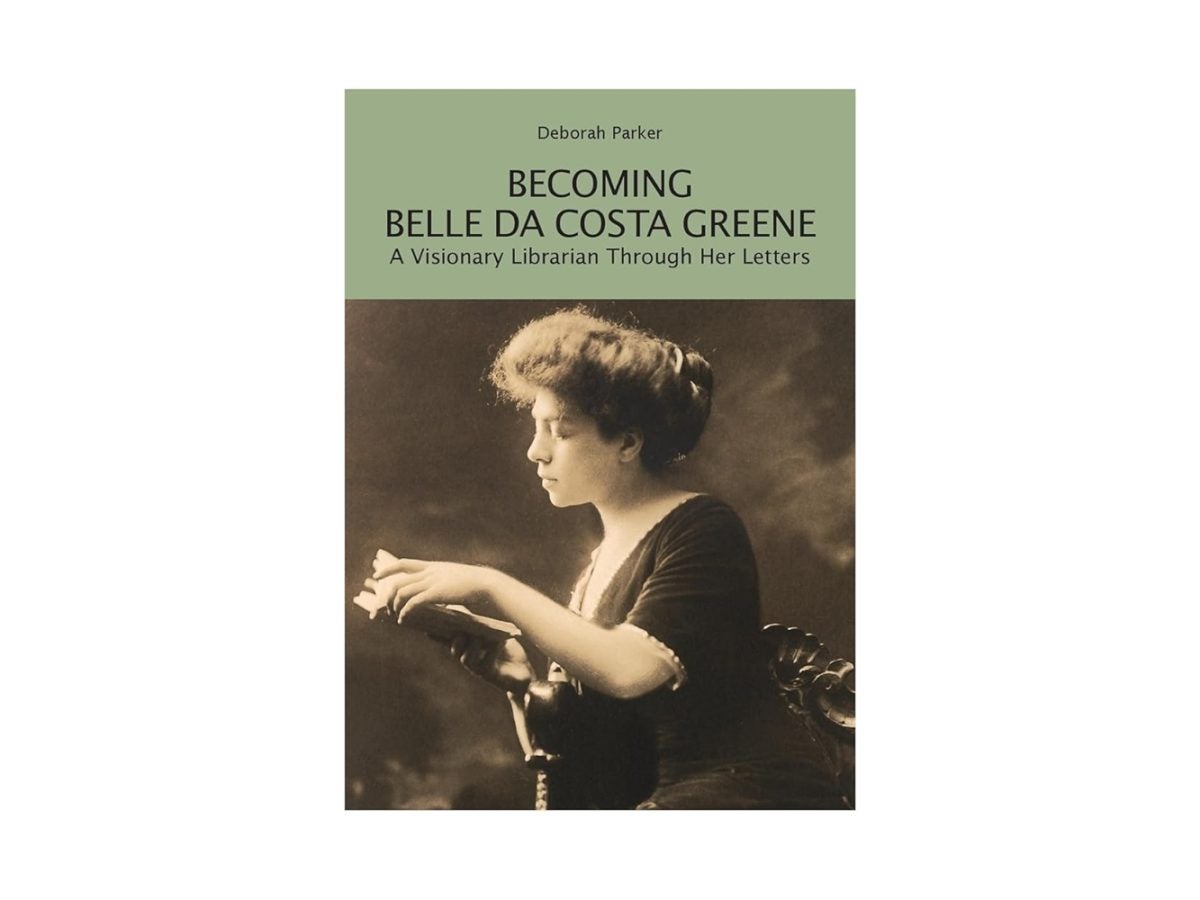
One of the most beautiful, elaborate, and revered libraries in the world, The Morgan Library, was curated by Belle da Costa Greene, a Black woman. Though she kept her identity secret and passed as a white woman, she came from a family of scholars. Greene’s father, Richard T. Greener, was the first Black man to graduate from Harvard College in the 1890s. Becoming Belle da Costa Greene is a very fascinating read that gives a glimpse into the life of a descendant of Black High Society who chose to pass as white, lived a posh life, and commanded spaces with elegance and ease.
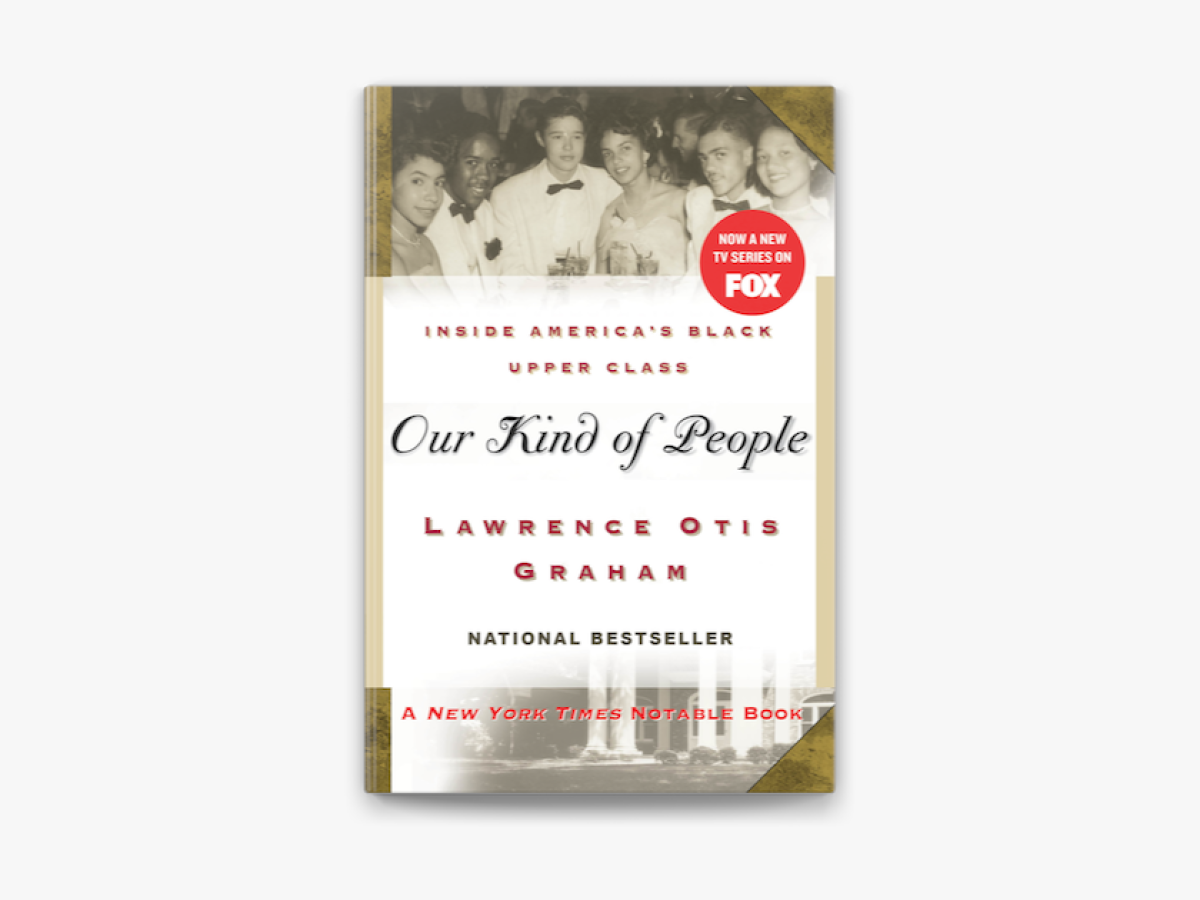
After spending six years studying some of the wealthiest Black families in America, author Lawrence Otis Graham’s Our Kind of People takes a deep dive into the subcultures of the Black elite, such as debutante balls, multimillion-dollar real estate portfolios, summers on Martha’s Vineyard, social clubs, associating with other Blacks on the premise of skin complexion, Jack & Jill, Boule, AKAs, Deltas and more are examined within the pages of this book. Our Kind of People also showcases many telling historical photos that give a glimpse into the world of the Black Upper Class.