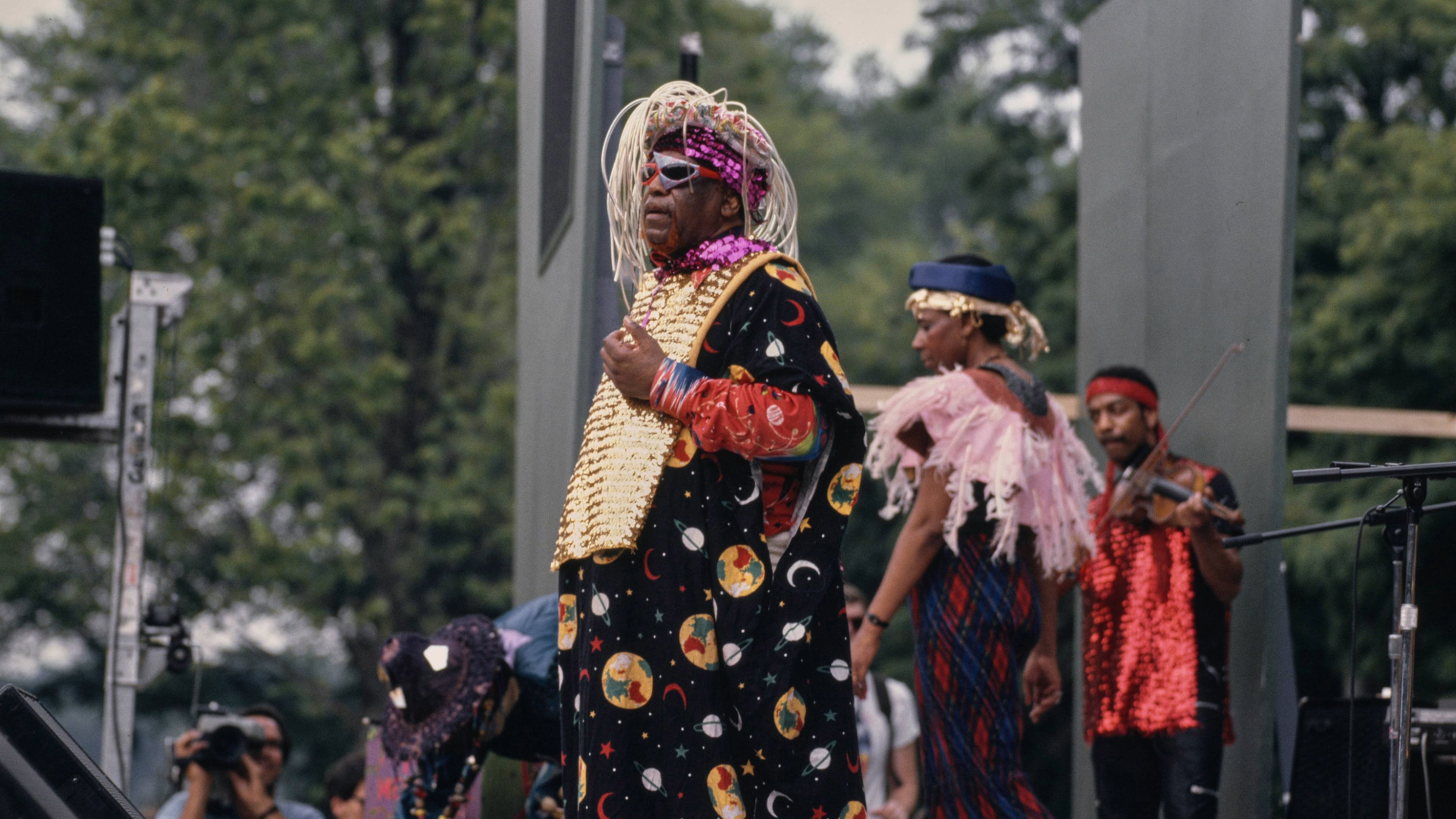

Without the jazz musician, poet, and bandleader Sun Ra, the music industry would look and sound somewhat different. Countless mainstream artists have been inspired by his boundlessness and his ability to sustain his central belief system, which is now described as Afrofuturism. These ideals are explored in the film “Sun Ra: Do The Impossible,” which was presented at BlackStar’s Film Festival this past weekend. The film, directed by Christine Turner, begins with Sun Ra’s origin story, which started in his birthplace, Birmingham, Alabama, where he would later contribute to the swing music scene there as a pianist and artist.
Alienation from his immediate family and creative inclinations led him to Chicago, where he built the fantastical band Arkestra in the 1940s (the film pinpoints how Sun Ra was an anti-war advocate and how his family disowned him when he resisted the draft for WWII.) Later, he’d relocate with the band to New York City, while there they began living in a communal apartment. Jam sessions and strict music regiments spearheaded by Sun Ra ensued and the band blossomed. A pivotal move to Philadelphia informed the group’s sound and the continuation of how they explored their musicality and costuming choices. The latter was pivotal as it laid the groundwork for future musical acts that followed them. Turner intertwined stories centering Sun Ra’s poetry and the anthologies he wrote and took direction from with his music. This enmeshment of creative sources showcased how the titan utilized himself as an instrument who chose to refuse normativity. “Music based on who the negro was, is, and should be,” stated Sun Ra in the film on the genreless music he and the Arkestra were creating.
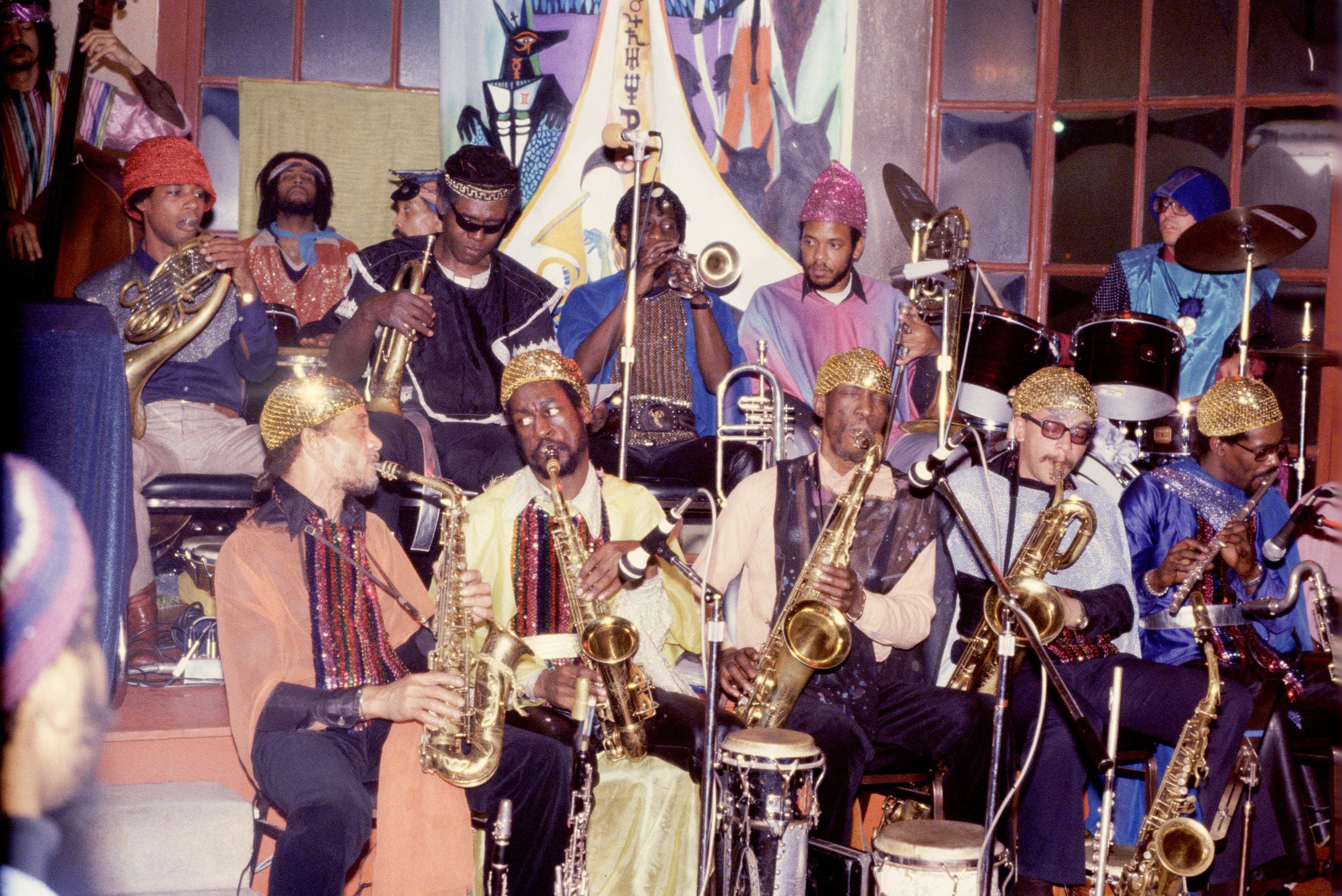
Notions of self-resilience and acknowledgment of one’s gifts rang loudly at the beginning of the film. To me, these were some of the strongest claims “Sun Ra: Do The Impossible” made. But an equally strong claim was that since he was the father of Afrofuturism, the music industry is still impacted by him. Two artists who immediately come to mind as children of Sun Ra include singer, producer, and visual artist Solange and the rapper and musician Andre 3000.
In “Sun Ra: Do The Impossible,” musings from writer Marcus J. Moore, writer and poet Ishmael Reed, and writer Harmony Holiday further paint the picture of Sun Ra’s rise. Since there was no blueprint for him to follow, he created his own world in many ways. While music was a central component, so were his fashion choices. During his years in Birmingham, he wore suits that spoke to the reign of swing music. His departure from this method of dress led him to lengthy futuristic capes, golden garb, and even knit hats.
“He didn’t conform to ideas of masculinity,” declared scholar and critic Jayna Brown. Many performances shown in the film featured the Sun Ra Arkestra in otherworldly attire: glitzy shirts worn with capes and golden hats. Costuming was not taken lightly by Sun Ra. From my vantage point, he knew that the group’s clothing choices spoke to audiences and evoked feelings of confidence from the group. In the film, metal accessories were often carried on stage during performances.
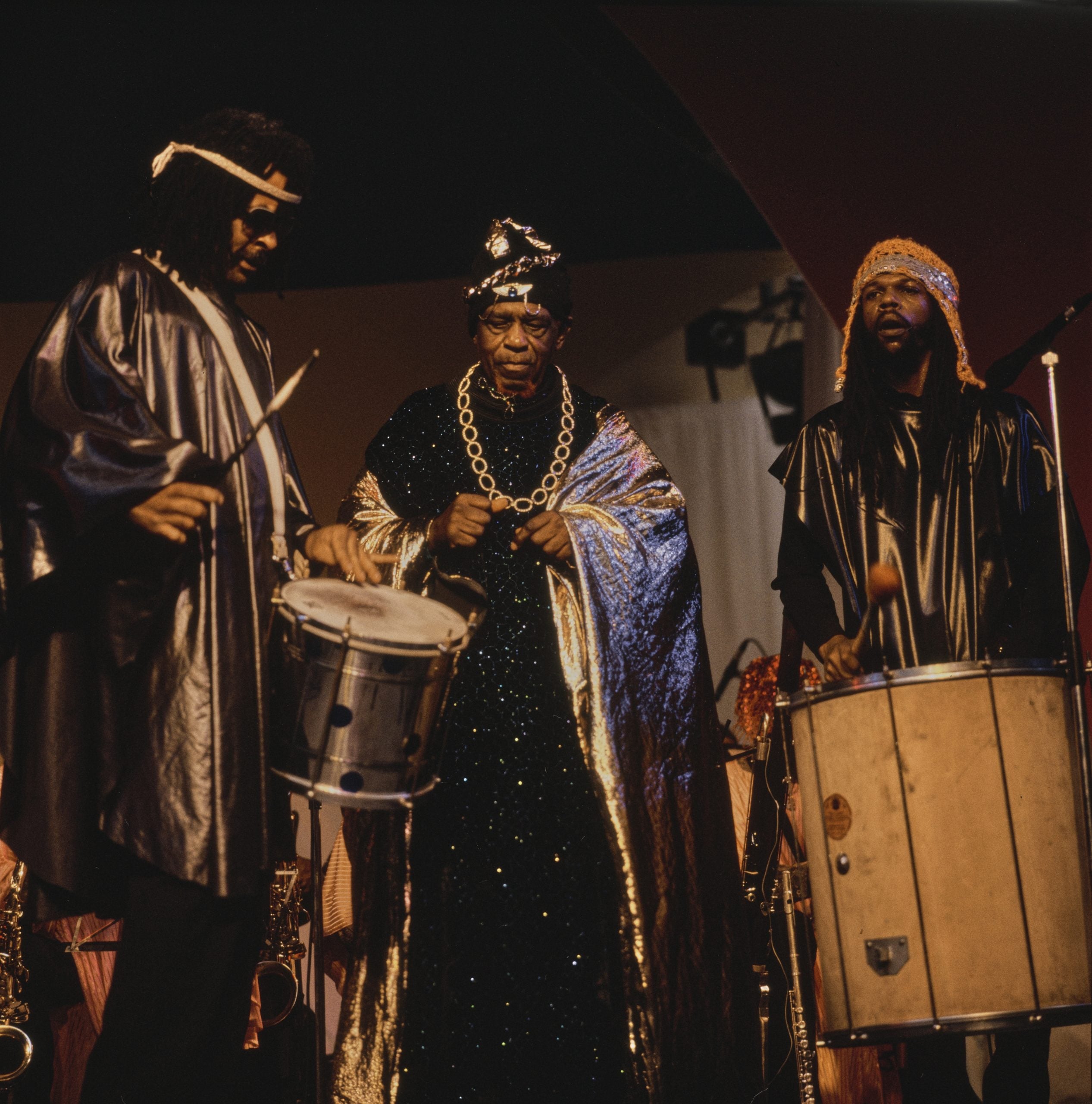
By utilizing clothing as a means of self-expression, Sun Ra Arkestra set a standard for attire to play a major role in performance-based work. Clothing was nearly as significant as the intentional concerts they were a part of, which were showcased in “Sun Ra: Do The Impossible.” The distinctness of their costuming and Sun Ra’s attention to detail showcased how imagination also played a role in the utopia he believed was capable for Black folks.
Solange falls in the lineage left behind by Sun Ra. In the past, she has shared that the artist was a source of inspiration for her album “When I Get Home.” To many, this album resonated deeply due to what was explored thematically on it: themes centering around identity and home were central to the compilation. Aesthetically pleasing performances from this era of her musical career, alluding to her affinity for performance art. Solange’s disbelief in the commercialization of her art is a notion that speaks to her falling under the lineage of Sun Ra.
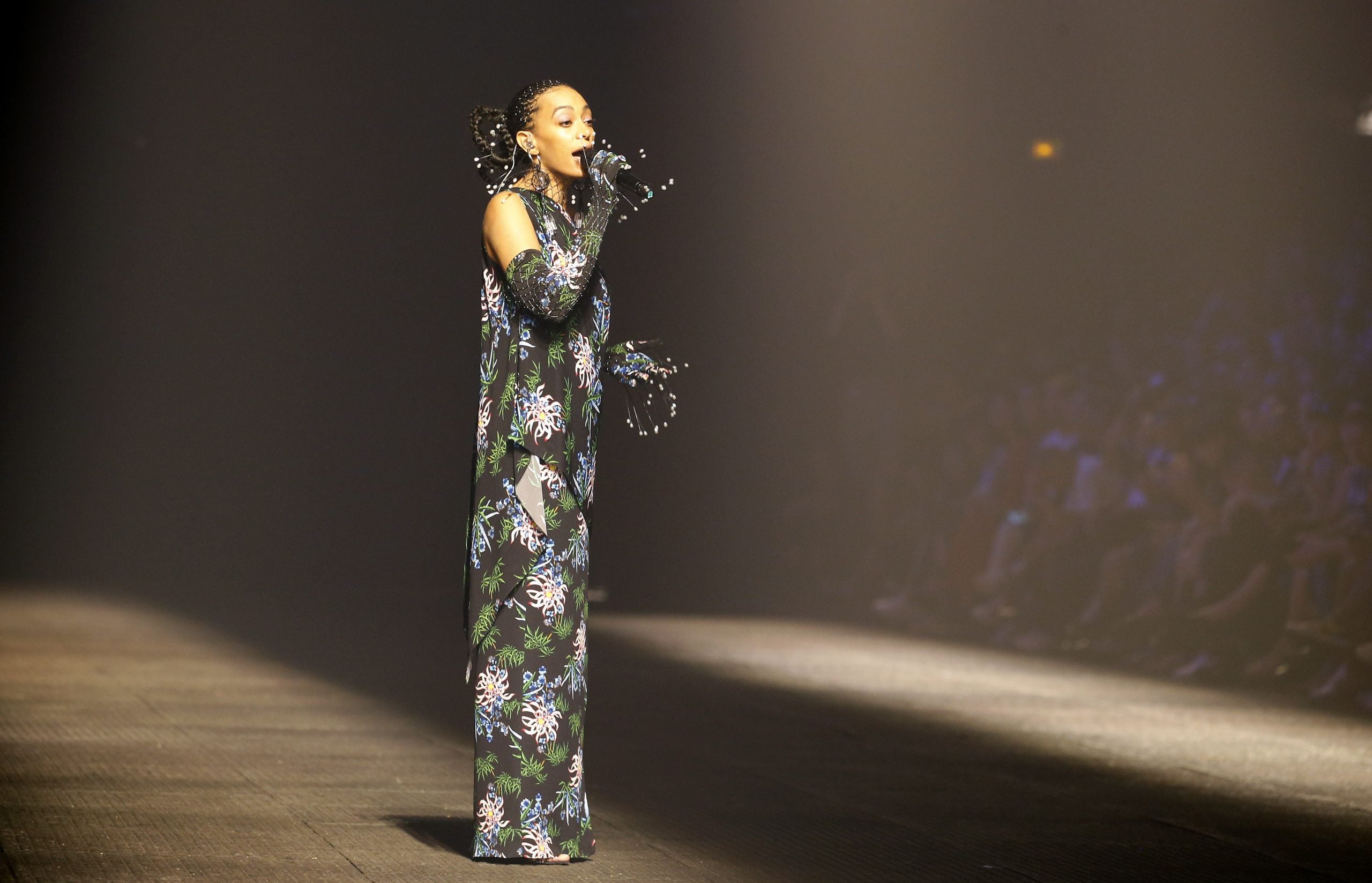
Both artists were uninterested in the delusions that come with being attached to the mainstream music industry. (Sun Ra and his former business manager, Alton Abraham, launched a record label, El Saturn Records, in 1957–Solange launched her record label Saint Heron in 2013, it has since transformed into a multidisciplinary creative agency.) Additionally, these two key innovators are deeply committed to showcasing their limitless potential through garb and costuming. There is an idea of radicality that Sun Ra and Solange also evoke through sound.
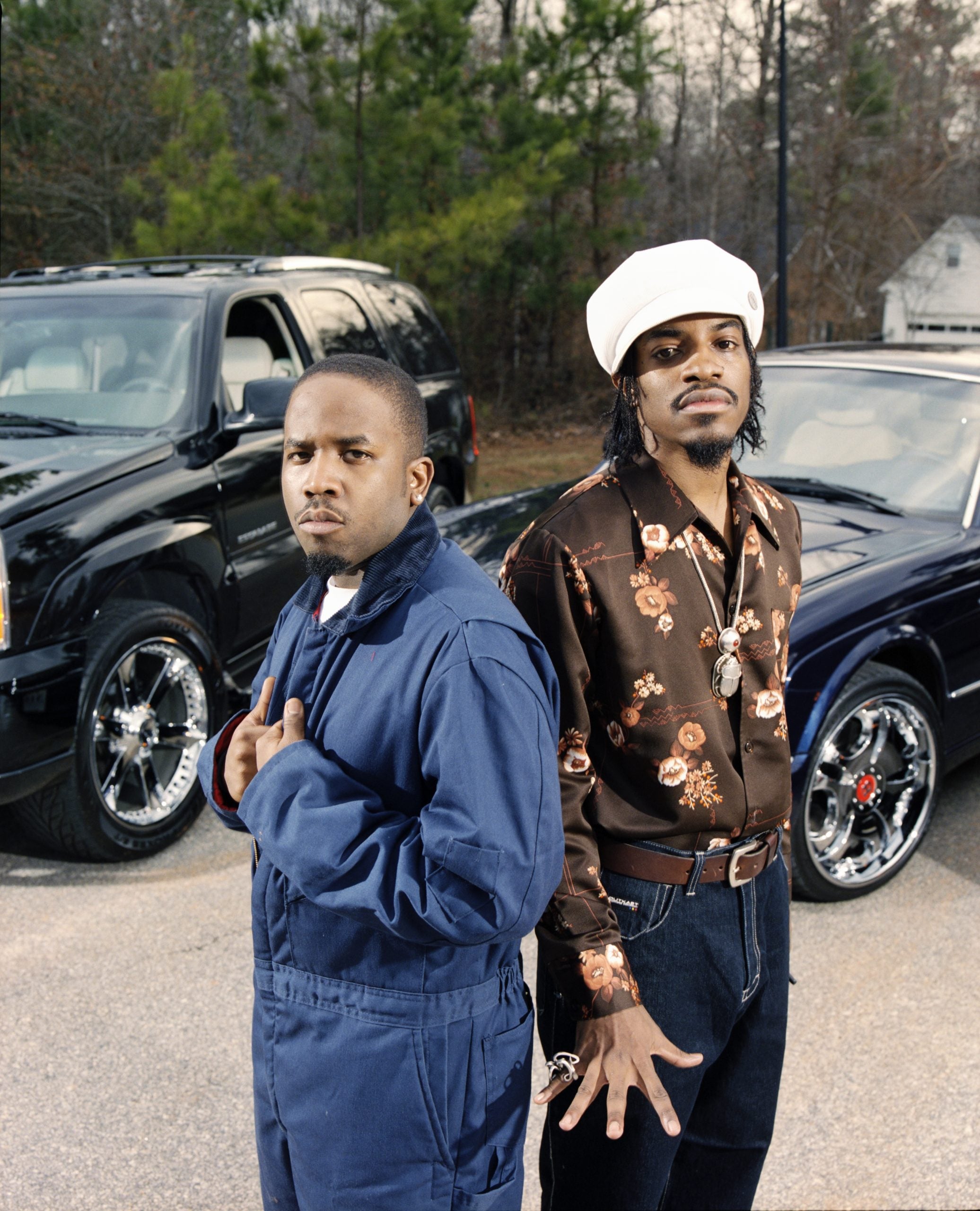
Andre 3000’s artistry relied heavily on the idea of being an “OutKast” for decades. The artist and Big Boi’s “ATLiens” album title signals inspiration from Sun Ra. Andre 3000 has explicitly mentioned Sun Ra as a significant influence on his album “New Blue Sun.” Each of these findings, accompanied by Andre 3000’s flair for dramatic attire during key periods of his artistry, speaks volumes. Whether leaning into Black dandyism or embracing off-kilter wigs, the rapper-musician has sustained his level of expression through music and clothing throughout his music career. And this essence would not have been possible without the lived and worn-in realities of Sun Ra.
Sun Ra and the Arkestra forged new territory organically as the years stretched on over the course of their most successful years as a group. Turner’s documentary depicts craft-making and world-building through interviews that speak to the self-actualization and determination that drove the group’s core. In “Sun Ra: Do The Impossible,” the importance of Sun Ra as the titular figure is central to garnering an understanding of how he dreamed up a new reality for himself and his bandmates. With his futuristic vision, his ability to showcase his ideals through clothing, and his radical beliefs, the composer and musician enriched the lives of many. He also created an improvisational method of music-making that is still felt in the present iterations of jazz, neo-soul, and alternative music genres.