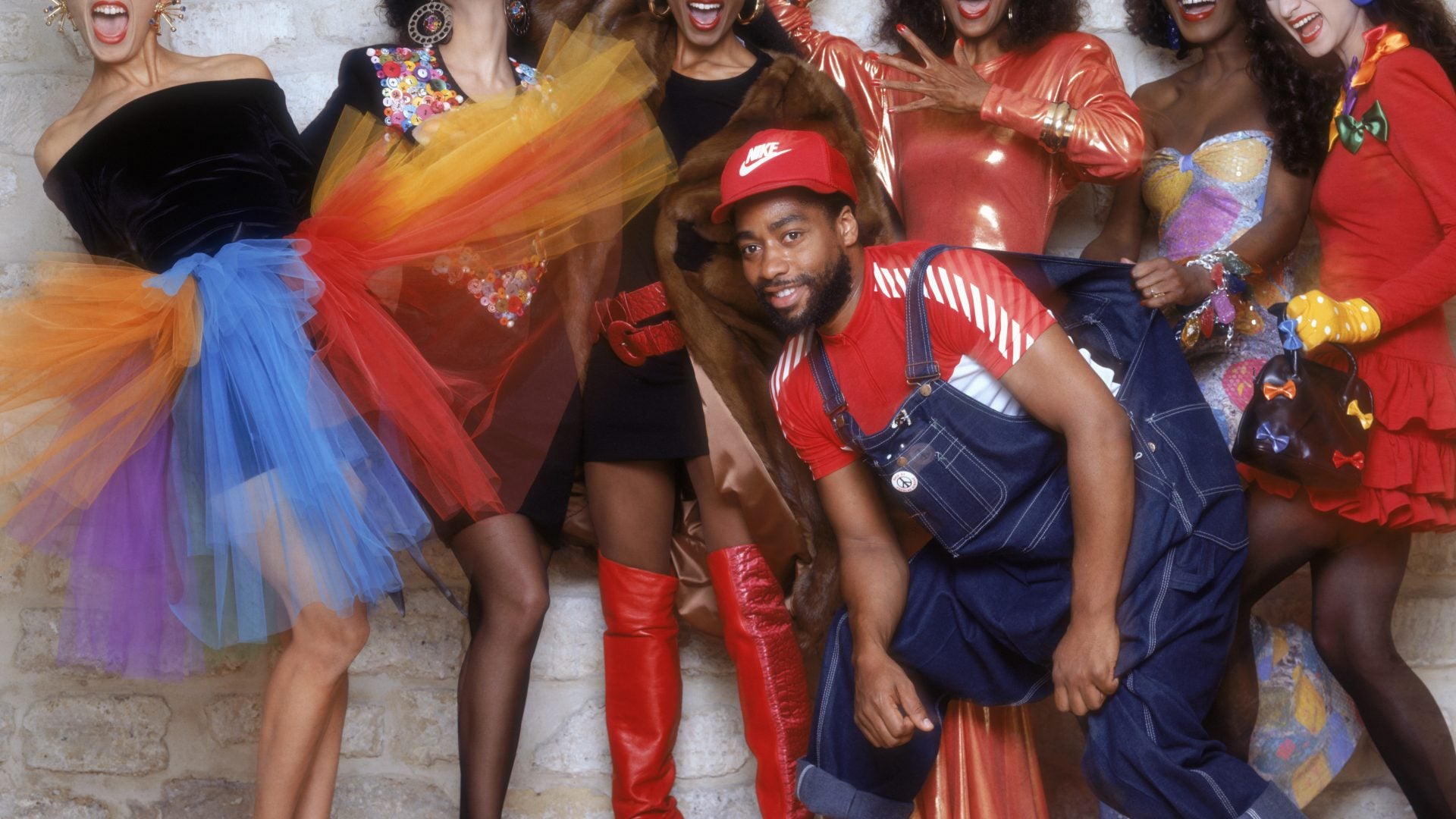

This New York Fashion Week, ESSENCE celebrates 55 Years of Fashion with the return of ESSENCE Fashion House, themed Eternal Aura. Fashion is memory—an echo of the past, a signal to the future. For our culture, it has always been more than adornment; it is protest, power, and joy. It is resilience stitched into fabric, carved into silhouette, carried through time. This year, ESSENCE honors the fearless pioneers who reshaped possibility and the new wave of creators crafting tomorrow, reminding us that Black style is a lineage, layered, intentional, unyielding. Eternal Aura reflects the brilliance of Black creativity that cannot be dimmed, evolving through every drape, print, and body, a glow that endures across generations.And as a testament to that legacy, the July/August issue’s fashion spread features Black designers spanning the 1980s through 2020, visionaries whose work laid the foundation for what we see today. Keep reading to learn more about who they are.

Kevan Hall launched his career in the 1980s, quickly making his mark with sleek, elegant designs that fused Hollywood glamour with modern sophistication. Rising to prominence as Creative Director of Halston in the early 2000s, he revitalized the iconic label while simultaneously building his own legacy as a champion of inclusivity and excellence in design. For Black fashion, Hall’s journey represents both breakthrough and blueprint—proof that Black creativity belongs at the forefront of American luxury.
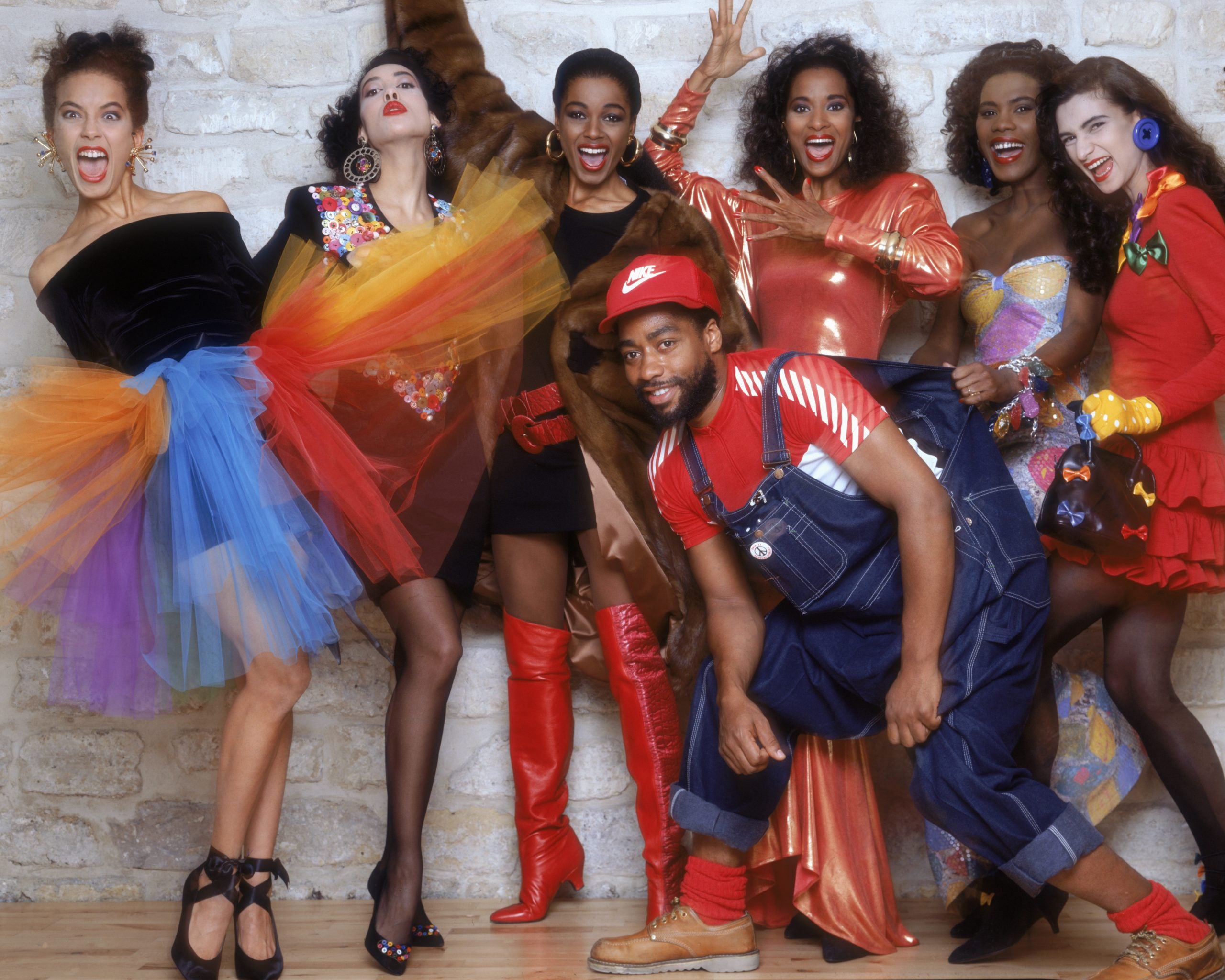
Patrick Kelly burst onto the Paris fashion scene in the 1980s, becoming the first American and the first Black designer inducted into the prestigious Chambre Syndicale du Prêt-à-Porter. Known for his bold use of color, playful bows, and signature heart motifs, Kelly’s work mixed joy and wit with sharp social commentary. His legacy in Black fashion is one of barrier-breaking brilliance. Thus proving that a Black designer could claim space, power, and reverence on the global stage.

Bianca Saunders, a British designer of Jamaican descent, emerged in the late 2010s with a sharp reimagining of menswear that blends tailoring with fluidity. Her work challenges traditional codes of masculinity, using subtle draping and unexpected cuts to create a new language of style. In Black fashion, Saunders represents a new generation, boldly carving space in luxury menswear while carrying forward the lineage of innovation and cultural pride.

Maximilian Davis, a British-Trinidadian designer, rose to prominence with his eponymous label before being appointed Creative Director of Salvatore Ferragamo in 2022. At the Italian heritage house, he has infused a modern, youthful sensuality while honoring Ferragamo’s legacy of craftsmanship and elegance. For Black fashion, Davis’s ascent marks a historic shift, placing a young Black creative at the helm of a global luxury powerhouse and signaling a future shaped by diverse visionaries.

Rachel Scott, the Jamaican-born designer behind Diotima, has garnered international acclaim for her powerful fusion of Caribbean craftsmanship and contemporary luxury. Through hand-crocheted details, architectural tailoring, and collaborations with Jamaican artisans, she has built a brand that is both deeply rooted in heritage and globally forward. Her recent appointment as Creative Director of Proenza Schouler marks a groundbreaking moment in Black fashion, affirming her place as a visionary shaping the future of the industry.

Grace Wales Bonner, the British-Jamaican designer, founded her namesake label in 2014 with a vision that merges European tailoring with Afro-Atlantic cultural narratives. Her work, spanning sharp menswear, collaborations with Adidas, and exhibitions at major art institutions, blurs the line between fashion, music, and literature. For Black fashion, Wales Bonner represents intellectual and artistic depth, proving that design can be both rigorous scholarship and radical style.

Edvin Thompson, the Jamaican-born designer behind Theophilio, has become one of the most exciting voices in contemporary fashion with collections that celebrate diasporic identity and Caribbean pride. Known for vibrant color, upcycled materials, and a playful yet political spirit, his work captures the joy and resilience of migration stories. In Black fashion, Thompson’s Theophilio stands as a living archive, an unapologetic celebration of heritage reimagined.