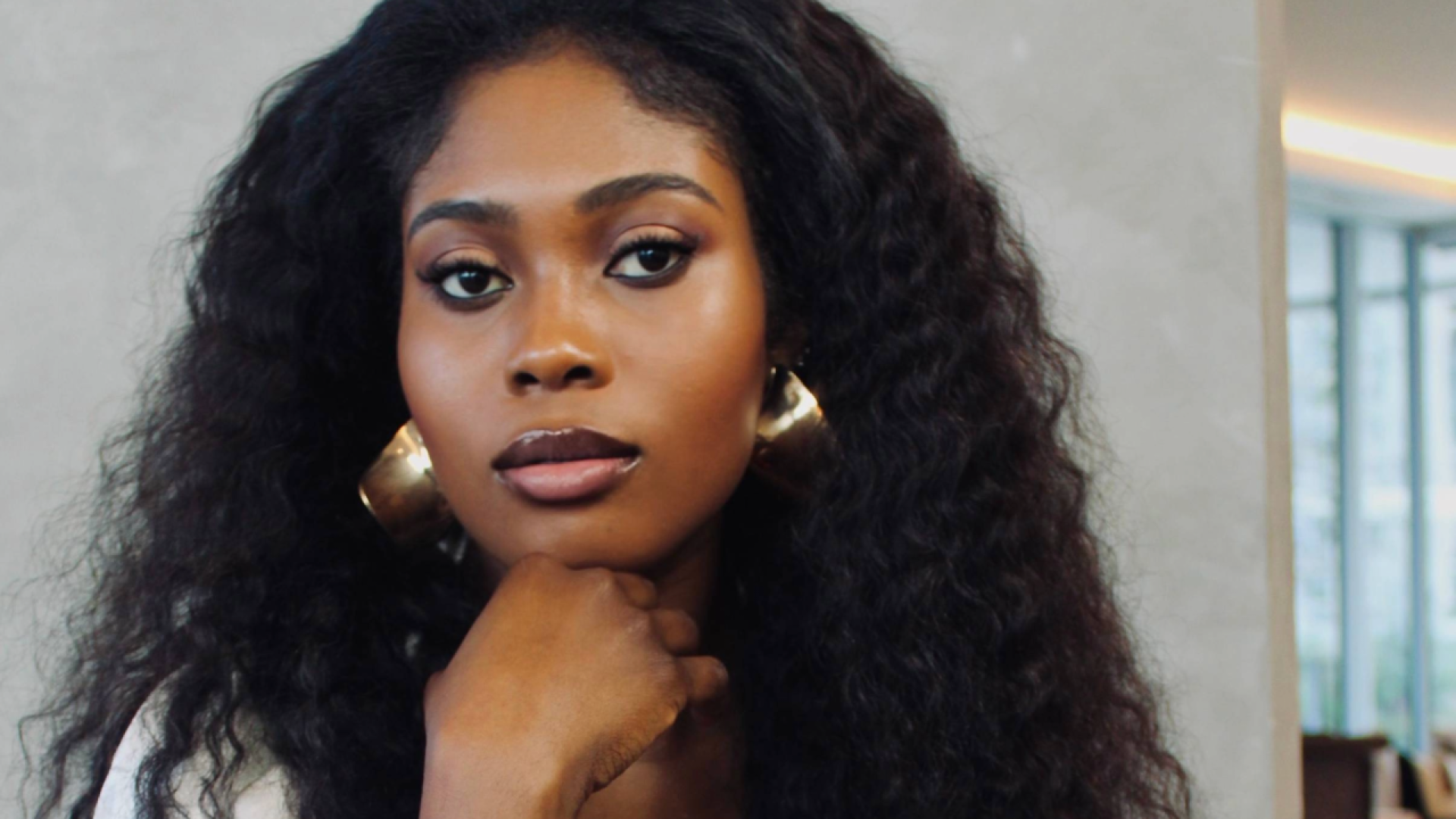

For many creatives, the lockdown during the pandemic was their catalyst for reinvention. Designer Mutayo Ekiye falls into this list. Over a Zoom call, she tells me how the moment allowed her to pause and reflect on the things she wanted to do, including sketching handbags, which she had initially started as a hobby. However, what began as a simple outlet became the foundation for something greater. Driven by curiosity, she immersed herself in studying design, manufacturing, and the intricacies of the global accessories industry. Step by step, those initial drawings transformed into tangible pieces, laying the foundation for a brand that not only reflects her personal journey but also carries the weight of her Nigerian heritage.
Born in Austin, Texas, to entrepreneur parents, Mutayo Ekiye spent her earliest years in the United States before relocating with her family to Nigeria. She grew up in Port Harcourt and Lagos, with ancestral ties to the Ekpeye community in Rivers State. Her childhood was a very creative one, filled with drawing, painting, designing, and tinkering with small inventions. Skills she mentions were her safe space in expressing herself, which was anchored by the move to Nigeria. Over time, she adopted new ways to express herself, thanks to her aunt, who had a tailoring shop and taught her how to use a sewing machine. She then began sewing clothes for her dolls, styling them, and even crafting miniature accessories. “Looking back, it’s clear that my love for design and craftsmanship has always been a part of me,” she notes.
Later as a teenager, she returned to the U.S. to finish high school. But she tells ESSENCE that moving from the U.S. to Nigeria at that time of her life demanded adjustment, even though it came with transformations. But she also got the opportunity to immerse herself deeply in Nigerian life; she even learned to speak Pidgin English and embraced the traditions around her. Those formative years, she recalls, were pivotal moments that brought her close to her roots and expanded her worldview. Today, this mixture of experiences in different cultures now shapes her design philosophy. “Each collection is a love letter to Africa, but also an invitation for the world to embrace its artistry,” Mutayo explains.
From the very beginning of launching her brand, Mutayo set her sights on the world stage. She envisioned the brand as a cultural statement, an Afrocentric brand that could stand shoulder to shoulder with the most respected luxury houses. And it’s been her goal all these years, build endurance while fusing heritage, design excellence, and timeless beauty.
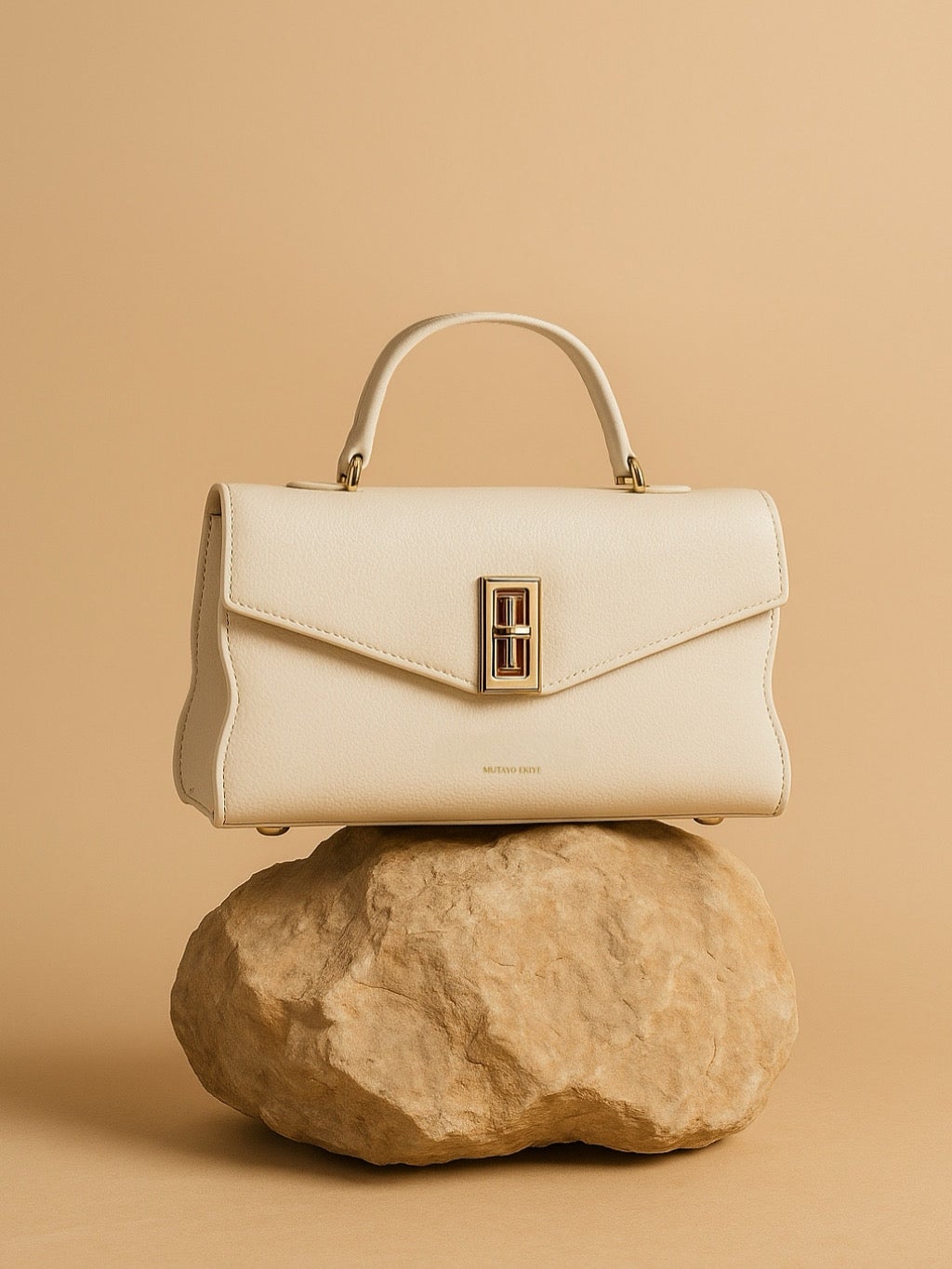
“I envision Mutayo Ekiye becoming a household name in luxury, standing alongside heritage brands like Louis Vuitton, Gucci, and Chanel, but rooted unapologetically in Africa,” the designer shared on her aspirations. “I want it to be recognized globally for quality, innovation, and cultural depth.”
Below, ESSENCE chats with Mutayo Ekiye and divulges details on her brand, the philosophy behind it, and actualizing her largest dreams.
What inspired you to start Mutayo Ekiye?
Two inspirations stand out: first, Nigeria has one of the largest leather industries in the world. Our hides quietly power global luxury brands, yet Nigeria itself is rarely acknowledged as a source. I wanted to change that narrative by creating a luxury brand that proudly highlights Nigerian leather and craftsmanship.
Second, I noticed a gap in the market. Many luxury brands are Eurocentric in their inspiration, yet few reflect African heritage with the same level of sophistication. I wanted Mutayo Ekiye to be that bridge, an Afrocentric luxury brand that celebrates African beauty and artistry with the same prestige as Chanel or Dior. Every bag carries this philosophy, whether through our signature sculptural curve or through the Oma hardware that reflects the profile of a beautiful African woman.
Is your work rooted in Igbo culture?
Yes, deeply. While my ethnic roots are in the Ekpeye community of Rivers State, which shares similarities with Igbo language and culture, I draw inspiration from both traditions. Many of my bags are named in Igbo and Ekpeye, reflecting the connection between language, identity, and storytelling. Naming the bags is my way of weaving culture directly into design. Language is a vessel of history, and I wanted my bags to carry more than beauty, they carry meaning. For example, “Oma” means beauty, and that name is embodied in the Oma bag, which also features the African woman hardware. Each piece tells a story and honors culture, while allowing women who carry the bags to step into that story themselves.
Nigeria has a long history of leather craftsmanship. Were you keen on spotlighting it?
My goal is to shine a spotlight on Nigerian leather as both a resource and an art form. While we already supply leather globally, my brand aims to elevate Nigerian craftsmanship by keeping production and design within the country. I want the world to see that Nigeria not only produces the raw material but also the talent, skill, and artistry to create world-class luxury goods.
Why did you choose to produce in Italy?
When I first started, producing in Italy made sense because of its legacy in luxury craftsmanship. Italian artisans have a level of precision and mastery that I deeply admire, and I am proud of the beautiful work they have created for my brand. Their contributions have been invaluable in shaping Mutayo Ekiye’s debut collections.
At the same time, my vision has always included Nigeria in the process, not just as a source of leather, but also as a place where luxury craftsmanship can thrive. The challenge has been finding the right manufacturing partners in Nigeria who can meet the standards I want for the brand. It’s a journey I’m still on, and one of my goals is to eventually have a production line in Nigeria as well. For me, it’s not about choosing one over the other, it’s about celebrating Italian craftsmanship while also creating opportunities for Nigerian artisans to be recognized on the same global stage.
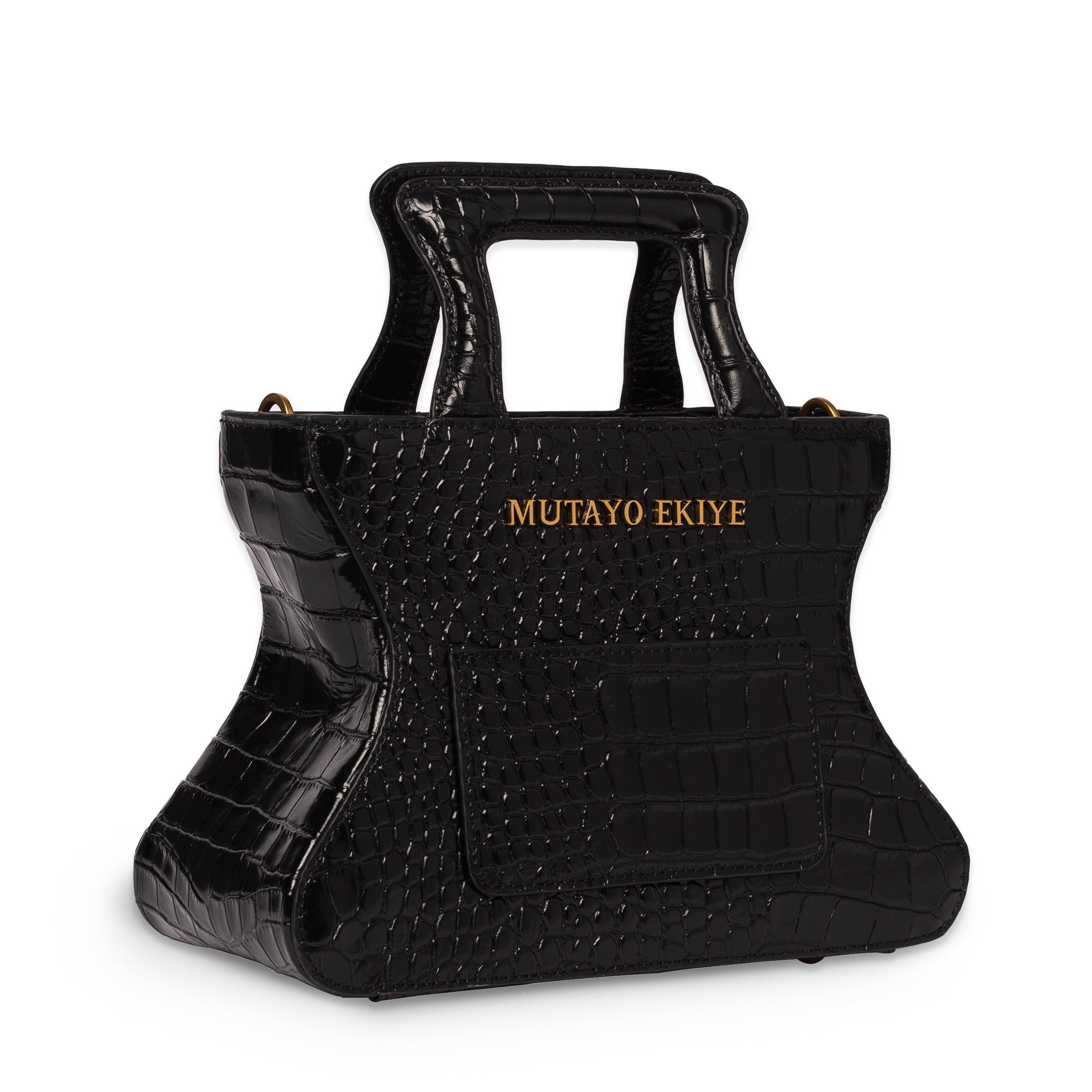
What inspires the shapes and colors of your bags which I would describe as sculptural?
The inspiration comes from the beauty and uniqueness of Nigeria itself, especially Nigerian women. Our silhouettes, with their small waists and voluptuous curves, embody strength and elegance. I wanted my bags to echo those forms [while being] bold, confident, and distinctively feminine.
I also draw inspiration from our cultural attire. Traditional Nigerian garments are known for their structured forms, intricate draping, and sculptural presence. The colors of our culture, from the vibrant hues of aso-oke, to coral beads, to the rich fabrics worn at ceremonies, are all reflected in the palette of my designs.
Nigeria, and Africa as a whole, is celebrated for its uniqueness in design and fashion. That is what Mutayo Ekiye handbags represent: distinctive shapes, bold structures, and timeless elegance that honor where I come from, while speaking to women everywhere.
Can you tell us about your collections and their inspirations?
My first collection was unapologetically Afrocentric. The Oma handbag, with its African hardware, celebrated beauty, identity, and heritage. The sculptural shapes reflected Nigeria’s uniqueness, and every detail was designed to honor African elegance.
My latest collection builds on that foundation, expanding the sculptural language and continuing to showcase curves as a signature element. Each collection is a love letter to Africa, but also an invitation for the world to embrace its artistry.
As a designer and entrepreneur, what has been your biggest challenge?
The biggest challenge has been navigating the complexities of building a luxury brand from scratch. From sourcing leather and hardware to securing the right manufacturers and managing publicity, the process is full of moving parts. Marketing, in particular, has been a learning curve—finding the right audience and communicating the essence of the brand on a global stage takes constant refining.
How do you feel about the global demand for Afrocentric luxury fashion?
I think it’s beautiful and overdue. Designers like Telfar and Brandon Blackwood have opened doors, showing that Afrocentric and Black-owned brands belong at the center of luxury conversations. It excites me to see Lagos Fashion Week growing as a global hub for talent. I believe Afrocentric luxury is not a trend, it’s a movement, and I’m honored to be part of it.
What do you hope people feel when they carry a Mutayo Ekiye handbag?
I hope they feel empowered and deeply connected to [their] heritage. I want each woman to know she is carrying not just a bag, but a story crafted from Nigerian leather, shaped with intention, and rooted in identity. When someone carries Mutayo Ekiye, they carry culture, pride, and timeless elegance.
What do you hope for the future of your brand?
I envision Mutayo Ekiye becoming a household name in luxury, standing alongside heritage brands like [Louis Vuitton], Gucci, and Chanel, but rooted unapologetically in Africa. I want it to be recognized globally for quality, innovation, and cultural depth. My dream is for women across the world to carry Mutayo Ekiye bags and instantly know they hold not just a handbag, but a piece of Africa’s legacy.