
What’s the cost of beauty? Since Trump’s presidency, many economists have been left in limbo about the state of the economy—and beauty isn’t exempt. Trade wars levied up to 145% tariffs on Chinese imports (since decreased to 30%), increasing the cost of products like braiding hair, hair oil, and wigs. Meanwhile, Black women are turning to strip lashes to resist the rising cost of lash appointments and beauty brands are bracing for the worst.
And, while we’re technically not in a recession, TikTok’s latest “recession indicator” trend says there’s signs one’s coming: “Recession blonde,” a lived-in blonde coined by brown roots, has 11.9 million views on TikTok (and last night’s American Music Awards doubled down on the trend). The Lipstick Index, an economic theory suggesting sales of lipstick increase during recessions, is failing; and DIY beauty, like strip lashes, press-on nails, and even natural hair, are predicted to rise.
“When the cost of maintenance starts to compete with essentials, that’s when we know we’re in a moment of real economic tension,” Black Beauty Club founder Tomi Talabi tells ESSENCE. “We’re seeing two clear indicators of where beauty meets economic reality: the rising cost of hair and the quiet boom in lip gloss.”
While the rising cost of bundles and braiding services impact the style clients choose, Talabi says lip gloss is the new Lipstick Index. “There’s the rise in the lip gloss category: clean, soft, and accessible,” she says, with brands like Ruby Kisses Lip Oil going for about $2 dollars at the beauty store. “Together, these two signals show us something real: Black women are adjusting, not abandoning, their beauty.”
According to BoF, beauty has long been considered one of the most resilient discretionary categories. Black consumers are responsible for 11.1 percent of total beauty spending, and despite economic uncertainty, we’ve remained heavily engaged with beauty and cosmetics. From biweekly appointments to regular beauty supply store runs, Black beauty is seen as a cultural ritual, space for community, and of course, an essential. This means it may not be as hard for Black women to justify the price of hair or nails—or at least, adjust to it.
Earlier this year, Talabi’s Black Beauty Club ran a poll asking Black women if a recession would impact our hair, nail, and lash appointments. The answer? “Black women are intentional, not impulsive, when it comes to beauty,” she says. 35% of women reported they plan to adjust their appointment schedule, spacing things out to make their dollars stretch. Another 21% said they’re keeping their regular cadence no matter what.
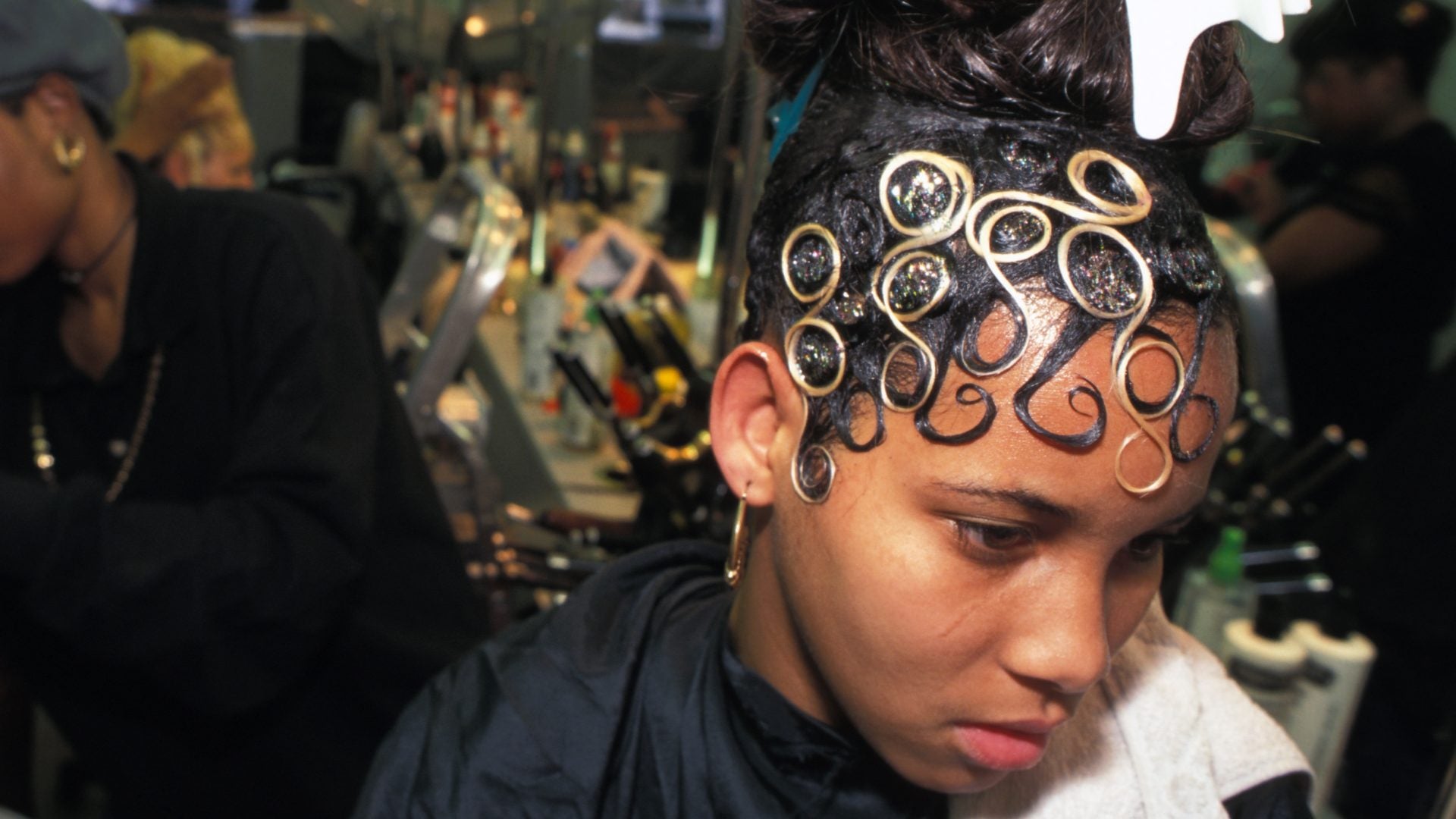
“It’s not about cutting beauty out, it’s about adapting without compromising care,” Talabi says. And, while we may see a rise in longer-lasting hairstyles, like braids and sew-ins, or even the next natural hair movement, other trends prove a recession may not be considered at all. Pixie cuts, one of the most high maintenance hairdos, are still 2025’s biggest trend for Black women. Meanwhile, ‘90s hair fashion is making a comeback with hair artists like Malcolm Marquez and Maahleek unarchiving the maximalism in hair (just like the trending junk nails), which isn’t always cheap.
“Beauty has always been more than aesthetic for Black people; it’s care, it’s expression, it’s culture,” Talabi says. With the threat of a recession and rise of grass wall beauty salons, centering Black beauty culture and community during an unpredictable economy means offering quality services with prices that make sense. “Making beauty accessible isn’t about lowering the bar; it’s about keeping the door open within our community.”