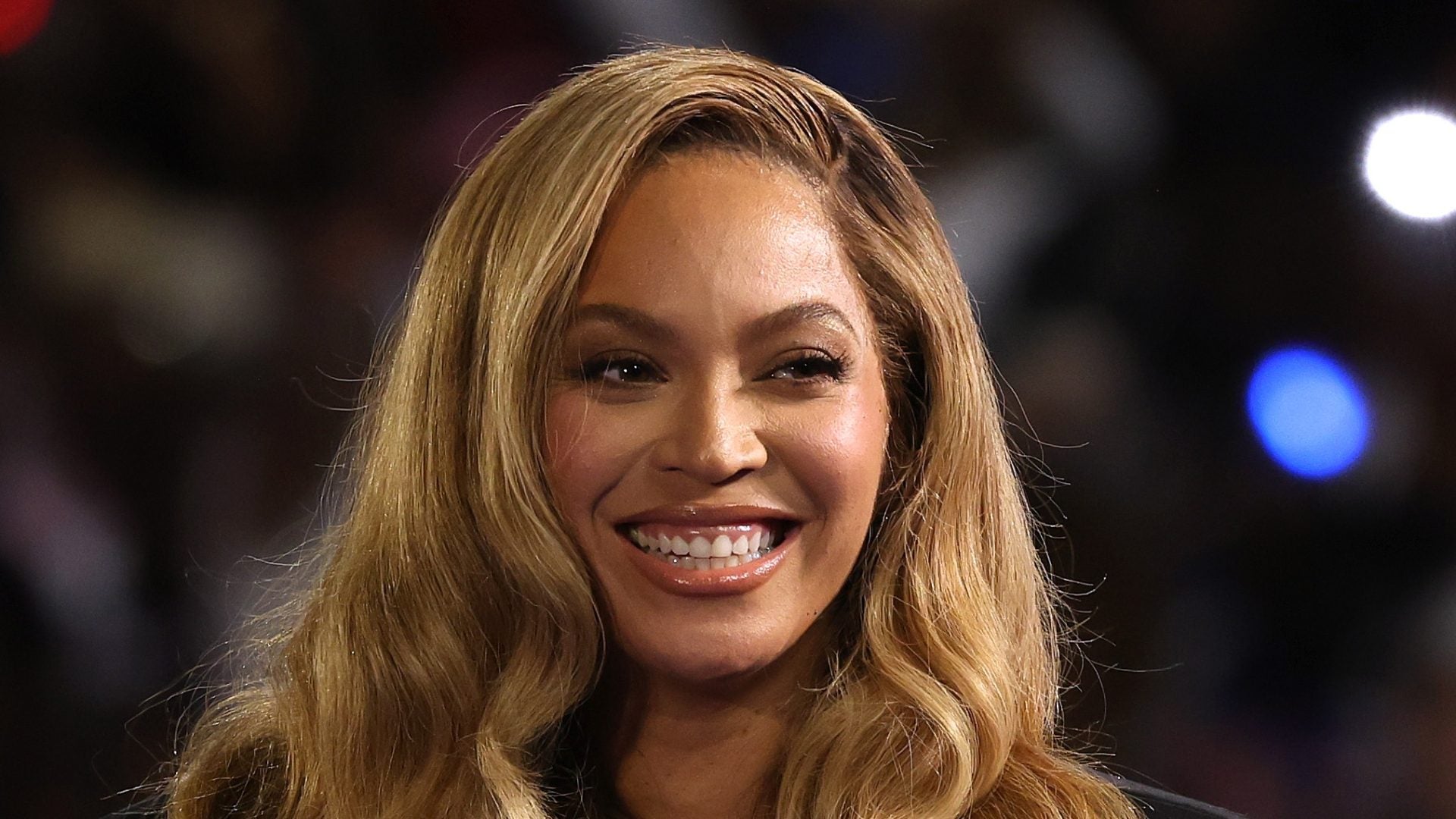

More than any other celebrity, Beyoncé has been endorsing the “recession blonde” hair trend all summer. “Recession blonde hair is a hair color trend where people embrace a more natural, lived-in blonde by blending brighter blonde highlights with darker, more muted tones, often allowing natural roots to grow out,” her long-time colorist and founder of Rita Hazan Salon Rita Hazan tells ESSENCE.
But, make no mistake, the look isn’t just for the ones who can afford a new style. In fact, the affordable trend is a response to the rising cost of salon appointments, including root touch-ups, which means it’s accessible regardless of your beauty budget. “While rising prices are inescapable,” Hazan says, “finding alternative solutions to maintain blonde hair is [still] possible.”
Read on for more about the color trend, drugstore products to buy, and expert tips on touching up your hair for the low.
What is “Recession Blonde”?
When money is tight, scheduling routine touch-ups to upkeep your blonde hair may feel less necessary. As a result, the color of your natural hair begins to grow from the roots, or, if you’re wearing a wig, your color may start to yellow and fade. “‘Recession blonde’ is a natural-looking blonde that’s darker at the roots and gradually lightens toward the ends, creating a soft, lived-in effect,” says celebrity hairstylist Dereq Clark.
While the style is a response to economic uncertainty and how it impacts our spending habits, the look can also be intentional. “It’s a strategic blend of your natural root color into your blonde so you don’t have that harsh line when your roots grow in,” says celebrity hairstylist Annagjid “Kee” Taylor. “It gives you the freedom to go longer between appointments while still keeping your hair looking dimensional and fresh.”
Think: soft root shadows, subtle melting, and that effortlessly sun-kissed look. “It looks expensive, but it takes way less upkeep,” she says.
Why is the style popular?
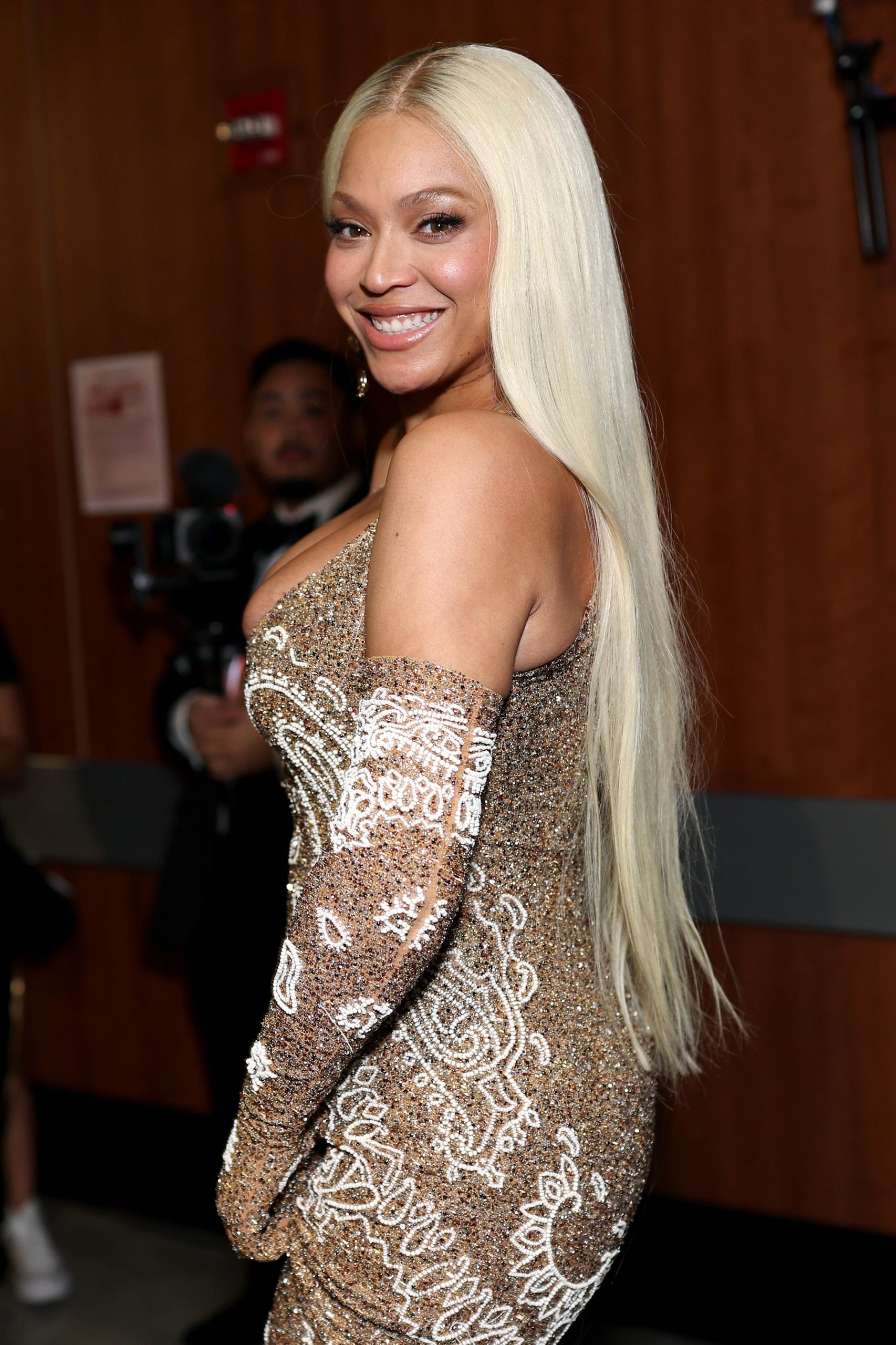
“Recession blonde (and brunette) has been trending over the past months due to the rising costs of in-person salon visits,” Hazan says. “This look has become such a popular trend due to its low maintenance, affordability, and shift towards enhancing your natural hair color.”
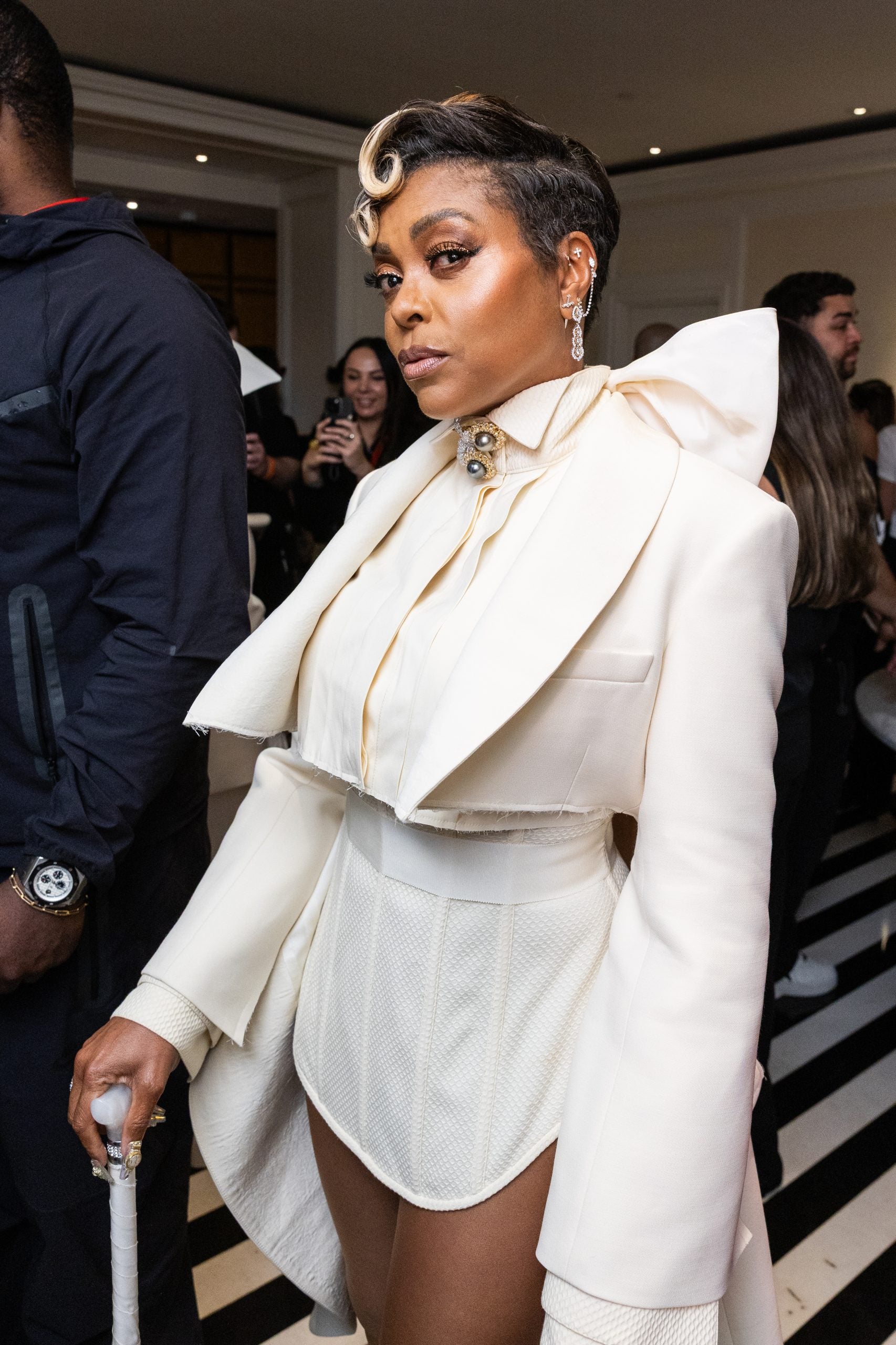
Seen on celebrities like Beyoncé, Ciara, and Taraji P. Henson, the style has normalized skipping touch-ups which, depending on location and colorist, can cost from $60 to over $150 dollars. Meanwhile, highlights can range from $200 to $600 dollars, and if you’re coloring a human hair wig, even more.
“People are busy; not everyone has the time (or the budget) to sit in a salon every four to six weeks,” Taylor says, which is why the lived-in look is preferred. “I think the whole ‘clean girl’ and ‘effortless beauty’ trend on social media helped push this forward.”
How do you extend the color life of blonde hair?
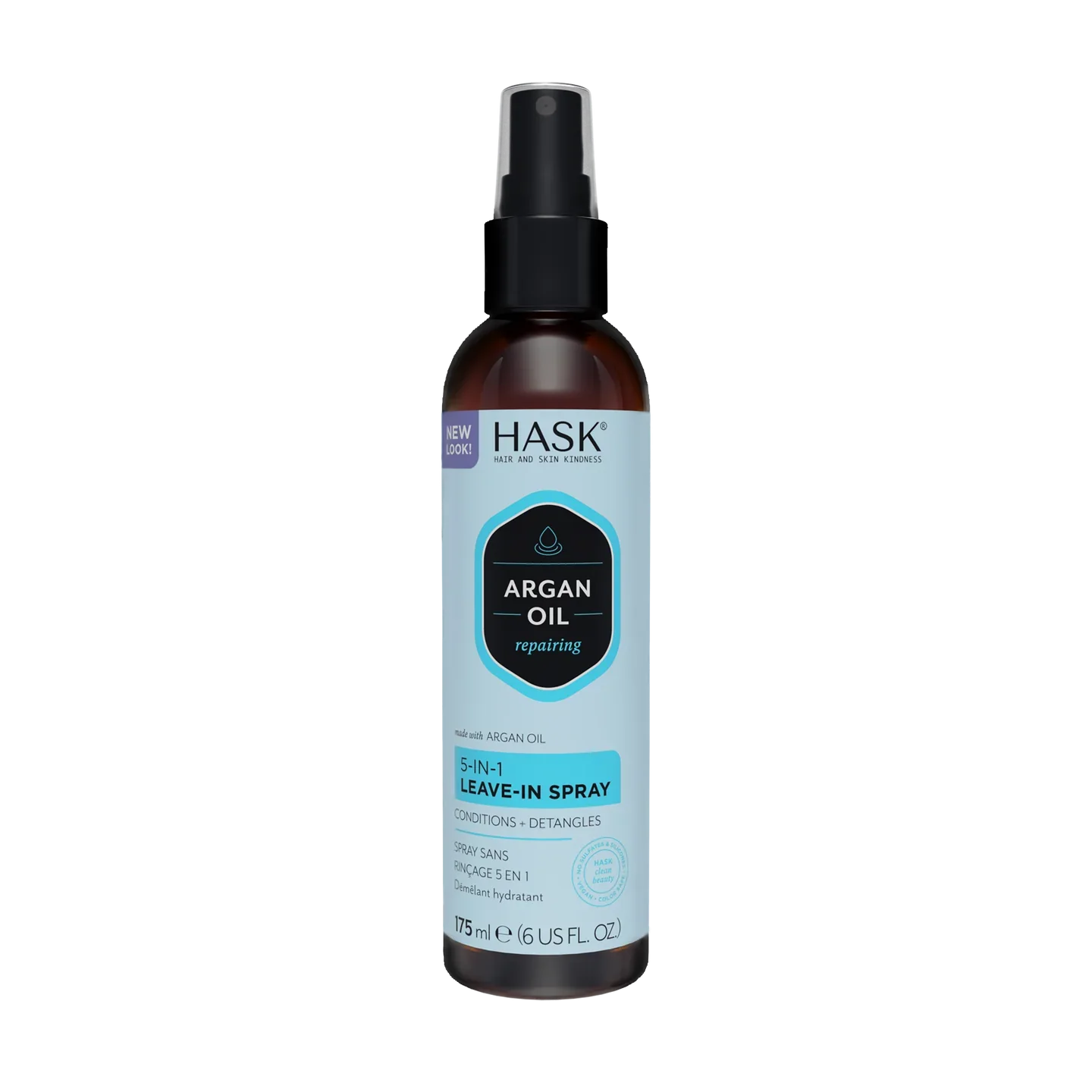
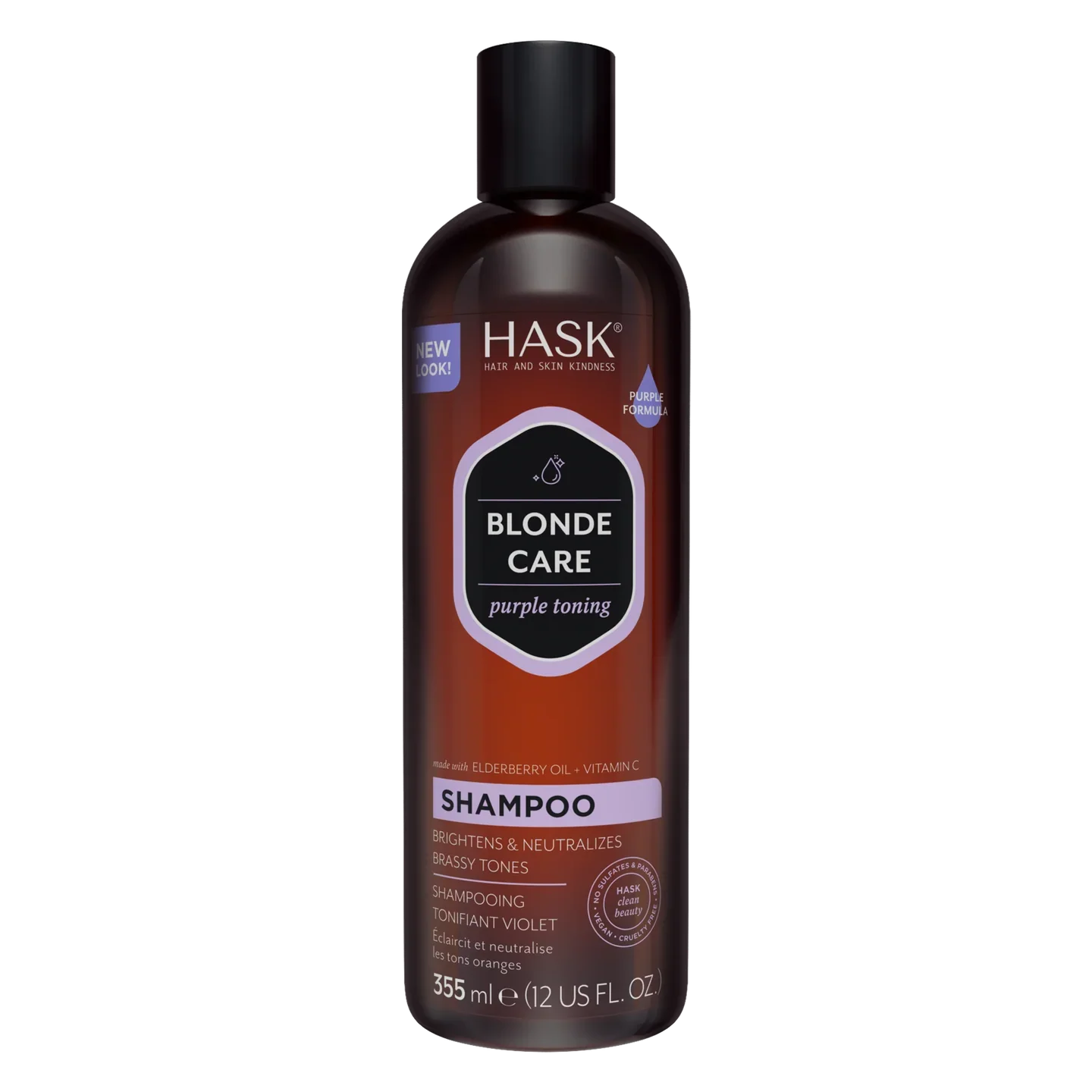
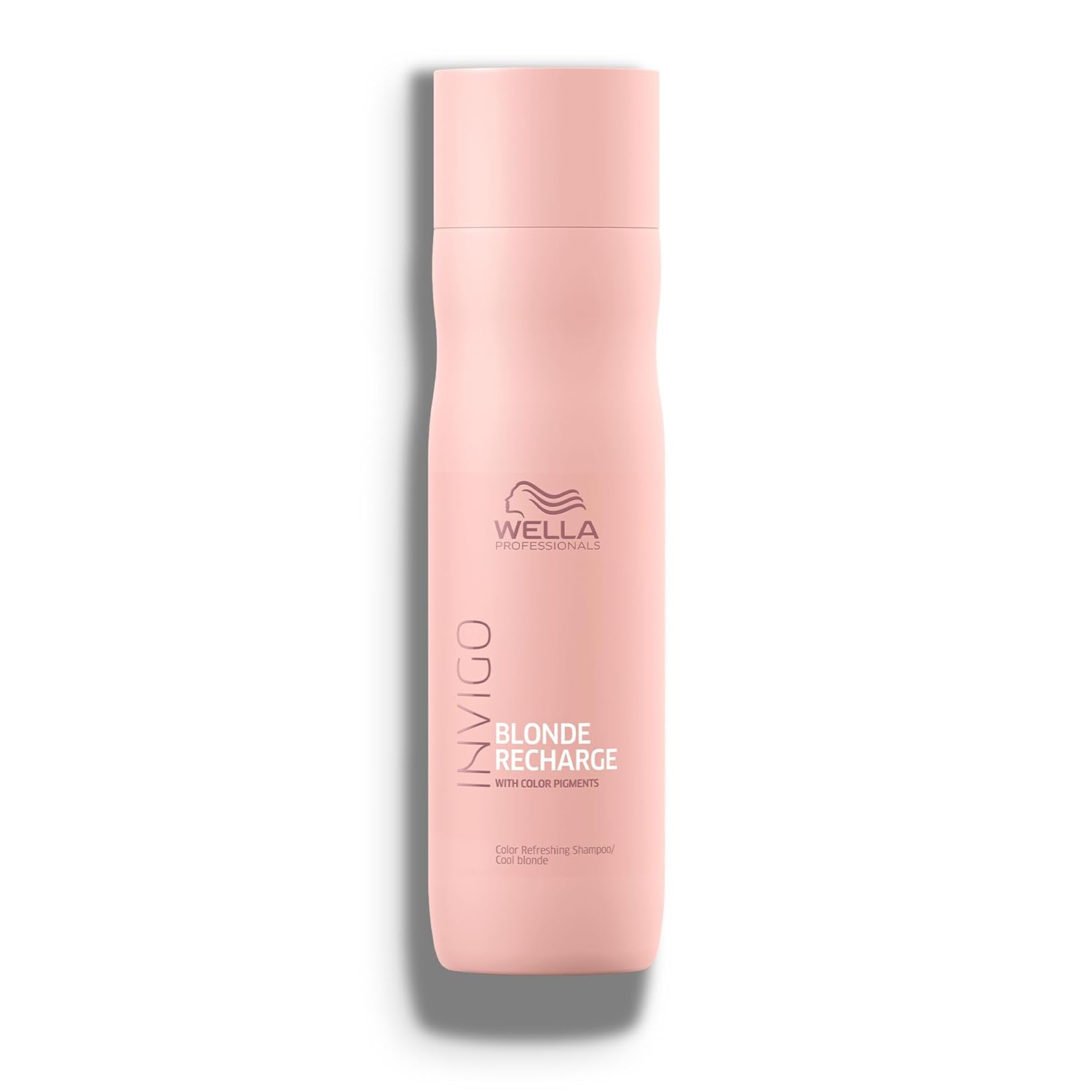
If you’re in the business of skipping appointments and letting your hair be lived-in, getting the most out of your style by extending your color’s lifespan doesn’t have to be expensive. “To extend the color life, use a purple shampoo like Wella Invigo Blonde Recharge to neutralize brassy tones, and maintain your color with regular toning and nourishing treatments,” Clark says. “Many people think they need more bleach when, in reality, they just need a good purple shampoo or a toner,” Taylor adds, recommending the HASK Blonde Care Purple Toning Shampoo.
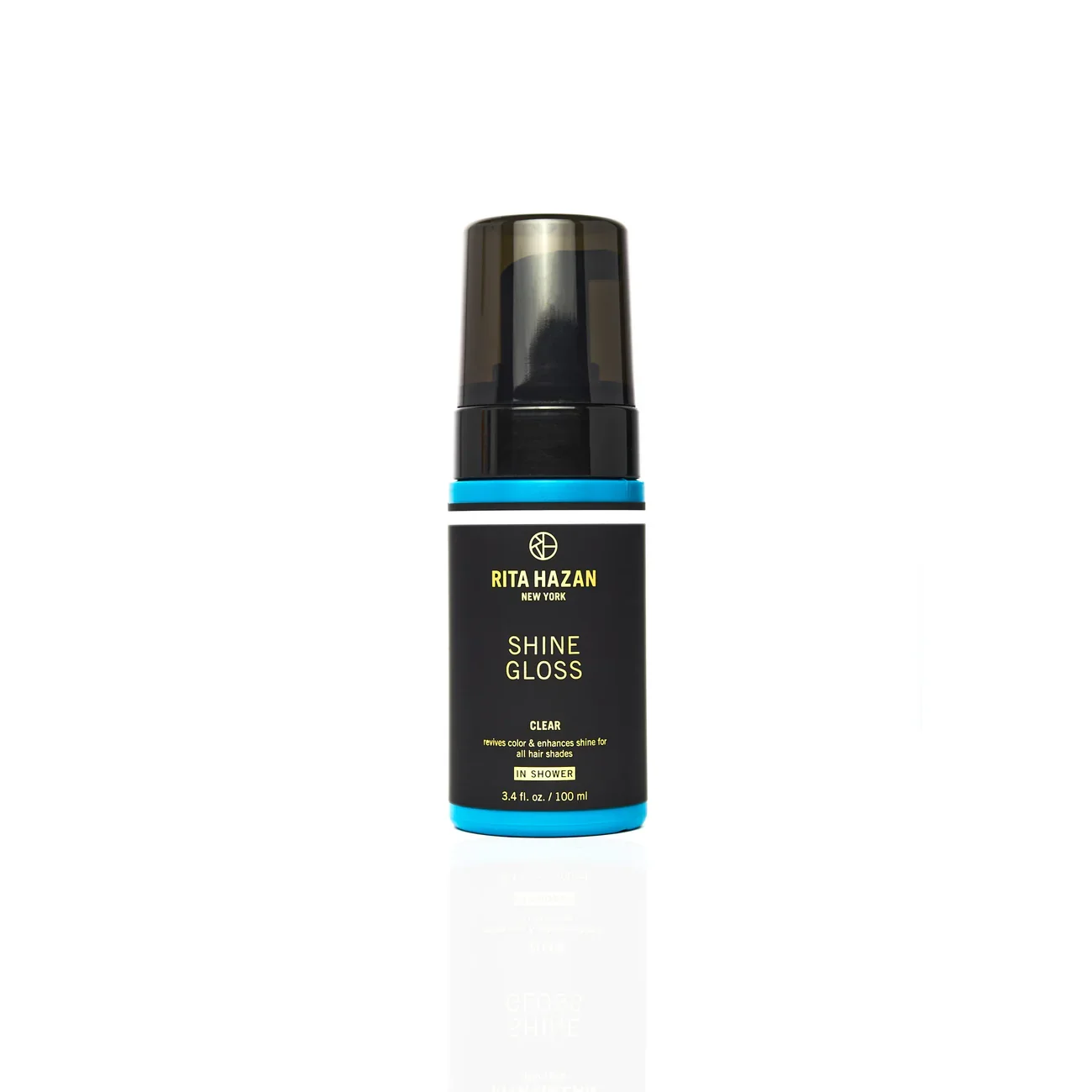
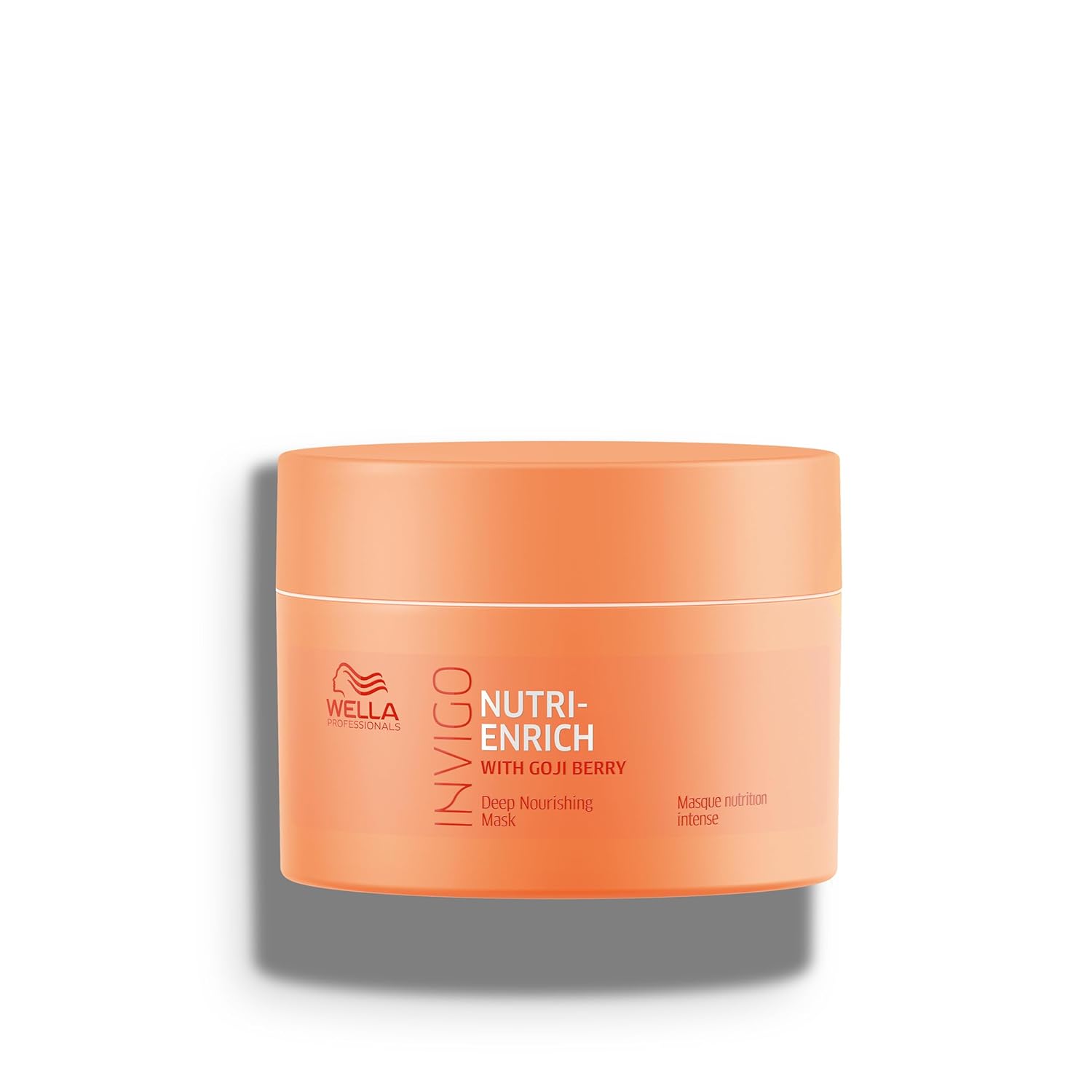
However, a color-treatment shampoo isn’t the only affordable solution to color care. “There are many ways to extend the color life of blonde roots,” Hazan says. While people often lean exclusively on purple or blue shampoo, Hazan says hair glosses and masks double in benefits for overall hair health.
Taylor agrees, adding that color-treated hair can get dry fast, and dryness makes your color look dull. “A weekly deep conditioner or glossing treatment can totally reset your blonde,” she says. “A good hydrating gloss is affordable, easy to apply at home, and makes your hair super shiny.”
How often should blonde roots be retouched?
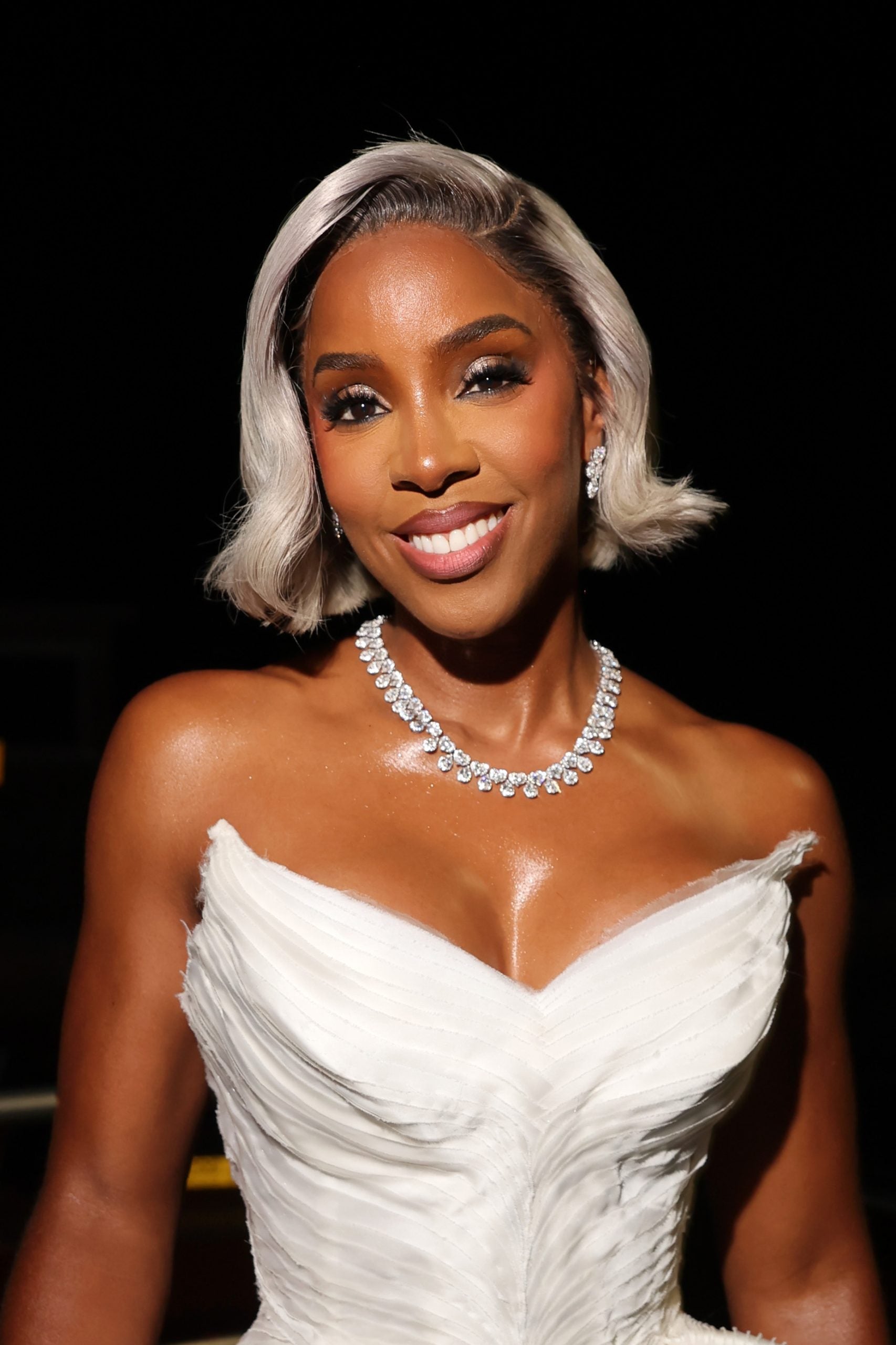
Recession blonde wouldn’t be “recession blonde” without overgrown brown roots. But, if you’re trying to avoid the look, “blonde roots should typically be retouched every 6 to 8 weeks, [but it] ultimately depends on your natural growth and the desired look you’re going for,” Clark says. For example, if you have platinum or traditional blonde hair, your roots may require a touch-up every 4 to 6 weeks. But, if you’re not afraid of the recession blonde look, every 8 to 12 weeks is perfectly fine.
“The whole point is to make the grow-out part of the look, so as long as your tone is still good and the blend is holding, you really don’t need to come in as often,” Taylor says. “This color is designed to fade gradually, making it extremely low-maintenance.”
What are the steps to retouching your roots at home?
“When clients ask me about retouching their roots at home, I always recommend to take your time, prep properly, and not rush it,” Taylor says. “It’s not a hard process, just one that’s worth doing with intention.”
- Start by preparing your color kit, ensuring you have all the tools you need.
- Carefully section your dry, unwashed hair with clips to help with the application process.
- Using a brush, apply the color on the roots, starting from the back of your head and on the roots only.
- Allow the color to process according to the instructions.
- Once the processing time is complete, rinse your hair thoroughly, shampoo it and follow with a nourishing conditioner, like the Cheribe Daily Refresh Moisture Milk.
What To Do When You Don’t Have Money For A Retouch
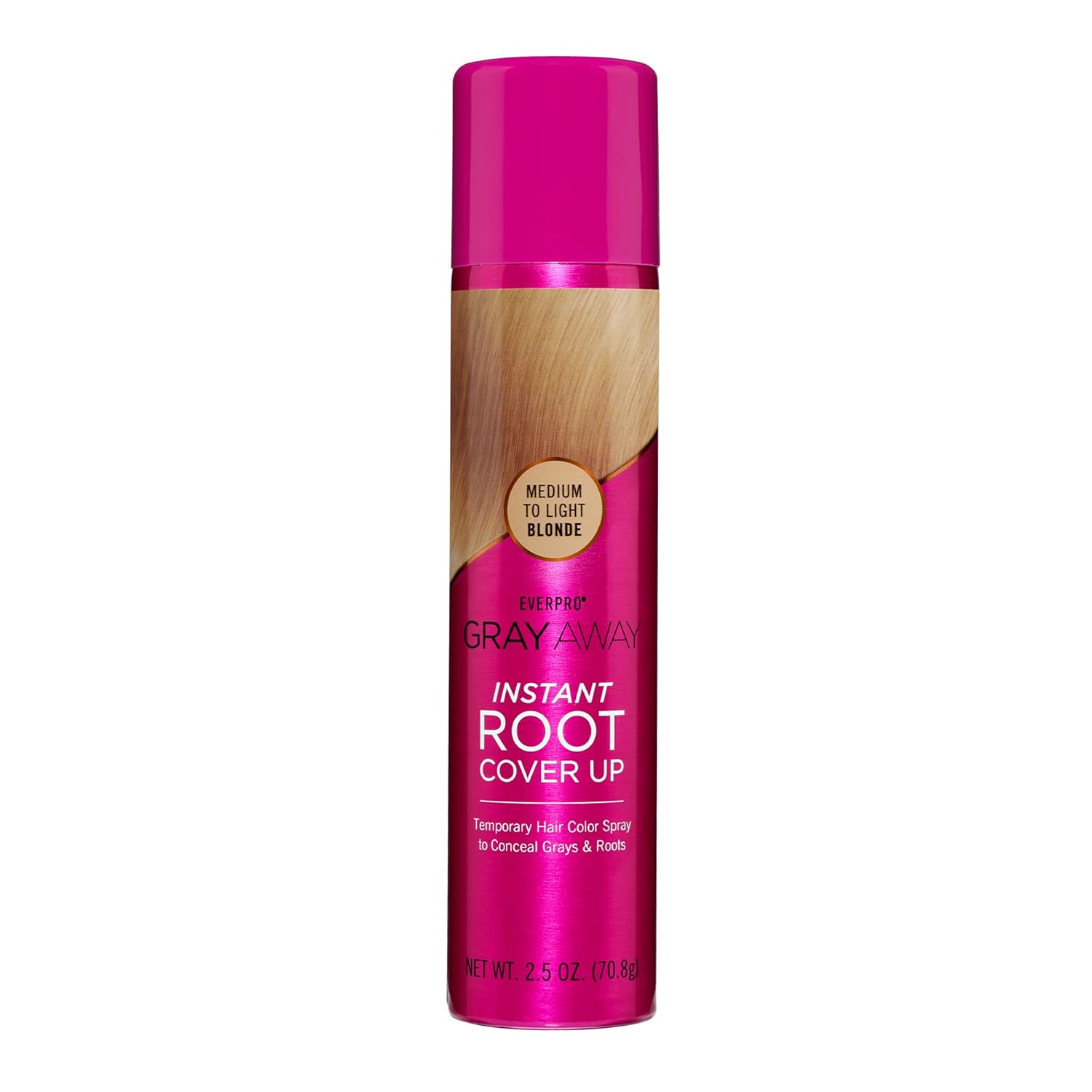
The point of recession blonde is to be as accessible as possible—even if it means cutting corners. “There are definitely ways to stretch the time without compromising the look,” Taylor says, with root cover-up spray being the most affordable color cheat. All you have to do is apply it in the shower like conditioner and rinse it out after 10 to 20 minutes, she says. “It’s not a long-term fix, but it can buy you some time if you’re pushing your next salon visit.”
Otherwise, if you don’t want to buy any products at all, high buns, messy parts, and waves are a styling hack to make your roots look more blended. “It’s all about working with your grow-out instead of hiding it,” Taylor says. Meanwhile, specific cuts and colors look better with age: “Balayage or lived-in blonde shades are great alternatives [to recession blonde] as they grow out more naturally and allow you to extend the time between retouches at the salon,” Hazan says.
What should you avoid when DIY-ing?
If you’re not a professional and decide to skip your root touch-ups, knowing what not to do can save the health and appearance of your hair.
- Before testing on a full head of hair, it’s always important to do a test strip to avoid any reactions or mess ups.
- Don’t guess on processing time; make sure you follow the instructions directly.
- After the first rinse, shampoo, and condition, skip shampooing for at least 48 hours after coloring to allow everything to settle and last longer.
- Make sure you’re picking up the right products (fixing your mistakes can be much more expensive than doing it right the first time.)

The Best Products Under $20 Dollars To Maintain Your Roots
“The most important step to retouching your hair at home is picking up the right product,” Hazan says. “If you’re going to maintain your color at home or between appointments, it should feel achievable, not overwhelming,” Taylor adds.