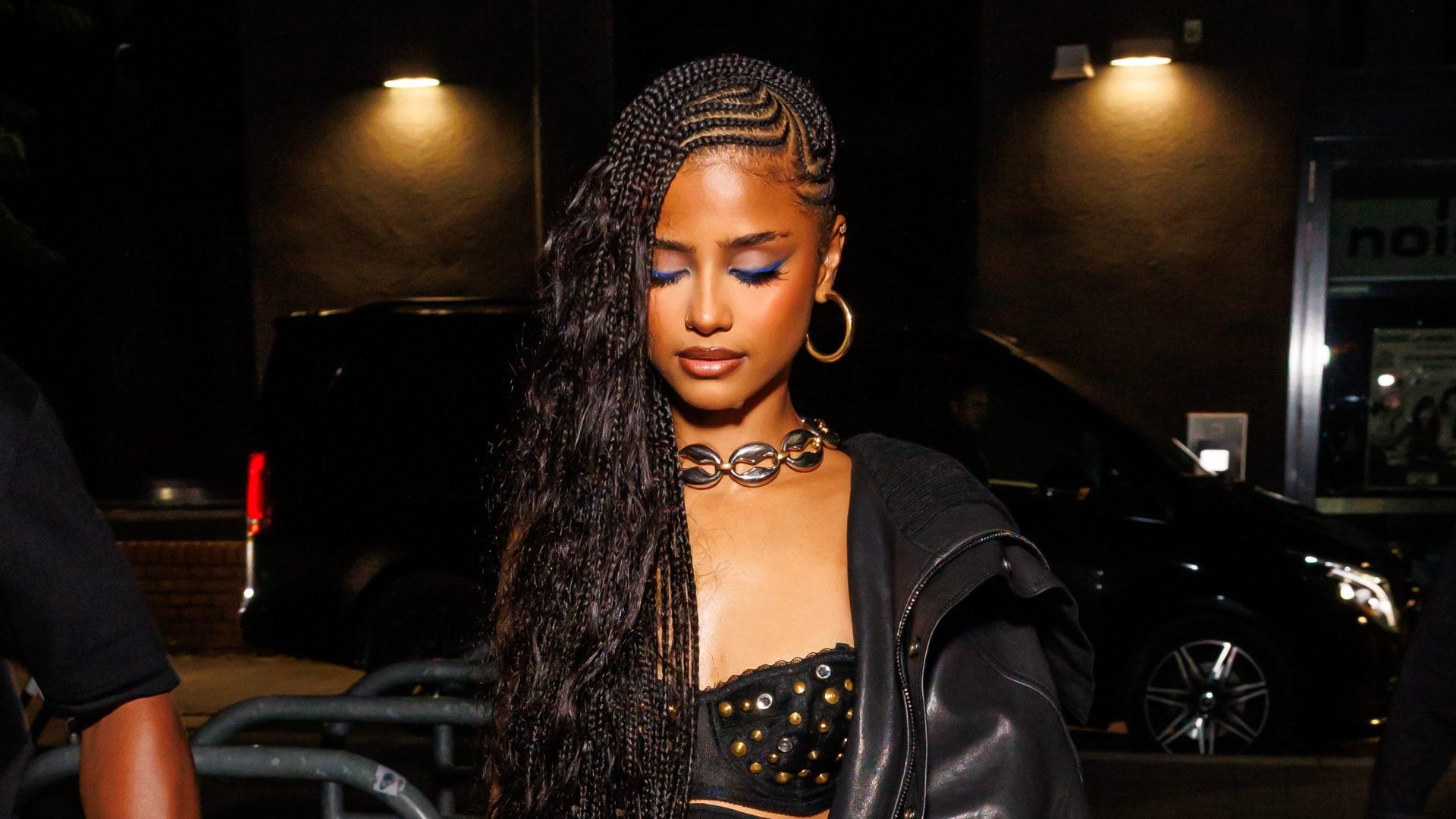

I will never forget the first time I saw Fulani braids. I was obsessed for a plethora of reasons: their versatility, the unique patterns they created with hair, the beautiful tricolor combinations used, and how easy they were to care for.
Extension braids have experienced a notable increase in popularity over the past five years. As more women embrace their natural hair, the famed bohemian ‘boho’ braids were constantly peppered across my Instagram feed, but Fulani braids seemed to have taken over. The intricate patterns were a beautiful adaptation of traditional cornrows, while the bohemian curls added a soft and feminine touch.
After seeing the style adopted by celebrities like Rihanna and Zendaya, I began to wonder what made this style so popular. While hairstyles are known to come and go, Fulani braids have made their mark on the hair industry and don’t appear to be leaving anytime soon. Though the style can be embraced by anyone, I was surprised to learn about the cultural and historical roots of the famed braids.
Most braids can be traced back to roots in Africa, but the Fulani braids have a unique story. Originating from the Fulani people of West Africa and the Sahel region, the hairstyle was characterized by intricate patterns, including a central braid down the middle of the head, various loops, and the tips, which were often adorned with shells and decorative jewelry.
“Unlike box braids or knotless styles, Fulani braids are deeply ornamental and architectural, combining precision with beauty,” says Stephanie Hinkle, Textured Hair Artist, Licensed Dietician & Yoga Instructor, Keranique. “The style celebrates both structure and creativity, blending protective function with cultural storytelling and artistry.”
The style also served as a means to represent social status. Braiding patterns and adornments, such as intricate beadwork or coins, were used to communicate a person’s place within the community, while specific styles and decorations were used to signify whether a woman is married or single. Tribes often used valuable materials, such as cowrie shells, silver coins, or amber, in braids, which could indicate a person’s wealth or a family’s heritage.
In recent months, braiders and Black women alike have combined two popular styles, bohemian ‘boho’ and Fulani braids, creating the ultimate fusion of heritage and style.
“The boho is the best of both worlds – the volume of loose curls with the neatness of braided hair. It’s a fresh take that still honors the roots of the original look,” says Maya Smith, founder of natural hair care line The Doux. “Today, you’ll see modern takes that play with color, pattern, and adornment, but the roots remain the same.”
The braids also serve as an ideal protective style, promoting growth and protecting from breakage and shedding while allowing creative expression through design. Caring for bohemian Fulani braids can be a bit tricky, as the curls can easily become tangled. However, Smith recommends creating a routine and prepping the hair first.
“Be clear about the size, length, and how much loose hair you’d like left out. Most importantly, make sure your natural hair is clean, moisturized, and detangled before your appointment for the best results,” she advises. “Sleep with a long bonnet or silk scarf to protect the style and prevent frizz. If your braids include human hair, lightly mist them with a leave-in conditioner like the FRESH TO DEF Curl Refresher, then follow with MOUSSE DEF Texture Foam to restore shine and definition.”
As seasons and times change, hairstyles will also adapt, but Hinkle anticipates Fulani braids are here to stay.
“The resurgence of Fulani braids in all their forms, traditional, modern, and boho, proves one thing,” she says. “Heritage never goes out of style. Every bead, braid, and curl tells a story that continues to inspire generations.”