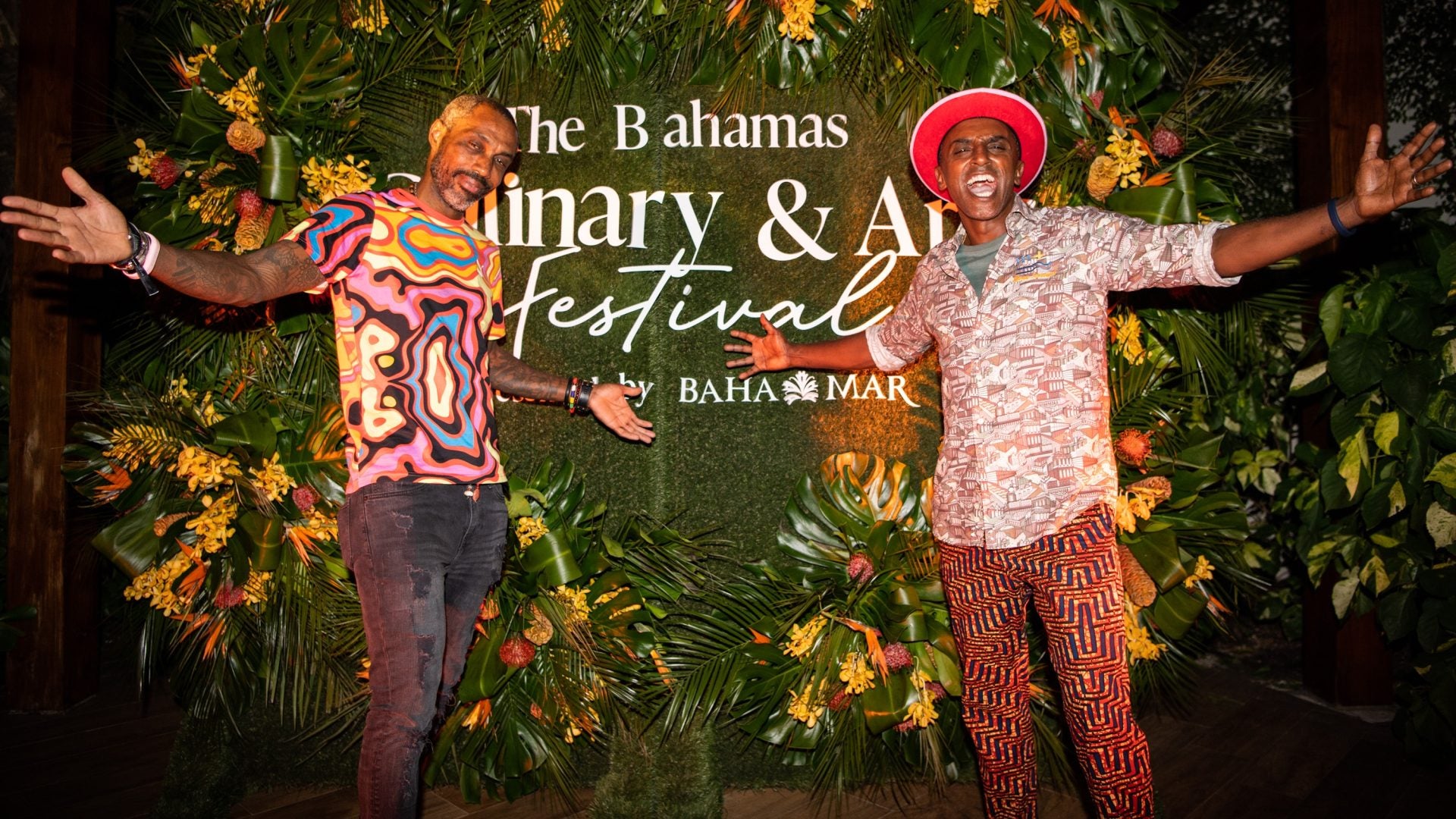

Art is funny in the way it finds you. It sort of pulls you in before you even realize you’re searching for it. That’s how the FUZE Caribbean Art Expo at Baha Mar felt. Less like a scheduled stop and more like something calling me by name. Before I even relaxed into the vibes of the island, it was the art that introduced itself first: vivid, insistent, generous. A nudge back into why creative expression is so vital, especially for people who look like me.
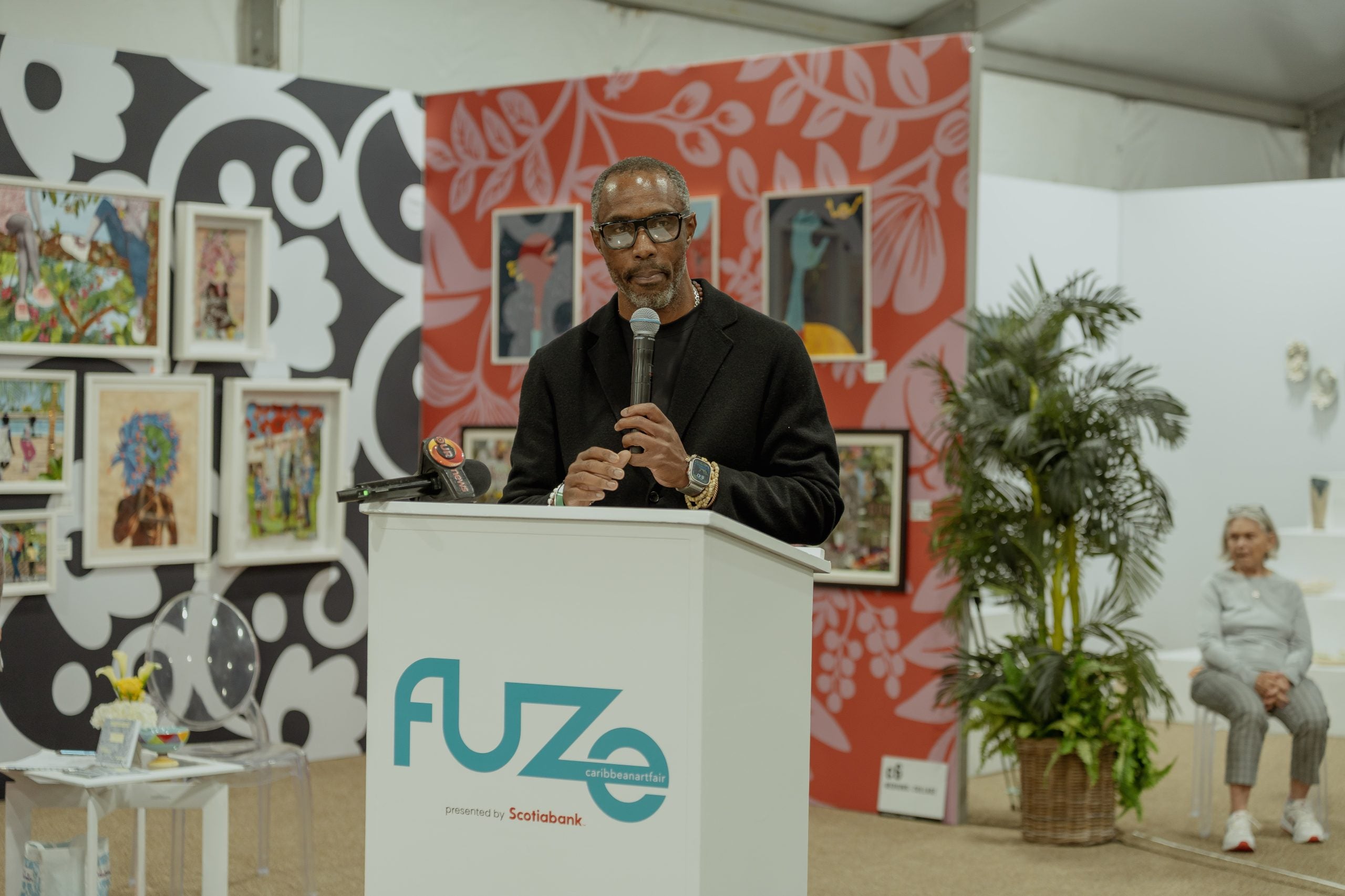
The expo, led by John Cox, was a world unto itself. Cox has spent years cultivating a space where Caribbean art isn’t just displayed, it’s honored, interrogated, protected, and celebrated at the scale it deserves. He told me that each year has been strong, but sustaining this momentum requires tightening, fine-tuning, and unwavering commitment. And walking through the fair, you feel exactly that: galleries anchoring their represented artists, independent artists carving out presence, and a collective pulse that stretches across 17 countries and 85+ creators. It’s not simply an exhibition. It’s a living archive.
But what stayed with me the most wasn’t the scale, but the intimacy. The way certain pieces stopped me mid-step.
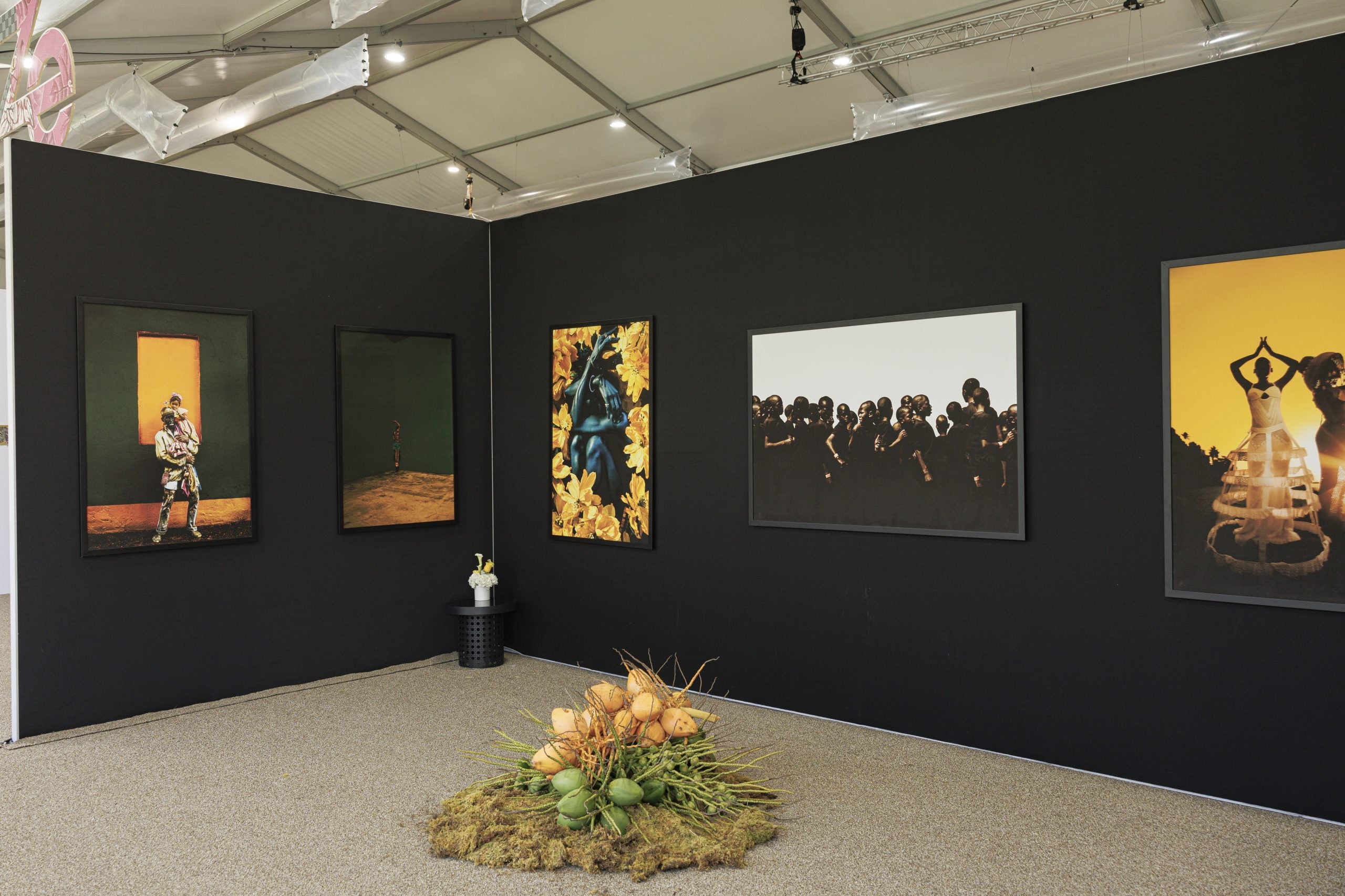
I kept circling back to the work of Javon Nixon. His series Tingum, which reflects on the tension between memory and object, presence and absence. Felt like an invitation into a quiet, interior world. Tingum loosely refers to something forgotten, but the irony is that his work felt anything but forgettable. Nixon describes it as poetry on the incomplete. My own interpretation felt like poetry on what lingers, on the things we pretend we’ve misplaced when really, they’re still haunting our consciousness. I loved that contradiction. That private conversation between what the artist names and what the viewer feels.
Then there were the artists and historians dedicated to preserving Jamaican and Caribbean art, from the likes of Edna Manley, A.D. Scott, John Dunkley, and so many others. Their presence struck me in a very specific way. It reminded me that art for Black people isn’t just creativity — it’s continuity. It’s our way of archiving ourselves in a world that hasn’t always kept our records intact. The works felt like time capsules, like messages to the future, like reminders that someone has to safeguard what we inherit so our next generation doesn’t have to start from zero.
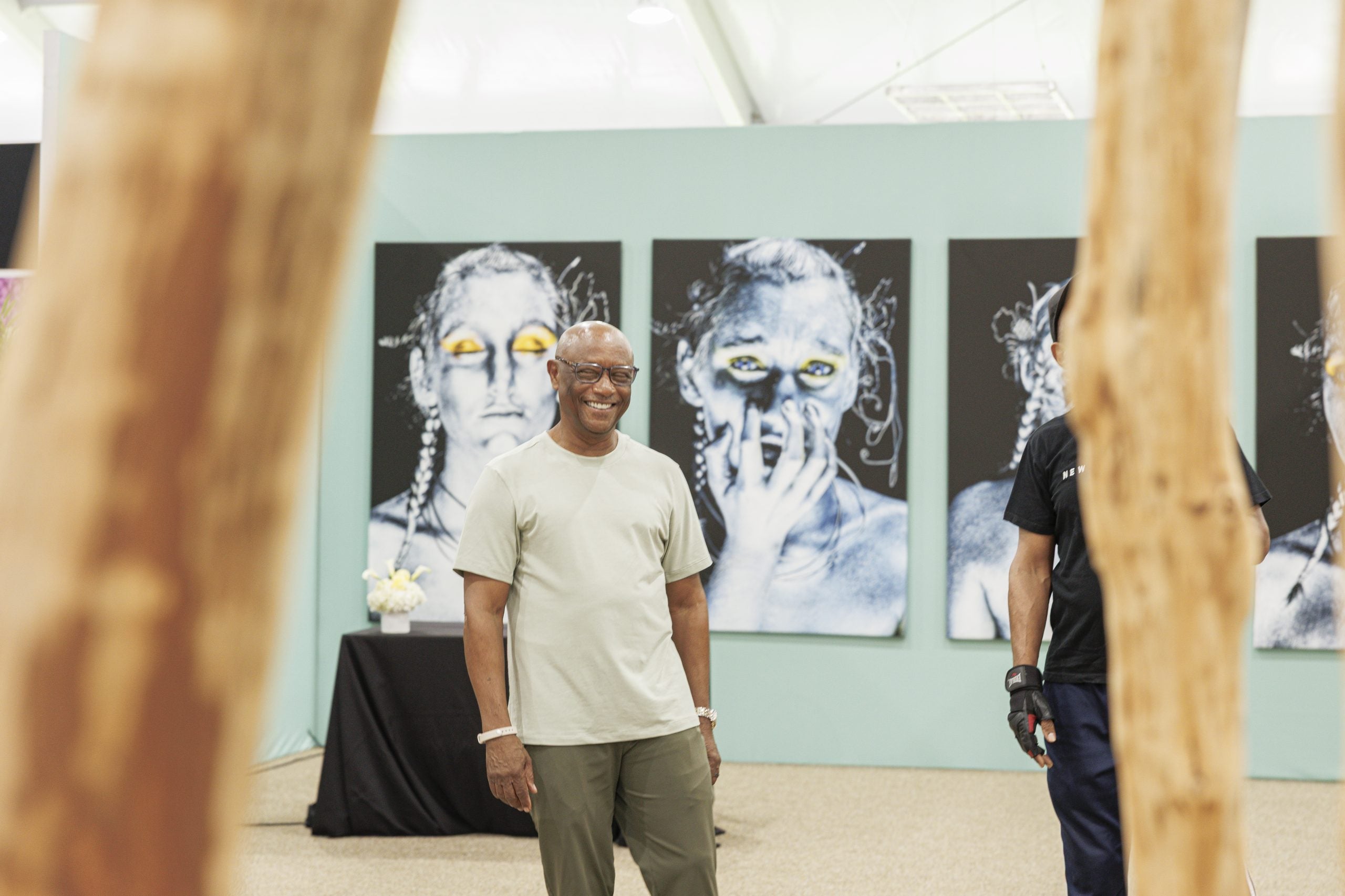
This idea followed me into the National Art Gallery of the Bahamas. Room after room revealed how Caribbean art makes space for all the complexity of migration, spirituality, humor, rebellion, mourning, joy. Every piece held a story that felt both personal and collective. It wasn’t just that the work was beautiful. It was that it insisted on being seen. It insisted on being remembered.
But beyond the visual artistry, it was the culinary programming that grounded the weekend in a different kind of creativity, one rooted in memory, heritage, and a deep sense of place. Wandering between tastings felt like moving through living stories: dishes that carried generational secrets, spices that hit with both warmth and nostalgia, chefs who treated their plates like canvas. There was something intimate about the way food invited conversation, softened strangers, and made the island’s culture feel even more alive. Every course, every bite, felt like an extension of the Bahamian spirit: bold, generous, and effortlessly soulful.
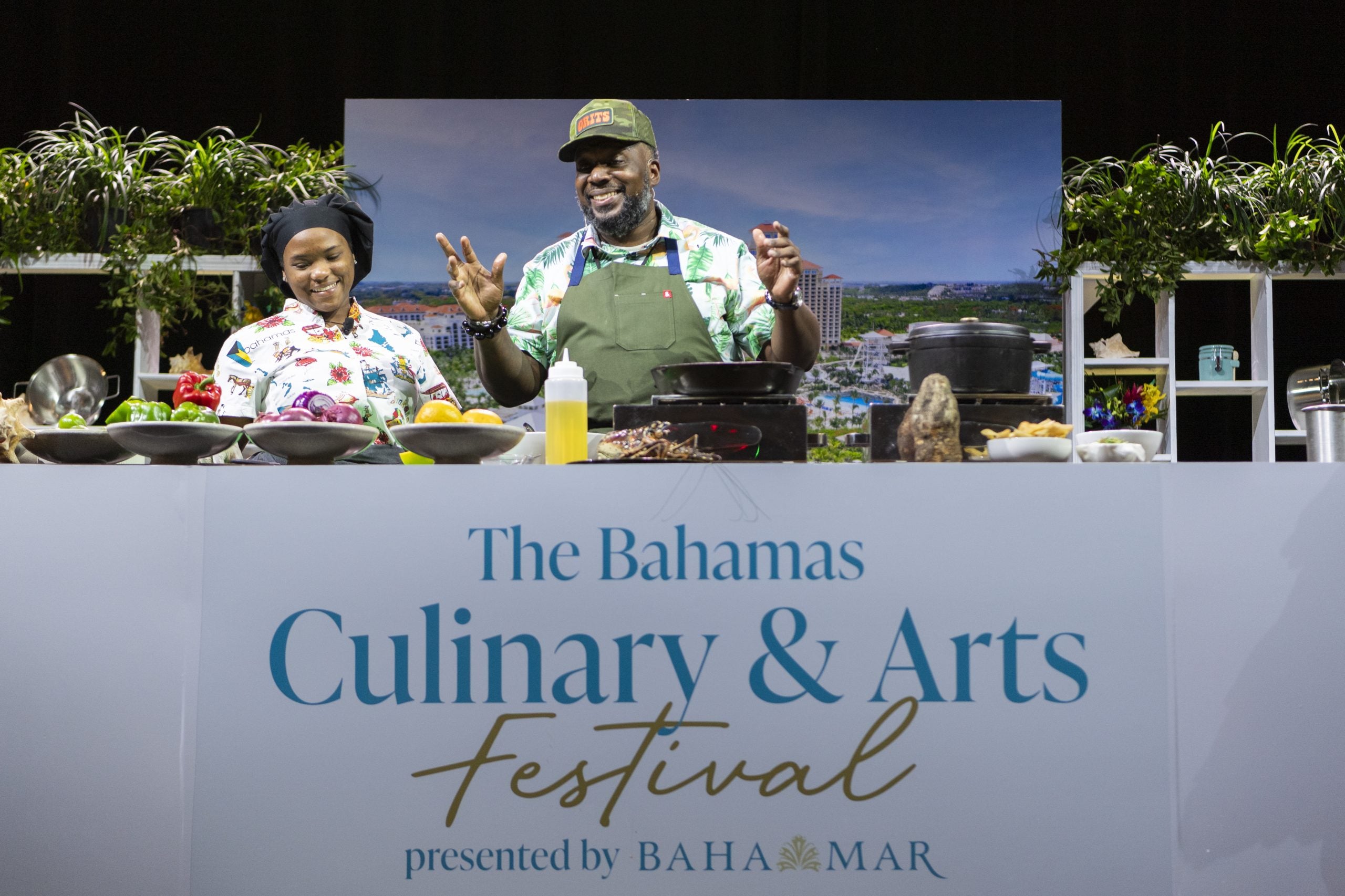
Only after the art, visual and musical, had filled me up did I fully appreciate the culinary side of the festival. A parallel language of creativity led by Daniel Boulud, Marcus Samuelsson, Scott Conant, Dario Cecchini, Amanda Freitag, and local favorite Simeon Hall Jr. Their demonstrations and classes weren’t just cooking but storytelling. A reminder that taste, too, can be a cultural archive. That the Caribbean’s influence stretches far beyond its borders, even onto the plates of global culinary icons.
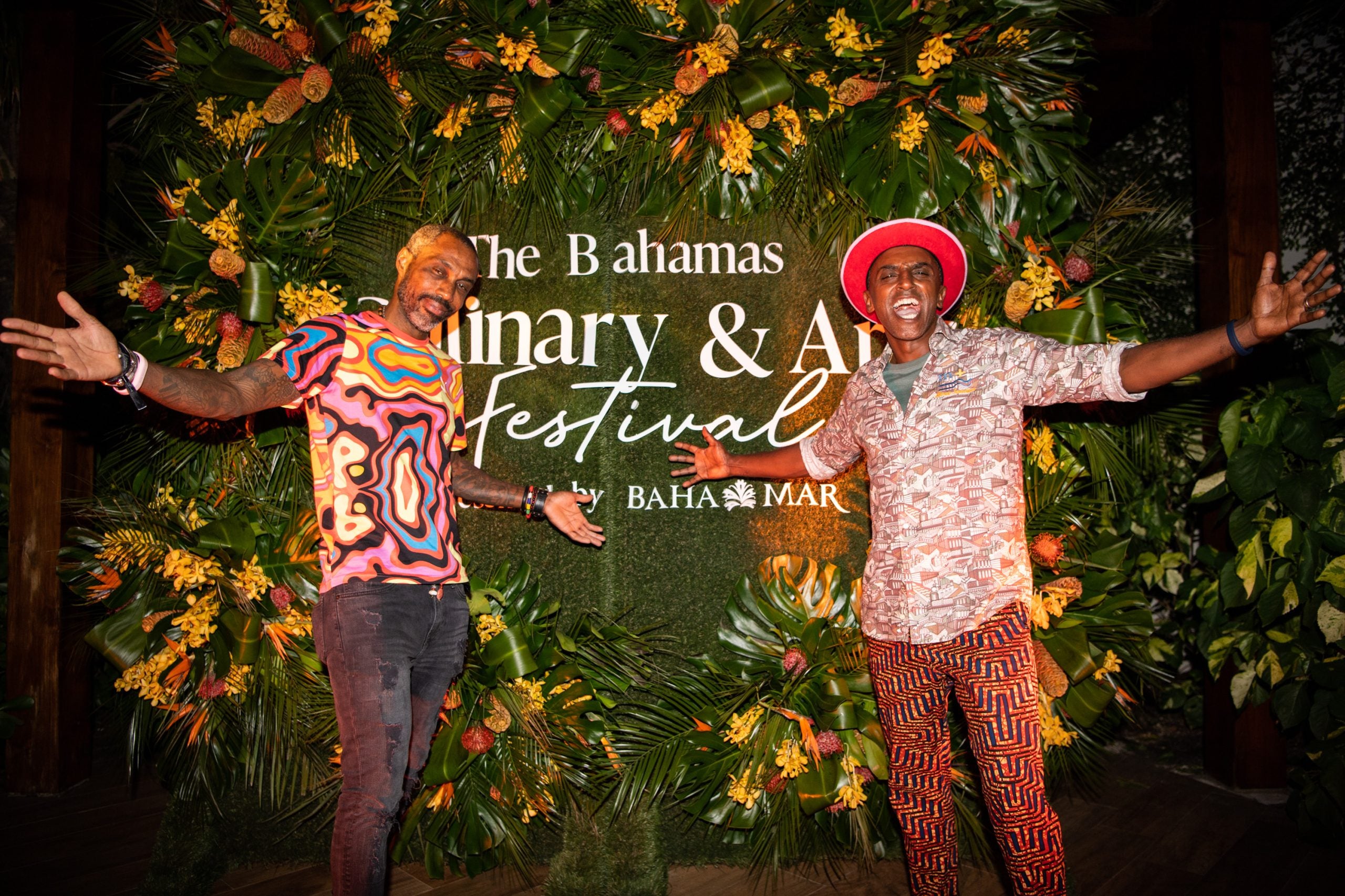
The VIP dinner featuring those chefs felt like a celebration of the same artistic spirit I’d seen in FUZE. That creativity isn’t one thing, but many things speaking to each other. That food, like art, holds memories. And memory, like art, shapes identity.
One of the most enlightening moments came during the panel What Art Fairs Mean for the Future of the Region, hosted by Dr. Craig Smith. It was my first all-artist panel, and hearing their perspective shifted something for me. The conversation around critique stuck with me — that artists don’t view it as criticism but as a question of expectation. That they either meet or exceed the standard of their own work, and only consider feedback from educated voices they respect. It made me realize how much of life we spend internalizing opinions that were never meant for us.
Somewhere in that discussion, I realized I am exactly the target audience for art fairs. The person who wanders in “just to look” and ends up learning, absorbing, connecting, almost accidentally. And that’s the magic of these fairs: they open doors you didn’t know were there. They expose you to ideas, histories, and interpretations that expand how you see yourself and the world. They create jobs, build industries, and fuel collaborations that carry culture forward. Art reminds us who we are and who we can become. It’s a muscle. A pulse. Or, as FUZE’s Director and Baha Mar’s Director of Arts & Culture, John Cox beautifully puts it, “a kind of creative cardio that keeps us alive.”