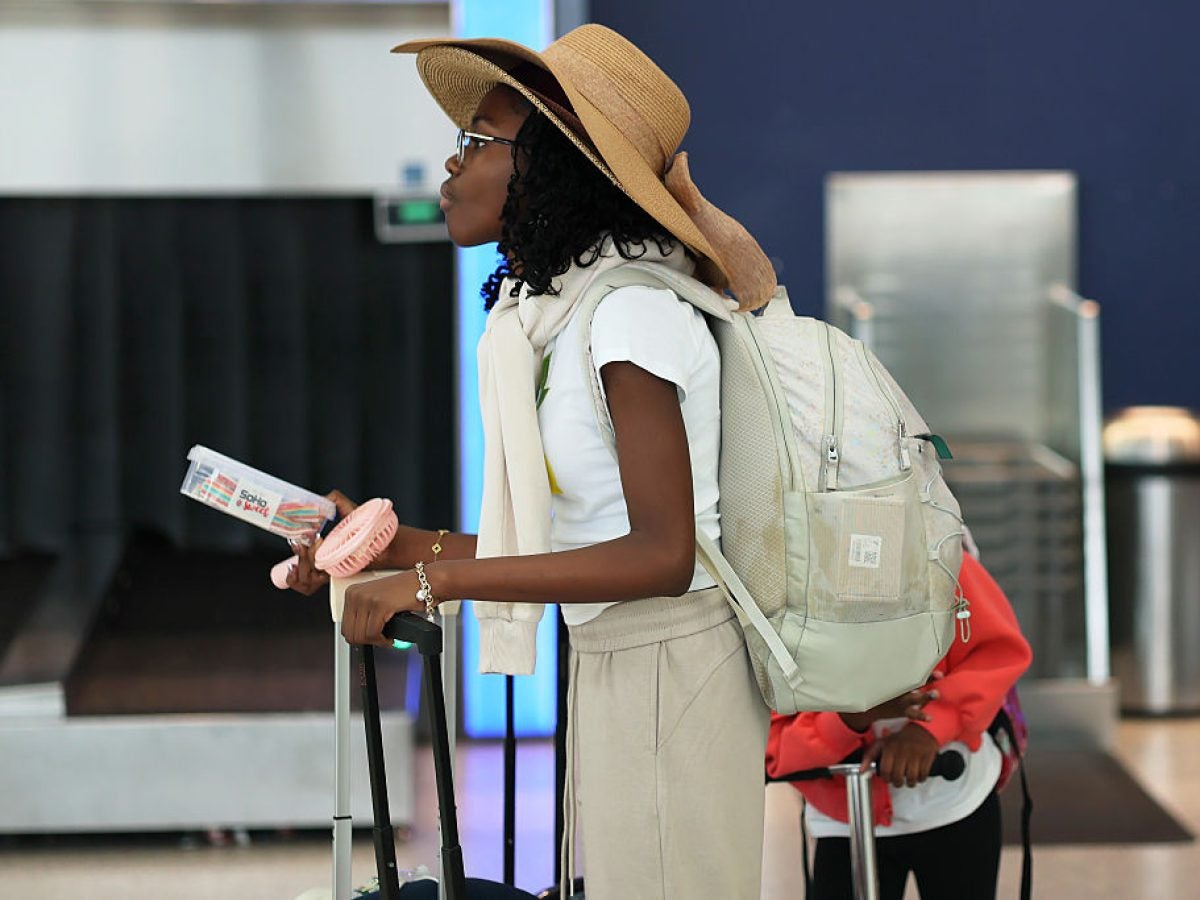

The U.S. Department of Transportation released a campaign late November, declaring an attempted “return” to the “Golden Age of Travel.” There were a few behaviors emphasized in the campaign, like exercising common courtesy and thanking your flight attendants, but there was one item that stood out as controversial. USDOT pushed for fliers to “dress with respect.” On its face, maybe that seems like a reasonable request, but digging deeper, it’s riddled with absurdity and unreasonable respectability politics.
There have always been unruly passengers who may lash out at crew and fellow fliers, but it feels like a new wave of people acting out spiked after the pandemic settled in. Some fliers fought against wearing masks; others loudly disrespected their seatmates (including many a racist tirade), and so on. But the USDOT’s November campaign doesn’t address root problems as much as it shifts blame onto the customer and makes a spectacle of the easiest thing to judge: how someone looks.
“I call this dressing with some respect, whether it’s a pair of jeans and a decent shirt. I would encourage people to maybe dress a little better, which encourages us to maybe behave all a little better,” USDOT Secretary Duffy said in a press conference, trying to remedy what he says is a 400% increase of in-flight outbursts. “Let’s try not to wear slippers and pajamas as we come to the airport.”
Encouraging people to dress with “respect” is not only highly subjective, but it assumes, for example, that if a passenger is wearing slacks on an airplane, maybe they won’t act unruly. We all know, this is not how it works. Someone in a suit can lash out just as ridiculously as someone in a T-shirt and jeans. Trying to create this expectation also risks exacerbating implicit biases against Black fliers and people of color, whose clothes are already scrutinized everywhere, including airports.
That bias is already in airports and on planes, whether it’s a flight attendant declining medical help from someone because they don’t “look like a doctor” or bias against non-White male pilots. This new campaign is ultimately about respectability politics, and it encourages making assumptions and possibly scapegoating people based on how they dress.
The USDOT campaign received plenty of backlash online. To start, people will wear what they want to, reasonably, onto a flight they paid their own money for. As seats continue getting smaller and airlines find new ways to squeeze us closer together with less leg room, dressing for comfort probably helps morale more than it hurts it. A “Golden Age of Travel” could instead start with airlines offering better experiences. Should passengers want to dress up in a trendy lounge set, lauded by fashion magazines across the board, they can.
At the same time USDOT put out these requests, mere days after the longest government shutdown in U.S. history, it ironically moved forward in removing protections for fliers who have canceled or delayed flights. To many, the campaign seems like energy misspent.
Holiday travel is stressful enough. There are increased wait times, delays, potential last minute fees from airlines, and much more. We already know it’s important to be respectful and courteous. Get dressed in what makes you feel good, whether that’s a wool coat, trousers, and silk shirt or a matching loungewear set.