
This article originally appeared on Time.
The Senate will push off a vote on its health care bill until after the July 4 recess, amid mounting signs of trouble for the Obamacare repeal effort, according to senior lawmakers.
The Better Care Reconciliation Act had been slated for a vote this week, but a number of Republican senators have expressed reservations about the bill in its current form.
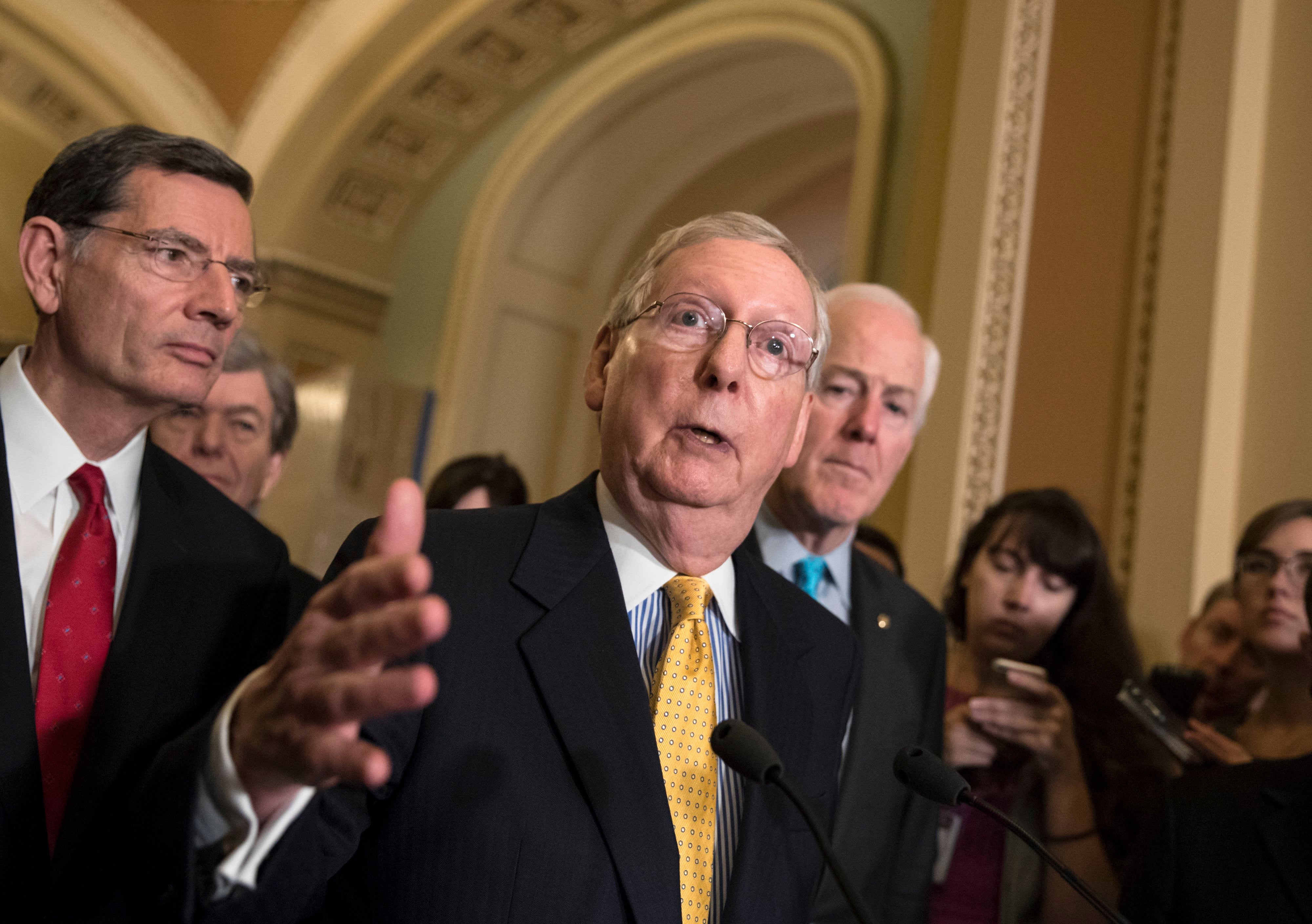
In a meeting with Vice President Mike Pence Tuesday, Senate Majority Leader Mitch McConnell said the vote would be delayed, according to senior lawmakers who were present at the meeting.
Because Republican leaders hope to pass the bill using reconciliation, a budget procedure that allows a simple majority vote, they can afford to lose only two of their own members on the vote. But several senators said they could not back the bill yet: Kentucky Sen. Rand Paul, Maine Sen. Susan Collins, Utah Sen. Mike Lee, Alaska Sen. Lisa Murkowski and Wisconsin Sen. Ron Johnson.
Paul tweeted Tuesday afternoon that the met with President Trump, who was “open to making the bill better.” Trump also invited all Republican senators to the White House for a meeting Tuesday afternoon.
The Senate health care bill would leave 22 million fewer people with insurance and reduce the federal deficit by $321 billion by 2026, according to the nonpartisan Congressional Budget Office.