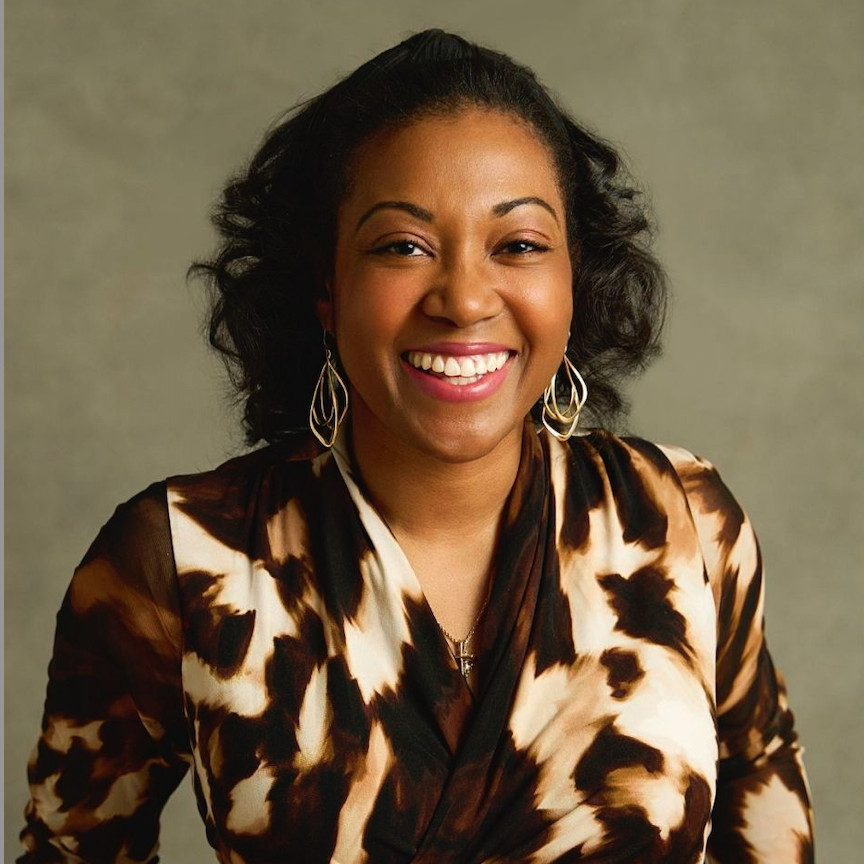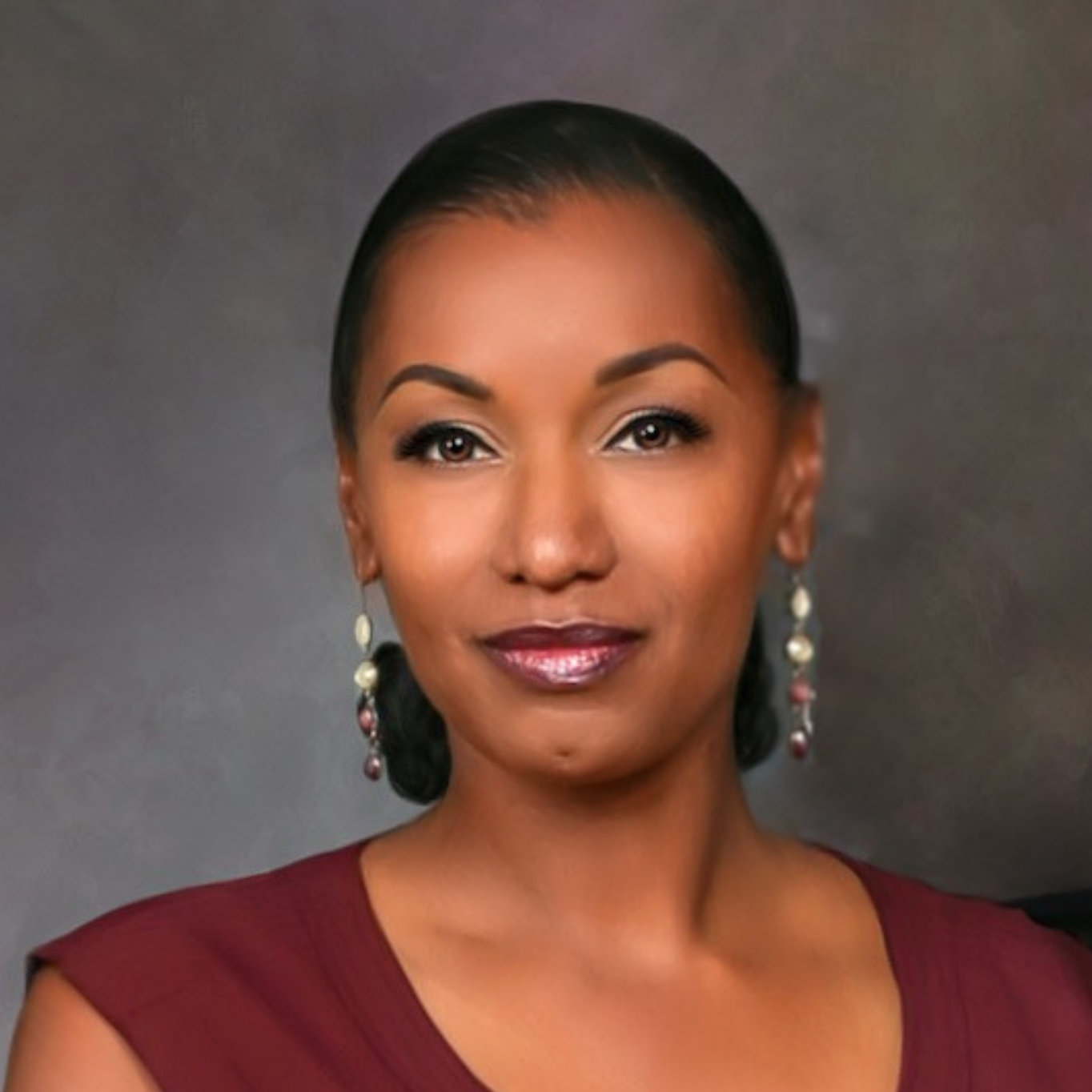

September is Life Insurance Awareness Month, a time to highlight the importance of future planning. We spoke with Nikki Cannon, a financial professional with WFG, and Candice Conley, Regional VP at Nationwide, about what that means for women today.
Over $124 trillion is expected to shift from older generations to Gen X and Millennials by 2048, the largest asset transfer in history (Source: Cerulli, 2024). But for women, it’s more than a financial shift—it’s a movement. As Nikki puts it: “As a Gen Xer, I am uniquely positioned to be watching the whole great wealth transfer in real time right now.”
By 2030, women are projected to control two-thirds of U.S. wealth—up to $34 trillion—largely because they outlive men and often become key financial decision-makers (Source: McKinsey & Co, 2024)
Why Women Need to Be Ready
While women are positioned to lead this new financial era, they still face persistent challenges—like the gender pay gap, career interruptions, and historically lower levels of financial literacy and investment confidence. As Candice notes, “despite the momentum of the new financial era, we should continue to embrace the challenge of redesigning our future, but with a clearer vision on what is best for our family and legacy. Asking questions and becoming more curious is a wonderful way to start building more confidence and courage to navigate barriers and to protect our legacy.”
When women do invest, they prioritize education, family, and community development. Nikki captures that mindset: “I come from a generation of women who always believed the next generation should be better in all these key areas.” Greater financial freedom empowers women to leave toxic workplaces, escape unhealthy relationships, build businesses, and support our families in deeper, generational ways.
Life Insurance: A Tool for Legacy
One of the most overlooked—but powerful—tools in this wealth movement is life insurance. It’s not just about protection; it’s about legacy. Nikki shares, “My grandma is 95. She never made more than $15 an hour. She worked in a hospital. Paid off her house. Had very little debt. Raised seven kids. Always had a life insurance policy.”
Her story reminds us that financial empowerment isn’t about high income—it’s about intentional choices. Life insurance can build wealth, protect assets, and create a legacy. Permanent policies can grow cash value over time for retirement, emergencies, or investments. For minority communities, it’s often the most accessible way to leave a meaningful inheritance—ensuring loved ones are not burdened by debt or left financially scrambling.
As Nikki Reflects
“Now I’m guiding my children (29 and 17-year-old boys) at the same time I’m advising my Mom, Grandma and Mother-in-law, and wondering if they really understand that wealth is a mindset before it becomes an asset?”Her question captures the heart of this moment: preparing the next generation with values, vision, and financial tools. This transfer is coming whether you are ready or not. So here is how to get ahead of it:
Start Here
- Learn – Financial literacy is power. Educate yourself and have open conversations about money and legacy with children, siblings, and parents.
- Know where you stand – Review your income, assets, debt, and goals. Choose a policy that aligns with your future.
- Find the right financial professional – “Ask people you trust for a referral. I encourage you to work with someone who aligns with your values and goals. You also want to have something you have in common with a professional. This will be a lifetime partner that will help you find clarity in major transitions in your life.” – Candice
Why This Should Excite You
This shift isn’t just about inheriting money—it’s about inheriting power. Women are now positioned to lead financially and generationally. As Nikki shared: “We are witnessing a positive transfer of wealth that can change generations.” Learn more about legacy planning at nationwide.com, or connect with Nikki Cannon on LinkedIn.