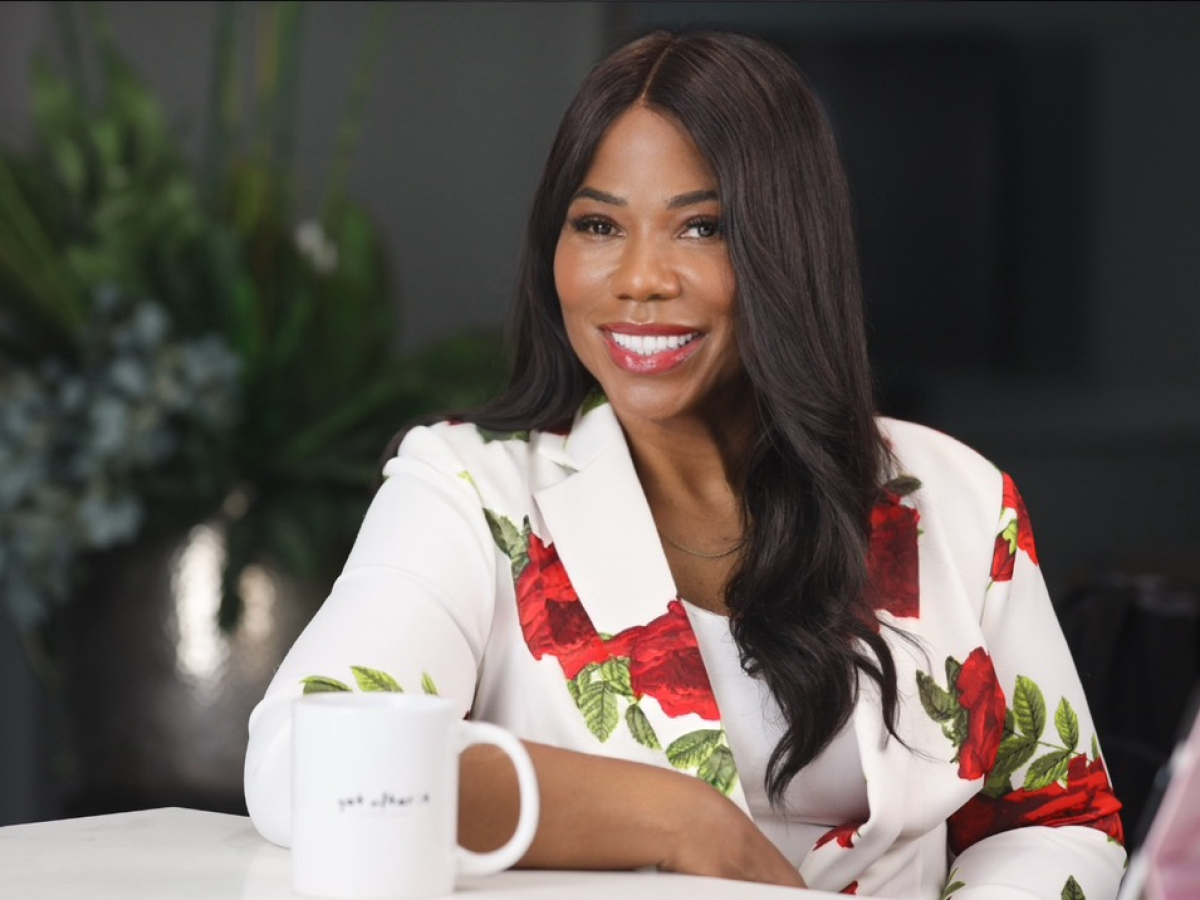

“As a Black woman in finance, I had to break down walls just to get in the room – now I own the building.”
The minute I learned about Karla Dennis, CEO and founder of KDA, Inc., and more importantly learning her story, I knew she was that girl.
Because that statement was made after the culmination of years building one of the few Black-owned tax strategy firms in the country. With a turning point that came during what seemed like an ordinary client meeting.
“One of the most defining moments was when a client came in my office and said not only do you have your four sons working alongside you, but you employ other talented professionals,” Dennis recalls. “It was at that moment I looked around my office and realized I had built a multi-million-dollar company. I realized I employ people who rely on me every day to make solid business decisions not just for my family but for theirs as well.”
After years of being the only Black woman in room after room, constantly proving she belonged while outperforming just to be taken seriously, this moment represented something bigger than validation. “When I heard them say, ‘Wow you have a real operation here’ — I knew we were doing more than just taxes. We were creating wealth, knowledge, and legacy. That was the moment I realized I didn’t just get in the room, I remodeled it.”
Dennis has become a nationally recognized finance expert and Enrolled Tax Agent licensed in all 50 states. Forbes recognizes her as one of the nation’s foremost tax and financial professionals, and her expertise has landed her on CBS News, Yahoo Finance, NBC Los Angeles, Fox Business, Bloomberg, CNN, and more. But I already mentioned that she was that girl, so none of this comes as a surprise.
But the family element makes her story particularly compelling, and one that makes her truly special, not just as a leader, but as a mother also. Because if wealth didn’t come from her, she was going to make sure it came to them. All four sons are active contributors to KDA’s mission, though Dennis is clear about how they got there. “They didn’t inherit titles, they earned their place through years of learning, observing, and showing up with value.”
This wasn’t accidental. Dennis architected their financial education from childhood using what she calls the “jar system.” Every allowance got divided into five categories: Rent (40%), Food (20%), Clothes (10%), Fun (10%), and Savings (20%). “Rent taught them no one lives anywhere for free. Food and clothes helped them understand basic needs come with real costs. Fun gave them freedom to enjoy, and savings was mandatory. I wanted to instill financial discipline.”
As they matured, those lessons evolved into real business exposure. “Those early money lessons evolved into deeper exposure: helping with receipts, listening in on business calls, and seeing what it really takes to build something from the ground up.”
Her advice for other mothers building future business leaders cuts straight to the point: “Be intentional. You don’t need a financial degree — you just need to start. Let your kids experience money, understand choices, and see you lead with purpose. When you treat your household like the first classroom for wealth, you’ll raise children ready to lead in any room they walk into.”
Dennis applies this same intentionality to helping Black women entrepreneurs maximize their tax strategies. She’s passionate about sharing overlooked tactics that can put real money back in business owners’ pockets. Her first recommendation often surprises people: “Put your children on payroll: If you own your business, you can hire your minor children and pay them a reasonable wage for real work they perform. Not only does this reduce your taxable business income, but it also shifts income to your child who likely pays little to no taxes on that income. It is a powerful way to keep wealth in the family instead of giving it all to the IRS.”
The strategy works because it’s legitimate business practice that most Black women entrepreneurs never learn about.
Her additional advice goes beyond this single tactic, urging entrepreneurs not to overlook foundational strategies that can save thousands, like taking full advantage of home office deductions or exploring retirement plans such as Solo 401ks or SEP IRAs.
These tactical insights stem from Dennis’s clear-eyed view of systemic barriers. Black women are the fastest-growing group of entrepreneurs, but they face the steepest financial hurdles. Dennis identifies the core issue: “The biggest systemic barrier is lack of access to capital and real financial guidance. Black women are launching businesses at a powerful pace, but many of us are doing it without funding, without financial infrastructure, and without the support networks other groups often take for granted. We are building from pure grit and not generational wealth.”
When Dennis talks about generational wealth, she means both financial resources and knowledge transfer. Her solution involves taking control rather than waiting for institutional change.
She emphasizes community building as an essential strategy. “We must stop trying to figure it all out alone. Share resources. Talk money. Join spaces where business conversations are happening and strategies are being shared. When Black women are equipped with information and empowered with strategy, we are unstoppable.”
Dennis insists entrepreneurs stay prepared for unexpected opportunities. Her essentials include clean financial records with current profit and loss statements, official business documentation, separate business bank accounts, and crystal-clear understanding of business numbers. “If you stay ready, you do not have to get ready. When someone asks for your numbers, you want to be ready to show them without hesitation.”
Beyond tactical preparation, Dennis believes mindset transformation is crucial for moving from business operation to wealth generation. “The first mindset shift is moving from survival to strategy. Many of us started businesses out of necessity however, building wealth requires long term thinking. We cannot just focus on getting paid. We have to focus on building value.”
She identifies three additional mindset shifts: seeing yourself as a CEO who builds systems rather than doing everything alone, stopping the pattern of undercharging and overworking, and becoming proactive rather than reactive with financial planning. “Wealthy people plan on purpose. When we stop running our businesses like side hustles, we can step into real power.”
For Black women entering entrepreneurship in 2025’s unpredictable economy, Dennis offers encouragement grounded in realism. “Be resilient. The most successful businesses are not always started in perfect conditions. They are built by people who plan with intention.”