

This story was originally published in ESSENCE’s special 55th anniversary July/August 2025 issue, on stands now.
It was the height of the Black Power Movement and the Vietnam War. This was an era when some of the most electrifying Black women musicians in history were locked in: Aretha Franklin, Diana Ross and Tina Turner dominated radio stations and our collective consciousness. What better time to launch a magazine?
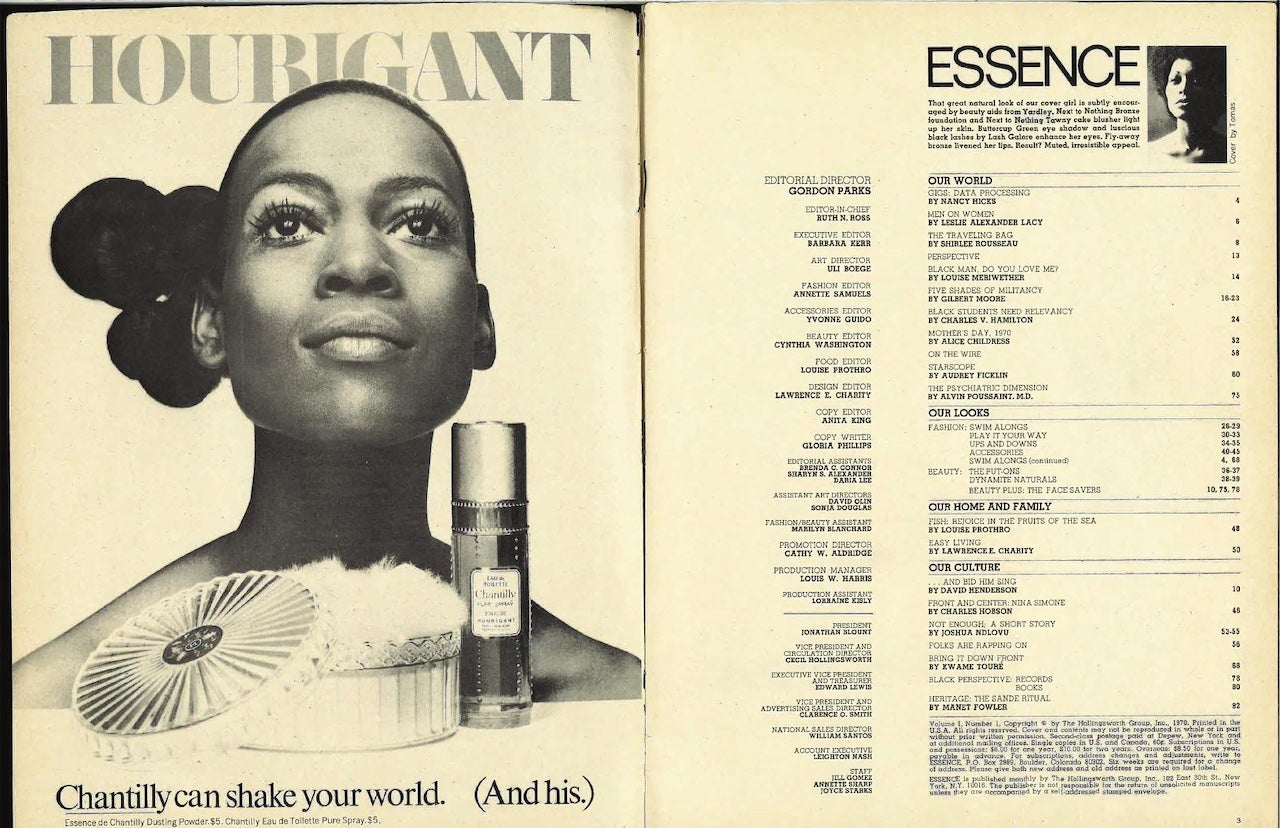
In May 1970, ESSENCE magazine was launched into the American publishing stratosphere. But despite the vibrant presence of Black women in popular media and entertainment, and the powerful images of Black women dominating the culture, we were still largely invisible to advertisers—a major problem for a fledgling outlet.
Founded by Jonathan Blount, Cecil Hollingsworth, Edward Lewis and Clarence O. Smith, ESSENCE was among the first major periodicals dedicated to celebrating the interior lives, aspirations and complexities of modern Black women. Under the guidance of our first Editor-in-Chief, Ida E. Lewis, we arrived on newsstands as a bold, proud and painstakingly curated publication for unapologetically Black women.
ESSENCE became a part of an enduring legacy of Black media that
has informed and entertained since the 1800s. In the 20th century, publisher John H. Johnson’s Ebony, Jet and Negro Digest made it clear to advertisers that Black people were a consumer base worth investing in—yet it would be decades before Black women would be recognized as a distinct demographic worth selling to.
“You know, there were less than 15 pages of advertising in the first edition,” said cofounder Jonathan Blount in the 2023 docuseries Time of Essence. “Quite frankly, at that time, we had to find the very few advertisers that actually had Black ads.”
In 1968, just two years before the magazine launched, a McKinsey & Company report revealed that less than two percent of U.S. advertising budgets were allocated toward reaching Black consumers. In the rare instances that Black people appeared in advertisements, their presence was reductive and stereotypical. ESSENCE posed a challenge to that image by presenting joyful, multifaceted portrayals of Black womanhood—and we insisted that the industry catch up.
Standing on Business
That demand wasn’t just about inclusion, it was about integrity. In late 1986, Revlon’s then-president, Irving J. Bottner, publicly remarked, ‘’In the next couple of years, the Black-owned businesses will disappear. They’ll all be sold to White companies.’’
Black companies objected to this derisive statement. In 1987, during a nationwide boycott of Revlon led by civil rights activists, ESSENCE took a further groundbreaking step: The magazine banned ad dollars from the cosmetics giant. At a time when advertising revenue was a make-or-break issue for print publications, taking the high road wasn’t always the best for profit. However, the move solidified the company’s role—not just as a media outlet but as a moral authority and community advocate.
It was one of the first clear examples of what would become known, decades later, as “conscious capitalism.” ESSENCE demonstrated that Black media could drive both business and activism—and that advertisers couldn’t rely on Black dollars without earning Black trust.
By holding brands accountable, ESSENCE forced a cultural and commercial shift. Its boldness encouraged other Black-owned media companies to rethink their relationships with advertisers, while pushing brands to reconsider how they engaged with diverse consumers.
Rewriting the Rules of Representation
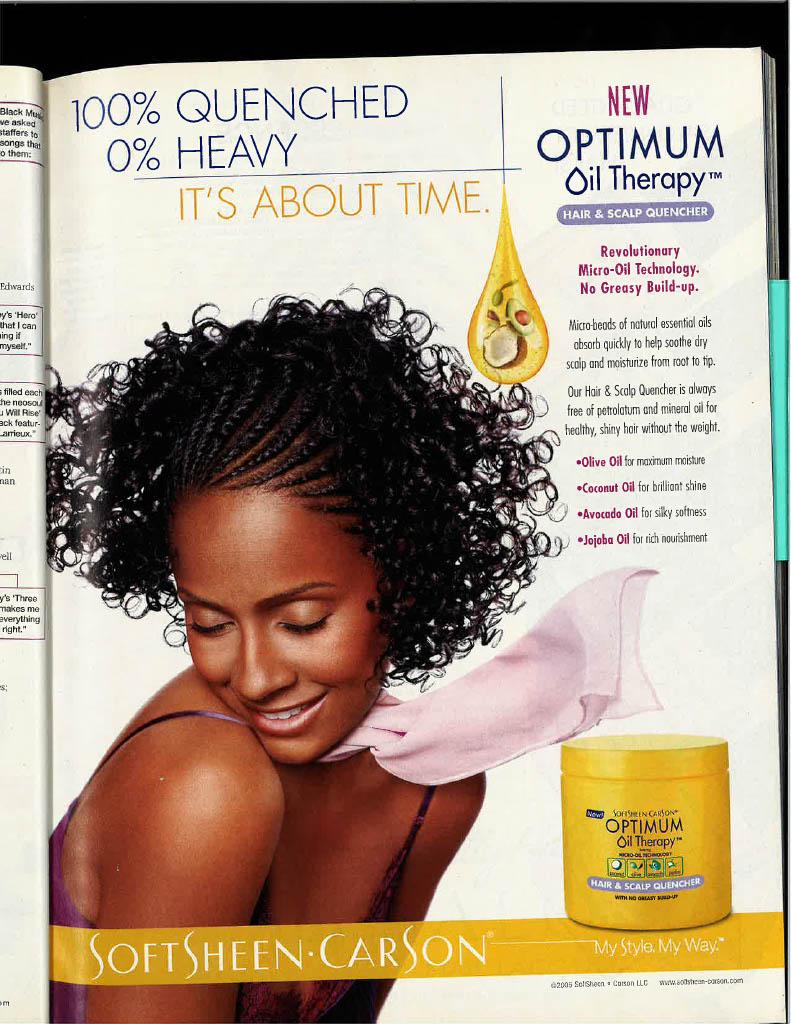
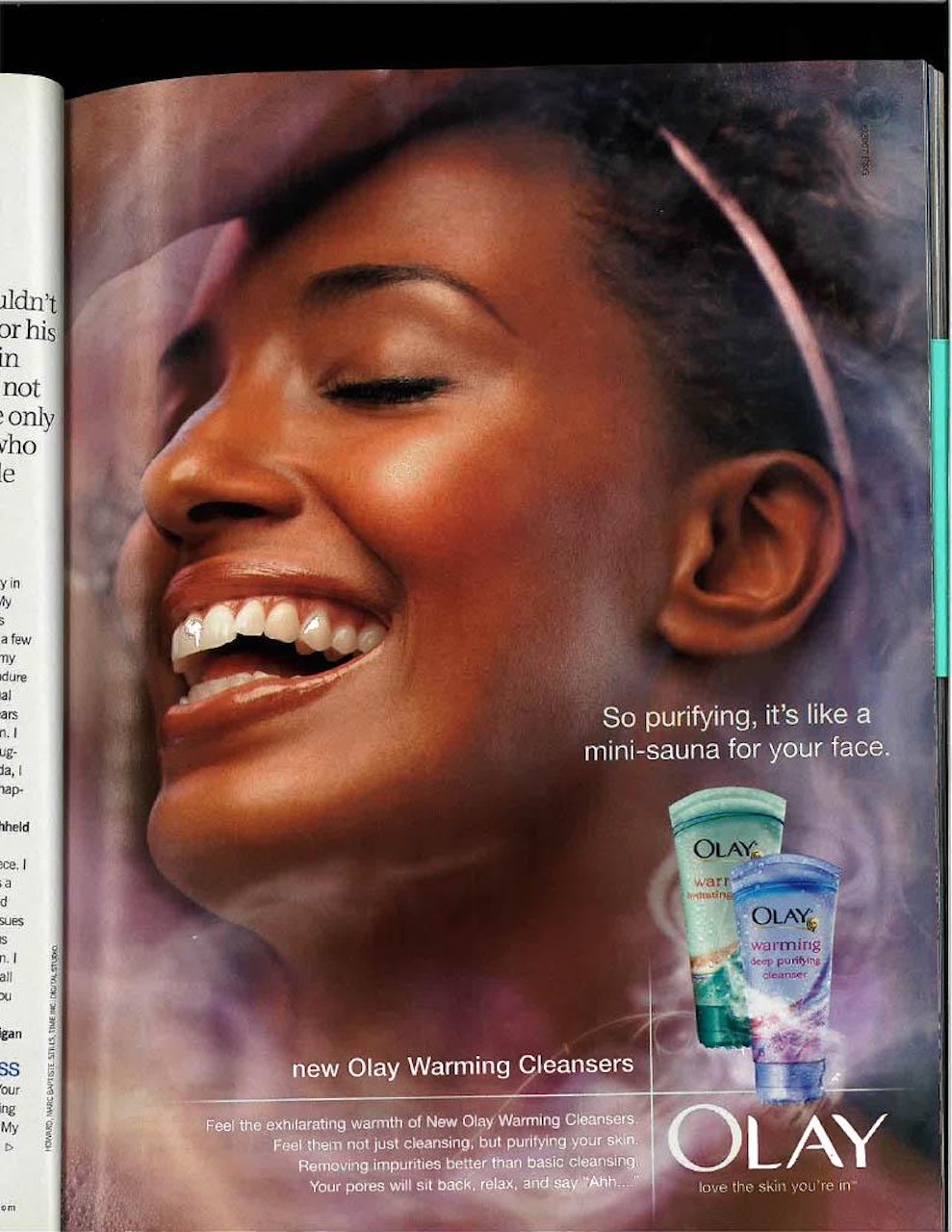
As ESSENCE grew, so did its impact on the advertising world. Throughout the 1980s, 1990s and early 2000s, the magazine helped reshape how brands depicted Black consumers. Gone were the lazy stereotypes and background roles. ESSENCE demanded and modeled nuanced portrayals of Black women.
We also became a training ground for Black creatives. Photographers, writers, stylists and marketers found not only work but mentorship and cultural validation at the magazine. This pipeline of talent helped shift the advertising industry, from the inside out.
According to a 2023 Nielsen report, 61 percent of Black consumers said they were more likely to purchase from brands that authentically reflect their culture in advertising. This growing demand for authenticity can be traced back to the groundwork laid by publications like ESSENCE.
What began as a small editorial team with a big vision has evolved into a cultural powerhouse. By 2025, ESSENCE has become more than a magazine—it’s a multiplatform media brand, a case study in culturally fluent marketing and an influencer in corporate boardrooms. And the numbers prove it.
Today, Black consumer-spending power is projected to exceed $1.9 trillion, with Black women making up a dominant force across beauty, wellness, fashion and entertainment sectors. Our spending power is no longer ignored, because ESSENCE made it impossible to overlook us.
The ESSENCE Festival: A Cultural and Economic Powerhouse
Perhaps the most visible expression of the brand’s impact is the ESSENCE Festival of Culture, launched in 1995 in New Orleans. What began as a celebration of the magazine’s 25th anniversary has become one of the largest Black cultural events in the country.
Drawing more than 500,000 attendees annually, and generating more than $300 million for the local economy each year, the festival features panels, performances, business expos and wellness programming—all rooted in uplifting Black people and Black culture. It’s not just a party; it’s a marketplace, a political forum and a showcase of Black excellence.
Major brands that once overlooked Black consumers now compete for space at ESSENCE Fest, eager to connect with one of the most influential demographics in America. The event has become a barometer for which companies truly “get it”—and which are still catching up.
In this way, the festival embodies the brand’s central message: Black women are not just trendsetters, they are economic and cultural engines. They are not to be marketed to as an afterthought, but with intention and respect.
More Than a Magazine, a Movement
In 2025, Black history is, quite literally, being erased. Our lauded public figures and accomplishments have disappeared from government platforms; our language and colloquialisms have been co-opted by those who wish us harm. Through it all, Black women have consistently supported platforms and programs for the greater good. And ESSENCE has been central to that.
The magazine didn’t just change how Black women were portrayed—it changed who gets to be behind the camera, at the design table, at the computer keyboard and in the boardroom. Fifty-five years after its founding, ESSENCE stands as proof that media can be both profitable and principled. It’s a continuing reminder to brands, creatives and consumers that authenticity isn’t a trend—it’s a way of life.