
Our economy is facing some challenges right now. For instance, the federal minimum wage has remained unchanged at $7.25 since July 2009, marking the longest period without an increase in U.S. history. Many cities are seeing average rents for 2-bedroom apartments between $1,200 and $1,800. We’ve also noticed prices going up for childcare, groceries, and utilities. Plus, rising healthcare costs continue to make it hard for many people to get the care they need.
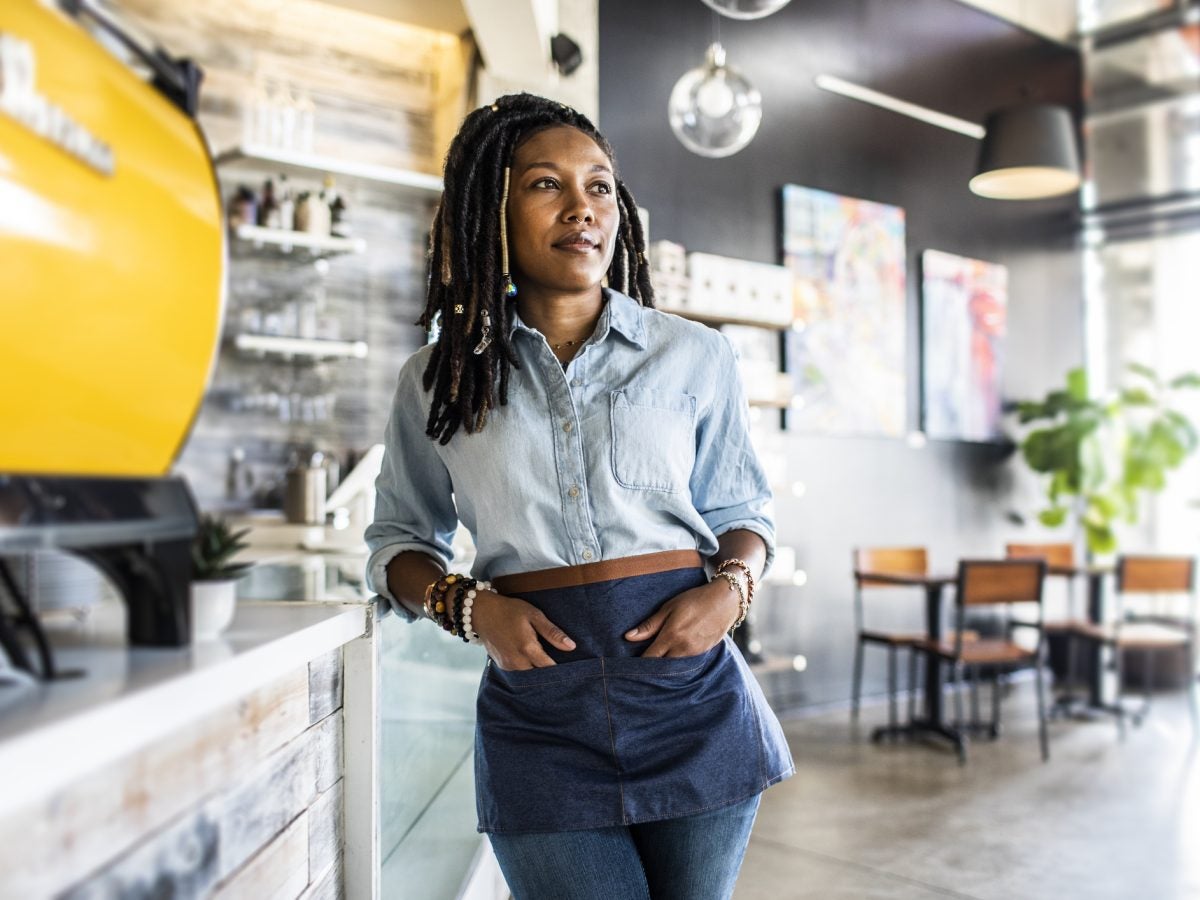
For many, the solution to getting off the hamster wheel of economic despair is starting a business. It’s no surprise that Black women are doing numbers, demonstrating resilience and determination that inspire admiration and respect.
According to JP Morgan insights, Black women-owned businesses increased by 50% from 2014 to 2019, highlighting a remarkable surge despite funding disparities, and now make up a significant portion of new business owners and Black employers.
With numerous magazine features on “boss babes,” prestigious awards, and a vibrant social media presence, we often glimpse the exciting side of being a business owner. We get to see people enjoying plush vacations in business class, dressed in designer fashion, living in spacious homes, and cruising around in luxury cars. It’s truly tempting—and in many ways, truly inspiring.
While many pursue entrepreneurship to create financial stability, build generational wealth, chase a lifelong dream, or seek independence, it does not come without its fair share of quandaries. From misinformation, decision fatigue, unyielding pressure to succeed, and the emotional toll, four Black women get honest about the realities of being a boss.
Meet Lindsey Walker, the inspiring CEO of Walker + Associates Media Group; Stephanie Penn, the passionate owner and founder of The Business Cheerleader; Jazmyne Byrd, the dynamic owner of a vibrant HBCU media house and a talented celebrity event curator; and Whitney Stringer, the dedicated and creative mind behind Whitney Stringer PR & Events.
Q: What’s something about being an entrepreneur that you were not prepared for?
Walker: I was not prepared for the many ups and downs of entrepreneurship. I thought that after being in business for 10 years, it would get easier, and it has, in terms of my skill set and my ability to do the work. But the hard part is making sure I have the mental fortitude and emotional capacity actually actually to run the business. People don’t talk about that enough. They don’t talk about what’s required to scale. They don’t talk about what it takes not only to make your first six figures, but to maintain it and grow your business, team, etc.
Byrd: The idea of giving more to others than to yourself can be a common challenge. For many Black women entrepreneurs, balance isn’t always part of their story. They often find themselves working around the clock—responding to emails, taking calls, missing holidays with loved ones, and more. Sometimes, family and friends who aren’t entrepreneurs might misunderstand this dedication, not realizing how much time and effort it takes.
Q: How would you describe the types of pressure you face in your business?
Penn: One of the most considerable pressures I face is collecting from clients. When you’re an entrepreneur, some people take a very “relaxed” approach to paying invoices. Having conversations about past-due balances can be uncomfortable, but they’re necessary. It’s part of holding boundaries and keeping your business afloat, even when the conversations feel heavy.
Q: Are there expectations—internal or external—that add pressure to your role as an entrepreneur?
Walker: Yes—internal expectations, especially. I dream of becoming a millionaire and having a full-time staff/team, and that dream comes with real pressure. I’m the breadwinner in my household. As a single woman, if I don’t bring in cash, I don’t eat. There’s no backup plan. That weight can feel overwhelming sometimes, but it also keeps me sharp, focused, and grounded in my purpose.
Q: Have you encountered any unique barriers or opportunities as a Black woman in business?
Stringer: Black women business owners are often second-guessed. I see evidence of the “why does she deserve to be here” mentality from others, and that weighs on you.
Penn: Earlier this year, I faced a severe health crisis that required hospitalization and rehab. Even from my hospital bed, I worked to reassure clients that I could still handle their needs. As a solo entrepreneur, I am solely responsible for my work, health, energy, and time. I hoped clients would understand that my financial obligations continue regardless of my health, just as their deadlines remain because they have their own businesses to manage. My personal crisis did not halt their deadlines or commitments.
Q: Are there resources you believe should be more accessible to Black women entrepreneurs?
Absolutely. Black women entrepreneurs need more access to funding, grant opportunities, and community-based programs. There should be more cohorts and mentorship spaces where we can truly glean from seasoned experts, without having to invest in a $30,000 or $40,000 program right out of the gate. Supportive ecosystems that nurture our ideas and help us grow can foster hope and a sense of solidarity among aspiring entrepreneurs.
Byrd: Every resource that’s accessible to others should also be accessible to Black Women. From our rich pedigrees to our incredible creativity, we truly deserve access to all resources—whether it’s financial services, education, or opportunities for advancement. The truth is, when Black Women step into rooms, we bring a transformative energy that shifts the entire atmosphere. We craft new stories that others often follow and emulate. Yet we still find ourselves having to fight and work even harder just to gain a fair share of resources, rather than being granted full access from the start. Let’s recognize and celebrate the value we bring and ensure equitable opportunities for all.
Q: What advice would you offer to other Black women who are considering starting their own business?
Stringer: Wellness plays a vital role for everyone, especially for business owners. Recognizing this importance, Whitney Stringer Wellness Events thoughtfully develops programs designed to support fellow business leaders. These activities promote wellness through engaging practices like physical movement, journaling, and sound baths. Taking time to nurture your well-being is an excellent way to prevent burnout and stay energized.
Walker: Do your research and homework, and make sure you have a financial cushion—that’s essential. Ensure you have at least three to six months of savings before starting your business. That way, if you have a slow month, you’re not relying solely on the company to bring in income. Build your foundation first.
Stinger also reminds us that, regardless of the industry, being a boss means you’re in charge and ultimately responsible. It’s a valuable privilege to lead, but as Shakespeare said, “Uneasy lies the head that wears a crown.”