
Another Friday, another jobs report.
Another reminder that when the economy gets shaky, we feel it first and we feel it hardest. And most importantly, a reality check that no one is coming to save us.
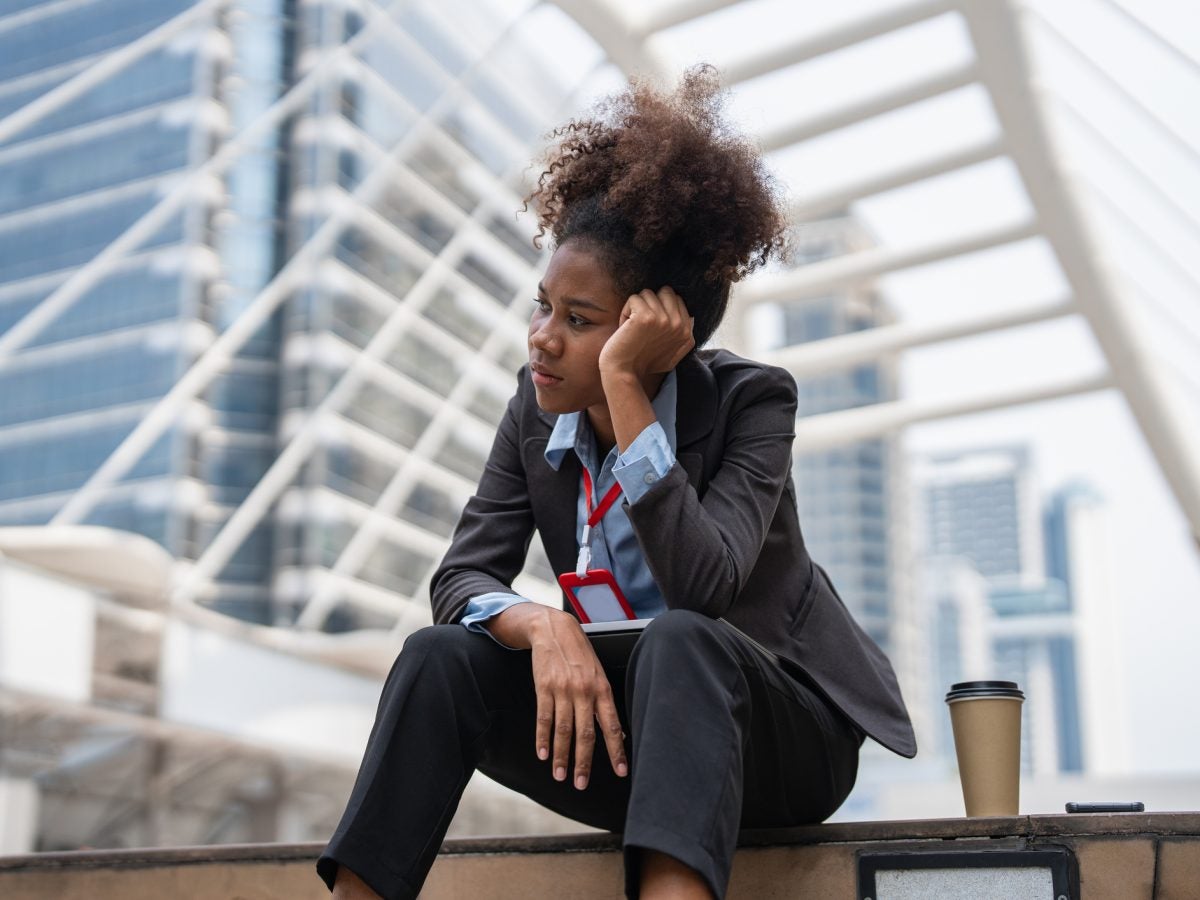
Black women’s unemployment shot up to 7.5% in August, and if you’re not alarmed yet (and I know most of you are), you should be.
The Bureau of Labor Statistics dropped their latest numbers on Friday morning, and the story is one we’ve lived before. In Trump’s America, the national unemployment rate is 4.3%, while Black women are staring down nearly double that.
To put the numbers in perspective, back in January, we were looking at 5.4% unemployment while the country sat at 4%. Fast forward eight months, and we’ve climbed more than two percentage points while everyone else barely budged. They went up 0.3%, while we went up over 2%. Now I’m no economist, but not only can I tell you that this is bad, but it will have ripple effects for years (and maybe even decades) to come.
One of the major factors behind these rising rates is that Trump’s federal workforce cuts are hitting us where it hurts most. The government has always been that place where we could find decent paying jobs with benefits, where merit actually mattered more than who you knew or what you looked like. The public sector became our safe harbor when private companies wouldn’t give us a fair shot. So much so that we made up 12% of federal workers, but only about 6% of the overall workforce. That tells you everything about where we’ve had to go to find opportunity. Now that safety net is unraveling.
The agencies getting hit hardest are places like USAID, the Consumer Financial Protection Bureau, and the Department of Education. Women make up the majority of workers in these spaces, and in some cases, Black women represent 28% of the workforce. When you start swinging the budget ax at these departments, we all know that we feel it first.
The federal government has already shed 97,000 jobs this year, according to the Labor Department. That doesn’t even include the resignations that will show up later this month. The numbers will get worse before they get better.
In addition to the job cuts we’re dealing with, companies (I’m not naming any names) have run from their diversity, equity and inclusion commitments which also plays a part. All those promises about hiring and promoting women of color that sounded so good a few years ago when everyone was posting black squares on Instagram. Now they’re being shelved. Meanwhile, the legal protections we fought decades for are getting rolled back left and right.
What they don’t realize is that when Black women start losing jobs, it usually means trouble is coming for everyone else too. We’ve always been the first to feel economic shifts, probably because we’re in more vulnerable positions to begin with. So when our unemployment numbers start climbing like this, people should be worried.
But for many of us, who are burdened with massive amounts of debt, when we can’t work, our whole families feel it. Most of us are supporting more than just ourselves – kids, elderly parents, sometimes extended family too. Our communities depend on us having steady income. Local businesses, schools, even churches feel the impact when we’re struggling financially.
Here in the D.C. area, I’ve watched this crisis unfold in real time. Friends who had solid government careers are suddenly scrambling for new opportunities. Women I know personally have gone from stable positions to uncertainty practically overnight. It’s one thing to read statistics, it’s another to watch people you love live them.
The data from August shows us at 7.5% unemployment, the highest level since 2021, which isn’t just a statistic but showing that thousands of women who had stable careers, who were building something, are now back to square one. That’s talent being wasted, potential being squandered, and families being put at risk.
While we’re dealing with what some are calling a silent economic crisis that’s pushed hundreds of thousands of Black women out of the workforce, some leaders aren’t waiting around for policy changes. Business leader Valeisha Butterfield recently launched the Global State of Women Rapid Relief Fund, recognizing that Black women have shouldered more than their fair share of economic hardship.
The question becomes: are we going to accept this as inevitable, or are we going to demand better? Because these numbers should make everyone uncomfortable, not just us.