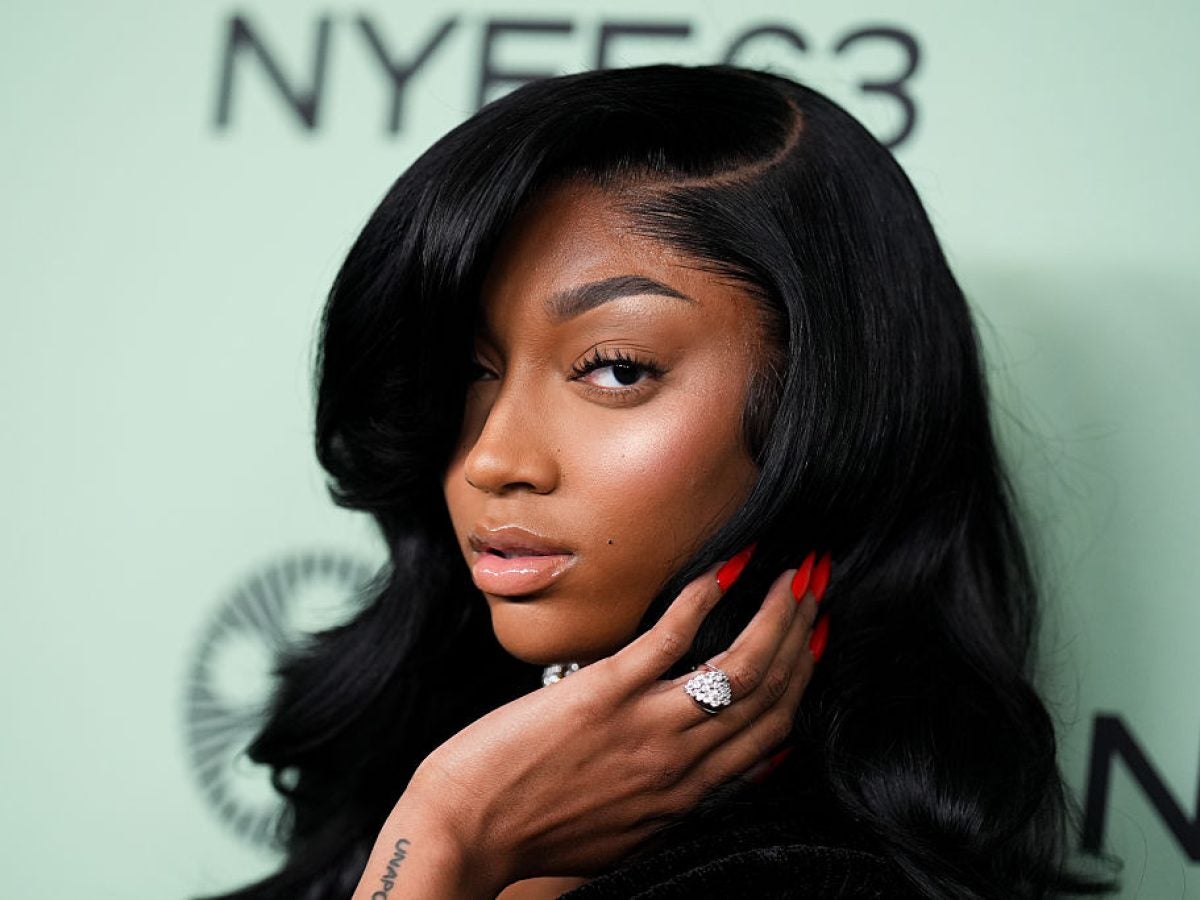

Angel Reese closed out 2025 as one of the highest overall earners in the WNBA, and she kicked off 2026 making money moves.
The WNBA Chicago Sky player, in addition to Nigerian music artist Rema, just made an investment in Topicals. The Black-owned skincare brand — known for its pink, logo-embellished eye masks that retail for $22, its $16 lip balms, and more — announced it closed a funding round early January. It did not specify the amounts of the round nor how much individuals like Reese invested, based on reporting by Business of Fashion.
“When you think of [Topicals], you think of our marketing, storytelling and products, and you think a lot about culture,” co-founder Olamide Olowe told BoF. (She founded Topicals with Claudia Teng, who is no longer with the brand.) “These are people who control culture,” she continued, referring to her latest funders.
Since the brand’s August 2020 launch, including the most recent round of funding, it has since raised $22.6 million. Topicals has not only proved its prowess on the product side — launching with products that quickly sold out and continuing to provide items that keep people coming back — but the brand extends itself with its savvy marketing. It’s not just culture-driving ad campaigns but things Topicals’ Detty December brand trips and digital presence that’s authentically in tune. Getting names like Reese on board matters, too. The brand knows how to holistically make an impact.
Reese’s investment in Topicals isn’t just a savvy entrepreneurial move for the Bayou Barbie, and even if the timing wasn’t intentional, it comes at a pivotal point.
Just six months before Reese’s Topicals investment, Black-owned cosmetics brand Ami Colé shuttered because it didn’t have enough funding. This rattled the industry and community, especially to see a brand believed to be doing well reveal that it wasn’t enough. More recently, textured haircare brand Curlmix made pleas online for purchases to keep its doors open. “Investors are pulling back their belief in Black-owned,” Olowe added. “We are really proud that other people who have capital in the culture want [our kind of business] to grow.”
Woman-founded startups get less than three percent of venture capital funding. Black women get less than half a percent. Topicals may have secured funding in the past — which made Olowe the youngest Black woman to raise $10 million via VC in 2022 — but the most recent round is another triumph in itself. Reese’s investment is a real-time example of what it looks like when community steps in to build itself up in a space known for never having done enough.
To Olowe, this is also more than a “Black business conversation,” as she wrote months ago online, in a post about what it takes for indie beauty brands to succeed in today’s landscape. “This is a small business and culture innovation conversation with disproportionate impact on Black founders.”