
For most individuals—irrespective of gender, generation, religion, or ancestral origins in the United States—we have all been exposed to the concept of The American Dream. This notion, deeply rooted in our culture, is often associated with homeownership. It fosters a belief that any man or woman in the United States, regardless of their creed, race, orientation, or socioeconomic background, can achieve upward mobility and success through diligent effort and perseverance.
For decades, we have been assured of a cherished reward: the house with a white picket fence, financial stability, and an improved quality of life for our children and future generations. It all sounds quite promising, and it is something that some individuals do realize within their lifetime. In fact, according to the Urban Institute, the rate of Black homeownership increased slightly during the pandemic. However, to genuinely attain this aspiration, we must remain informed and proactive regarding our housing rights.
A Dream Lost Overnight
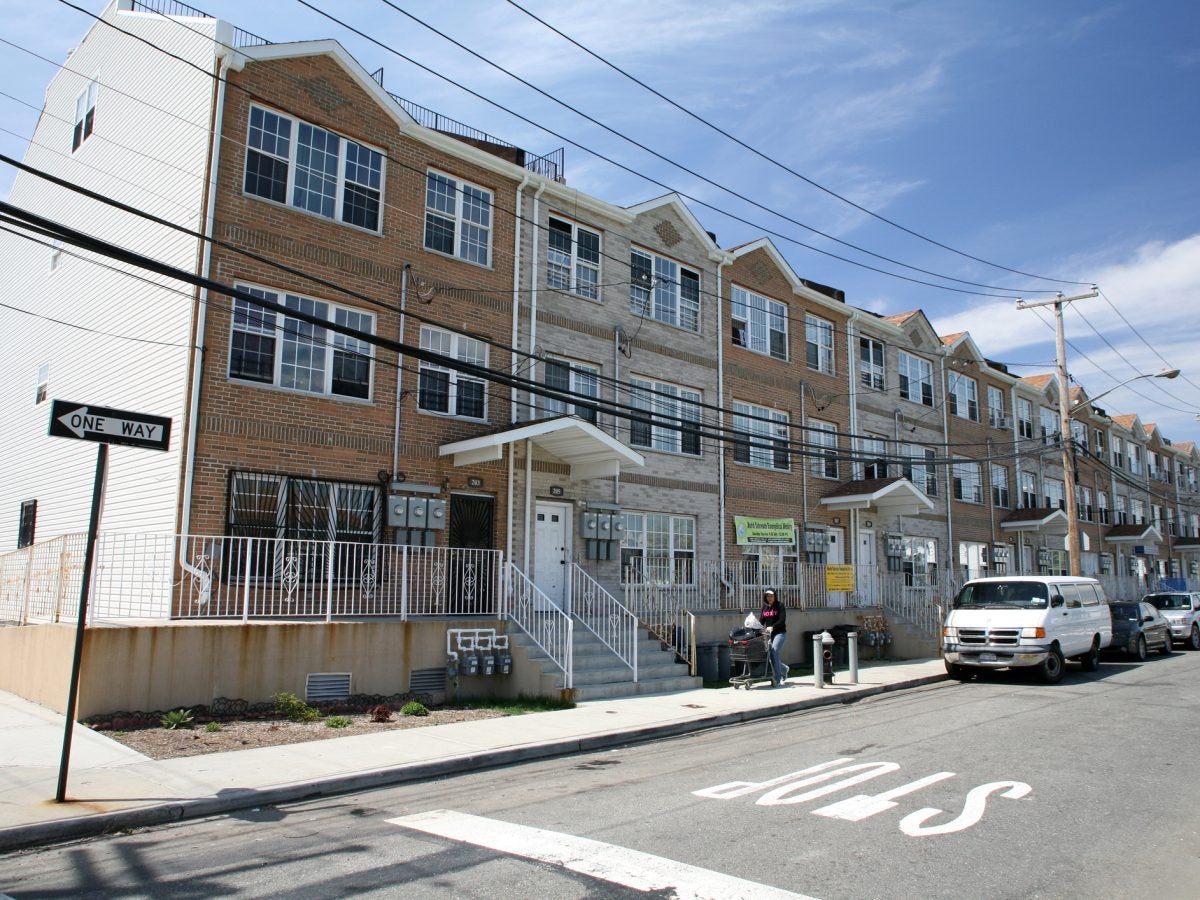
For Mr. Filmore Brown, a homeowner with three decades of residence in East Flatbush, the American Dream transformed into a devastating ordeal beyond comprehension. Although his situation has garnered increased attention in recent days, Mr. Brown’s distressing story began in late 2024.
Brown acquired the three-story family residence in 1999 and diligently worked for twenty years to settle the property in 2019. Brown — who has a history of paying his bills on time — learned that he was no longer the homeowner when lien officers attempted to enter the property in the middle of the night due to a pesky oversight: a water bill totaling $5,000, for which he alleges he never received a notice.
His property was sold at a foreclosure auction in December 2024 due to the unpaid bill, and he has been actively engaging in efforts to regain ownership of his residence.
In an interview at a protest held in his honor, Brown proclaimed:
“I don’t know how it was taken away from me. I just see some guy coming in the middle of the night and start to drill, drill the lock and say, ‘I’m the new owner.’”
New York is not the sole state permitting such practices. Property may be confiscated and auctioned due to unpaid debts, including taxes, utility bills, and HOA fees. When this happens, the purchaser generally obtains the property “as is,” potentially including possession rights upon the completion of the sale.
What We’re Witnessing Is Not New
What we’re witnessing for Filmore Brown is not an isolated incident. This represents a stark reminder of the long-standing history of discriminatory practices against Black people and other minorities. Housing and land policies were not just crafted, but weaponized to marginalize Black communities.
Exclusionary zoning practices further reinforced racial segregation, complemented by other systemic racist mechanisms such as redlining and predatory lending. Additionally, there have been reports of unjust home appraisals affecting our community. This should not be tolerated, and it’s time to advocate for change.
“While legally the process can apply to anyone,” says realtor Rebecca Bunn, “in practice, minority and low-income neighborhoods are often targeted or impacted the most because of structural inequities and less generational wealth to buffer against hardship.”
How Can We Safeguard Our Investments?
Given that the average mortgage duration spans from 15 to 30 years, individuals naturally seek to avoid losing their homes due to unpaid debts. However, such occurrences do happen.
Bunn, who is licensed in North Carolina, recalls witnessing instances of home foreclosures due to unpaid HOA fees — an amount often smaller than the monthly mortgage payment. While laws vary by state, the fundamental principle — that property may be repossessed for unpaid obligations — is widely accepted. She further shares these recommendations to help prevent similar situations:
Stay current on obligations: Keep up with property taxes, utilities, HOA fees, and insurance. Even small unpaid amounts can snowball into significant consequences.
Set up auto-pay/reminders: Many foreclosures happen because of overlooked bills. Automating or calendarizing payments helps prevent missed deadlines.
Check your title regularly: Periodically verify that no liens or encumbrances have been placed against your property.
Seek help early: If you anticipate financial hardship, don’t wait until it’s too late. Contact the utility, HOA, or county tax office to negotiate payment plans before a lien or foreclosure process begins. Being proactive can make a significant difference in protecting your home.
Legal and financial counsel: Engage with a real estate attorney or housing counselor when dealing with notices of default or liens.
As a homeowner, it is also imperative to understand your rights. According to Bunn:
Notice requirement: Owners are typically entitled to written notice before foreclosure or sale. If no notice was given, there may be grounds to challenge the sale.
Redemption rights: Some states allow homeowners to “redeem” their property by paying off the owed amount, plus fees, within a specific time frame after the sale.
Due process: Forced entry without a proper court-ordered eviction may be illegal, even if ownership has changed. A new owner usually must follow formal eviction procedures.
Legal recourse: If you believe your rights were violated, you can consult a real estate attorney to explore remedies such as challenging the sale, wrongful eviction, or recovering damages.
A Call for Reform
For residents like Filmore Brown and other New Yorkers, New York City Public Advocate Jumaane Williams, together with other municipal leaders, is vigorously advocating for reforms to the lien sale process and the augmentation of resources allocated to homeowners facing the risk of foreclosure.
“While the law may allow such actions,” says Bunn, “we must work collectively to educate, safeguard, and advocate for stronger protections for homeowners in vulnerable communities. Knowledge is power, and protecting property is part of protecting legacy.”