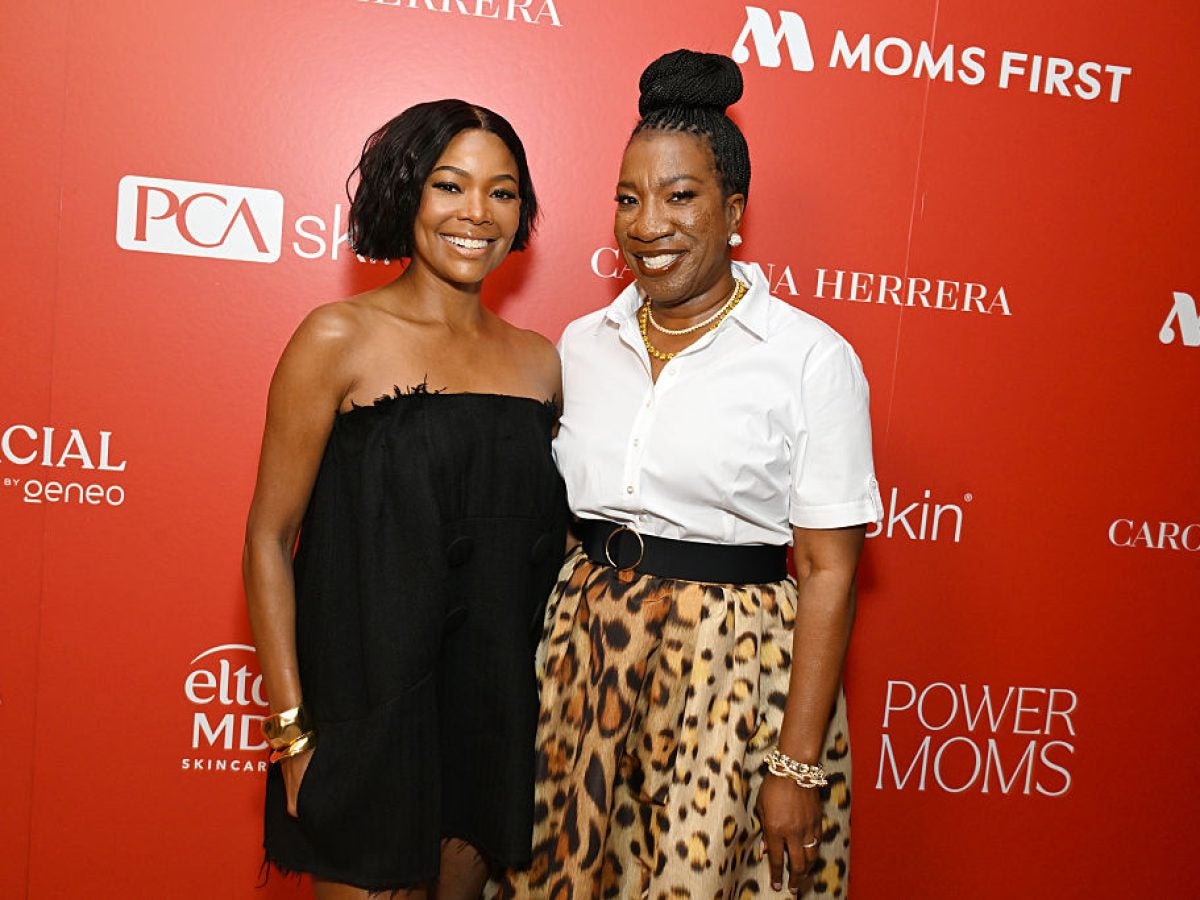

Tarana Burke is done waiting for the conversation about sexual violence to change on its own. So, she’s decided to change it herself.
Today, the ‘me too.’ International co-founder unveiled the new Disruptors Council — a new collective that brings together powerhouse voices like Viola Davis, Gabrielle Union, and Congresswoman Ayanna Pressley alongside WNBA forward Breanna Stewart, media personality Bevy Smith, Padma Lakshmi, licensed therapist Kier Gaines, and activist Marley Dias. Their mission? To make prevention the centerpiece of the conversation, not the afterthought.
“Recent high-profile cases have once again made clear just how prevalent sexual violence still is,” Burke said. “The Disruptors Council represents what we’ve always believed: that real change happens when we work together to address the systems that allow sexual violence to persist, not just respond to its effects.”
For Burke, it’s not just about awareness anymore, it’s time to take action. Or “disrupt” if you will.
The movement hits its 10th anniversary in 2027, and the last decade made one thing obvious: awareness doesn’t prevent violence. The #MeToo hashtag went viral, people shared stories and named names, which as we all know mattered very much. But Burke has always been focused on what comes after the world starts paying attention. Because unfortunately (and sadly), the world did pay attention and then things got quiet.
For example, one in three women will experience gender-based violence in their lifetime, according to the UN. Yet we keep treating each case like an isolated story, instead of part of a larger pattern that demands systemic change.
“I speak up because change starts with raising our voices and standing for what’s right,” Union said. “I disrupt by challenging the status quo in ways that create opportunity, understanding, and progress for everyone.”
The council’s strength lies in its diversity. Its members represent every corner of culture — entertainment, politics, sports, media, and mental health — because sexual violence doesn’t stay in one lane, so neither should the solutions. Having heavy hitters like the ones Burke assembled will push conversations about prevention into spaces where people don’t expect them, using their influence to make sexual violence prevention feel less like advocacy work and more like common sense.
“I raise my hand as a survivor and the daughter of a survivor,” Viola Davis said. “I raise my hand to be seen and to break the silence and invisibility of sexual assault…to destroy the stigma, the shame and reclaim our worth. I’m proud to be a disruptor.”
Gabrielle Union also brings both her experience as a survivor and as a mother to the table. Her advocacy is personal — and generational. “I speak up because change starts with raising our voices and standing for what’s right,” the actress, producer, and NYT best-selling author said. “I disrupt by challenging the status quo in ways that create opportunity, understanding, and progress for everyone.”
With this council, Burke is moving from a viral movement to a lasting infrastructure. ‘me too.’ began as grassroots organizing, grew into a global force, and now it’s building the framework for long-term prevention. The purpose of The Disruptors Council is to treat sexual violence like the public-health crisis it is and not an inevitability we learn to manage, but a crisis we can prevent. Burke’s betting that by uniting this group of disruptors, she can turn collective outrage into collective action.