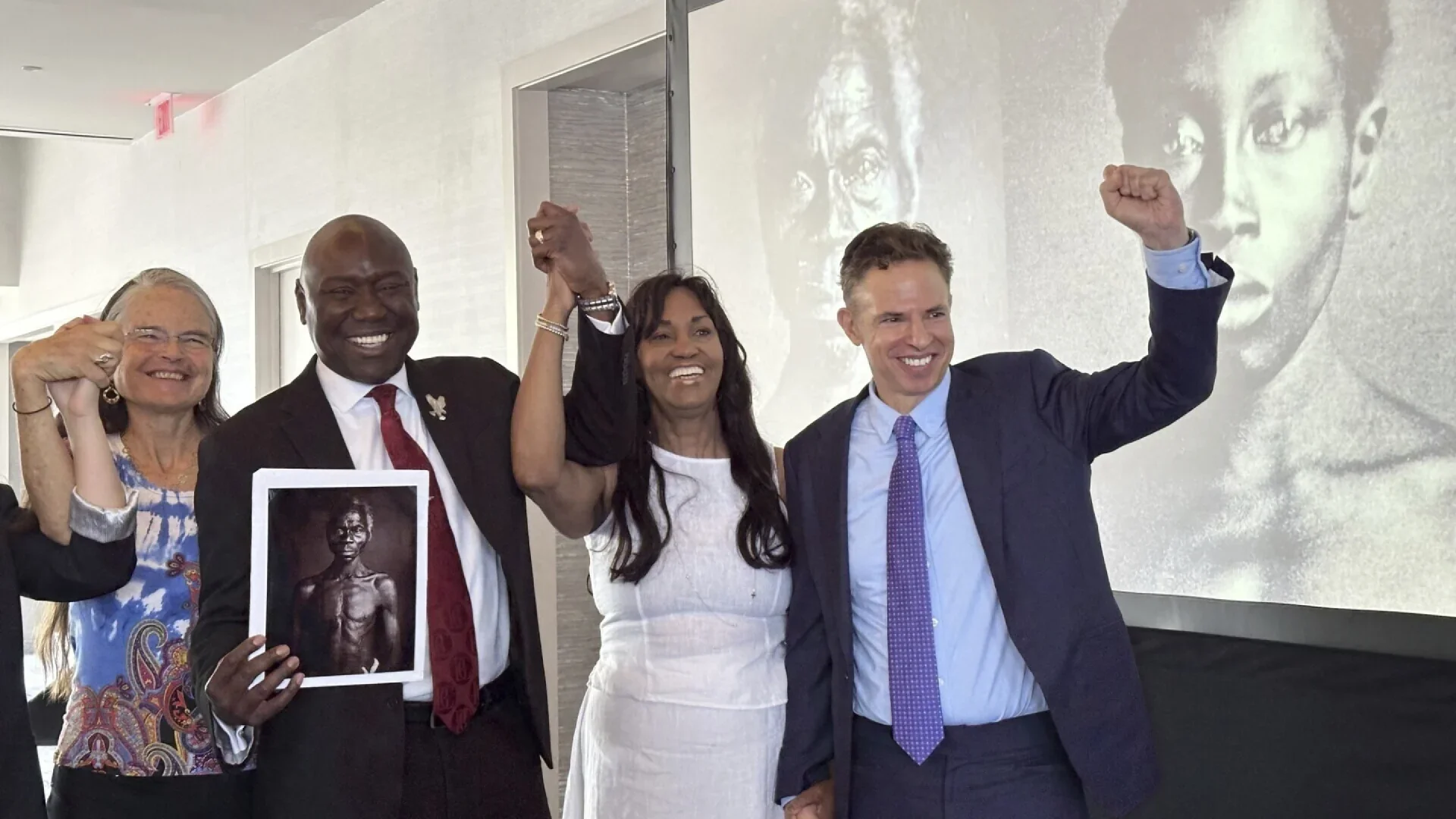

Harvard University has agreed to turn over 175-year-old photographs of enslaved people to a museum in South Carolina, ending a yearslong battle led by a woman who says the images include her ancestors.
The daguerreotypes — early photographs taken in 1850 — depict a man Tamara Lanier identifies as her great-great-great-grandfather, Renty, and his daughter, Delia. Commissioned by Harvard biologist Louis Agassiz to promote racist pseudoscience, the images are believed to be among the earliest known photographs of enslaved people in the United States, according to the Associated Press.
The photographs will now be housed at the International African American Museum in Charleston, South Carolina — the state where Renty and Delia were once enslaved.
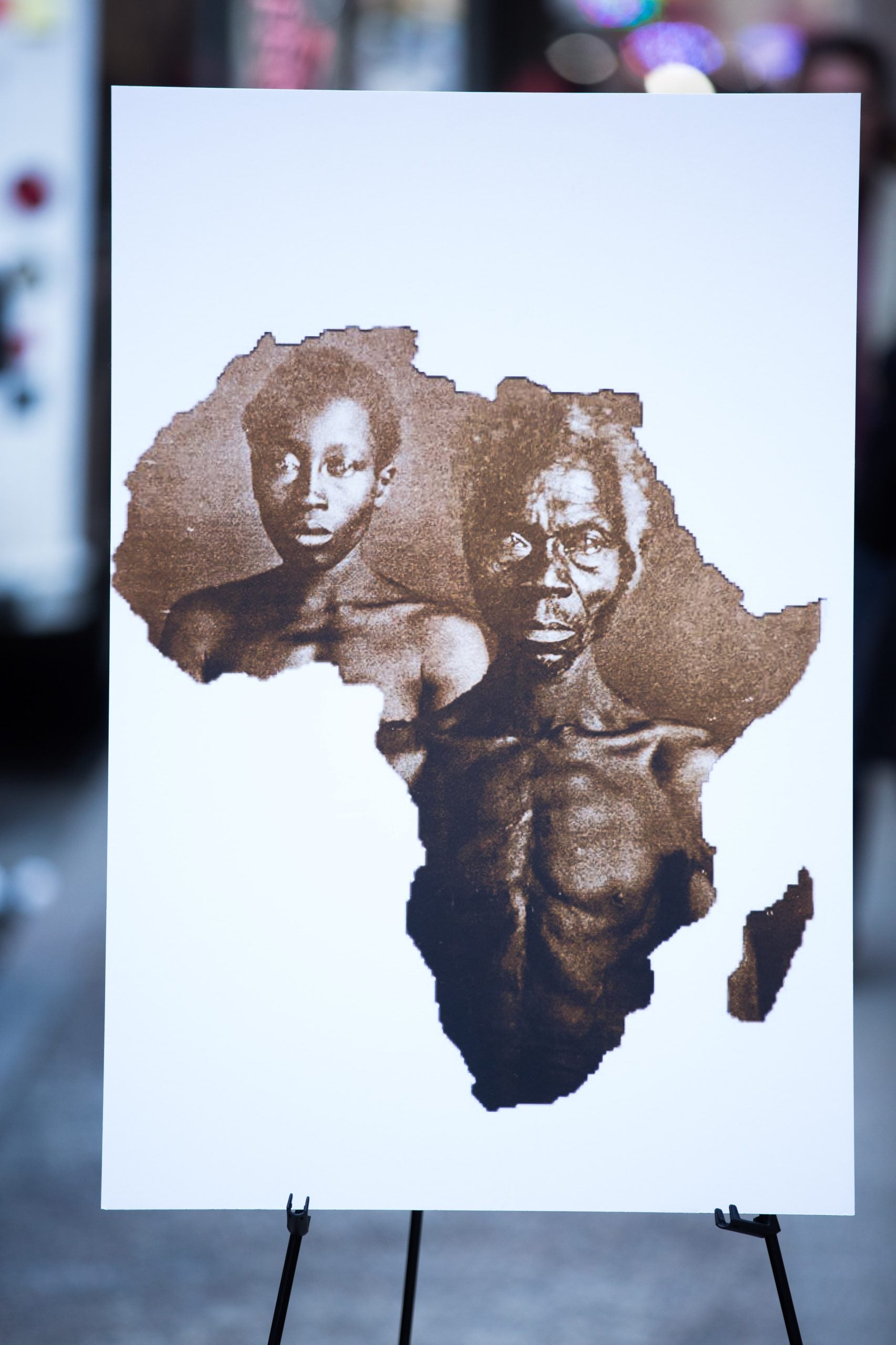
Lanier called the agreement a victory not only for her family but for the broader fight for reparative justice.
“This is a moment in history where the sons and daughters of stolen ancestors can stand with pride and rightfully proclaim a victory for reparations,” Lanier said in a statement.
Lanier’s attorney, Josh Koskoff, said the transfer marks a historic moment.“To win control over images dating back that long of enslaved people — that’s never happened before,” he said.
Lanier filed her lawsuit in 2019, arguing that Harvard profited from the daguerreotypes, which were taken without consent. The suit described how Agassiz located Renty and Delia on a South Carolina plantation, forced them to pose half-naked, and used the images to support white supremacist beliefs.
“To Agassiz, Renty and Delia were nothing more than research specimens,” the lawsuit stated. “The violence of compelling them to participate in a degrading exercise designed to prove their own subhuman status would not have occurred to him, let alone mattered.”
Although a Massachusetts court ruled in Harvard’s favor in 2021 on legal ownership, it allowed Lanier’s emotional distress claims to move forward. In a statement, the university said it had long hoped to transfer the images to a more appropriate institution.
“This settlement now allows us to move forward toward that goal,” Harvard according to the AP. “While we are grateful to Ms. Lanier for sparking important conversations about these images, this was a complex situation, particularly since Harvard has not confirmed that Ms. Lanier was related to the individuals in the daguerreotypes.”
The settlement includes a financial component, though terms were not disclosed. Lanier had also asked Harvard to acknowledge its complicity in slavery and recognize her oral family history.
Susanna Moore, a descendant of Agassiz, joined Lanier in Charleston and supported the return of the images, calling the project a “deeply racist” endeavor.
“This victory reminds us that the meaning of such objects in museums can and should change,” Moore said. “This woman standing next to me, she knew all along she was not small and she was not alone.”
Civil rights attorney Ben Crump, who also represented Lanier, said the decision marks a turning point.
“Papa Renty was taken from his descendants and used to promote a lie — but today, he has finally been returned to the love and care of his family,” Crump said in a statement.
The International African American Museum said it was honored to receive the photographs and will work with Lanier to determine how they are displayed.
“The bravery, tenacity and grace shown by Ms. Lanier throughout the long and arduous process of returning these critical pieces of Renty and Delia’s story to South Carolina is a model for us all,” said museum President and CEO Tonya M. Matthews.