Getting your Trinity Audio player ready…
01
Opening Up About Our Hair
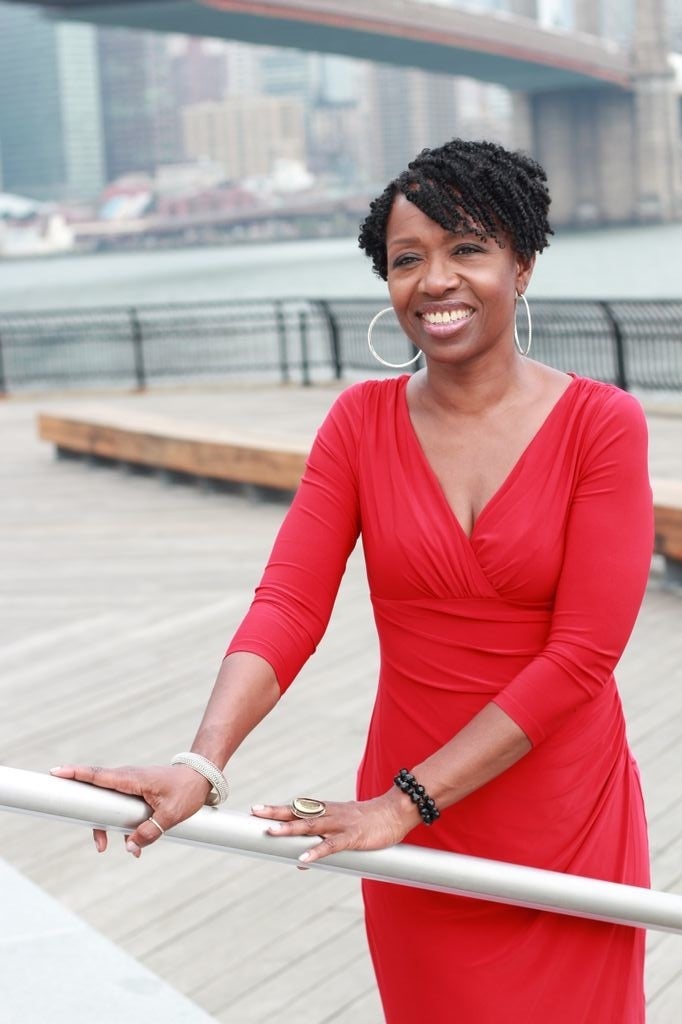
Diane Bailey has been a natural hair care professional and salon owner for over 25 years. Throughout her tenure as a stylist and educator, she’s counseled her fair share of clients who have deep rooted hangups about their hair. Here, Bailey shares some of the advice she gives to her clients to help them to see beyond their hair and embrace their transition to natural.
02
Seek Professional Help
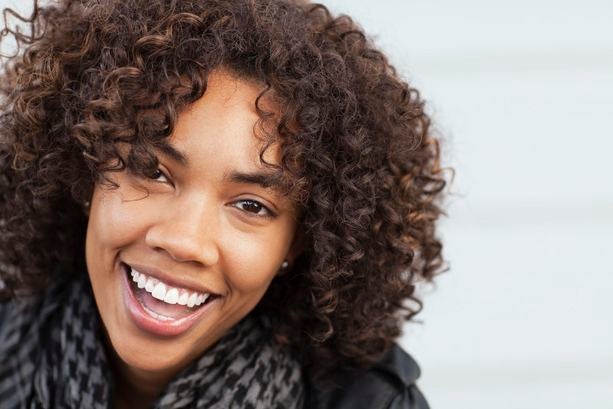
While it’s totally fine to do your research via YouTube and Google, Bailey recommends seeking professional help throughout your natural hair journey to lessen any hair anxiety you may experience. “Being self-taught is full of trial and error. As a professional, I have a knowledge of hair and of science that can eliminate some of that error. You should have a dedicated stylist that you can go to so you can take out some of the guesswork,” says Bailey.
03
Your Hair Texture May Surprise You
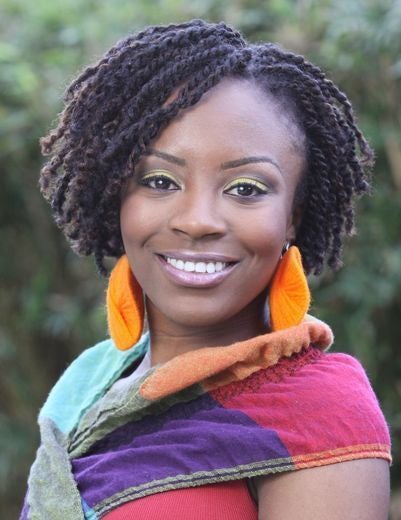
If you’re accustomed to constantly straightening your hair—even if you don’t have a relaxer—your hair texture is not the same as it would be if you were not using heat tools, explains Bailey. Flat ironing the hair will still alter the bonds in the hair shaft, resulting in a looser, and oftentimes limper, curl pattern. “Most women who’ve never been natural do not know what their natural hair texture looks like. My job is to help them get acquainted and make them comfortable with it and share the steps that they need properly take care of their hair.”
04
Learn to Let It Go
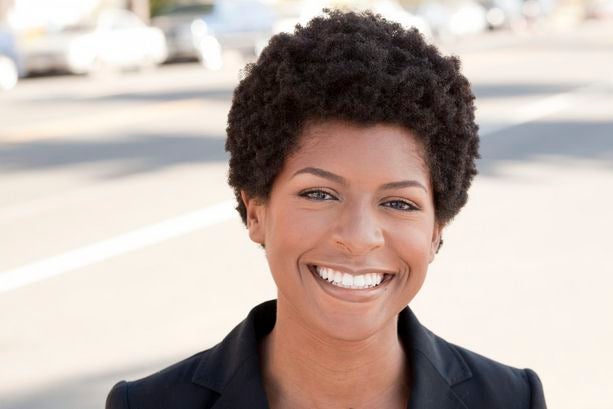
After years of heat styling and chemical processing, the reality is that some of your hair may have to be cut off. Once the hair is damaged from heat or relaxers, it cannot be restored to its natural state. “One of my recent clients was a 13-year-old girl that I had to give a big chop,” recalls Bailey. “She had tears in her eyes. Even though she had all this breakage in the back, she still wanted to hold on to it. I was so proud of her for letting it go. It was the first step to healing.”
05
Be Hands-On During Your Transition
When speaking with your stylist, don’t be afraid to ask a lot of questions and take notes. It’s also good to document what products and techniques you use at home that produce favorable or not-so-hot results. “Once you are participating in the health of your hair, the anxiety diminishes because you can see the progression. You become a part of the process and not just an observer of it and there’s a since of pride in how far you’ve come,” says Bailey.

06
Enhance and Embrace Your Natural Curl
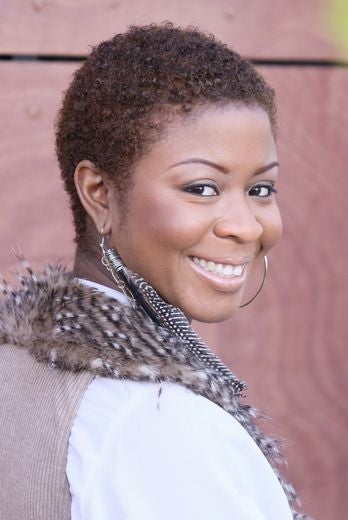
If you’ve been discouraged by creams, pomades and puddings all advertising to bring out your curl, you’ll be happy to know that there are methods you can employ to enhance your natural texture without heat or chemicals. “There is a technique I use called palming where I bring out the natural hair texture and curl just by using my hands. Some people will do this will a tool or a comb, but I use my hands,” says Bailey. Coils are another popular curling method for women wearing the big chop.
07
Beware of Protective Styling
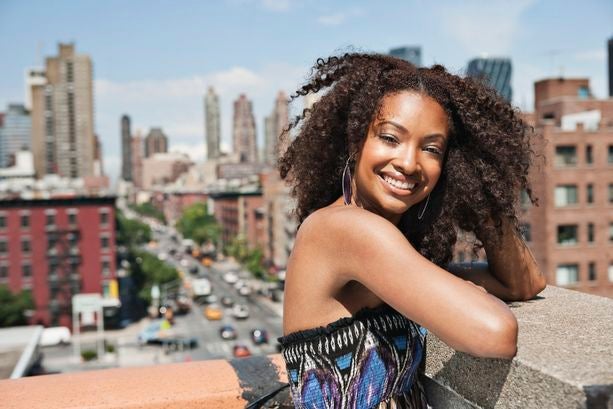
“Protective styling can have its advantages but disadvantages too if it’s not properly done,” warns Bailey. If you opt for extensions while transitioning, remember to properly care for and maintain your hair underneath for best results. You don’t want to be disappointed that your hair is still breaking off under your extensions when your goal is to grow healthy, stronger hair.
08
Remember It’s a Process
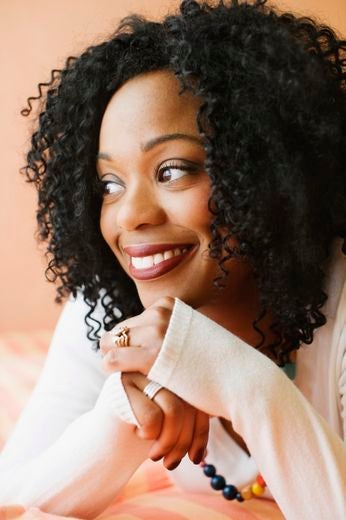
If you’ve never worn your hair natural before, try not to become overwhelmed by the massive amount of information out there. “When someone says they want to go natural, I would never just throw them out there on their own. It’s a process,” says Bailey. Start your journey by seeking professional help and go from there at a pace that feels comfortable for you.
09
Connect With Diane
Diane Bailey opened her natural hair salon, Tendrils, in 1987 and has been passionate about educating women about embracing their natural hair. Ms. Bailey is currently the brand ambassaodr for SheaMoisture and is working on her fourth book, DVD and workbook, Braiding and Cultivating Textured Hair.