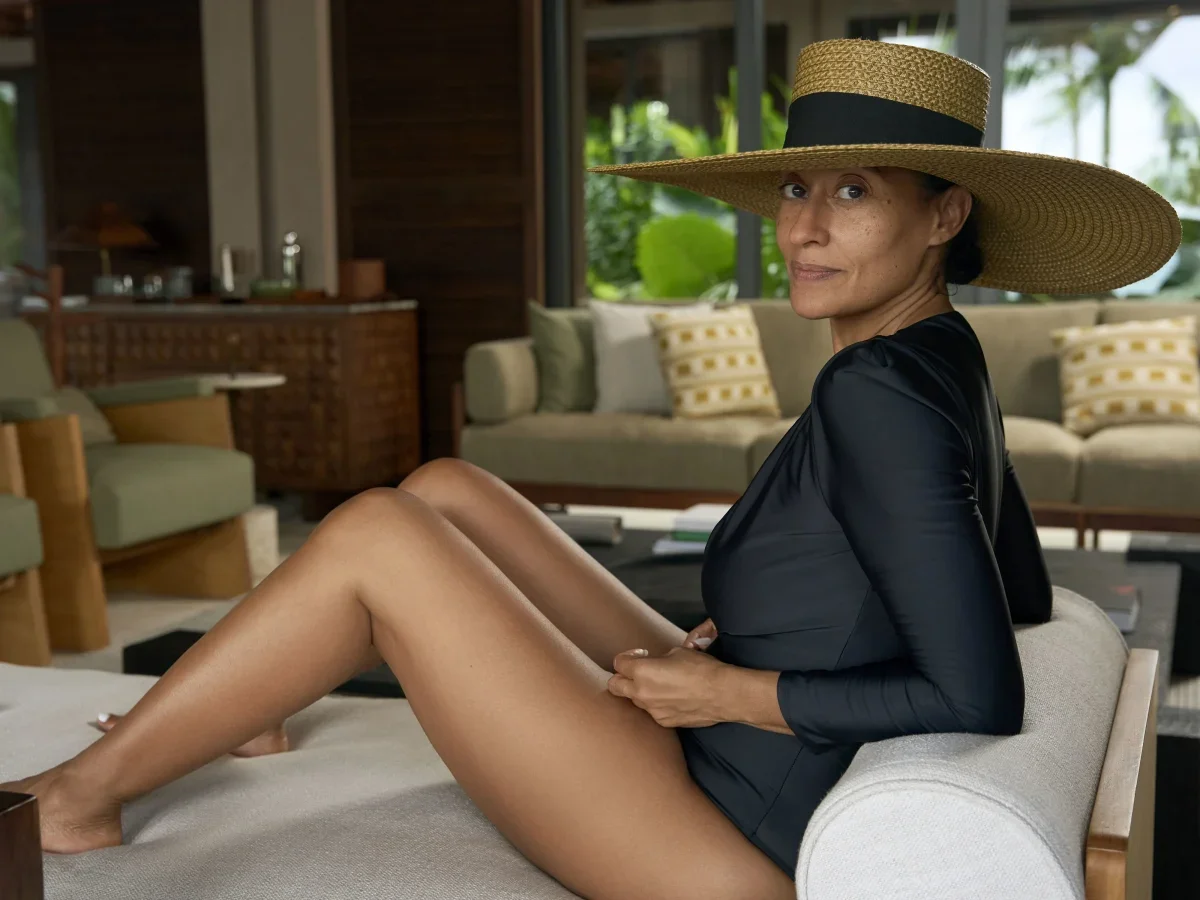

There is power in packing a bag solely for yourself. Actress Tracee Ellis Ross shares this power in her series, Solo Traveling with Tracee Ellis Ross, and it is a truth that Black women have known for years.
I know this firsthand as every year of my 30s, I’ve taken a solo birthday trip, from Daytona Beach to Costa Rica to Tulum. What started as a personal tradition has become a reminder that joy doesn’t always require company. Sometimes the best trips are the ones we take just for ourselves.
According to recent travel research, Black American leisure travelers took 184 million trips in 2023, spending $145 billion, a 33% increase from 2019. Industry analysts say that Black women fuel that growth, as they lead what is being called the “solo travel revolution.”
So Why Now?
After spending years in lockdown from personal and shared trauma, there are many Black women with a “do it now” mentality.
“Solo travel has freed me from co-dependency and the need for outside validation,” says Christane ‘Kris’ Njatcha, who runs Journeys with Kris. “Traveling alone taught me to trust myself—my instincts, my choices, and my ability to navigate new environments.”
For others, solo travel is about creating space where the world doesn’t always offer it. Tanyka Renee, a New York-based solo traveler, says traveling alone gives her a freedom that everyday life rarely allows. “Solo travel gave me more than new passport stamps. It gave me healing, perspective, and a renewed sense of self… Traveling alone allowed me to shed expectations, immerse myself in new cultures, and create space for joy and peace on my own terms.”
Tacha Fletcher, attachment trauma expert, licensed psychotherapist, and certified holistic life coach at Wellness Tree Counseling LCSW PLLC, has witnessed that shift firsthand.
She notes that the pandemic forced many to confront what it meant to be with themselves, without titles or roles to define them. “Solo travel is uniquely meaningful now because it offers Black women the chance to build deeper intimacy with themselves,” Fletcher says. “It provides space to regulate the nervous system and heal from the chronic stress that comes with the intersection of being both Black and a woman in America.”
Liberation, Not Loneliness
For many Black women, traveling alone isn’t about loneliness at all; it’s about liberation. Carissa Boston, a travel content creator who has been traveling solo for nearly a decade, describes a birthday trip to Europe, which she took after friends canceled, as a revelation. “That one choice taught me so much,” she says. “First, the importance of celebrating myself, whether others show up or not. Since then, I’ve made it a tradition to take a solo trip every single year for my birthday.”
That feeling of empowerment is what Ross captures on-screen. The Golden Globe-winning actress has shared moments when strangers made assumptions about her, assuming she must be lonely or that someone else had paid for her trip. Instead, she turned those experiences into proof that choosing to be by yourself can be joyful, bold, and freeing.
Bernadette Anderson, MD, MPH, a family physician and wellness author, calls solo travel “a prescription for restoration, renewal, and reclamation.” She explains, “I know how the demand to always be unshakable: caretaker, leader, warrior, takes a brutal toll on Black women’s health. It spikes blood pressure, fuels anxiety, and steals joy. Traveling alone breaks that cycle. No one to answer to. No one to perform for. No one to get in the way of your own presence. It’s medicine for the body, balm for the mind, and food for the spirit.”
Lessons From Going Alone
Solo trips aren’t without challenges. Safety and preparation matter, especially when you’re doing it alone. Journeys with Kris advises first-timers to start small: “Take yourself out to dinner. Go to a festival alone. Then try a weekend getaway nearby. It builds confidence before you jump into another country.”
Ross herself shares a similar lesson in her series: go where you feel safe. She remembers her earliest travels were at resorts. Everything was on-site, and there was less to worry about. She has become more adventurous in recent years through solo trips, and now she considers each trip an exercise in terms of preparation and resilience—being prepared while trusting herself to adapt to the unexpected.
Community makes a difference, also. Groups like Black Girls Travel Too and Nomadness Travel Tribe share itineraries, tips, and foster a sense of sisterhood. They remind you that when you travel, even solo, you’re not alone.
Luxury on Your Own Terms
Ross sums it up best in her series: “There’s no need to wait for someone or something to find a sense of luxury in your life.”
Every birthday trip has reminded me that solo travel is about more than being alone. It’s about the happiness I find in trying new things, getting up and going without checking in with anyone, and treating myself to the kind of moments and luxuries I deserve.
For many Black women, this type of trip is not simply becoming a trend; it is a declaration that we deserve this time, this space, and this freedom.