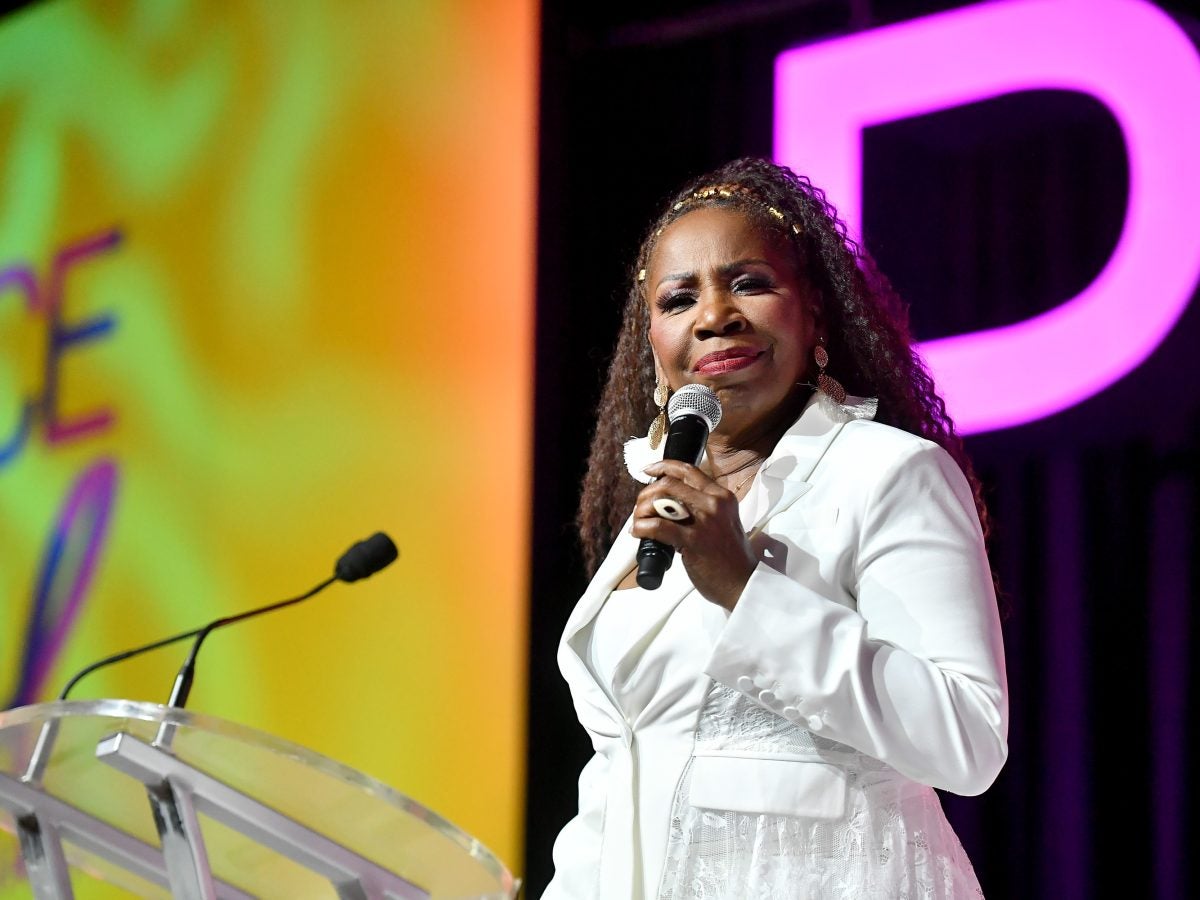

While visiting The Breakfast Club to talk about her new book, Spiritual Hygiene: A Practical Path for Clean Living, Inner Authority, and Divine Freedom, and return to OWN with Iyanla: The Inside Fix, Iyanla Vanzant opened up in only the thought-provoking way she can, about grief. Specifically, the reason she chose not to attend the funeral of her youngest daughter, Nisa, who passed in 2023.
“Her youngest son…was just out of his mind. I know it was grief, but I wasn’t going to put myself in jeopardy,” she told The Breakfast Club hosts. “I wasn’t going to give him the opportunity to disrespect his mother by disrespecting her mother. And I didn’t know what he might do, but I was a trigger for him, and I knew I was a trigger for him. And I had to tell the truth about that.”
She was able to be at peace with her choice because she felt it was protective of all involved.
“I made the decision from a place of love and care, so I was ok with it. I didn’t have to go to the funeral; I went the day before. And I had my own thing with her. She was still going to be dead the next day. I didn’t have to be there,” she shared. “The things that we do out of tradition, out of habit, that we don’t even want to do, I’m not doing that. I’m too old.”
From there, the conversation turned to discussing how the tradition of funerals can often be unhealthy. Instead of honoring the individual who has passed on, many find themselves going into debt over a ceremony that leaves them in mourning more than anything else.
“The funeral really should be a celebration of the life, and it’s turned into this whole money-making thing,” she said.
“Just sitting around to weep and make ourselves crazy, and so many people get stuck in the mourning. Bad spiritual hygiene. Grieving is natural…mourning is bad spiritual hygiene,” she added. “Mourning says that there’s regret, there’s remorse, that mourning is a process. Because this happened or I lost this or this person isn’t here, this part of me can no longer go on.”
Instead of getting stuck in the mourning process, which is a part of grieving, she says it’s important to figure out where we’re holding our sadness within the vessel, accept it, and figure out ways to not be held captive by it.
“Acknowledge it when you feel it. Build that relationship with the body…there’s a distinction between the physical body and the somatic body. The somatic body is the energy and the feeling in the body. So we’ll walk around, and we know we have a physical body…but what’s the feeling in there? Where’s the grief in your body?”
She adds, “The grief for my babies, for my daughters, it’s in my heart. Where it used to be in the center, now it’s on the edges, and sometimes it comes up.”
One way it comes up is around the Christmas holiday. Her oldest daughter, Gemmia, passed away on that day, a day that was once her child’s favorite holiday. So Vanzant celebrates her by going all out on December 25.
“Christmas for me is not a day of mourning. We havin’ fun,” she said. “I will have a tree if I got to cut it down myself. That grief is there, but it’s there in celebration, not in mourning and remorse.”
By processing pain through the body, Vanzant’s connection to her late daughters is not rooted in mourning. Instead, she’s able to celebrate and honor them in ways that go beyond traditional rituals, such as a funeral. She encourages others to tap in as they navigate grief.
“Get in the body. Everybody has grief. About loss of something, something didn’t go right, but are you in relationship with it? Where is it? It will show up, and you’ll be cussing out the Uber driver. No! That may be grief that may be unexpressed, and it’s in the body. Get in there and find out where it is.”