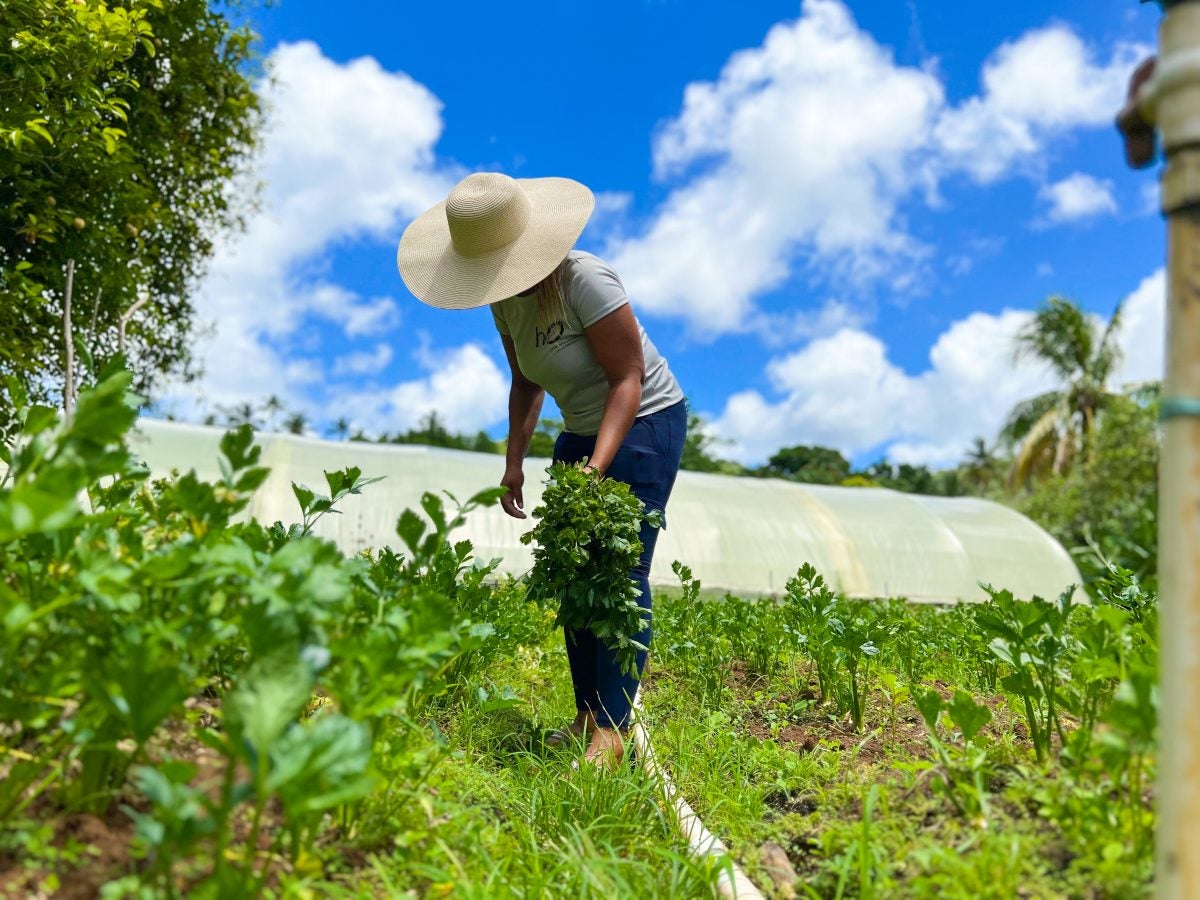

In a modest kitchen in Antigua, Amina watched a woman slice ripe plantains with the same precision and care she remembered from her childhood. The sweet, golden fritter instantly transported her back to childhood mornings in Kaduna, eating what her family called dodo. That bite was a reminder that food travels not only across geography, but through time — carrying memory, identity, and survival with it. This scene could have unfolded just as easily on the streets of Cartagena or in the Lowcountry of South Carolina. From a grandmother preserving seeds inherited over generations to a chef blending local spices with medicinal qualities, African women have long maintained culinary, agricultural, and ecological traditions that carry memory, resilience, and innovation. These practices are rooted in deep, intergenerational understandings of the earth, the seasons, and community.
Yet in the global climate debate, African women are often cast as victims of displacement or disaster. Rarely are we seen for what we are: scientists, innovators, and strategists. But the work we do — braiding seeds into our hair before being kidnapped from our homelands, protecting water sources in drought, adapting crops to extreme weather, and feeding communities through crisis — is climate innovation. And it’s time the world recognized it as such.
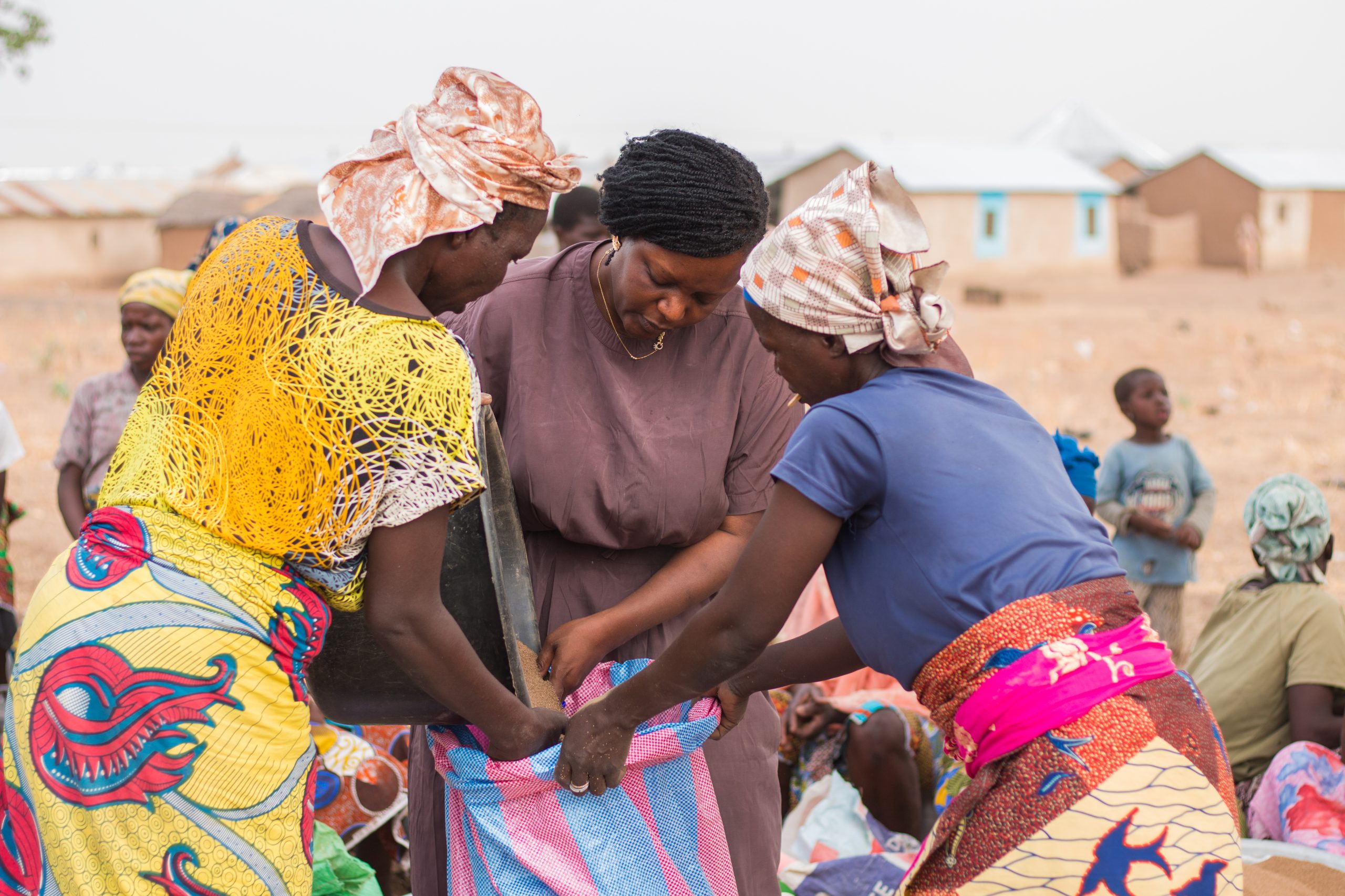
We come to this work from different places: one of us a philanthropic strategist based in the Caribbean, the other a Fulani chef whose culinary journey crosses borders and villages. But both of us have witnessed the same truth: women across the African diaspora who farm, cook, and tend to land are living archives of ancestral intelligence and intuitive science.
African women sit at the intersection of climate crisis and care. As primary food producers and caregivers, we are often the first to feel the impact of environmental shifts — and just as often, the first to respond. After Hurricane Beryl devastated parts of the Caribbean, Amina watched a St. Lucian nonprofit, Helen’s Daughters, mobilize overnight. They delivered emergency cash to rural women farmers, advocated for regional policy, and designed a recovery plan rooted in food sovereignty. In the wake of droughts and floods, it is women who shift practices to protect both harvests and households. We do this without institutional support but always with a deep sense of responsibility to our communities.
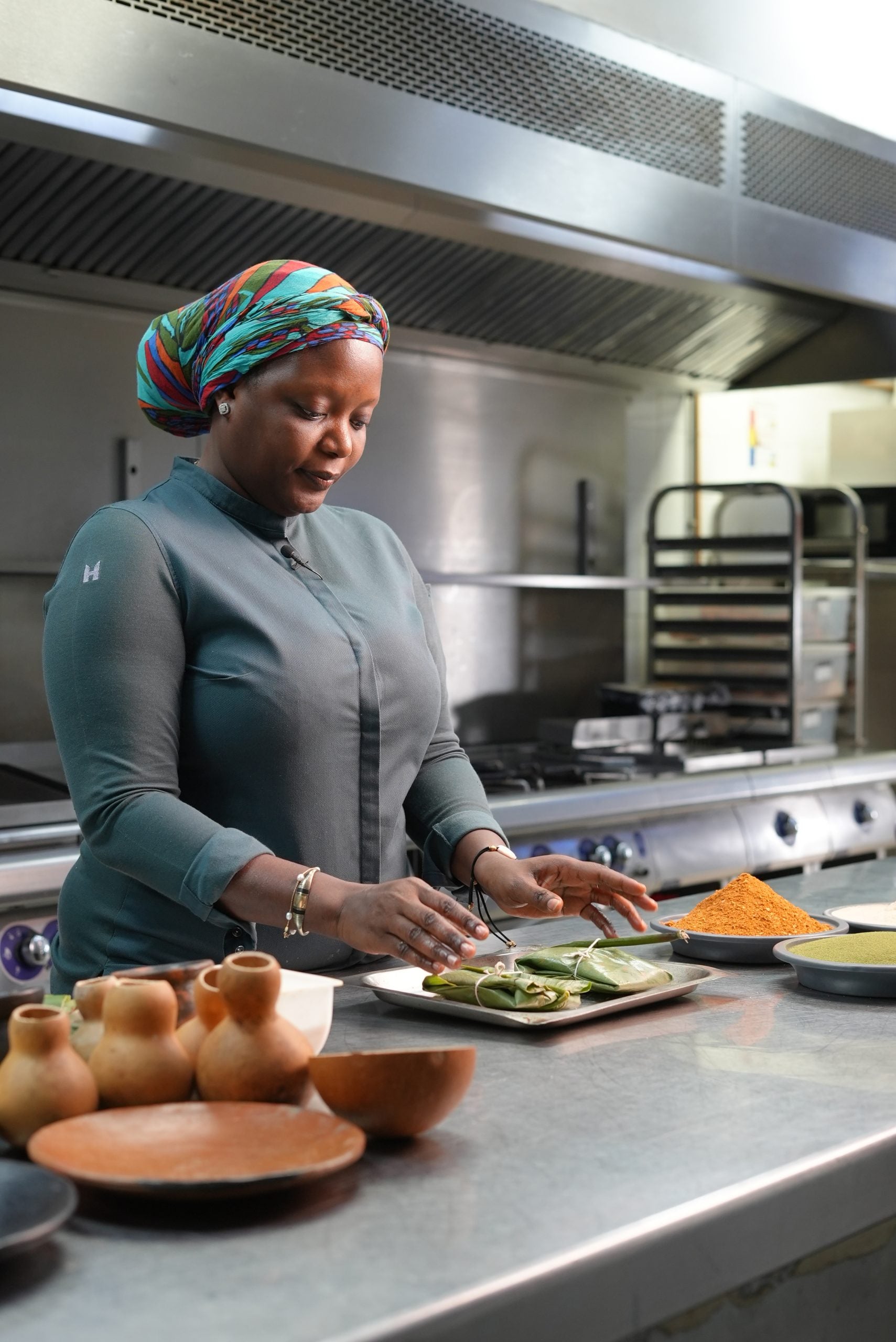
Chef Binta’s work is rooted in cooking to feed and to remember. During the civil war, her family fled to their ancestral village in Guinea. Overnight, a quiet community of 200 swelled with hundreds of relatives, stretching the land and its resources to the limit. They turned to an ancient grain called fonio for sustenance. Compost came from vegetable scraps. Ash from the fireplace was used to ferment locust beans. Nothing was wasted.
They also returned to food values many in today’s world have forgotten: never take too much from the garden, never pick to destroy or waste, and always give thanks when you harvest. Meals were communal, eaten together from a shared bowl — a gesture of trust and respect. Today, Binta carries these values into Dine on a Mat, her nomadic restaurant that celebrates the ingenuity of rural African women. These women may never have stepped into culinary school, but their food science is centuries ahead of industrial trends. Their way of eating is slow, respectful, and communal — a far cry from today’s grab-and-go culture.
But these food systems are under threat. Across the world, African-descended communities have cultivated intricate relationships with their environments through generations of careful stewardship. These living models of sustainability are being eroded daily, with ancient knowledge vanishing not because it has lost its value, but because it is being ignored. Restrictive seed laws, land grabs, and the unchecked expansion of monoculture farming are pushing our systems and the women who maintain them to the margins.
Still, we see this wisdom in practice every day across the continent. In Mozambique, women crush moringa pods to purify stream water. In nomadic Fulani communities, vegetables are sun-dried to stretch freshness across seasons. And in Ghana, ashes from the hearth are used to activate fermentation in locust beans, harnessing natural alkalinity.
We don’t have to imagine sustainable futures. They exist already in the quiet rituals of women who cook from memory, who listen to the land, and who protect biodiversity in their daily lives. The climate movement doesn’t just belong to governments, labs, or investors. It belongs to women whose names may never appear in headlines, but who are reframing what it means to be a climate innovator. Everywhere across the diaspora, African women are farmers, engineers, processors, seed-savers, chefs, and scientists, often all at once. They offer a vision of resilience the world can no longer afford to overlook.
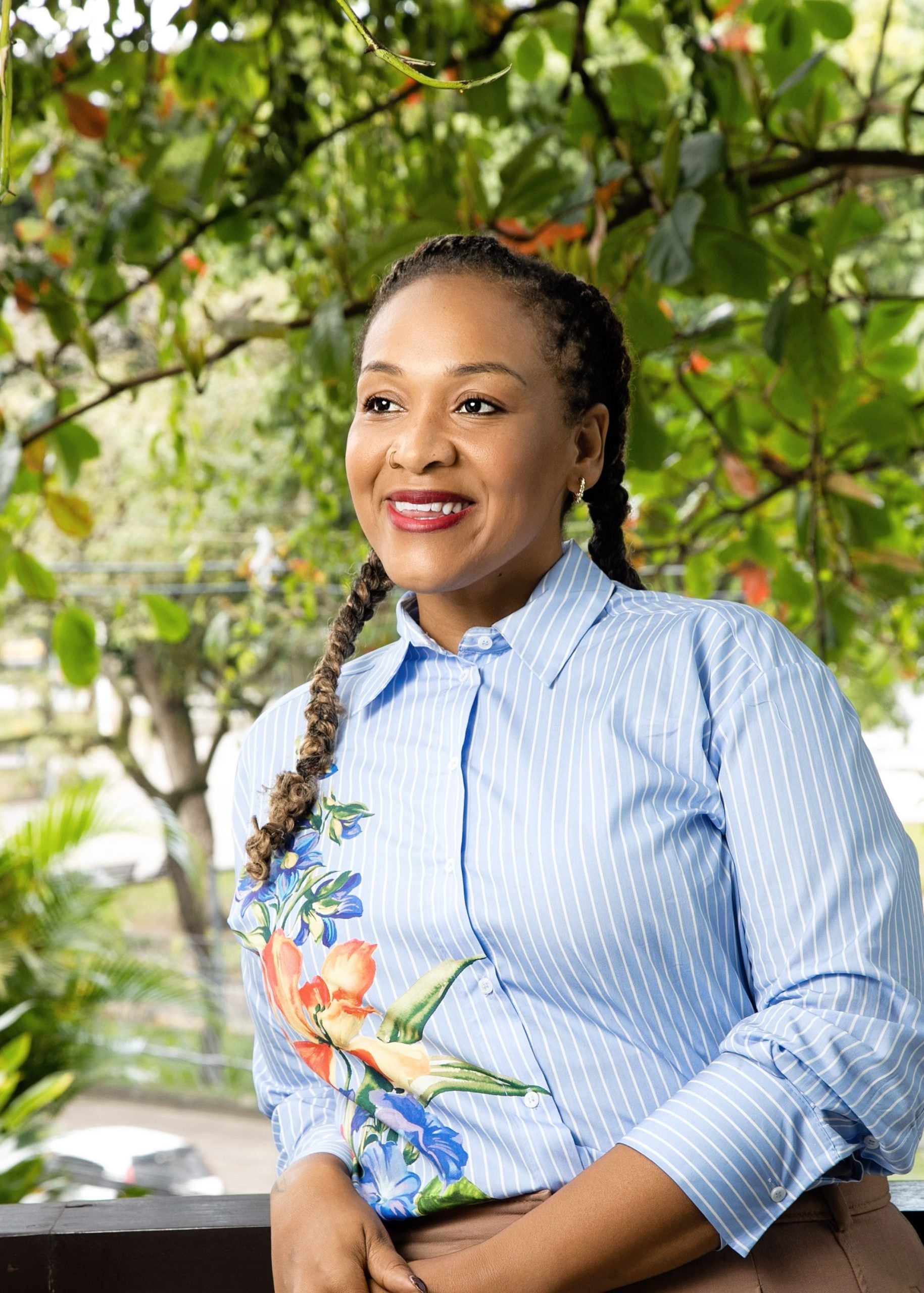
Amina Doherty is a philanthropic visionary and strategist at the helm of building bold, global initiatives that center equity, culture, and community. Over the past decade, Amina has led multi-million global initiatives at the intersection of climate justice, feminist funding, and community-led solutions. She is based in the Caribbean.
Chef Fatmata Binta is a Fulani chef and storyteller who won the 2022 Basque Culinary World Prize for her work preserving and reimagining African foodways. She is the founder of Dine on a Mat, a nomadic restaurant celebrating indigenous ingredients and women-led culinary traditions across West Africa.