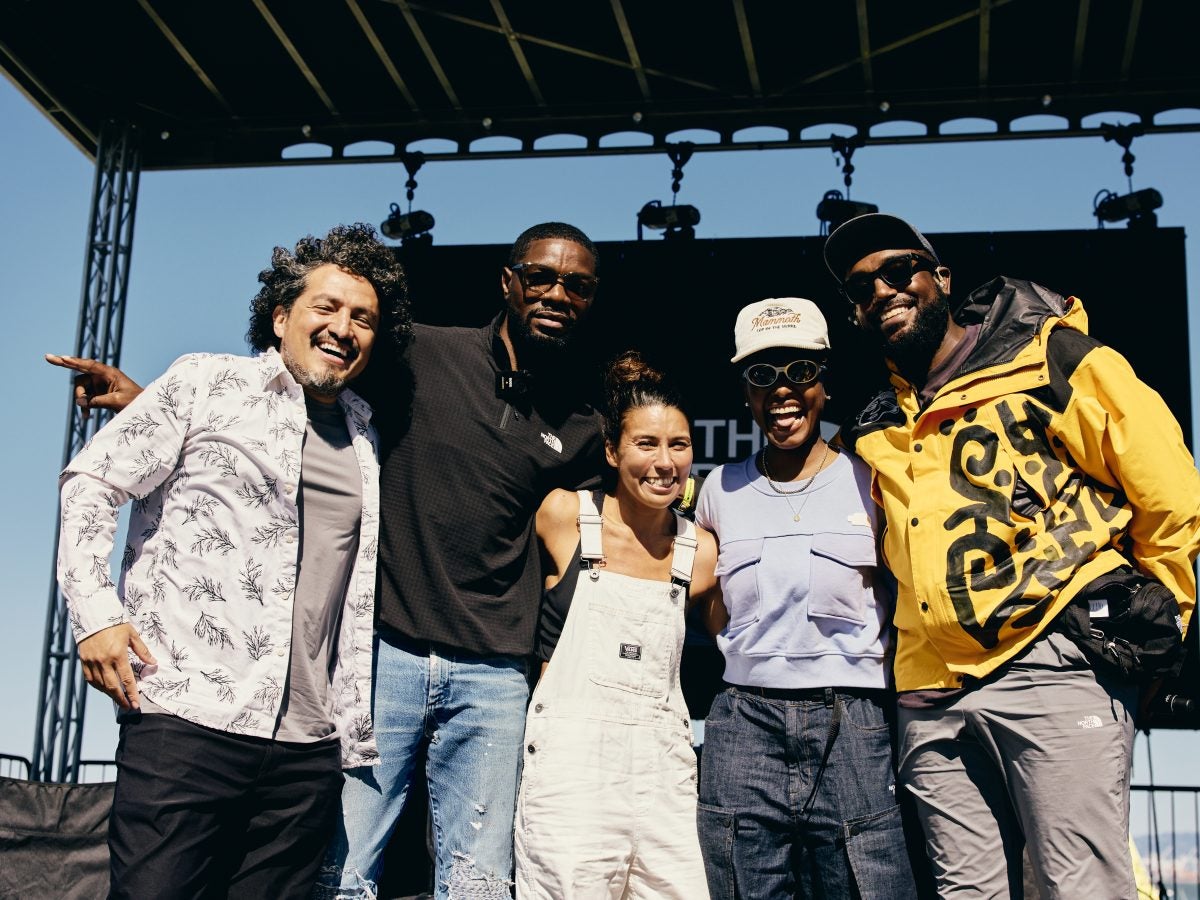

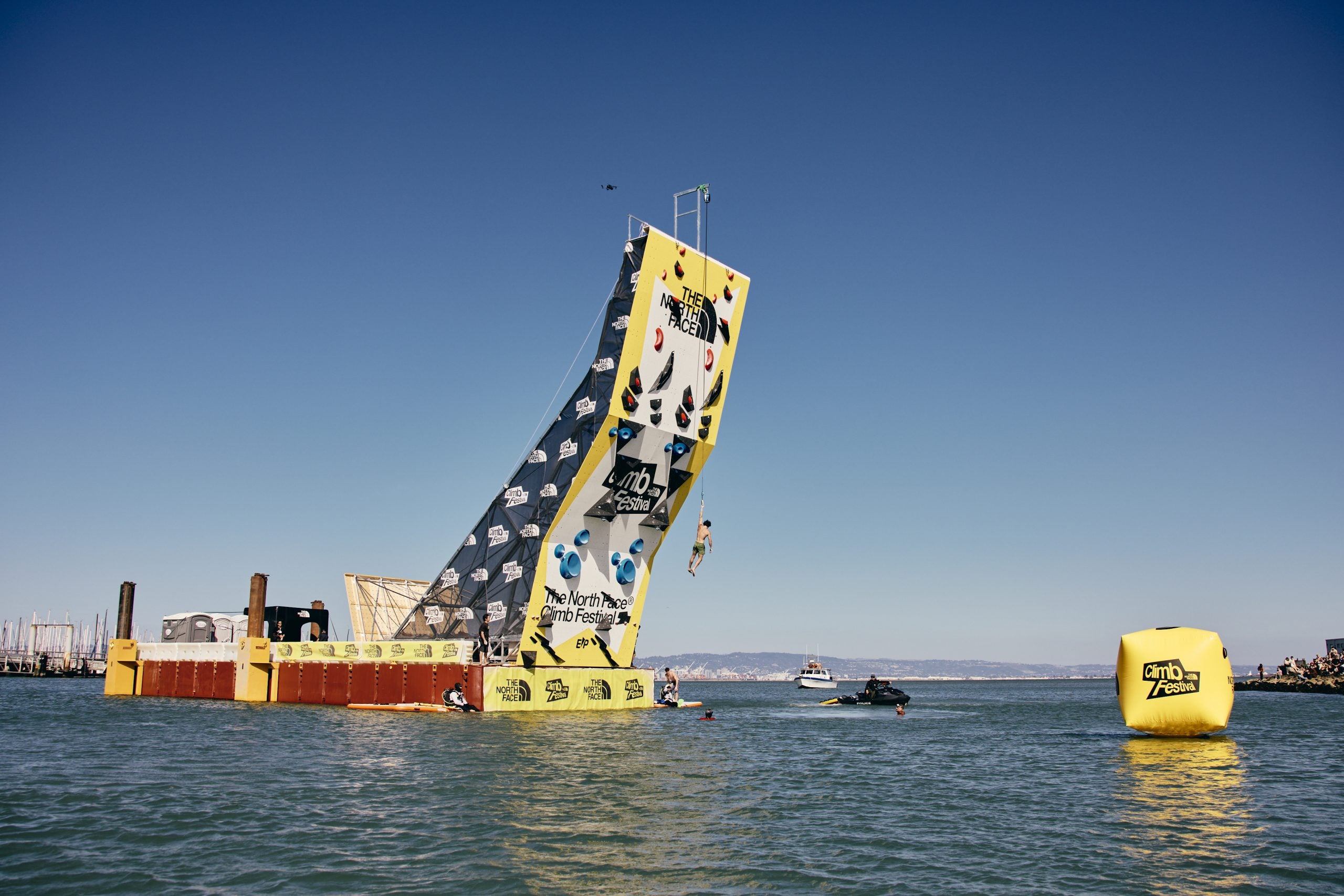
San Francisco’s waterfront was reimagined last weekend as both stage and summit. At Climb Fest 2025, The North Face transformed the city into a proving ground where the sublime grit of climbing culture met the pop-up electricity of a festival. For two days, climbers and onlookers gathered around a 45-foot wall—an ephemeral monument suspended above water—where the edges between sport, spectacle, and cultural communion blurred.
The premise was simple yet disarming: place a wall in the heart of the city, invite the world’s most daring athletes, and let gravity have its say. This was a city already written into outdoor lore, where counterculture and endurance have long braided together.
Beyond the Wall: Climbing as Cultural Revolution
Phillip Lang of the Black Rock Collective understands that climbing is never just about the ascent. Watching his eleven-year-old nephew discover the sport, Lang saw something deeper than athletic achievement—he saw opportunity. The Black Rock Collective founder started climbing some years ago, and quickly saw the importance of making the activity more accessible to Black youth.
“It’s really something spectacular—seeing someone who could never see themselves get up to the top,” Lang reflects. “My nephew’s 11, and climbing has been incredible for him to get off of computers, out of the dark rooms, and to flourish. I tell him, when you look around the gym, all these adults are just tapping back into their inner child.”
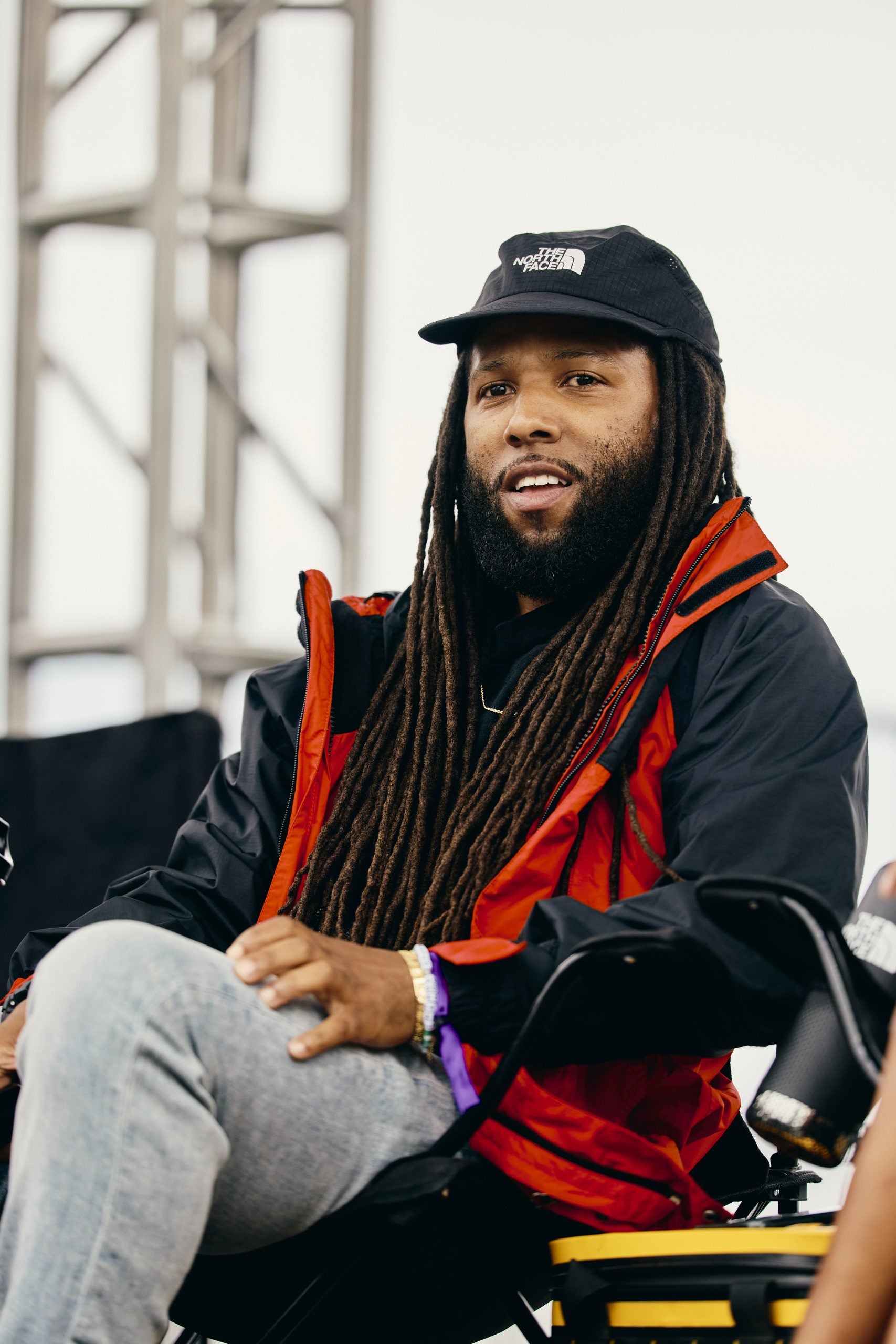
This isn’t the hypercompetitive youth sports machine that churns out anxiety alongside achievement. Climbing, Lang insists, operates on different principles entirely.
“Rock climbing is the type of sport where you’re not competing against each other—behind the wall, everybody’s cheering for each other. If the next climber wins, you win as well. That confidence and camaraderie it builds is top tier.”
For Black and Brown climbers, this communal ethos carries particular weight. In a sport historically dominated by white practitioners, the wall becomes a site of collective uplift rather than individual conquest. Every successful send is a victory for the community, every new climber an expansion of possibility.
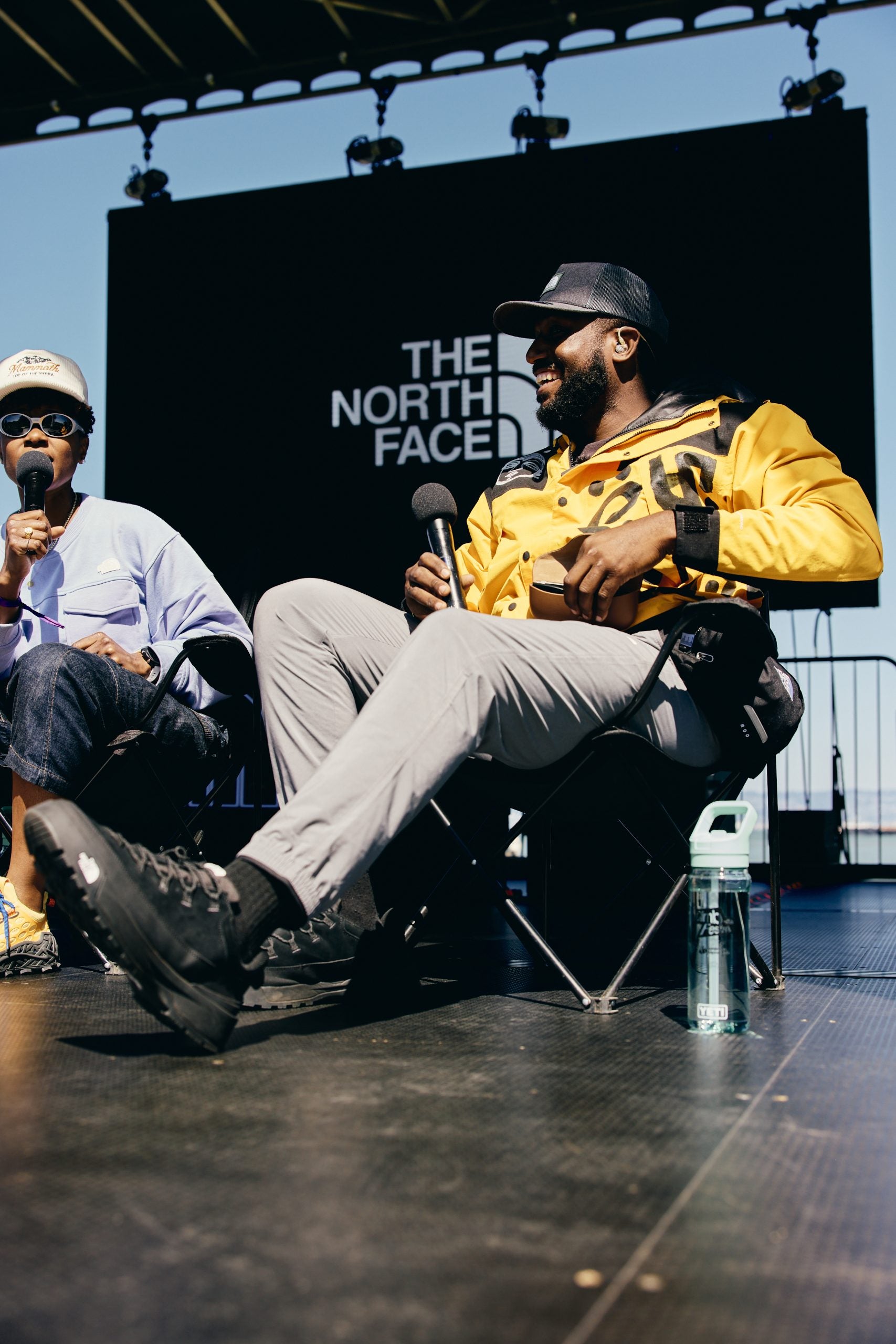
The narrative of outdoor recreation as white discovery has always been fiction, but it’s taken voices like Langstyn Avery of Negus in Nature to make that clear. As he shared while moderating a panel at Climb Fest, Avery seeks to dismantle the mythology that has long shaped American outdoor culture.
“It’s just honestly teaching people that we’ve been here… it’s not trying to Columbus this idea of being like, we’re the first ever outdoor organization. No, we’re just the next. All these things are part of our DNA.”
Avery’s words cut to the heart of outdoor recreation’s inclusivity problem. For generations, Black and Brown communities have been erased from outdoor narratives, their relationships to land and landscape rendered invisible. Climbing organizations led by people of color aren’t creating something new—they’re reclaiming something that was always theirs.
“Once we get into these sports, a lot of us become naturals at these things—it’s just that you don’t have anybody inviting you,” Avery explains. “So with the resources we get and the partners that we have, we’re able to create more access points where it’s each one teach one.”
This “each one teach one” philosophy represents more than pedagogy—it’s a fundamental restructuring of how outdoor skills are transmitted. Instead of exclusionary gatekeeping, it creates networks of mutual support that extend far beyond the climbing gym.
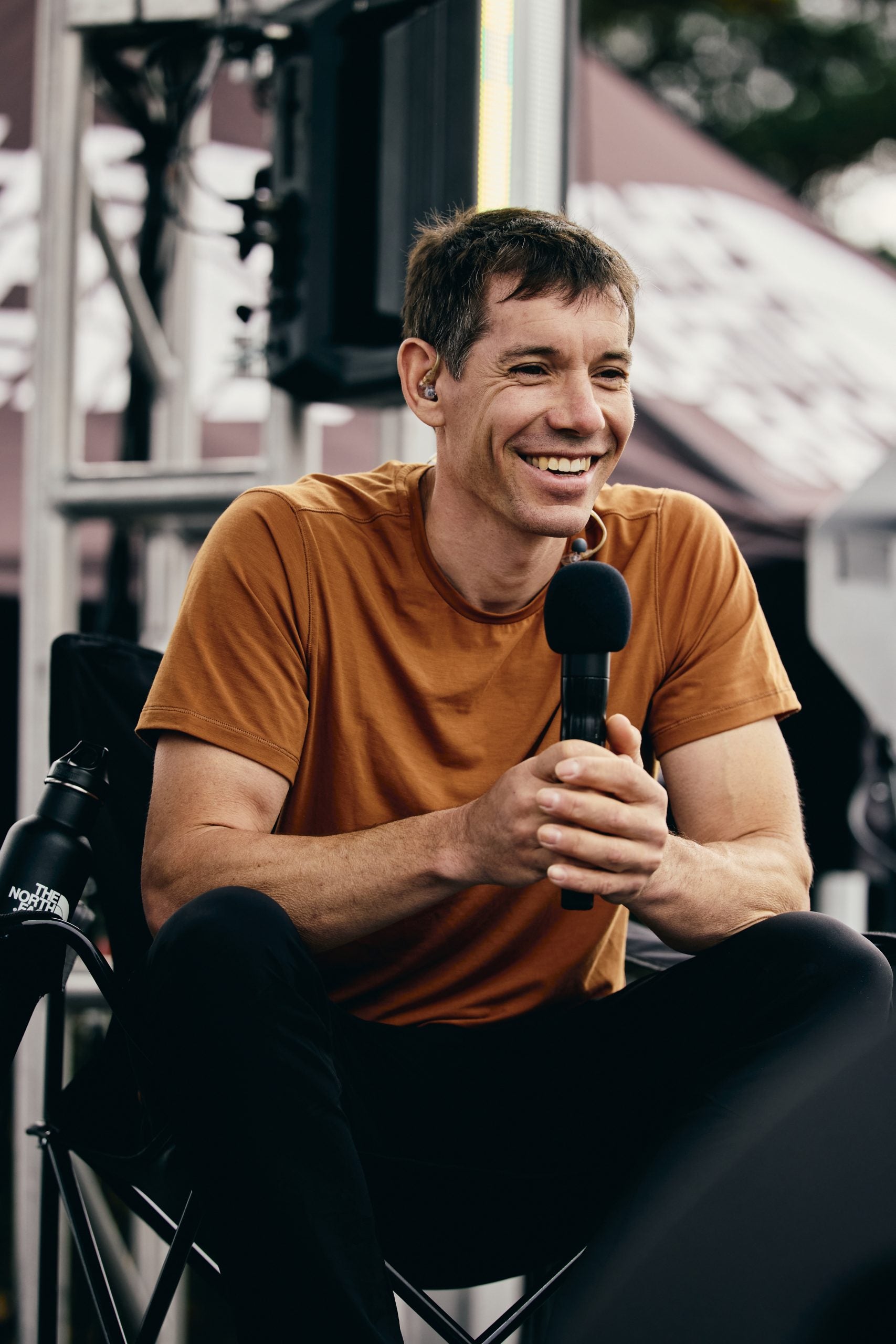
Alex Honnold, climbing’s most recognizable face, sees the sport’s explosive growth as inevitable rather than trendy. The expansion happening in San Francisco’s climbing gyms mirrors patterns worldwide.
“I don’t think it’s trendy—I kind of think the growth in climbing is mostly just meeting the natural demand. Right now, there’s just an appetite for more and better gyms, and those gyms are getting filled with people,” Honnold observes. “Literally, the whole world is seeing this kind of growth. You go to China, you see it. Same thing in Europe, where gyms are opening like crazy all over the world—and they’re great gyms.”
But while climbing’s global expansion is undeniable, its local meaning in communities of color carries particular significance. New gyms in Oakland, Harlem, and other areas aren’t just meeting recreational demand—they’re creating spaces where young people can literally and metaphorically reach new heights.
Lang emphasizes that Black and Brown climbers bring something irreplaceable to the sport.
“We bring a certain essence to the sport that is beyond just climbing—it’s the sauce, the swagger, how we conduct ourselves. I want climbing to be something that’s regular, not extreme to see Black climbers—but I don’t ever want us to lose the sauce and the essence.”
This distinction is crucial. The future of climbing must create space not just for diverse bodies, but for diverse ways of being, celebrating, and moving through vertical space.
The push for inclusivity in climbing extends beyond racial diversity to encompass climbers with disabilities, varying economic backgrounds, and different gender expressions. Adaptive climbing programs are growing nationwide, proving that the sport’s fundamental appeal—problem-solving through movement—transcends physical limitation.
Organizations are pioneering techniques and equipment that make climbing accessible to athletes with visual impairments, limb differences, and spinal cord injuries. Their work demonstrates that the climbing community’s collaborative spirit can literally move mountains when applied to accessibility challenges.
The wall at Climb Fest 2025 will come down, but its lessons remain. Climbing’s future depends on building something more permanent: a culture where every person can see themselves reaching for the top.