Skip to content
  • Essence GU
  • Beautycon
  • NaturallyCurly
  • Afropunk
  • Essence Studios
  • Soko Mrkt
  • Ese Funds
  • Refinery29
  • WeLoveUs.shop
  • 2026 ESSENCE Festival Of Culture
  • Celebrity
  • Fashion
  • Beauty
  • Lifestyle
  • Entrepreneurship
  • News
  • Shopping
  • Video
  • Events
  • Subscribe
Home • News

BHM: Black Hair and Political Statements

The idea that Black hair, in its natural state, is considered "revolutionary" is a very odd one, indeed. But in the context of our history in America, it makes perfect sense. When the first generation of African slaves landed in America, they'd been accustomed to carefully treating their hair with herbs, creating elaborate conrowed styles and grooming their kinks with carved wooden combs (thought to be weapons, they were discarded on the slave ships). On American soil, unable to care for their hair the same way, women began wearing rags to cover head sores and bald spots. Their kinks became a source of shame. And as young slave women began giving birth to half-white babies, their longer-haired offspring were considered better, prettier, more civilized. The idea that "white is right" was so embedded in the country's DNA that, by the time the Black is Beautiful movement hit in the 60s--and women proudly rocked afros and braids--the simple act of embracing the hair that grows out of our heads was considered a revolutionary statement. These days, we'd like to think that the decision to relax our hair, wear it natural, or weave it up is about the freedom of choice, not a political statement. But when dreadlocks can still prevent women from reaching the top of certain industries, we can't help but think we've still got a long way to go. In celebration of Black History Month, lets take a look back at some notable moments in the history of revolutionary hair.
By Essence · Updated October 29, 2020
Getting your Trinity Audio player ready…
01
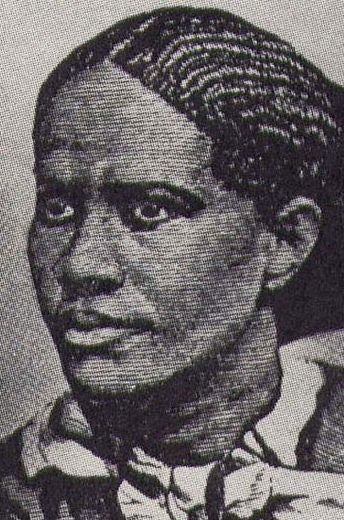
Freedom Fighter, 1867

While touring on the lecture circuit with the American Anti-Slavery Society, poet Frances Harper wore her hair in cornrows instead of mimicking white styles—a dramatic political statement at the time.
BHM: Black Hair and Political Statements
02
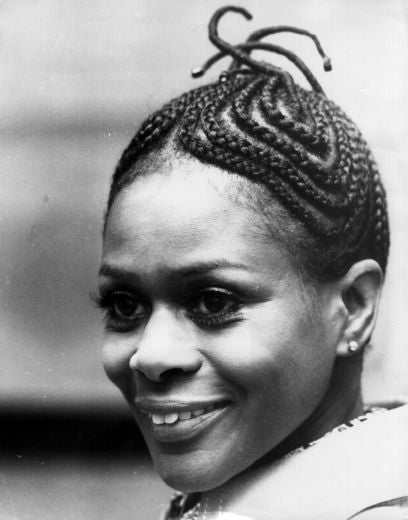
1963, East Side Story

In 1963, actress Cicely Tyson made Black hair history when she appeared on the CBS drama “East Side/West Side” wearing magnificent cornrows.
BHM: Black Hair and Political Statements
getty
03
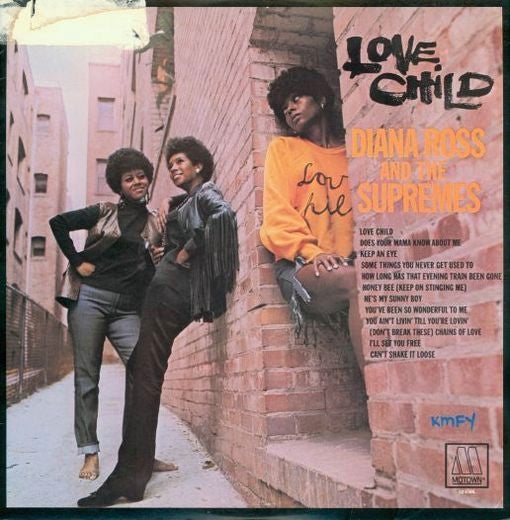
1968, Supreme Dream

By ‘68, the “Black is Beautiful” movement had become so pervasive that even the era’s top glamour girls, the Supremes, rocked afros on the cover of their album, “Love Child.”
BHM: Black Hair and Political Statements
04
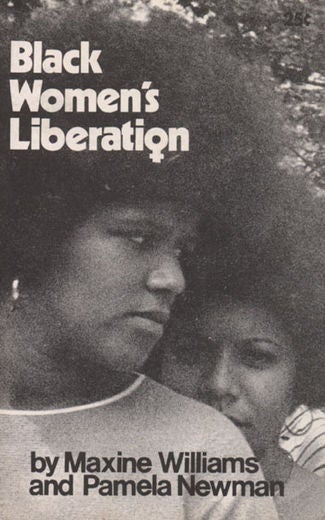
1970, Black Book

On the cover of Maxine Williams and Pamela Newman’s feminist essay collection, “Black Women’s Liberation,” the authors flaunt their fro’s, daring you to question their power.
BHM: Black Hair and Political Statements
05
1971, Nightly News

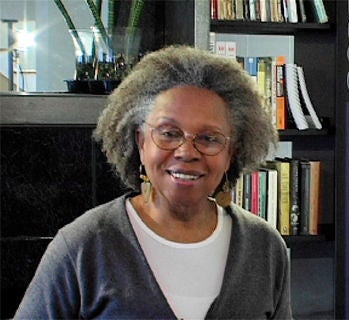
Melba Tolliver, the first Black network TV anchor, was suspended for wearing an afro while reporting from First Daughter Tricia Nixon’s White House wedding.
BHM: Black Hair and Political Statements
06
1972, Power Fist

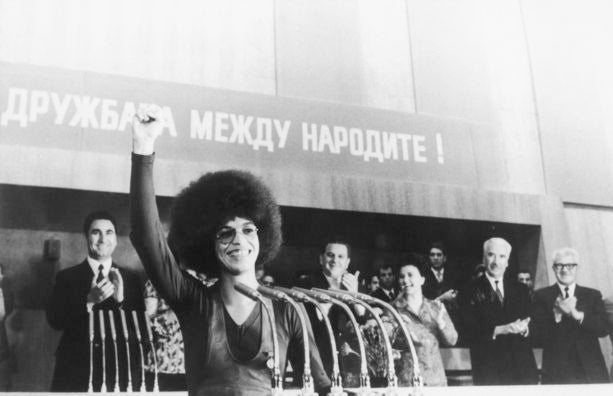
The grand dame of revolutionary hair, activist Angela Davis holds up the “black power” fist at a rally in Bulgaria during her 1972 tour of Communist countries.
BHM: Black Hair and Political Statements
07
1974, Bald Beauty

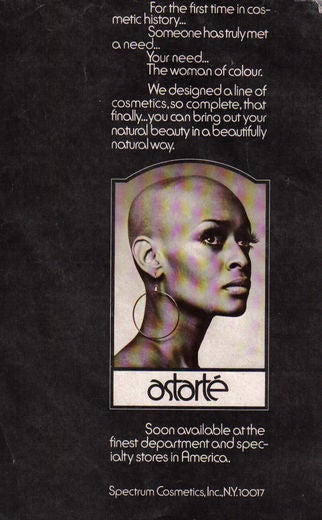
Tired of straightening her fro, model Pat Evans shaved her head and became a star. In ’74, she told ESSENCE that the industry needed more “Black-owned agencies and Black-owned minds.” Powerful!
BHM: Black Hair and Political Statements
08
Mid-70s, Family Affair

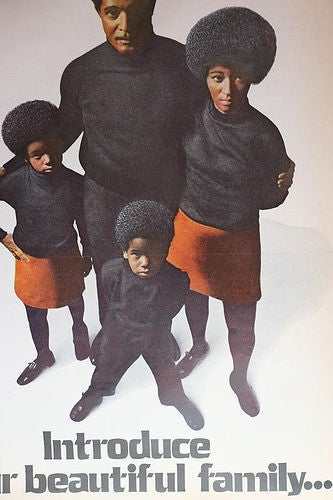
A vintage Afro Sheen ad celebrates a very “don’t even think about messing with us”-looking black family.
BHM: Black Hair and Political Statements
09
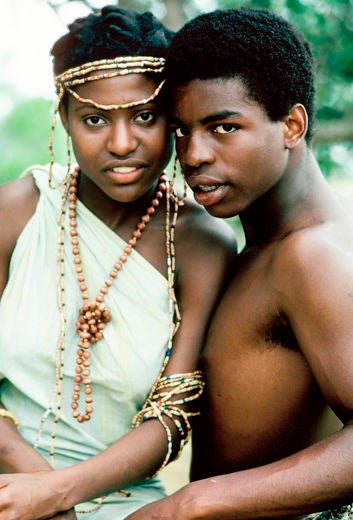
1977, Toby’s Tresses

In January ’77, the Roots miniseries shattered records and sparked a renewed interest in Africana—especially hairstyles. Here, Kunta Kinte and Fanta get cozy on their wedding day.
BHM: Black Hair and Political Statements
10
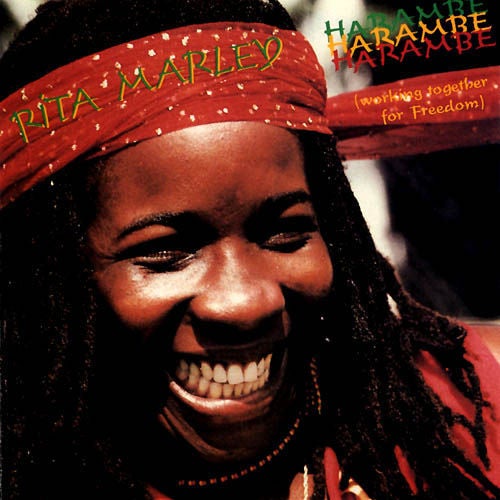
1981, Marley Magic

In ‘81, Rita Marley released her second album after her her husband Bob’s death. On the cover, she celebrates Rastafarian culture with her “freedom hair:” glorious, bouncy dreadlocks.
BHM: Black Hair and Political Statements
11
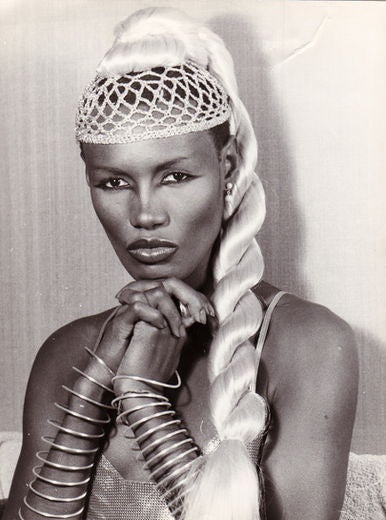
1983, Blonde Ambition

Model/singer/actress Grace Jones made a powerful statement about race and gender by pairing her short, boyish natural with a long, flowing, platinum blonde ponytail.
BHM: Black Hair and Political Statements
12
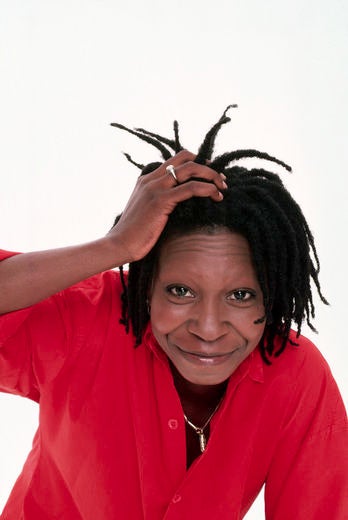
1985, Funny Girl

When Whoopi Goldberg debuted her one-woman “Spook Show,” she challenged America’s standards of beauty by going makeup-less, shaving off her brows, and wearing her hair in dreadlocks.
BHM: Black Hair and Political Statements
corbis
13
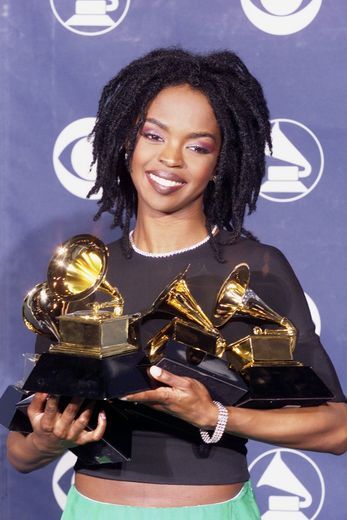
1999, L-Boogie Down

In ’99, Fugees lead singer Lauryn Hill became a huge superstar—and a dreadlocked beauty icon—with the release of her award-winning album, “The Miseducation of Lauryn Hill.”
BHM: Black Hair and Political Statements
getty
14
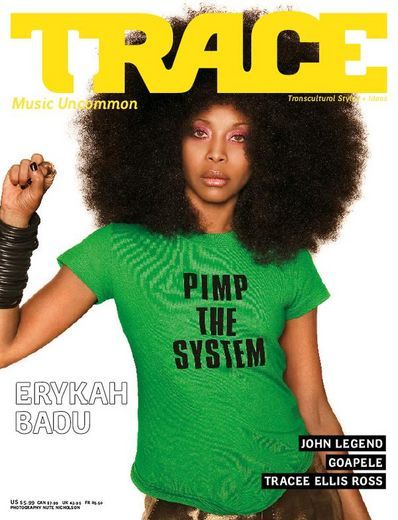
2000’s, Bold Badu

Erykah Badu, always the style revolutionary, promotes black power on the cover of Great Britain’s “Trace” magazine.
BHM: Black Hair and Political Statements
15
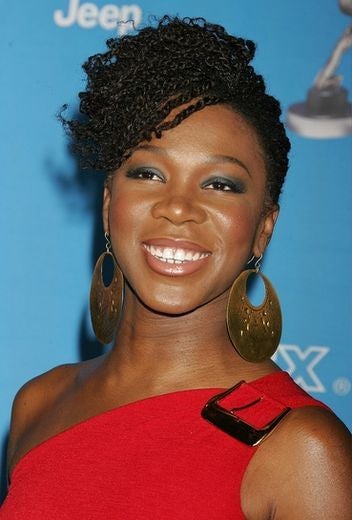
2005, Natural Woman

In 2005, natural-haired singer India Arie dropped “I Am Not My Hair,” which included lyrics like “Good hair means waves/Bad hair means you look like a slave/It’s time to redefine who we be.”
BHM: Black Hair and Political Statements
getty
16
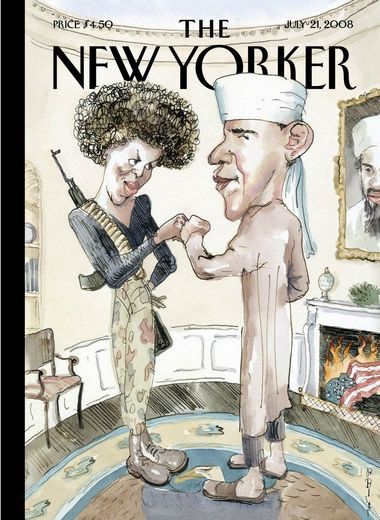
2009, Fists of Fury

In ‘09, The New Yorker ran a cover featuring Michelle Obama as an angry black terrorist in an afro and military boots. Critics felt that America wasn’t sophisticated enough to get the joke.
BHM: Black Hair and Political Statements
17
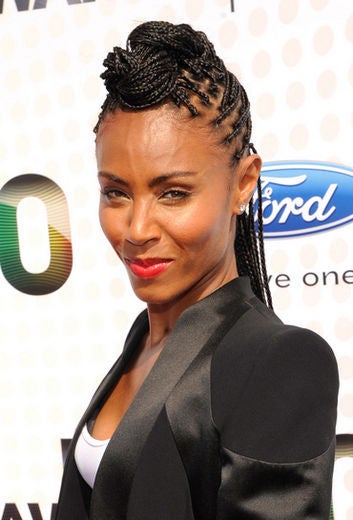
2010, Haute Hair

Today, Jada Pinkett Smith marries three “revolutionary” hairstyles—cornrows, natural texture, and the mohawk—to create a new style, one that’s more about fashion than a political statement.
BHM: Black Hair and Political Statements
18
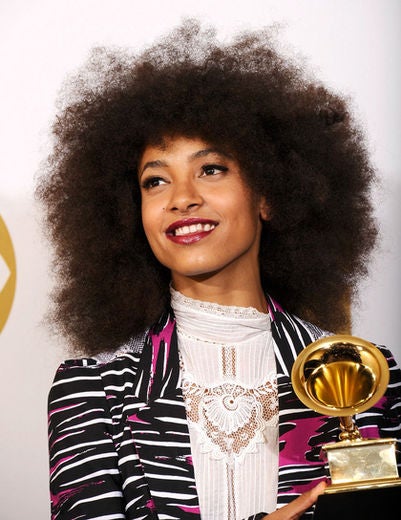
2011, Full Circle

At the 2011 Grammy Awards ceremony, Best New Artist winner Esperanza Spalding flaunted a long, full, picked-out afro instead of the usual weave, wig, or straightened styles.
BHM: Black Hair and Political Statements