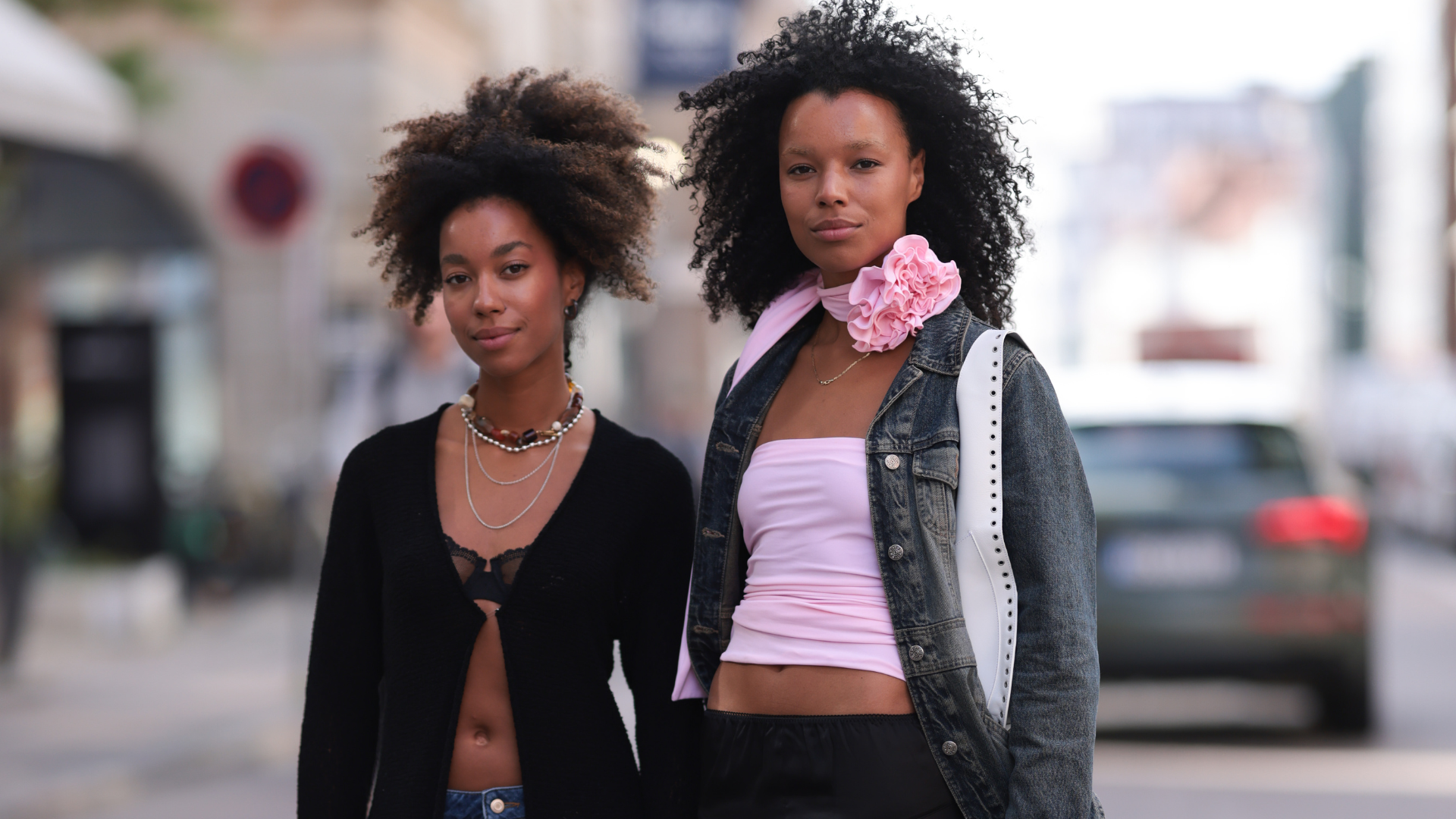

Fashion has lost its ability to tell us anything about the person wearing it. Age, lifestyle, income, even personality, all the visual cues we used to rely on have been flattened. Just this past weekend, I saw women in their early 20s wearing sleeveless button-ups and pleated shorts with loafers, heavily leaning into the “quiet luxury” aesthetic. Women in their late 30s and early 40s were out on the same street in crop tops and ripped short shorts. In any other decade, you might assume they were having a midlife crisis. Now, it barely raises an eyebrow.
TikTok aesthetics have blurred the lines of age distinctions, life milestones are being skipped over entirely, and a retail landscape that funnels everyone, regardless of age, into the same handful of stores has finished the job. The traditional fashion timeline has completely inverted.
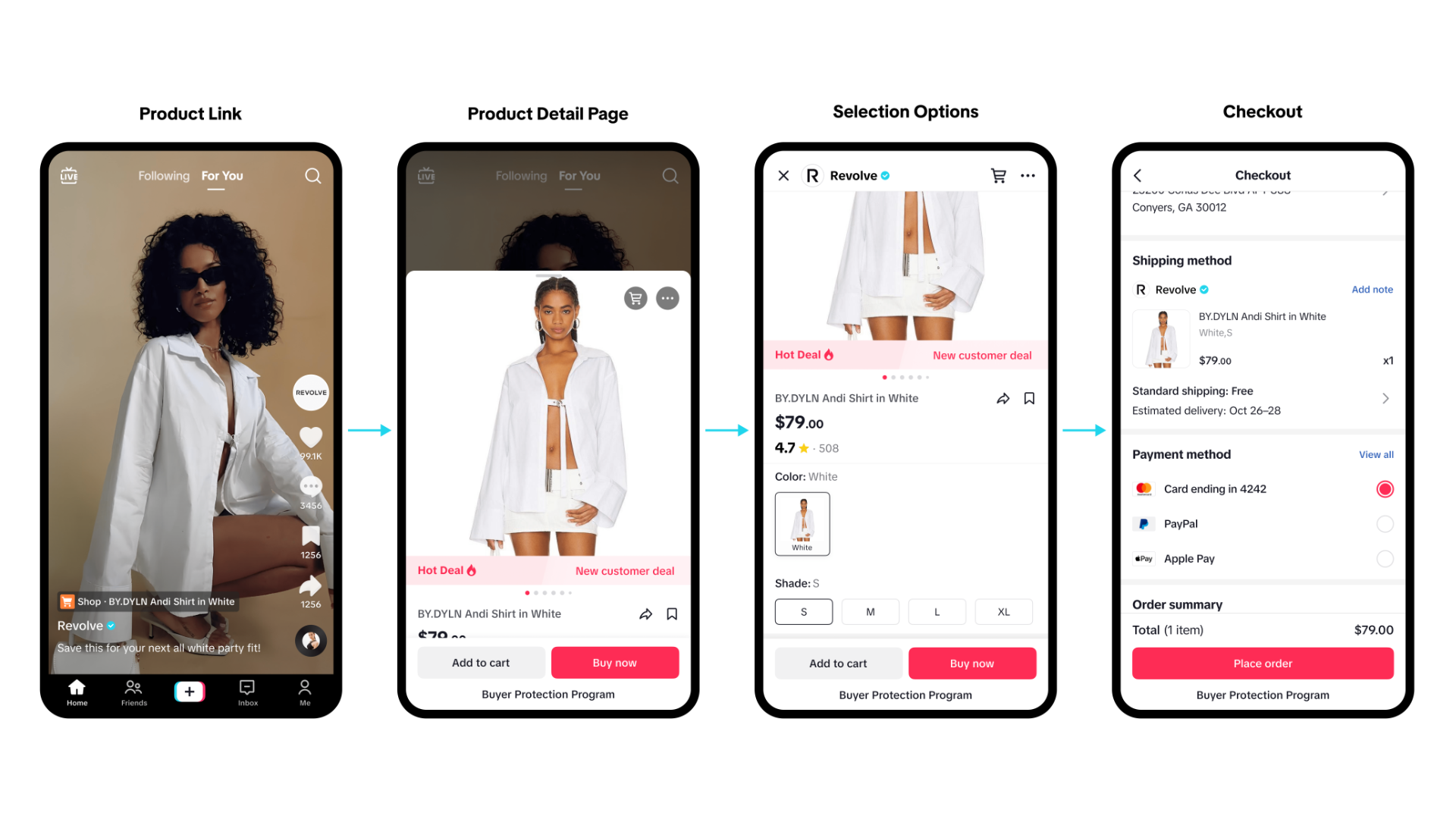
Statistically speaking, in the U.S., TikTok Shop sales have increased by 120% in comparison to last year. Additionally, according to new research pulled by GlobalData and TikTok Shop, 83% of all shoppers say they’ve discovered a new product on the platform, while 70% say they have discovered a new brand. Brands and creators hosted over 8 million hours of live shopping sessions in the U.S. in 2024. (These figures point to how purchasing products on TikTok is now the norm.)
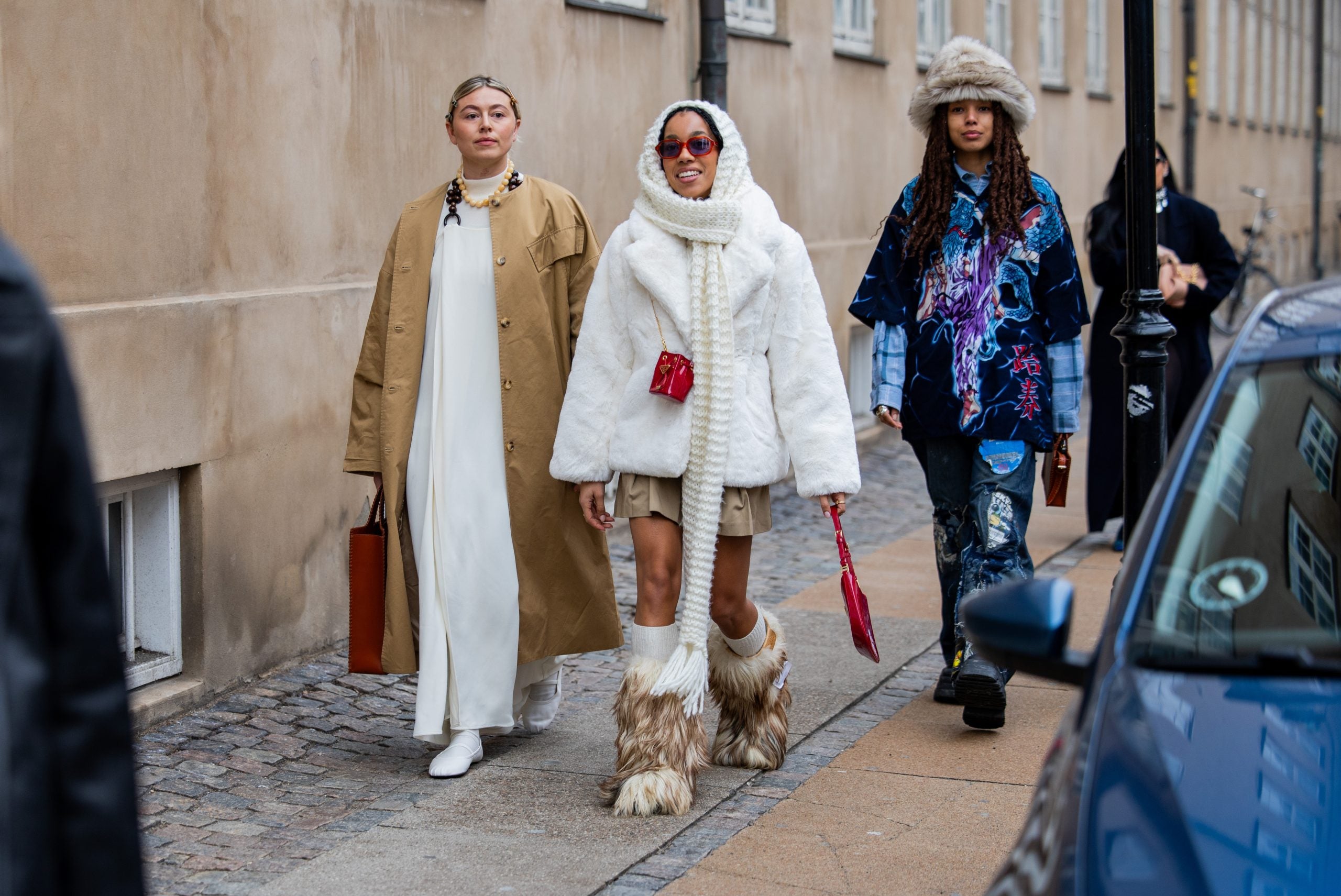
Trends that used to belong to specific age groups are now fair game for anyone. People are shopping from brands they would have either aged out of or never reached yet. Without clear generational codes to guide us, personal style is in the middle of a full-blown identity crisis.
The shift didn’t happen overnight. Just over a decade ago, fashion magazines still ran features on “age-appropriate dressings.” J-14 or Seventeen told teens what the first day of school uniform was, while Vogue and Harper’s Bazaar guided their mothers through office-appropriate attire. Each publication spoke to its demographic with clear boundaries and expectations. Now, most of those magazines have lost their influence and are being replaced in the muddled waters of the algorithm that serves everyone.
Department stores had clear floor plans: juniors on three, contemporary on four, and the implied understanding that you graduated from one to the next. But the shift from mall shopping to online retail erased age-segmented store experiences. You used to go into a store and, based on the key demographic the boutique was marketing to, you knew if you were in the right place.
Walk into Abercrombie or Hollister and you’d immediately know from the pounding music and teenage staff whether you belonged there. Venture into Ann Taylor, and the quiet sophistication told a different story entirely. These physical spaces enforced age boundaries through environment, pricing, and social cues that made crossing generational lines feel awkward or inappropriate.
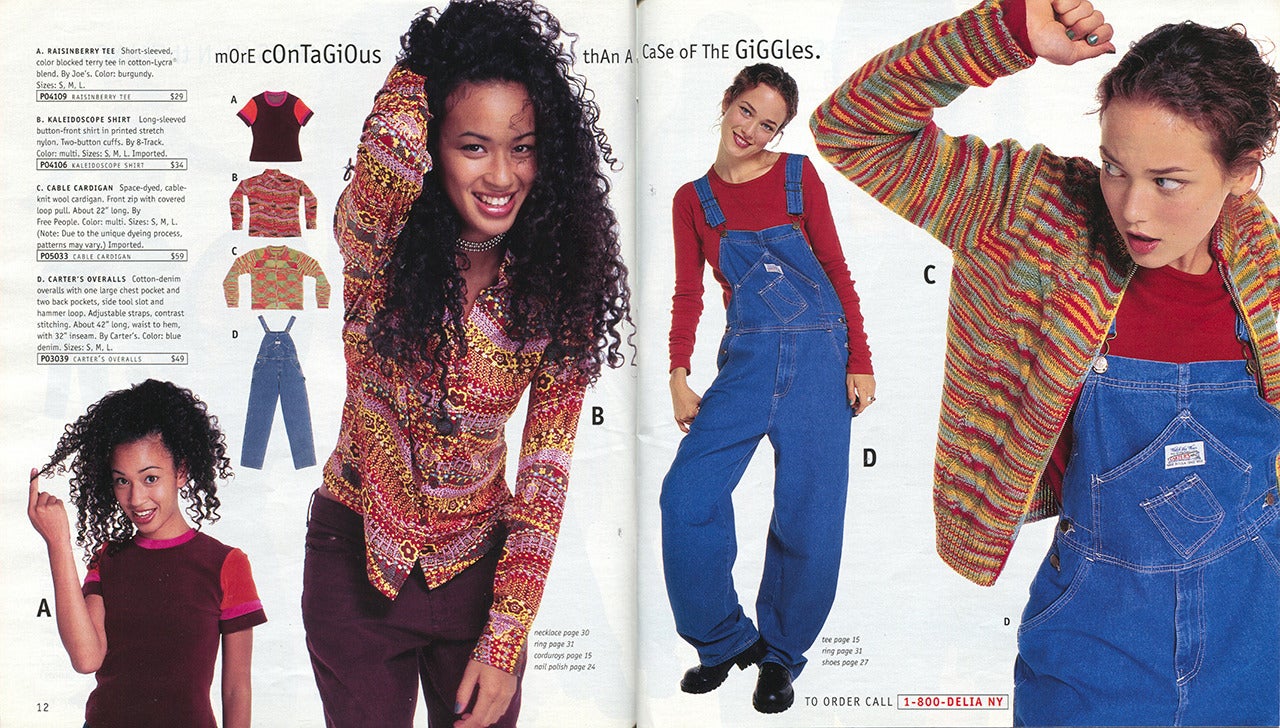
The elimination of tween retail dealt the final blow to age-appropriate shopping. Stores like Justice and Delia’s once served as crucial stepping stones. Places where 10-to-14-year-olds could shop for clothes that bridge the gap before full teen-dom. These stores taught young girls how to navigate fashion retail and gave them a safe space to experiment with style. This was all before many of us graduated or moved on to what I like to refer to as “real” stores. When they shuttered, that entire developmental stage of shopping disappeared. Now tweens skip straight from kids’ clothes to shopping alongside college students and adults. This has left no intermediary step to guide the transition.
It’s not just media and retail that collapsed age boundaries. Milestones that once shaped how we dressed have lost their grip, too. Going away for college, getting married, having kids, buying a house, and settling into a career no longer happen on a predictable timeline, if at all. Style used to reflect life stage. You dressed for the job you had, the family you raised, or the image of stability you wanted to project. But today, many in their thirties and forties are living like their twenty-something counterparts, without the traditional markers that once signaled a fashion shift into “adulthood.”
When your life path doesn’t include a baby shower, a mortgage, or a corner office, what exactly are you supposed to dress for? Many people are opting out of children, homeownership, and other traditional milestones because they simply can’t afford them. Without hitting these life stages, fashion has lost its functional purpose.
A 35-year-old renting a studio apartment has no reason to dress differently from a 22-year-old in the same situation. The power suit meant something when it represented climbing the corporate ladder, but in a gig economy where everyone freelances from coffee shops, what’s the point? Wedding guest dresses used to be a regular wardrobe requirement, but when your friends are either perpetually single or eloping, that category becomes obsolete.
So, what are we dressing for now? Aesthetics. We dress for the Instagram photo, the TikTok trend, the fantasy of who we might be rather than who we are. The “clean girl” look has nothing to do with actually being clean. It’s about looking effortlessly put-together, which is its own kind of performance. “Old money” style is popular among people who don’t have old money.
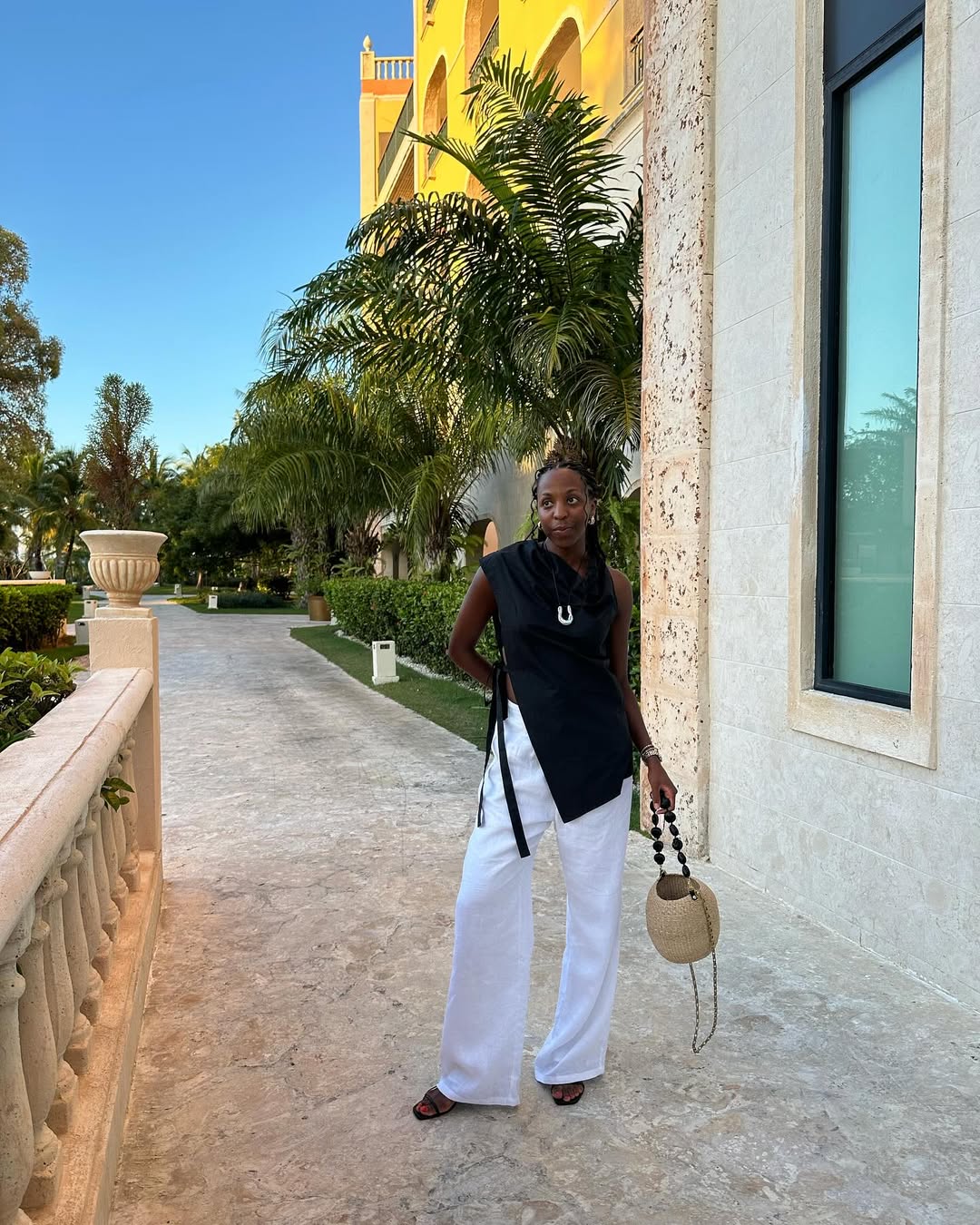
The algorithm doesn’t care how old you are. It feeds everyone the same viral content, the same outfit videos, the same aesthetic breakdowns. If a 19-year-old and a 39-year-old are both watching the same “get ready with me” clip, chances are they’ll both end up in the same outfit. Style is no longer about growing into yourself; it’s about keeping up. Instead of evolving with age, people are curating looks that fit neatly into the trend of the moment.
To be fair, there’s real freedom in all of this. Women aren’t being told to drop their hemlines or give up crop tops after kids. You can wear low-rise jeans at 45 or a trench coat at 15. The collapse of rigid style rules has opened space for creativity across age lines. But with that freedom comes new pressures—ones that might be even more demanding than the old rules.
When there’s no roadmap, style becomes a performance, a way to prove you’re still relevant. In a trend cycle that resets hourly, falling behind can feel like disappearing. The new fear is aging out of the algorithm. For the chronically online, that looks like getting three likes instead of hundreds. It’s not knowing the brands Gen Z swears by. It’s realizing your once-curated wardrobe now feels outdated amongst the masses because we’re all supposed to be shopping the same feed. The algorithm rewards newness, and if you miss enough trend cycles, you stop being seen.
There’s something to be said for the old system, rigid as it was. Age-appropriate dressing gave people a framework—a sense of belonging to a particular stage of life with its own aesthetic language. There was dignity in that visual progression, a kind of earned sophistication that came with time.
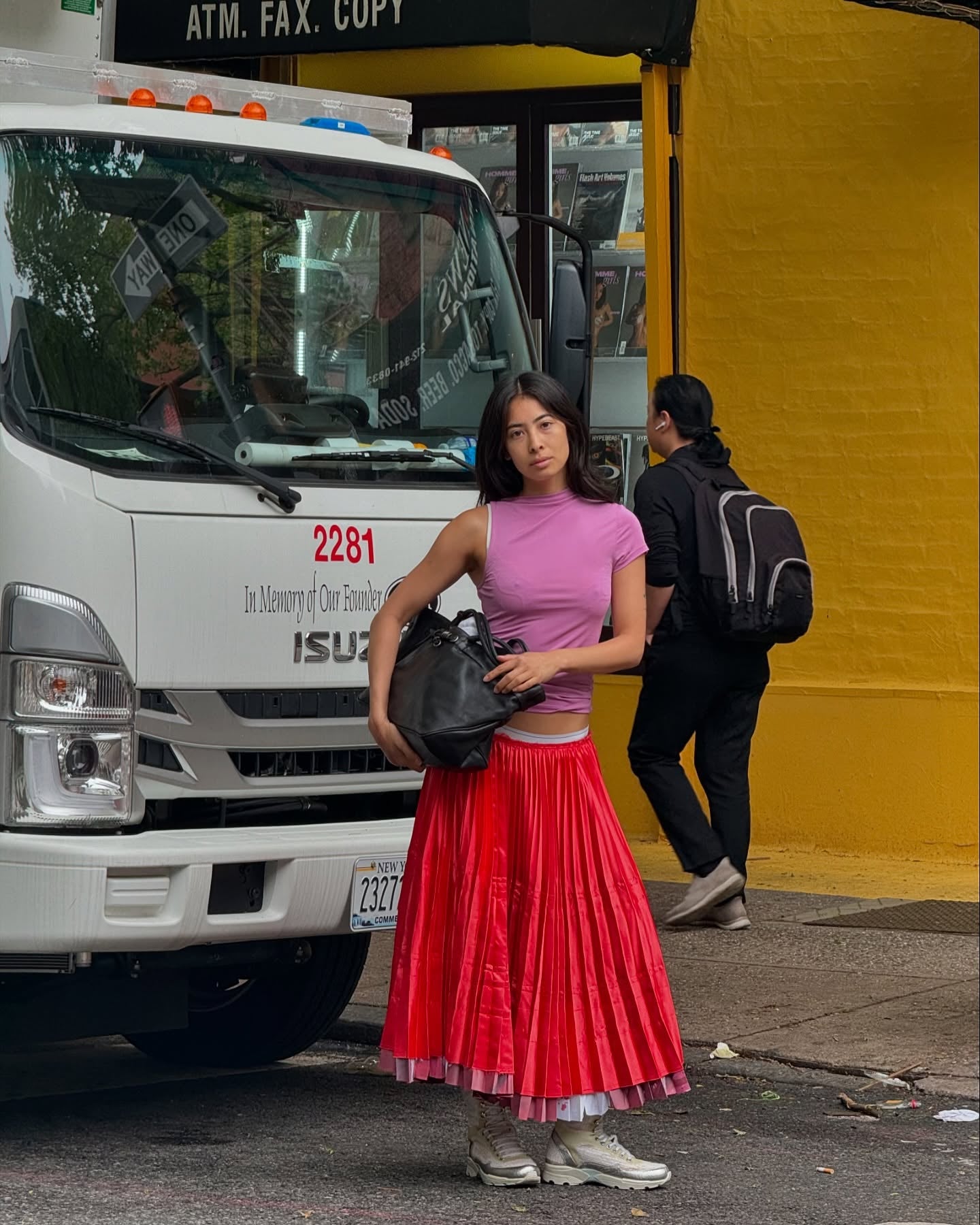
The old guidelines also offered relief from decision fatigue. When you knew what was “for you,” shopping became simpler. You had guardrails that helped you invest in pieces that would work for your lifestyle instead of chasing every trend that crossed your feed. A thirty-something professional could build a coherent wardrobe around her actual life, work meetings, school pickup, and dinner out, rather than trying to keep up with whatever a 19-year-old influencer was promoting.
We don’t need to return to strict rules about what you can or can’t wear at a certain age. But we do need something to replace the roadmap we’ve lost. The answer might be less about dressing your age and more about dressing for the lives we’re living. That could mean dressing for a life built around remote work and side gigs, not conference rooms and cocktail hours. It’s about keeping the sense of intentionality that came with traditional style rules, but ditching the shame that used to come with breaking them.
Maybe the goal isn’t to look timeless or trendy, but to look like yourself, wherever you happen to be right now. Clothes should evolve with you. Not because your age says so, but because your priorities and identity have changed. That isn’t about rules. It’s about knowing who you are and letting your clothes catch up.