
If fashion can tell us who we are, what will the September shows have to say? Fashion and aesthetics can signal political beliefs, economic standing, ethnic and gender identity, and more. Today, these delineators have been somewhat complicated as unprecedented times muddle the bounds of politics and social codes.
Across the many predictions surfacing are themes of imagination, glamour, and nostalgia, which often signal a yearn for escapism due to unstable political and economic times. This summer saw the return of capris and polka dots, a combination that feels very 1950s-retro-dream-girl, an interesting choice during a time of regressive politics and attitudes towards women and autonomy.
Practical takes on unique shoewear have also populated the feeds, particularly in the active warmer months. Merging styles such as ballet sneakers that are athletic and feminine, or heeled flip flops, which elevate everyday footwear, will continue with the desire to curate individuality in everyday wardrobes.
Ahead of this September’s Spring/Summer 2026 collections, we set out to predict what we expect to see on the runways and what these bubbling trends say about the global fashion industry at large.
Americana & Bubbly Futurism
There has also been a return to “classic” Americana fashion, particularly denim, whether in attempts to subvert it like Beyoncé’s “Cowboy Carter” era. Attempts to breathe life into the American trope include Sydney Sweeney and American Eagle’s infamous “good jeans” ad. As the government, economy, and society shift further into conservatism, we’re predicting this will only continue to translate into clothing that reimagines designs from past idealized eras.
Pinterest’s 2025 trend report offered predictions across style and design, all of which contained whimsical and fantastical elements. Whether bubbly pink and fairytale-esque or sustainable earth-toned futurism, these predictions incorporate a creative optimism and interest in maximalist design. Maximalism, and by extension personalization, is of increasing importance for those attempting to cut through algorithms and find a sense of personhood; therefore, we expect to see more layered looks across different style niches.
A Return To Romance
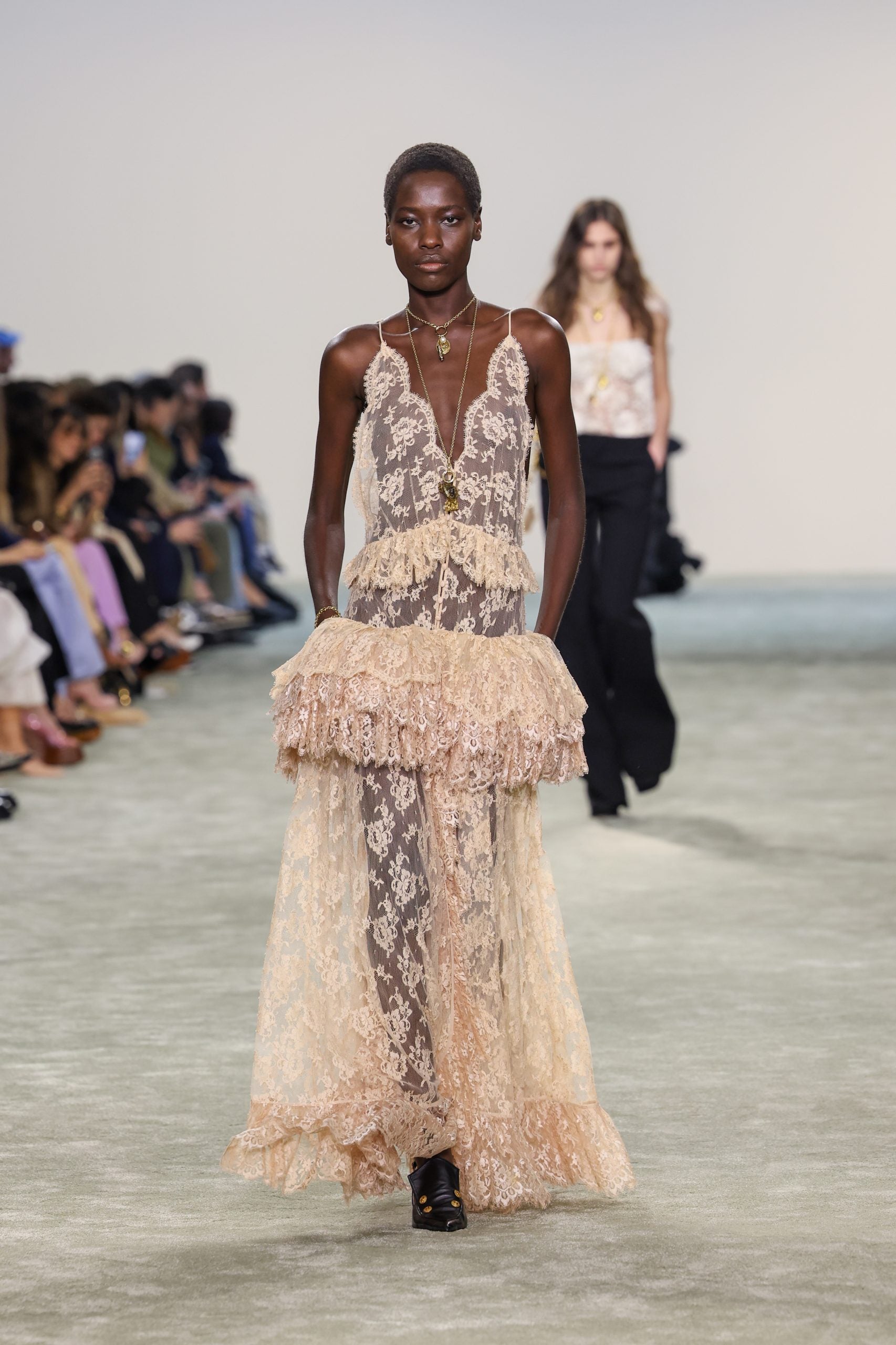
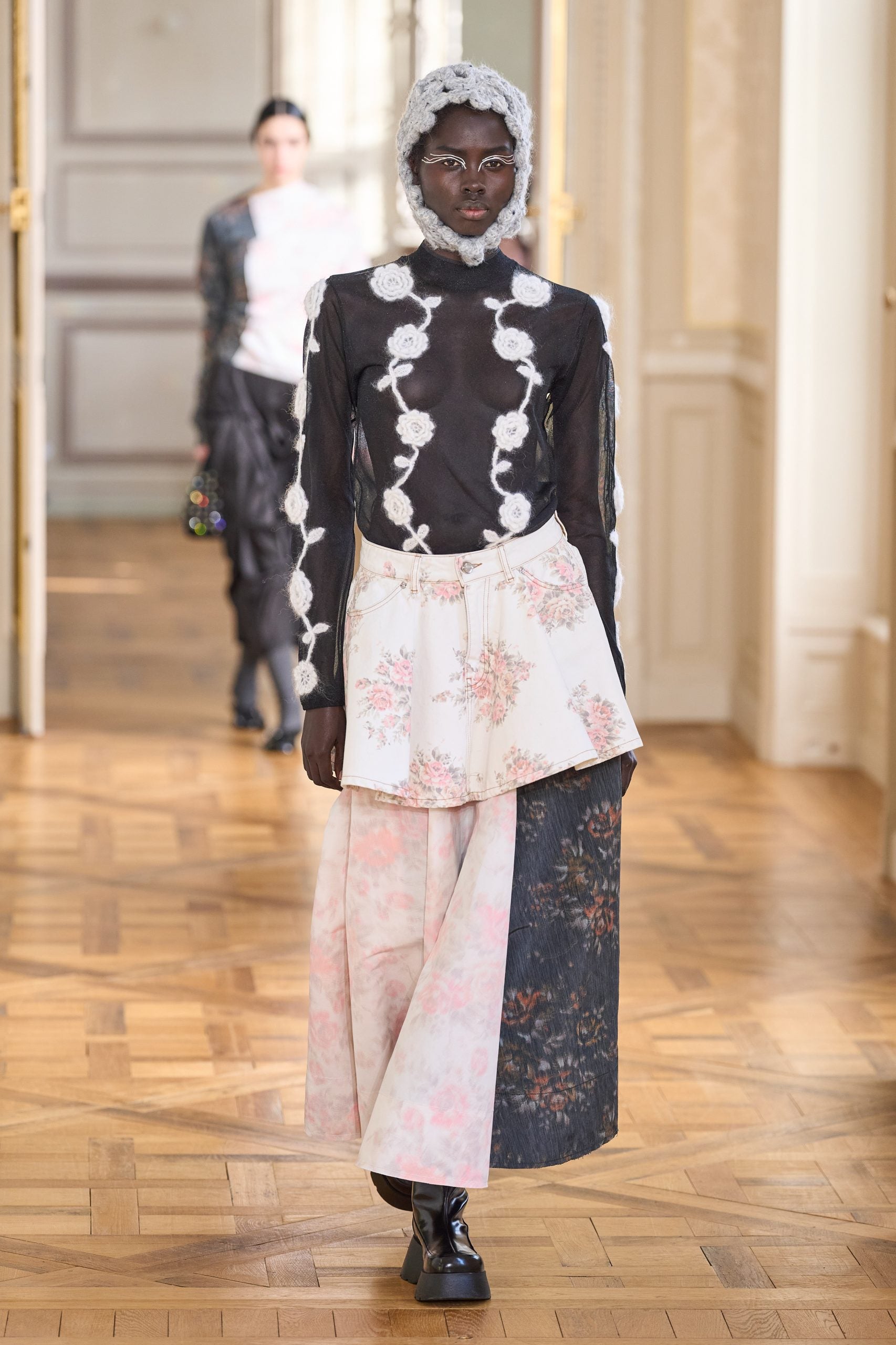
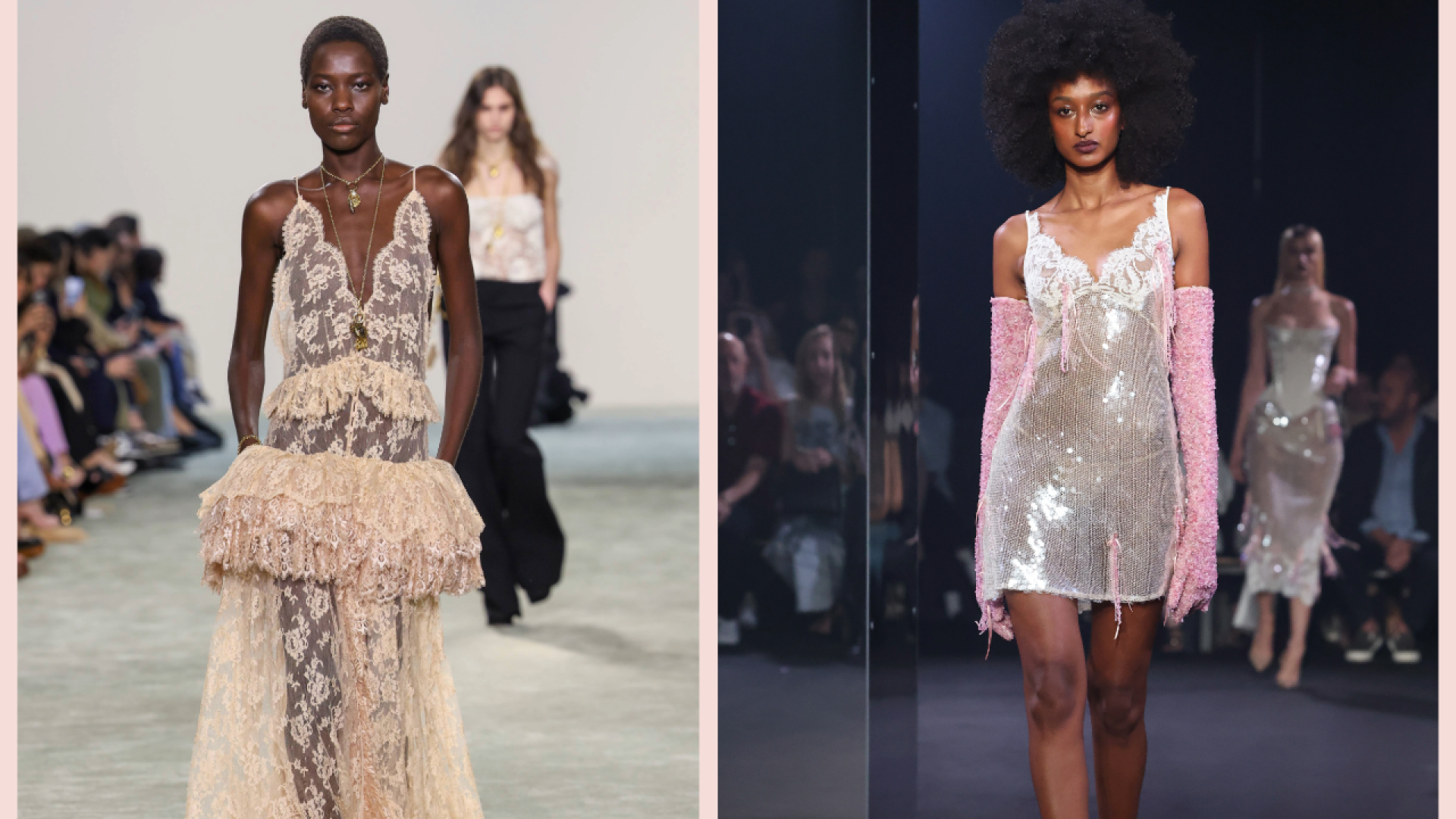
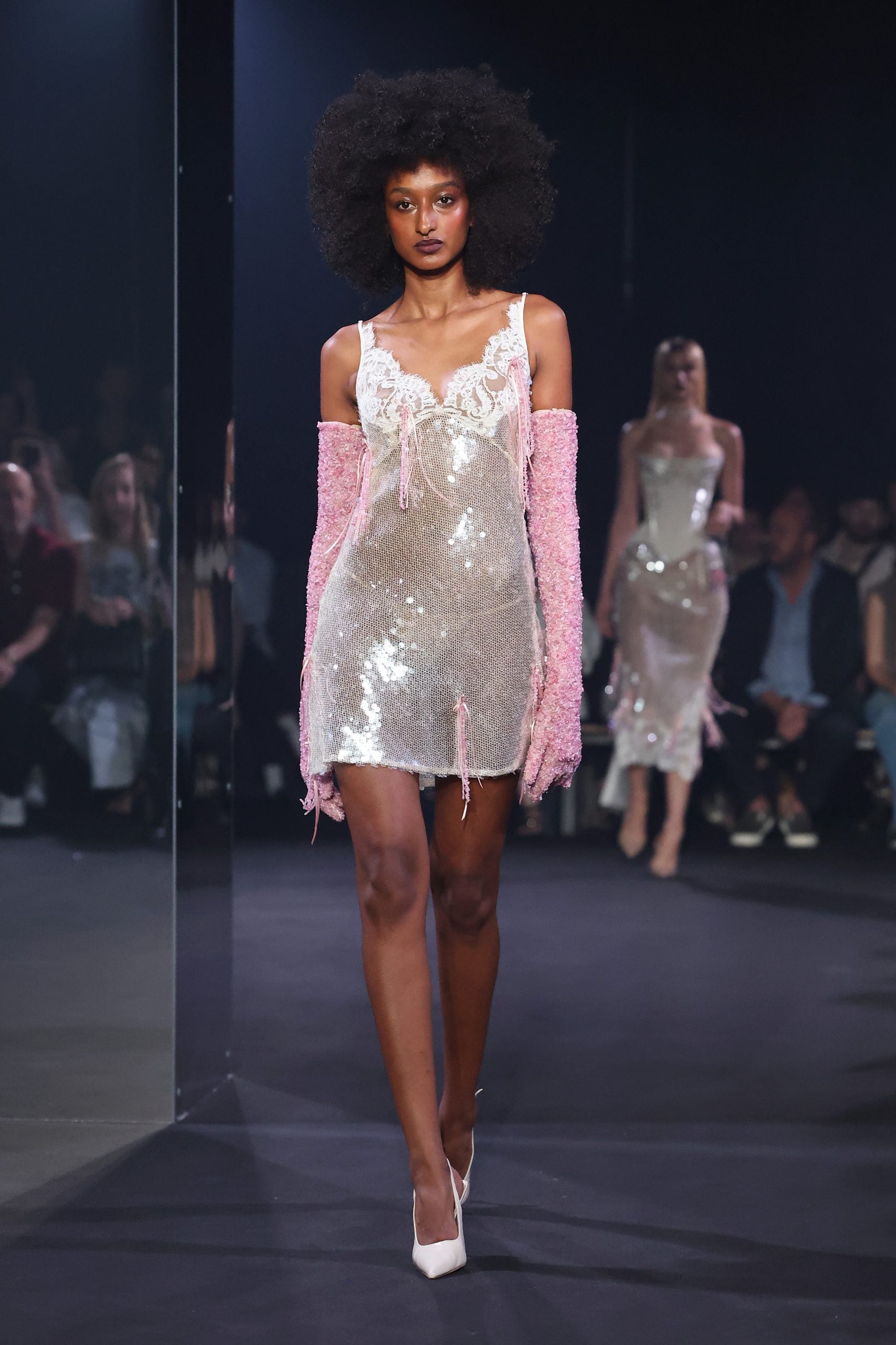
Kim Cupido, Senior Catwalk Strategist at WGSN, offers four key trends to look for this season: “Romance,” “Summer of Prints,” ‘80s, and “Nu-niform.” Romance is divided into two types: Nu Romantic, which uses softer palettes and lace, and Haunted Cabaret, which pulls from darker hues, sheer layers, and edgier finishes. Both display varying forms of feminine archetypes. “Summer of Prints” capitalizes on prints’ popularity in the past two seasons, and, in Cupido’s words, is “an effective way to refresh best-selling styles and silhouettes.” Through this, Cupido also sees more incorporation of the aforementioned polka dots trend.
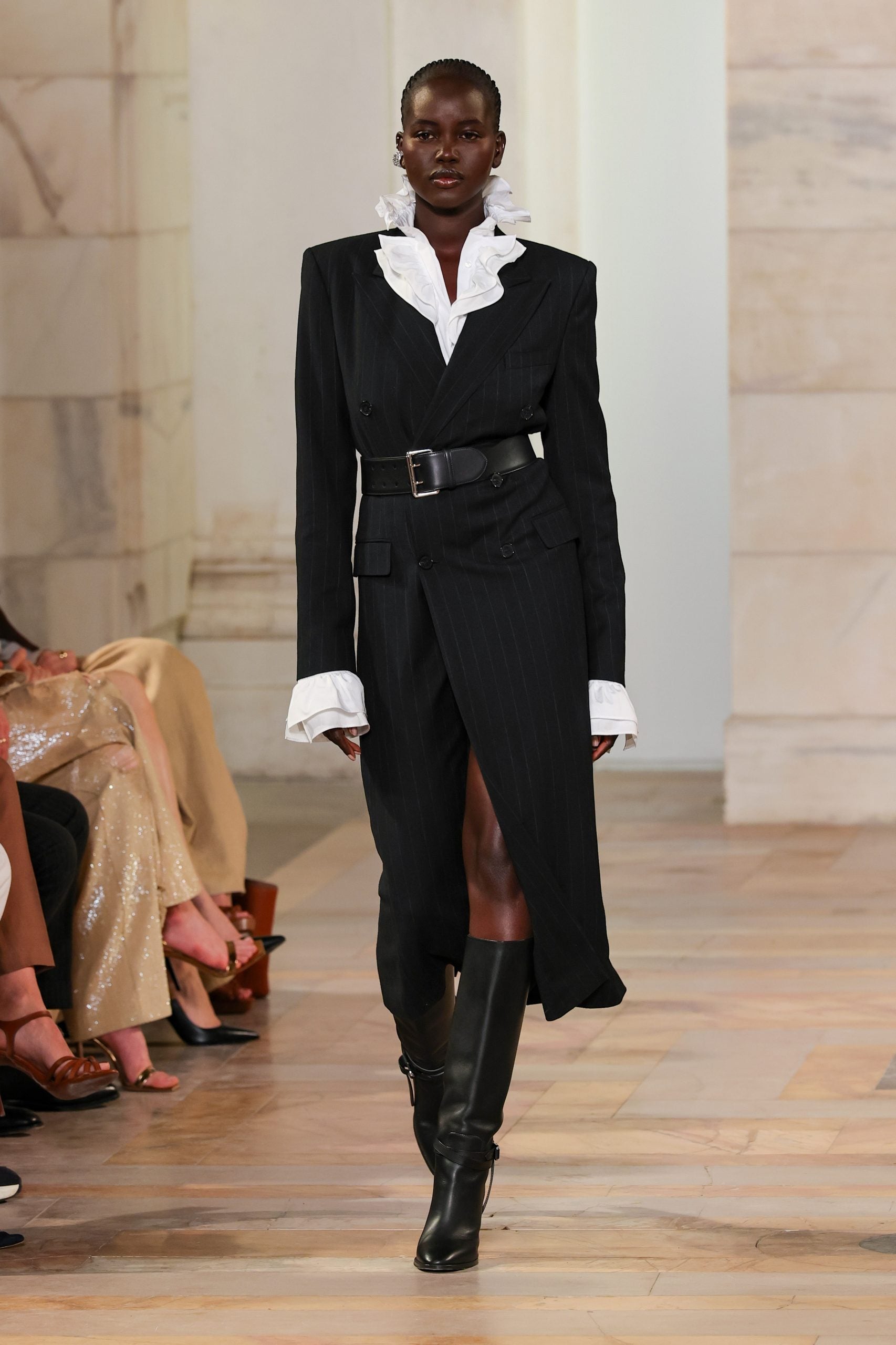
“Nu-niform” is prompted by the post-pandemic return to office, married with a new generation entering the workforce. “Like the menswear collections in Milan, Paris and Copenhagen, we expect the womenswear collections to recontextualise office attire,” Cupido states. This may look like tweaks to silhouettes while maintaining an overall traditional look. Interestingly, Cupido sees fashion’s revisit to the ‘80s specifically through partywear and tailoring, tapping into the glamour of shoulder pads, silky fabrics, and voluminous shapes for “occasion-ready” attire.
Looking Back At The 1980s
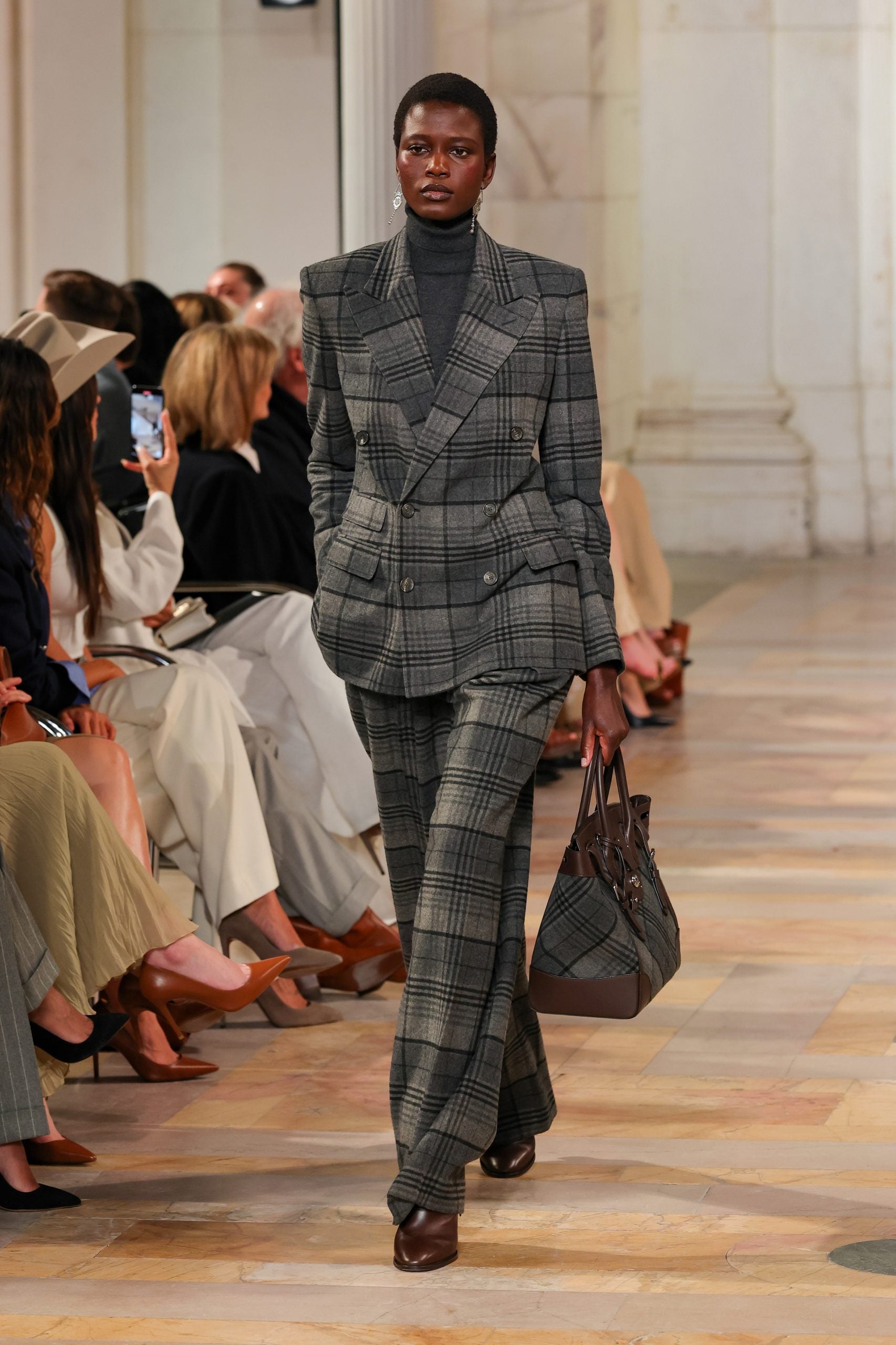
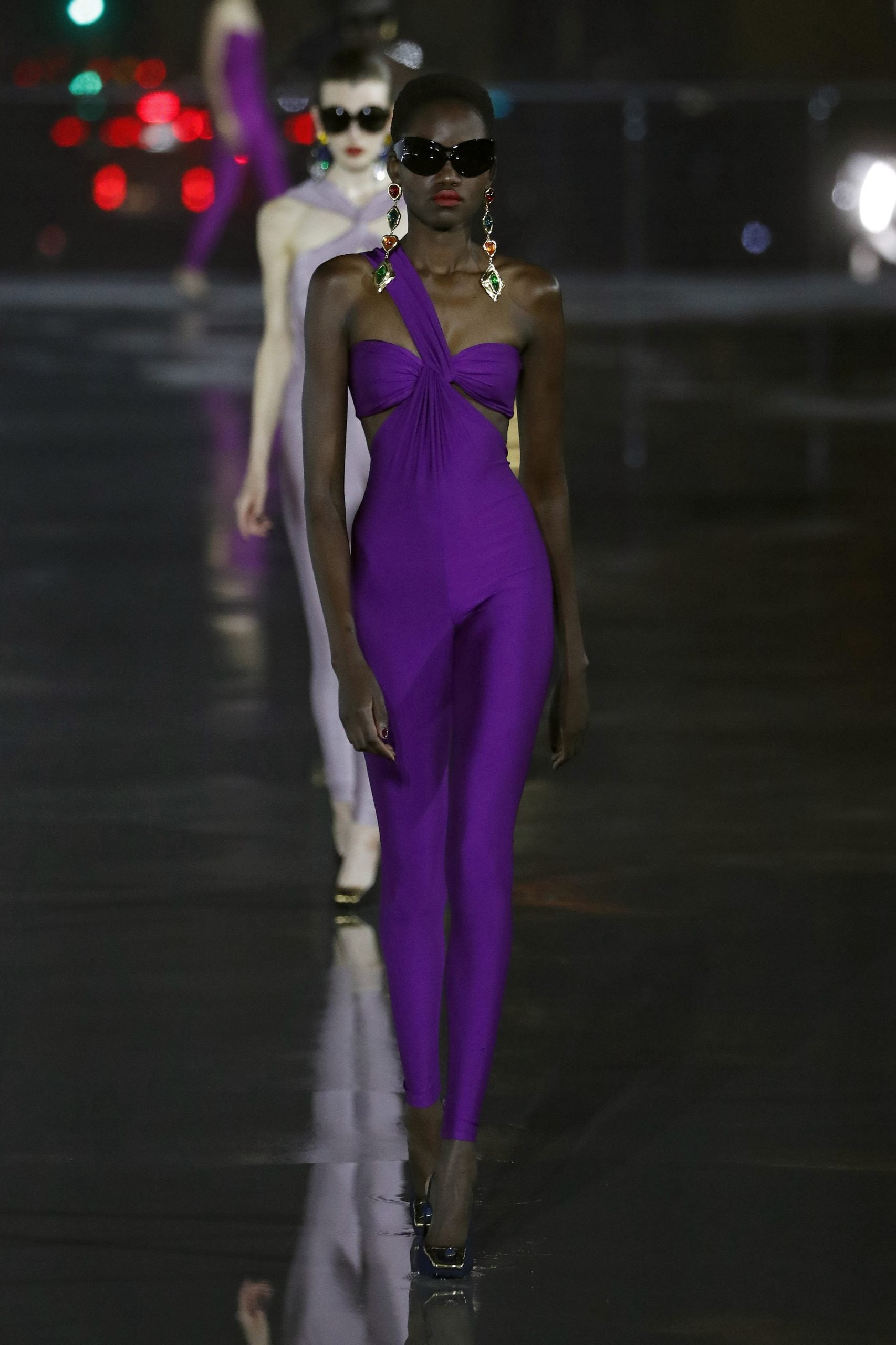
Anu Lingala, writer and trend forecaster at Mejuri, suggests that we are in an era of “regressive nostalgia.” While Lingala also names the 80s, she predicts the 1980s and 1950s styles will reemerge together under the larger theme of femininity. Femininity and maximalism are on Lingala’s trend docket, rooted in sociological observations.
Over an extensive conversation covering trends, political results, and comparisons between Lingala’s Dime Square observations and my own of Silverlake, came many points on how rapidly society and fashion are changing. In 2020, when digital social activism reached its peak, Lingala noticed that, in a social sense, conservatism then became the unpopular counterculture. This thwarted the status quo of progressive creativity, maintaining the subversive narrative, giving conservatives the notion that their interests made up the new, edgy subculture. Fast forward to the rise in popularity of preppy aesthetics and “tradwife” culture, Donald Trump winning the presidential election, and the pendulum swinging aggressively back to conservatism.
This regressive nostalgia is brought on by what Lingala classifies as the generational experience gap, wherein, younger people across the political spectrum desire the idealized version of history being sold to them because they are further removed from generations that experienced its reality firsthand (in this case, women and traditional gendered aesthetics). Lingala sees 1980s style resurfacing via office culture, fascinatingly observing that many young women want to “be the office siren to land the man and achieve tradwife status.” With such a stark separation between idea and practice, subculture-based style will be harder to define. We will instead see a blend of references from eras and archetypes, all existing under identifiable codes with countless executions, as people seek to define themselves in a convoluted political and social landscape.
The Maximalist Fashion Cycle
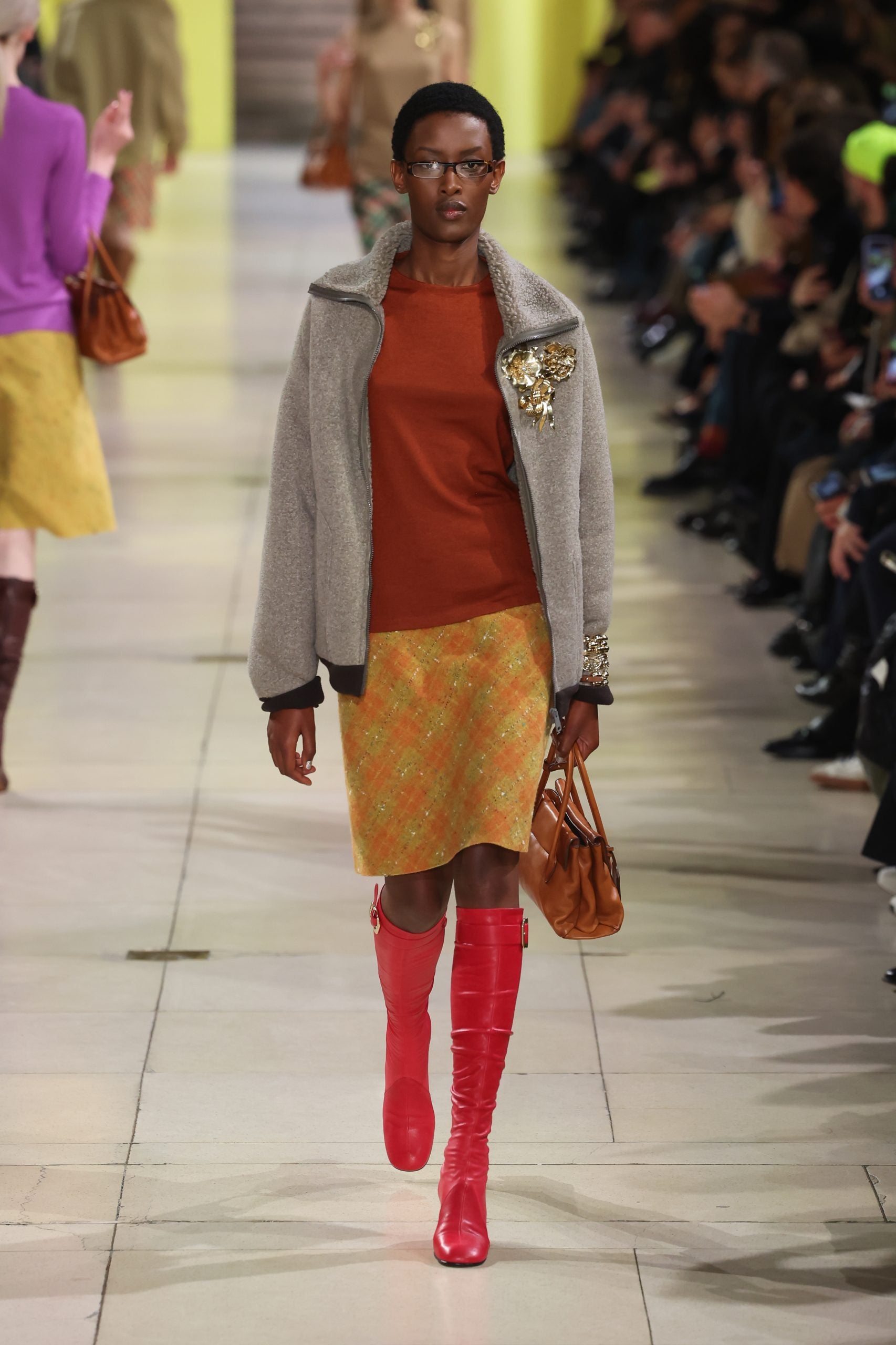
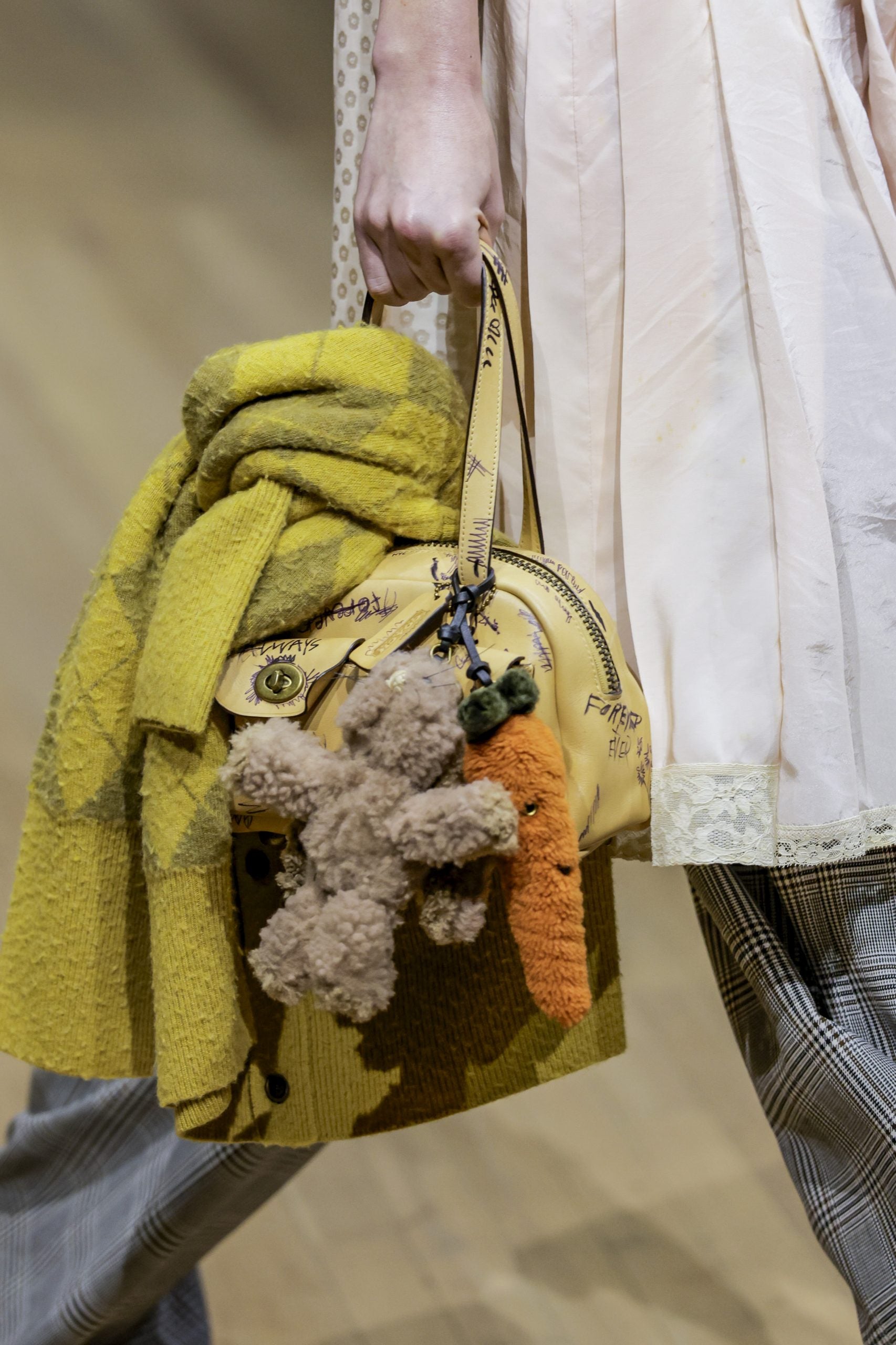
As quickly as the pendulum swung in conservatives’ favor, Lingala already sees it swinging back, and potentially faster than fashion cycles can keep up with. Maximalism will act as the creative counterculture to clean-cut “tradwifery,” though still with a feminine touch. Within Pinterest’s 2025 trend report, they name “Rococo Revival” and “Sea Witchery” as expected styles, both hyper-feminine expressions. Lyst’s Q2 2025 Index report ranks Miu Miu as the hottest brand of the moment. Correlation does not equal causation, however with Miu Miu and Coach ranking in the top five on the list, the popularity of playful, feminine styles remains. Though we haven’t seen it yet, based on Paris men’s fashion, Lingala hopes for more of the grunge, subculture styles of the ’80s to return as well.
In sum, we can expect to see many iterations of opulent, pattern-heavy, and nostalgic styles with people, regardless of identity, trying them on for size. We may also see additional styles emerge before current ones even hit the racks. Because with a political and digital landscape as unpredictable as our current one, the rules of yesterday may just be that.