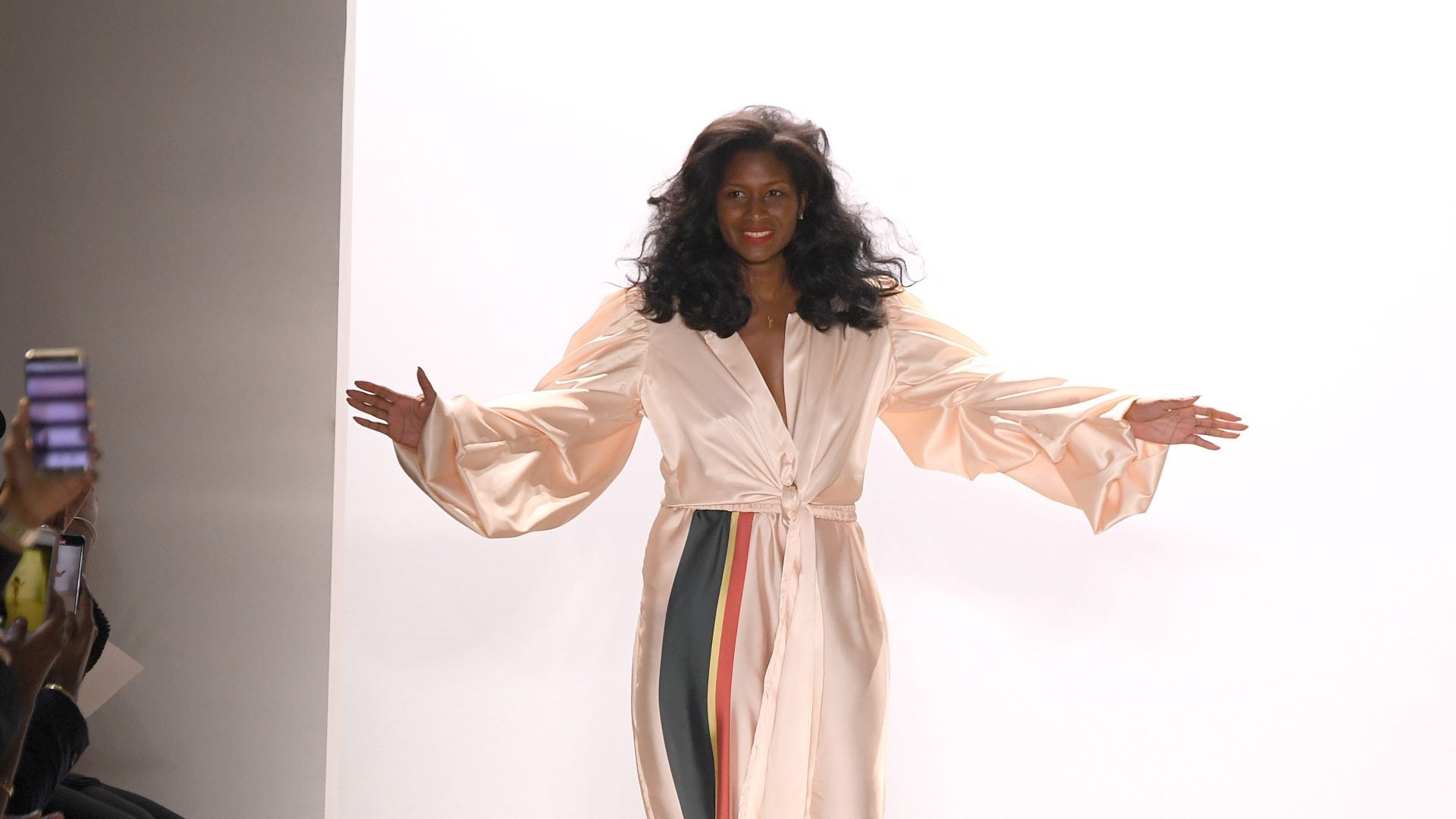

When an original design is copied, people often call it flattery. However, in reality, for independent Black-owned brands such as Fe Noel, imitation is not admiration. Fe Noel has spoken out about the harmful impact of being replicated by fast-fashion brands, but the issue extends far beyond their experience. Countless small businesses suffer similar losses when their work is copied.
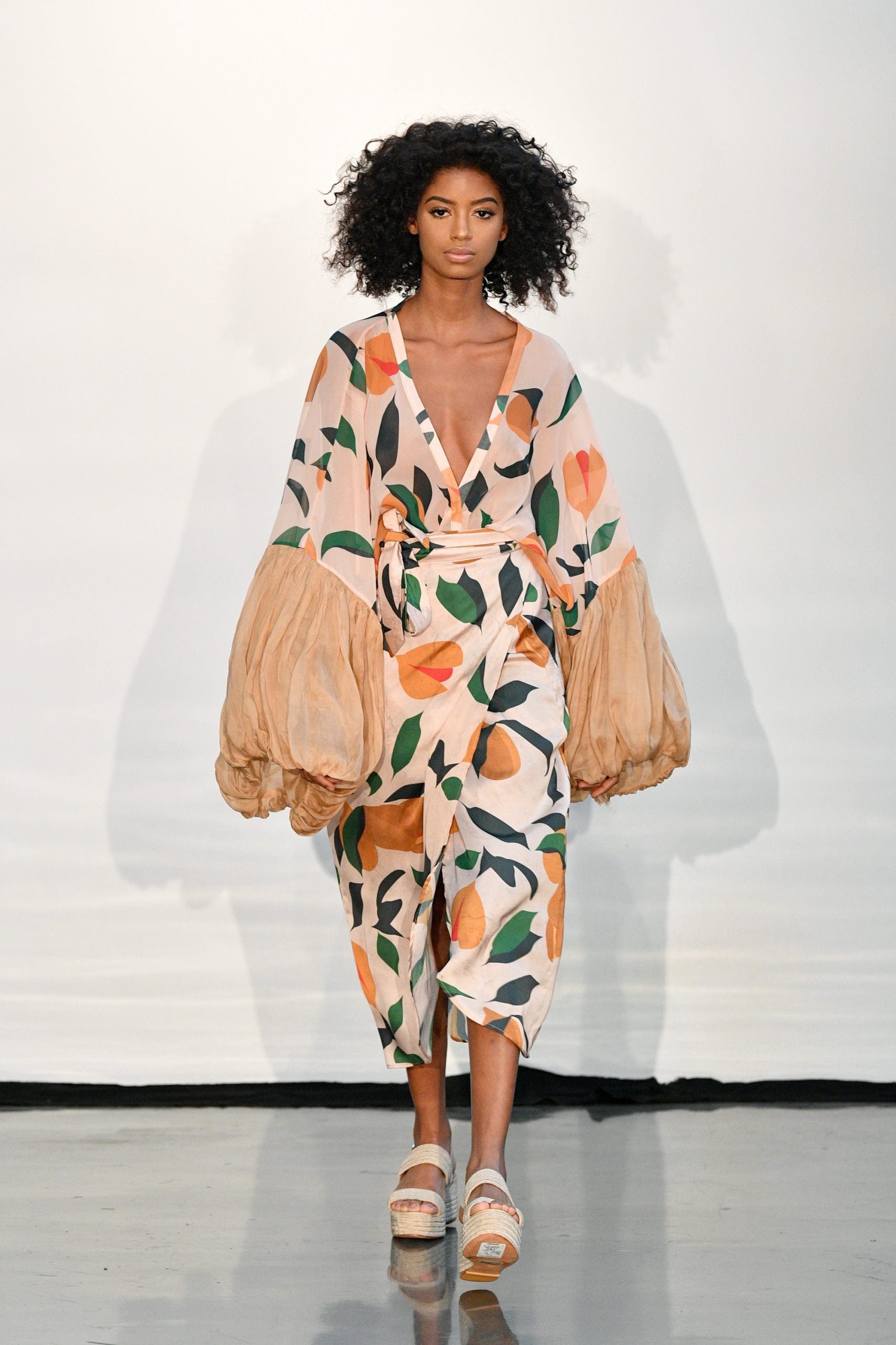
Unlicensed versions of Fe Noel pieces, including the brand’s iconic Wilted Sleeve Robe, are spreading across platforms like Ali Express, Shein, and more. These knockoffs flatten years of heritage, intention, and artistry into a quick-selling aesthetic. What was born from identity, storytelling, and lived experience becomes reduced to a trend item with a two-week shelf life.
“Copying small brands comes with a cost. It takes from designers who are already creating with limited support and limited resources,” Fe Noel said in a social post on Small Business Saturday in November.
When fast-fashion giants pull from independent creators, they’re not just stealing an idea. They’re siphoning away opportunity, visibility, and revenue from designers who often don’t have the legal resources, public relations infrastructure, or capital to fight back. Larger houses may feel the sting of imitation, but the damage hits exponentially harder for small Black-owned brands navigating an already unequal landscape.
The Wilted Sleeve Robe tells a story. Rooted in Caribbean culture, craftsmanship, and the celebration of Black womanhood, the robe became a signature Fe Noel piece. Every drape, every curve, every sleeve carries meaning. It represents lineage and care. But more importantly, it represents the labor of hands that are known to the brand and its rich roots. The robe has lived on runways, in campaigns, and in intimate cultural moments. To copy it without understanding its context isn’t just unoriginal, it’s appropriation.
Creative extraction is nothing new, and Black-owned brands such as Telfar, Vertebrae, and Corteiz have long experienced it. The conversation becomes heightened for Black-founded brands, whose stories have historically been co-opted, flattened, or uncredited. When emerging designers spend more time defending their ideas than developing new ones, fashion as a whole suffers.
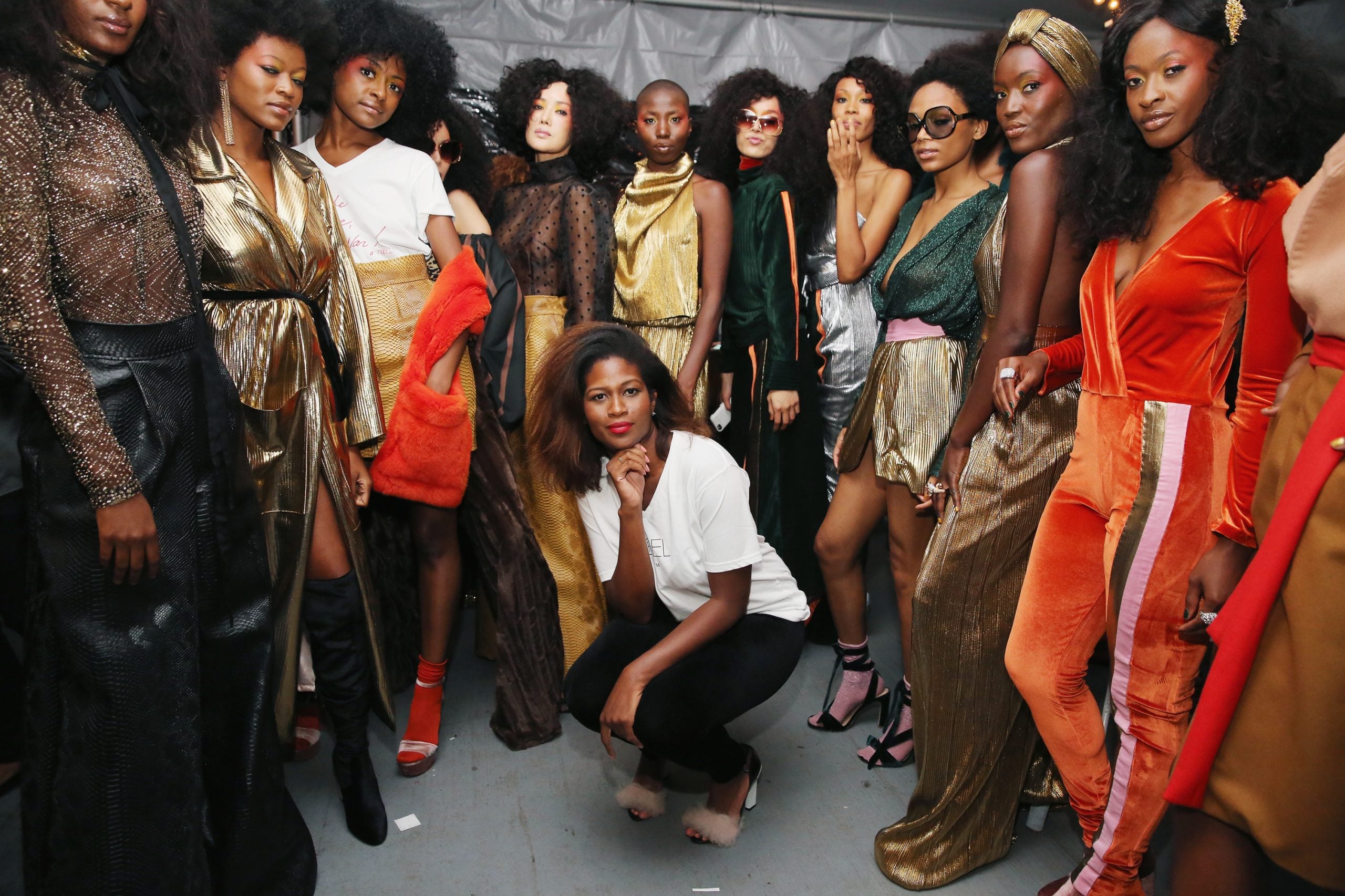
There’s nothing unethical about buying within your means. But choosing to support platforms that profit from uncredited imitation, especially when the original designer is accessible, transparent, and community-oriented, contributes to a harmful system.
When a design is copied, it’s not just the look that’s stolen. What’s taken is the labor, the history, the cultural storytelling, and the years of trial, error, investment, and heart that brought it to life. A copy can never reproduce the original’s soul, but it can threaten the livelihood of the person who poured their soul into it. Every imitation pulls money away from small designers and funnels it into fast-fashion giants that fuel climate change, harm the environment, and further destabilize the very small businesses that drive true creativity.
Fashion can be worn unconsciously or intentionally, and consumers hold more power than they realize. Choose to honor originality by supporting independent designers whenever you can. Respect the craft and the culture, and share the stories behind the designs you love. Creativity should be defended, Fe Noel deserves protection, and the future of fashion depends on whether we uplift originality or allow replica culture to silence it.