
The first episode of The Vince Staples Show’s second season begins with “Tha Crossroads,” Bone Thugs-N-Harmony’s classic, ballad-inspired rap record. Released in April of 1996, the song really spoke to me because I had lost my father 3 months prior, and like many, music is one of the best ways to deal with one’s emotions, especially grief. For Vince, the song served as an ode to his Uncle James, whose passing takes the rapper on a path to discovery amidst all of the fame, grief, and unresolved trauma.
Ahead of its highly anticipated premiere, the series’ star made clear that everything about this season felt different—from the writing to the process to the themes he was finally ready to explore. “We had more shoot days this time around, and a lot more creative control,” Staples told ESSENCE. Now, viewers will see episodes that are darker, more psychological, and more emotionally layered; yet still hilarious in the dry, understated way only Vince can deliver. The season picks up after the chaotic shoot-out that ended season one, placing Vince at the intersection of grief, danger, and family dysfunction.
“I think what is really reflected in the show is just somebody trying to do the best that they can with their circumstances,” he explained. “He’s still trying to find ways to work through his relationship with his family and relationship with his decision that he made last season.”
One of season two’s sharpest through-lines is its exploration of fame. In episode one, Vince’s “face card” gets him recognized by fans, but it can’t get him a rental car without an ID. It’s the perfect encapsulation of Vince’s relationship to notoriety—it’s helpful, it’s annoying, it’s absurd, and sometimes it puts him in more danger than safety.
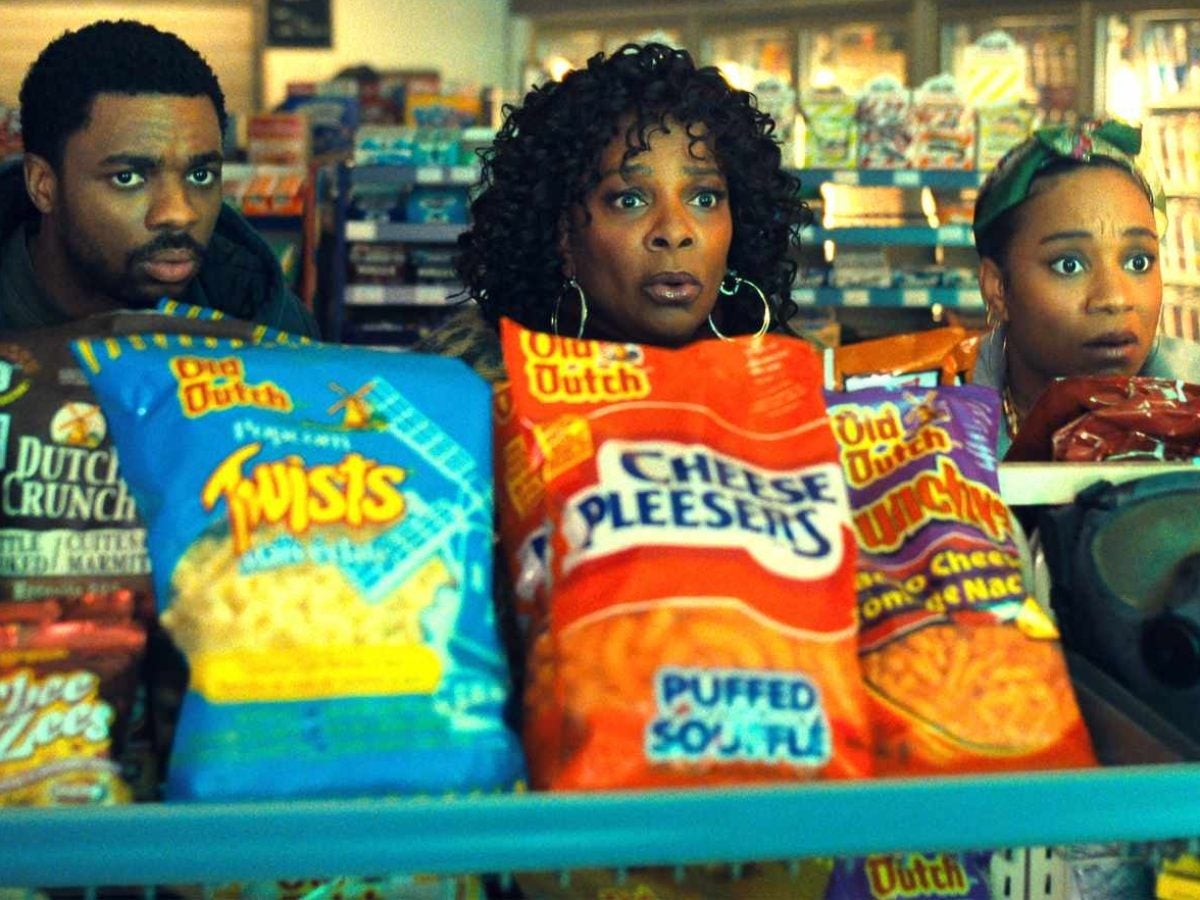
If Vince is the show’s anchor, his mother Anita (Vanessa Bell Calloway) and estranged sister, Bri, are its emotional accelerants. Episode two hands Bri the wheel—literally—and what follows is a hilarious, chaotic, and surprisingly poignant exploration of the mother-daughter dynamic. Anita and Bri’s constant bickering masks a shared grief neither has words for, culminating in one of the season’s most touching moments when the two finally soften toward one another.
Calloway shines as Anita, giving the character both razor-sharp comedic timing and a bedrock of tenderness. “I liked her candor, and I liked how raw and real she was,” she said of what intrigued her about the role. “She really loves her children, but she’s a tough love kind of mom,” She plays Anita with the freedom of someone who understands exactly how to stretch a character without breaking her. “Anita is an actress’s dream, and I can take Anita—depending on the situation—as far as I want to take her.”
Season two is filled with pop culture Easter eggs—from Tarantino’s Hattori Hanzō sword to Vince’s uncle driving a white Bronco to the eerie, social club (featuring a photograph that definitely gave Overlook Hotel vibes from The Shining) in episodes four and five. Vince’s references range from absurd to uncanny, inviting viewers to question what’s real and what’s imagined. But the most consistent thread is the show’s O.J. Simpson parallel, which is an exploration of legacy, regret, and the public’s obsession with spectacle.
“You can’t run from your circumstance and the things that you experience,” Vince noted. The season reminds us of this truth again and again through his uncle’s spectral appearances and Vince’s growing confrontation with his own unresolved pain. As each episode inches closer to James’ funeral, it’s also symbolic of the destination of Vince’s emotional road trip. The finale ends on a cliffhanger, but it also leaves viewers with a sense of possibility and an opening toward healing.
Season two suggests that Vince is still somewhere along that path. Oddly enough, by witnessing his journey, we might find our way toward our own healing, too.