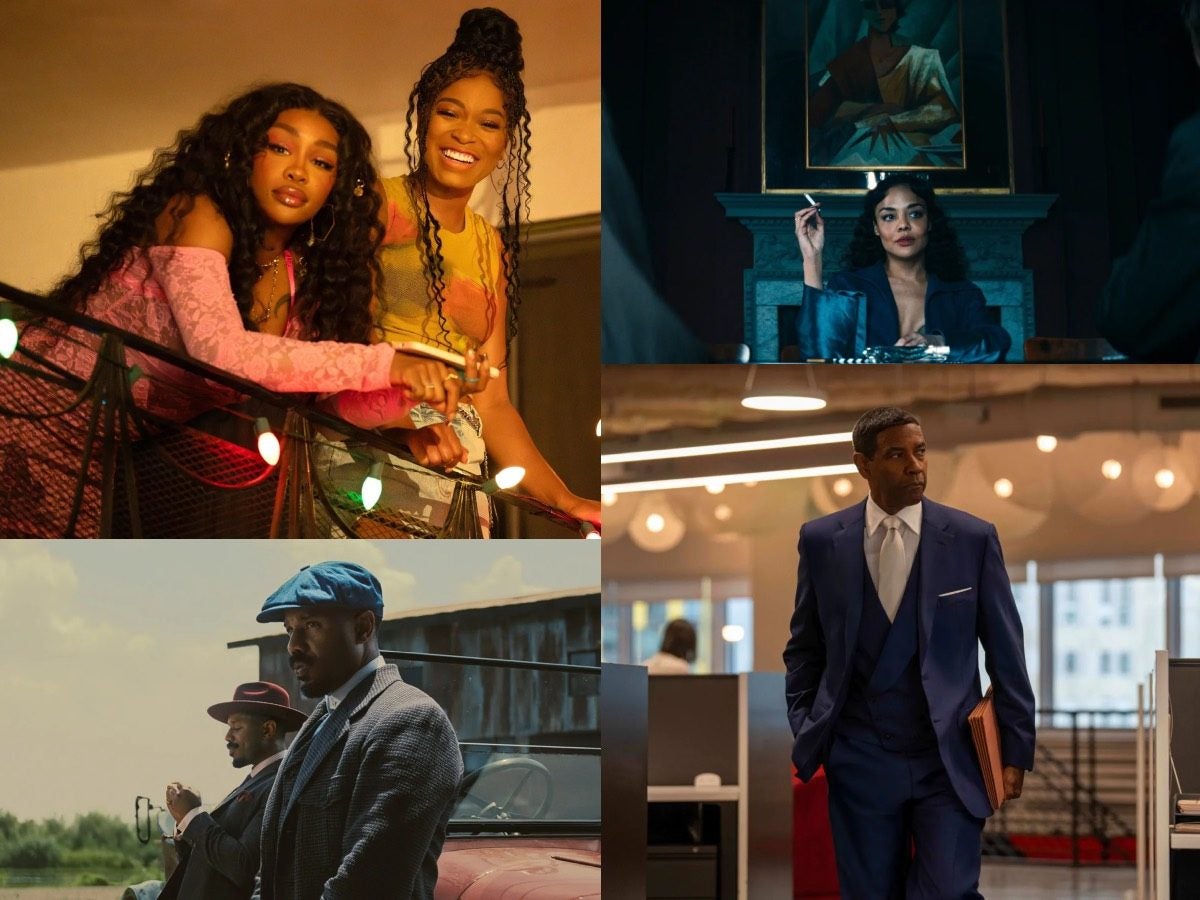

After a month of major awards nominations, one thing is clear: Black cinema is having a banner year. And not only in terms of the films themselves, but in the artists, storytellers, performers, and craftspeople pushing the work forward. The slate of 2025 releases reflects a filmmaking landscape that is more ambitious than ever, and several projects didn’t just speak to Black culture; they shaped the culture at large, reminding us of the depth of our narratives and the unmatched creativity of filmmakers of color.
Ryan Coogler’s Sinners was massive, becoming both a critical and box-office powerhouse. The film’s sweeping awards-season momentum—earning nominations across the production categories as well as standout recognition for Michael B. Jordan—served as a testament that the impact of our stories can stretch beyond that of just our communities, contrary to popular belief.
This year also gave us One Battle After Another, a gripping epic powered by the dynamic trio of Teyana Taylor, Regina Hall, and breakout newcomer Chase Infiniti. Equally commanding was Tessa Thompson’s riveting performance in Hedda (directed by Nia DaCosta), which earned her a deserved Golden Globe nomination. Across several genres, Black filmmakers delivered work that resonated socially and artistically, offering optimism in a time when the industry and the world feel increasingly turbulent. If 2025 showed us anything, it’s that the future of film is expansive, and it’s undeniably ours.
Below, we present the best films of the year.
Sinners
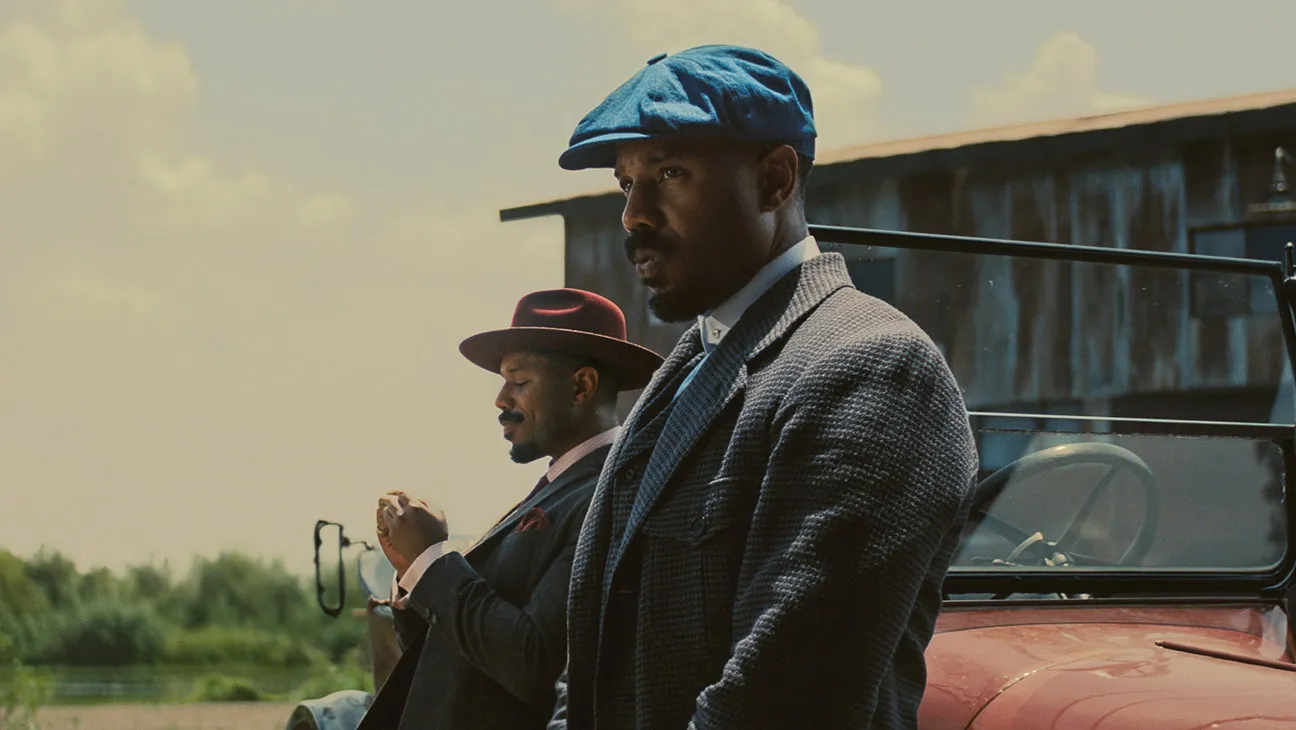
Ryan Coogler’s opus was one of the rare films this year that connected everywhere: with critics, with audiences, and with the industry. Set in the Mississippi Delta in the 1930s, the story sees Michael B. Jordan excel in his best acting effort yet. He’s matched by Wunmi Mosaku, Delroy Lindo, Jayme Lawson, and breakout newcomer Miles Caton, who became one of the year’s biggest surprises. The film has already pulled in major nominations across performance and craft, and it arrives at the top of 2026 with real momentum. With Coogler and Jordan gracing ESSENCE’s digital cover in April, this next stretch feels like what will be a well-deserved victory lap for one of the most poignant films in recent years.
One Battle After Another
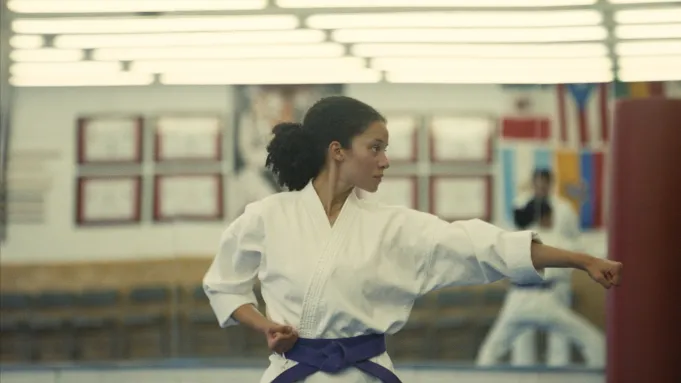
For all the star power in Paul Thomas Anderson’s One Battle After Another (Leonardo DiCaprio, Sean Penn, Benicio Del Toro and a bevy of others), it’s the wit and presence of the it’s Black women castmembers that truly shine through. The film’s most memorable energy comes from Chase Infiniti, and Teyana Taylor, who doesn’t get a ton of screen time, but she doesn’t need it—she drops in, makes her mark, and the ripple lasts until the closing credits, literally. Regina Hall, as always, knows exactly how to make a scene sharper just by being in it. Although it wasn’t a box-office hit, this film has all the makings of that classic, cult-favorite that was created ahead of its time.
Hedda
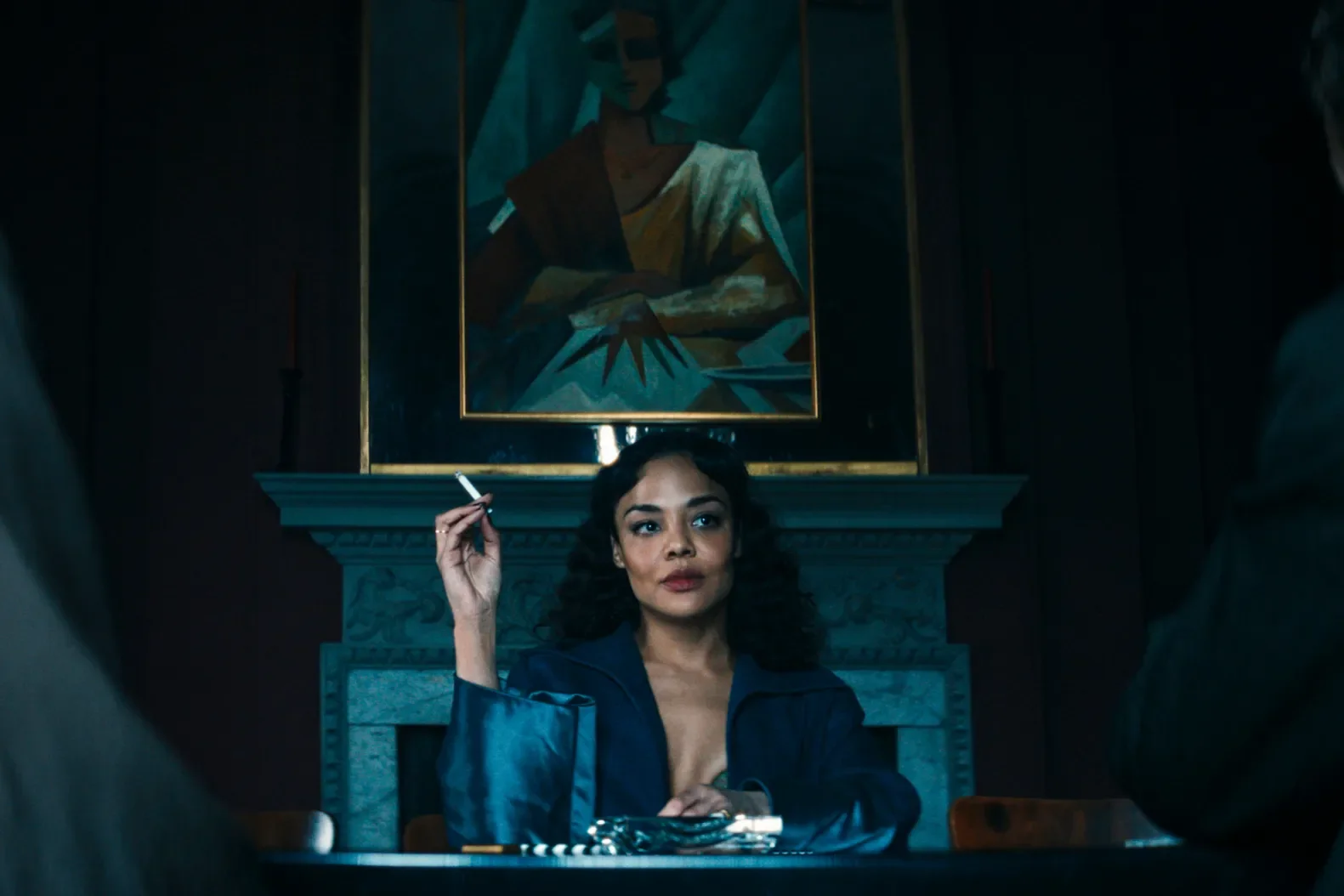
Tessa Thompson’s turn in Hedda is the kind of performance that reminds you why she’s one of the most compelling actors of her generation. Reuniting with director Nia DaCosta for their third collaboration, Thompson reshapes Ibsen’s classic anti-heroine into something sharp, modern, and emotionally volatile—earning a well-deserved Golden Globe nomination this week. DaCosta gives her the space to lean into Hedda’s contradictions, and Thompson meets the moment like only she can. Hedda may be rooted in 1950s England, but in this director/filmmaker duo’s hands, its tension feels unmistakably present.
One of Them Days
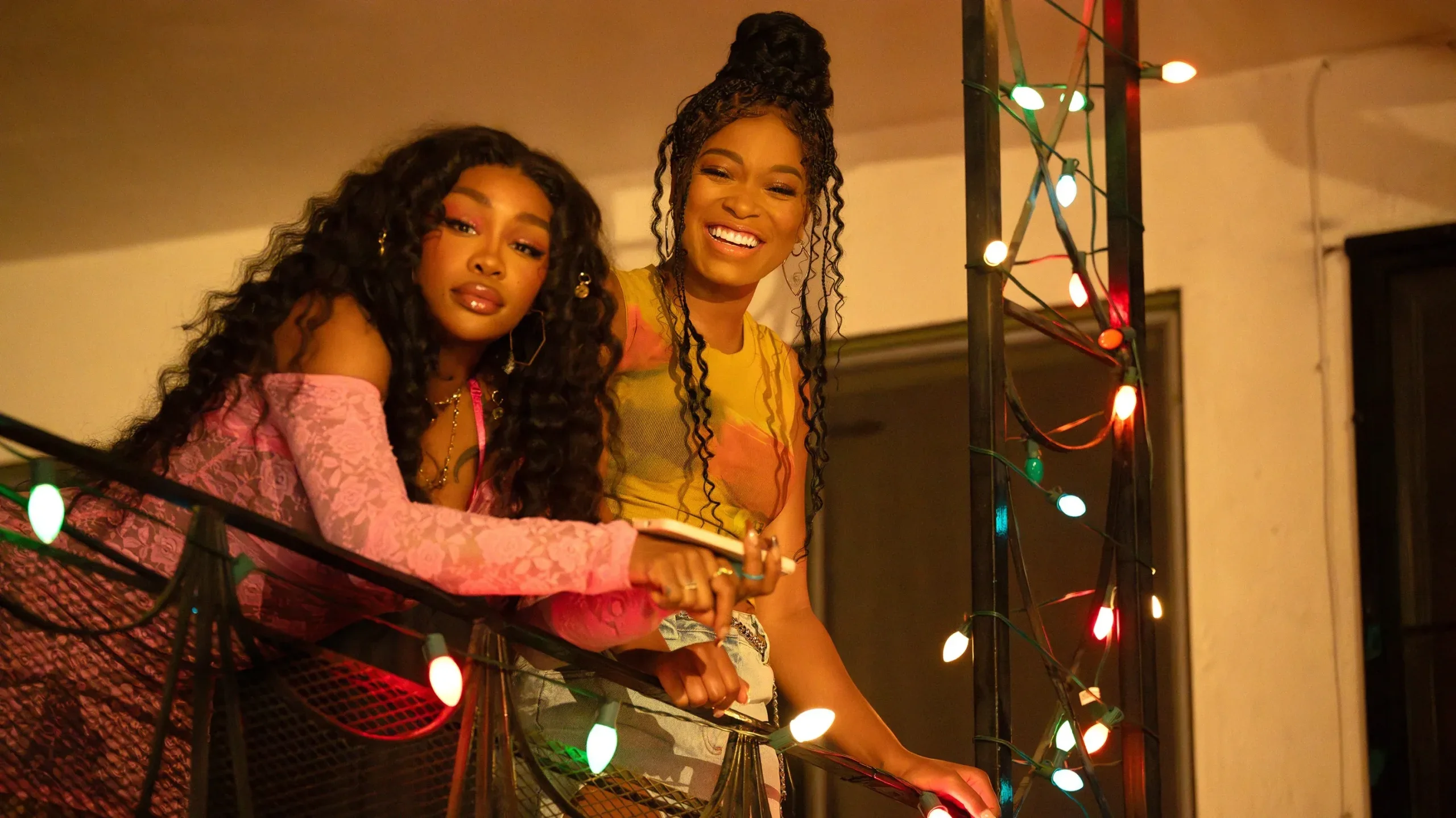
One of Them Days marked a nostalgic return of the Black buddy comedy. Keke Palmer and SZA—making her film debut—anchor this throwback romp that channels the chaotic joy of late-’90s and early-2000s classics. Directed by Lawrence Lamont and produced by Issa Rae (who clearly understands the assignment), the film follows two friends hustling to replace rent money after one boyfriend makes a disastrous choice. The premise is simple; the chemistry is not. Palmer’s comedic timing remains elite, and SZA slips into the genre with an ease that makes you hope this isn’t her last time on screen. A critical and box-office hit, One of Them Days reminded Hollywood that Black comedy still sells.
HIM
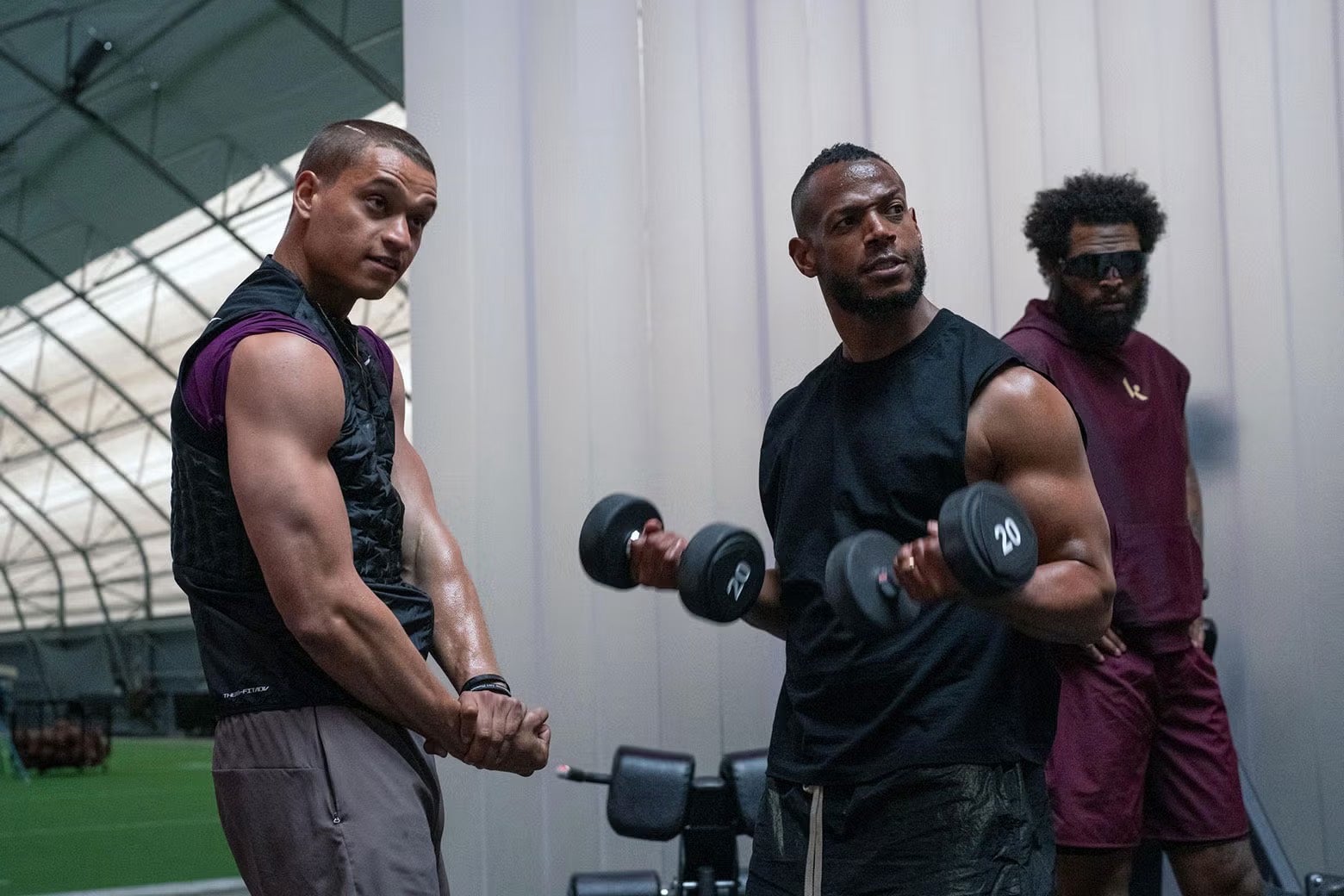
HIM gave Marlon Wayans one of the most arresting roles of his career, and our September digital cover star ran with it. His turn as an aging quarterback clinging to legend status is raw, unsettling, and painfully honest. Opposite him, Tyriq Withers—who many first clocked in Atlanta—steps into full leading-man mode, grounding the supernatural chaos with a performance for the ages. Justin Tipping’s film swings big, using horror to expose the machinery that chews up young Black talent in the name of greatness. Even with mixed reviews, HIM left an impression with audiences everywhere.
Highest 2 Lowest
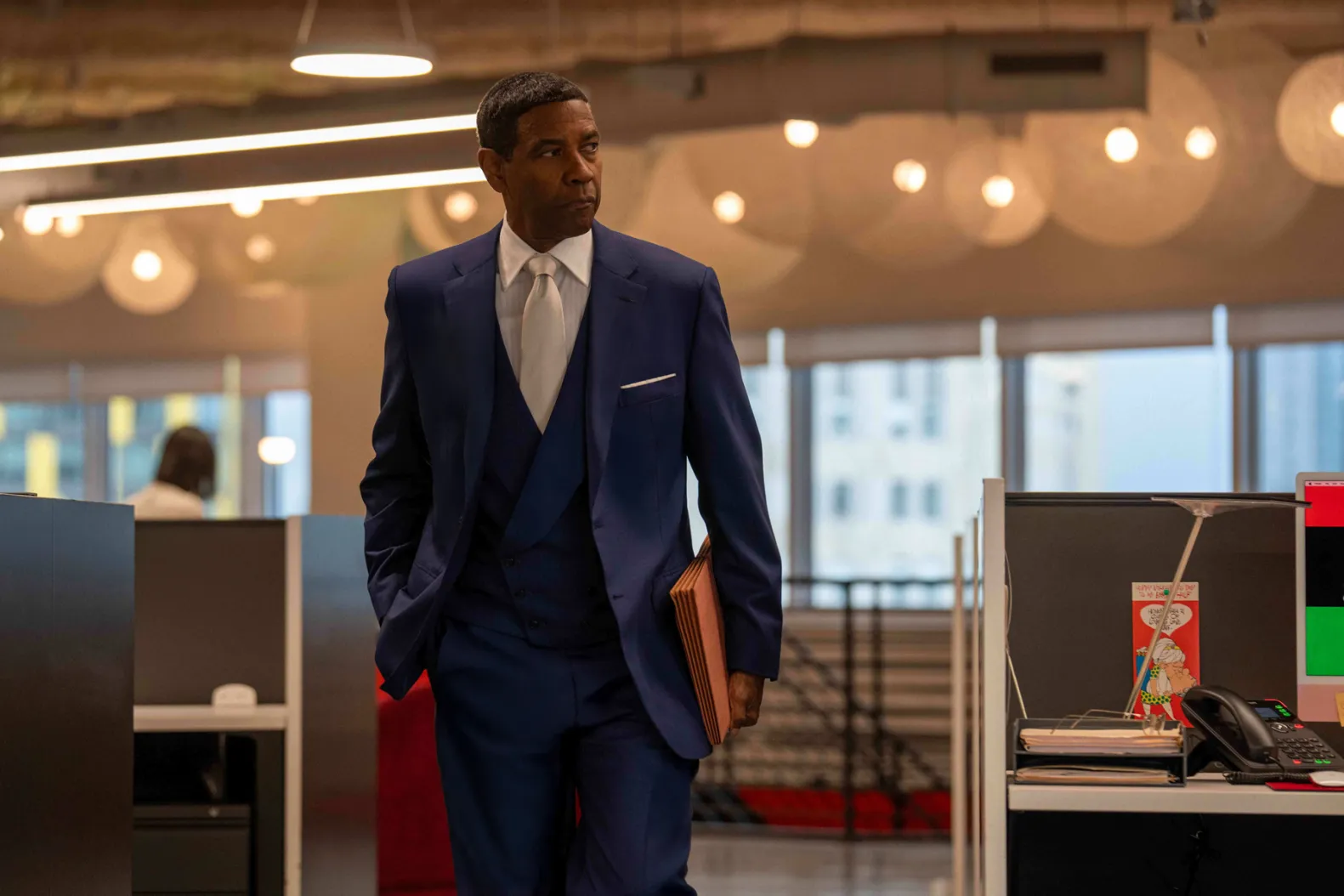
With Highest 2 Lowest, Spike Lee and Denzel Washington reunited nearly two decades after Inside Man, adding another chapter to one of the most defining director–actor partnerships in modern film. Here, we see Denzel as a music mogul pulled into a kidnapping scheme that forces him to confront the cost of ambition. The ensemble around him is just as electric—Jeffrey Wright, Ilfenesh Hadera, John Douglas Thompson, Ice Spice, and a stellar performance from A$AP Rocky.
Love, Brooklyn
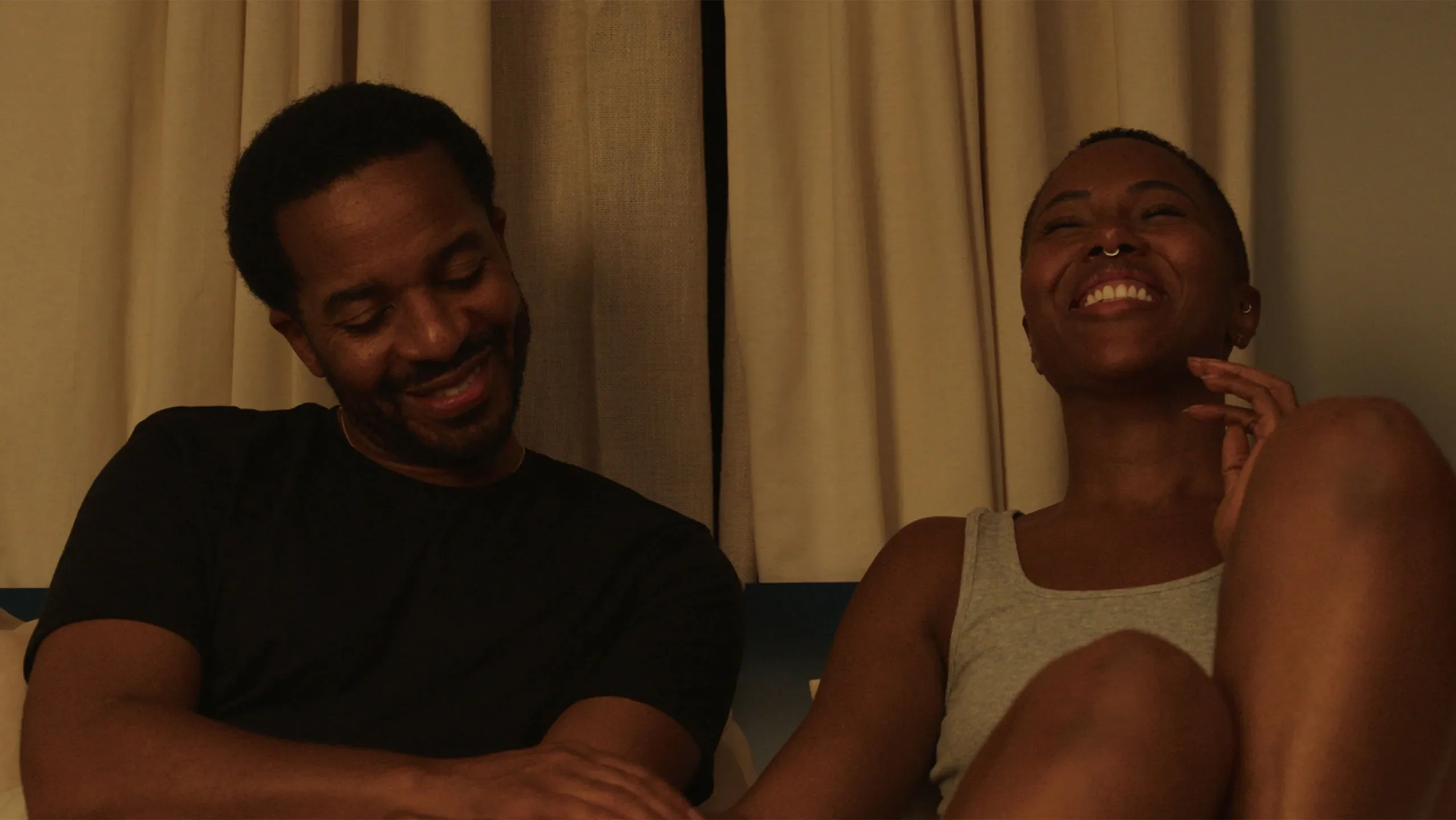
Love, Brooklyn is a small independent film that hits with real feeling. André Holland, DeWanda Wise, and Nicole Beharie carry the story with ease, playing friends whose lives are shifting in ways they didn’t expect. Holland brings a quiet charm to Roger, Wise gives Nicole a grounded strength, and Beharie shines as Casey, who’s fighting to keep her art and her friendships afloat. Director Rachael Abigail Holder’s ode to Brooklyn captures how love and friendship change as the city around you does. It’s simple, transparent, and one of the year’s standout films.
F1
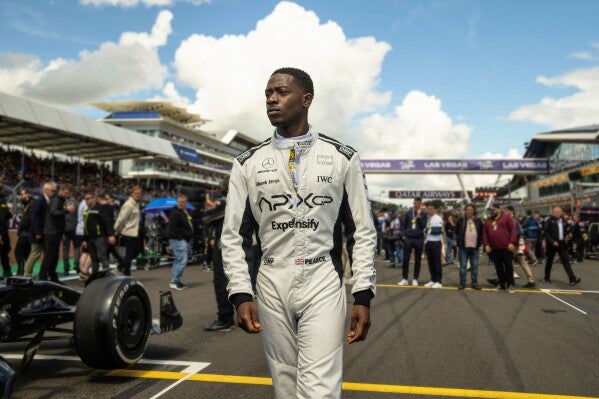
Damson Idris and Brad Pitt make a great pair in F1: the veteran who’s seen everything and the young talent trying to hold his own under the lights. The film hits at the perfect moment, with Formula 1 finally becoming a real force in the U.S., and the racing sequences feel sharper because Lewis Hamilton helped shape the project from the inside. Idris plays the hungry newcomer without overdoing it, and Pitt brings a looseness that works for a driver stepping back into chaos. What sells the movie is the mix of spectacle and personality—it understands why people fall in love with the sport in the first place. It’s big, loud, slick, and surprisingly warm underneath it all.
Ruth & Boaz
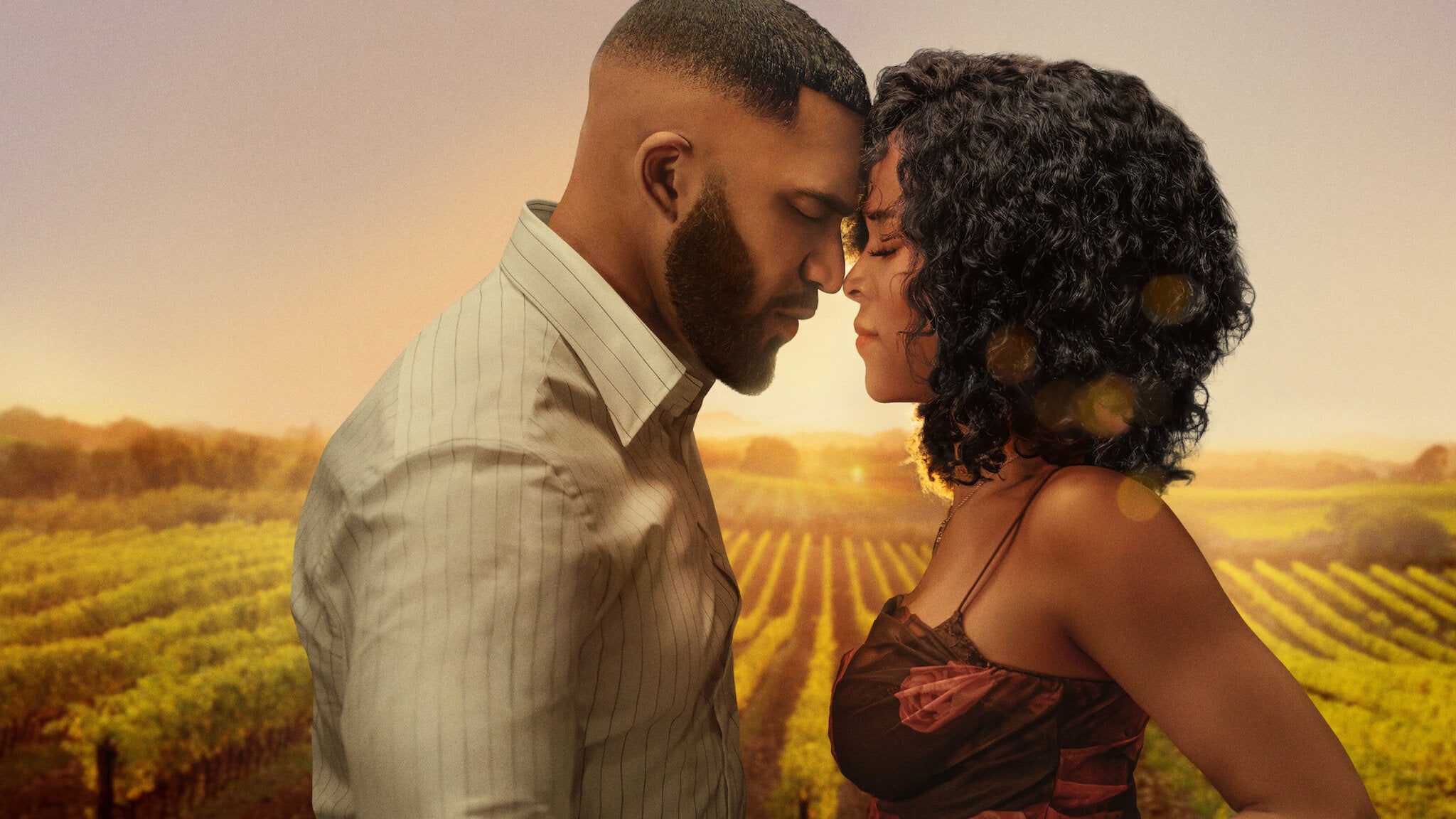
Tyler Perry’s Ruth & Boaz hit Netflix this fall and quietly became one of the year’s most heartfelt surprises. A modern reimagining of the Book of Ruth, the film follows Serayah as a former Atlanta musician trying to outrun grief, guilt, and the version of herself she no longer recognizes. Her chemistry with Tyler Lepley gives the love story some real spark, and it also features the iconic Phylicia Rashad.
Magazine Dreams
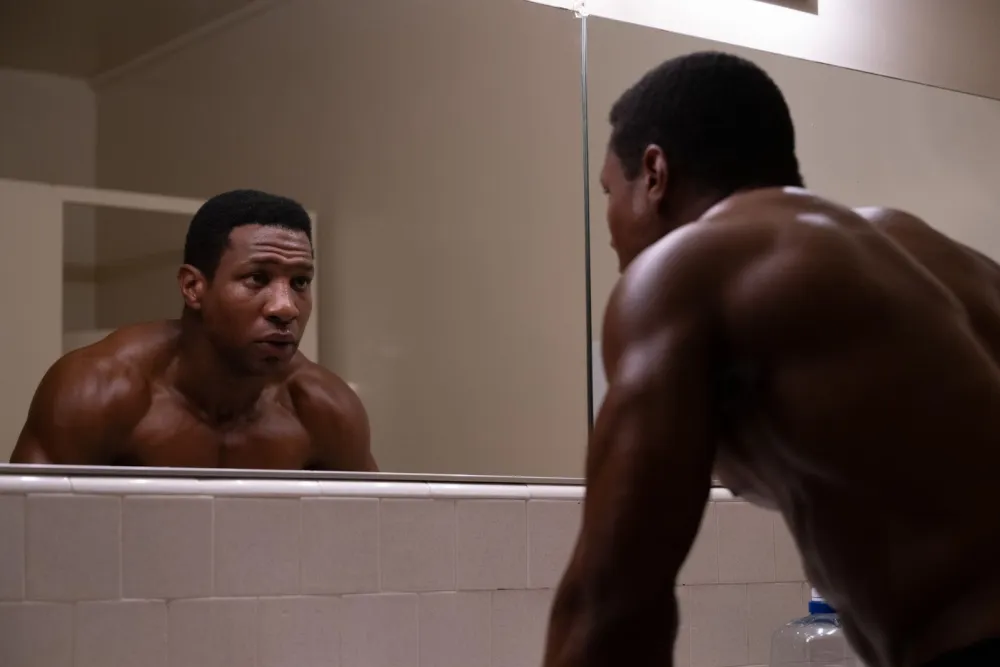
Magazine Dreams finally hit theaters in 2025, and despite the long, messy road to release, the film itself is hard to shake. Jonathan Majors delivers a powerful performance as Killian Maddox—a lonely bodybuilder with a reckless ambition. Taylour Paige also adds much-needed texture in her brief but memorable turn. The film’s return to public view came with complicated conversations, but the work on screen still stands on its own: tense, unsettling, and anchored by an actor pushing himself to the edge. For an indie that almost disappeared, Magazine Dreams resurfaced as one of the year’s best films.