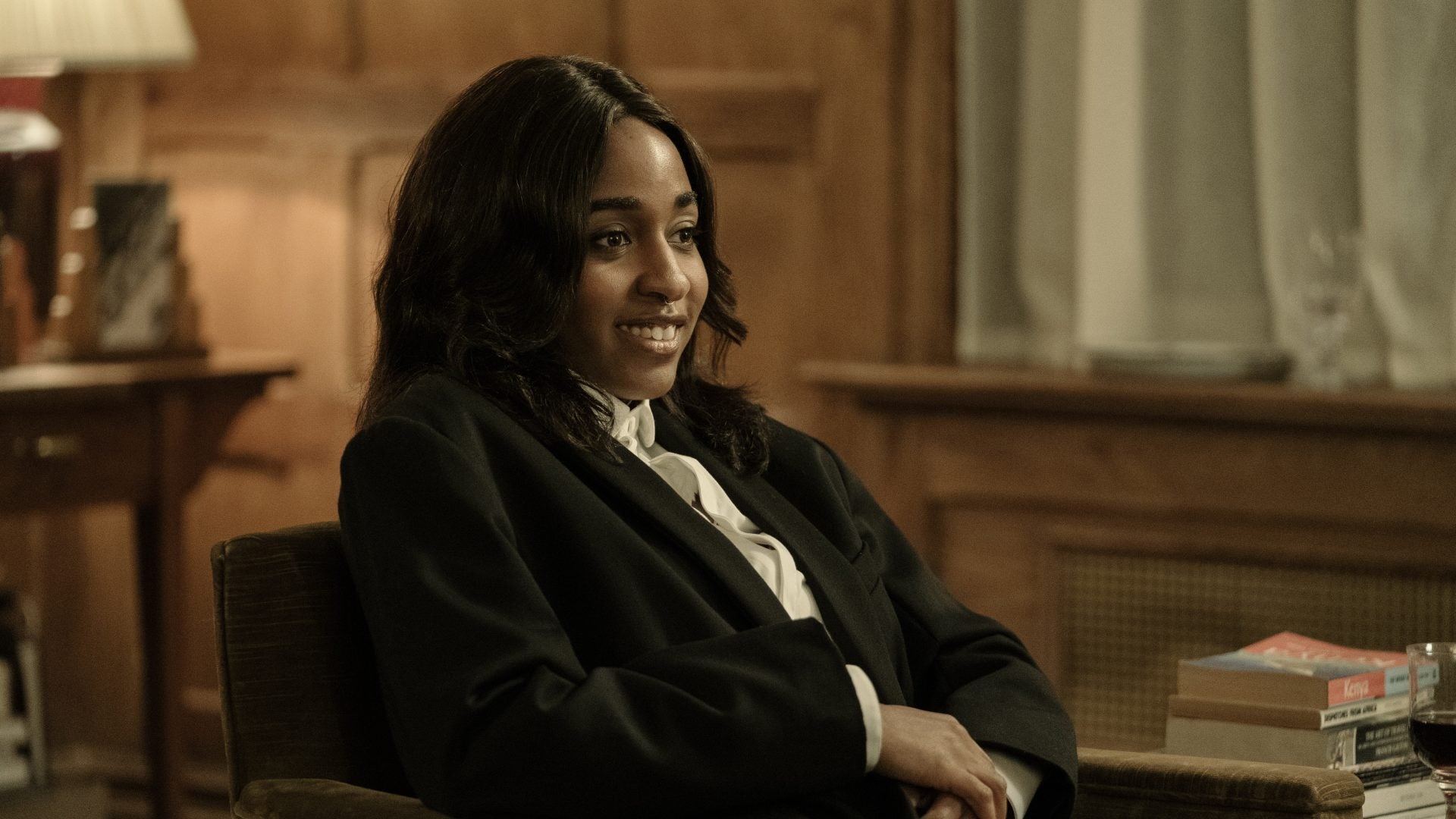

New Luca Guadagnino-directed psychological drama After the Hunt puts viewers face-to-face with a topic that has spent generations being swept under the rug: sexual violence against Black women.
Although not a perfect film, After the Hunt centers on the uncommon trope of a Black woman in distress after accusing a white man of sexual assault. In the middle of this triangulation is fictional Yale professor Alma (Julia Roberts), who’s caught in a rape scandal conundrum between PhD student Maggie (Ayo Edebiri) and colleague Henrik, or “Hank.” Maggie shows reverential awe for Alma, who carries the same regard for her student whilst having a nepotistic bond with Hank. But without revealing too much of the plotline, the traumatic past that Alma tries to push down literally shows up at her door when Maggie confides in her and accuses Hank of sexual assault.
After the Hunt unravels in its attempt to recreate a #MeToo movement dialogue, and Guadagnino, who’s Italian, falls short of knowing how to vocalize the dilemma of Black female sexual assault victims. He also awkwardly tries to integrate storylines between Alma, who struggles with debilitating chronic illness and a sexual lull in her marriage, and Maggie, a queer student who seeks reinforcement but sorely lacks the presence of other Black women in similar situations. In the short bursts that we see Hank after the accusation begins to roam campus, he exhibits contempt for Maggie, and in one scene, tries to ambush her after his firing.
Maggie is characterized as representing the statistical Black woman that reports rape for every fifteen Black women who don’t, and it’s seen in her loneliness as a marginalized student navigating a predominately white institution (PWI). When she does speak up for herself, it’s mostly towards a detached Alma, who goes from warning Maggie to consider potential animosity from future white coworkers to doubting that she was raped at all. It’s these brazen denials that scare Black women out of sharing their truth about being sexually assaulted and force them to contend with the pain. Expert reports show that Black female sexual violence survivors are at greater risk of post-traumatic stress disorder, substance abuse and suicide.
Alma’s plight and the complication of formerly being acquaintances with her assaulter reminded me of my own sexual assault, which occurred just five years before After the Hunt released. During the pandemic lockdown, I’d become friendly with a social media friend who attended college in my hometown before relocating for a university job. We shared similar friends, music tastes and opened up to each other about personal issues–while he was recovering from a sports injury and recent breakup, my mom was undergoing her second divorce.
Our growing closeness motivated me to visit this person three times, and although we were physically intimate early on, during my third and final trip, he sexually assaulted me while I was blackout drunk. Here’s what I remember: one evening, we listened to music on his couch and downed glasses of Carlo Rossi sangria, but I began crying while discussing my mom’s split from her husband of four years. What felt like moments later, I woke up naked in my assaulter’s bed while he lay next to me, shirtless and asleep while his TV was on. It was well after midnight, and I was unbeknownst that he had sex with me despite my being unconscious. The next day, he explained what had happened beat-by-beat, even recalling that we’d both thrown up.
The problem was, I didn’t know any of this happened. In what could’ve been a chance for my assaulter to encourage me to sleep off my worries, he took advantage of me, perhaps thinking that we would’ve had sex regardless. But he robbed me of my ability to consent, and after my visit came to an end, our friendship also drew to a close with him growing distant so as not to further incriminate himself. Among working at a prestigious university being a fraternity member and community organization leader, he had a reputation to keep. Meanwhile, I swore off heavy drinking and avowed not to tell anyone in our friend circle out of fear of not being believed and thinking that I was at fault. Years later, I haven’t gotten closure or an apology, even when my regrettable actions protected an abuser.
Where I failed at speaking up, only discussing my assault during cognitive behavioral therapy (CBT) sessions, the character of Maggie went with her gut instinct at making her perpetrator accountable for his actions. While After the Hunt rushes through how Maggie and Alma’s differences were resolved, Maggie lands a polemic Rolling Stone op-ed that further puts Alma’s tenure in jeopardy. At the film’s end, the women make amends long after the incident has blown over, with Maggie revealing to Alma that she’s engaged.
But this conclusion is fantasy for Black women who don’t get their happy ending when they’re silenced after being sexually assaulted. And when placed counter to men in power, we’re shamed; just take the long-overdue imprisonment of Diddy and the public vitriol towards his female victims. If After the Hunt leaves us with anything, it’s that even as Black women are burdened by the collapse of DEI initiatives, giving us the floor in our time of anguish is necessary for progress to be made.