
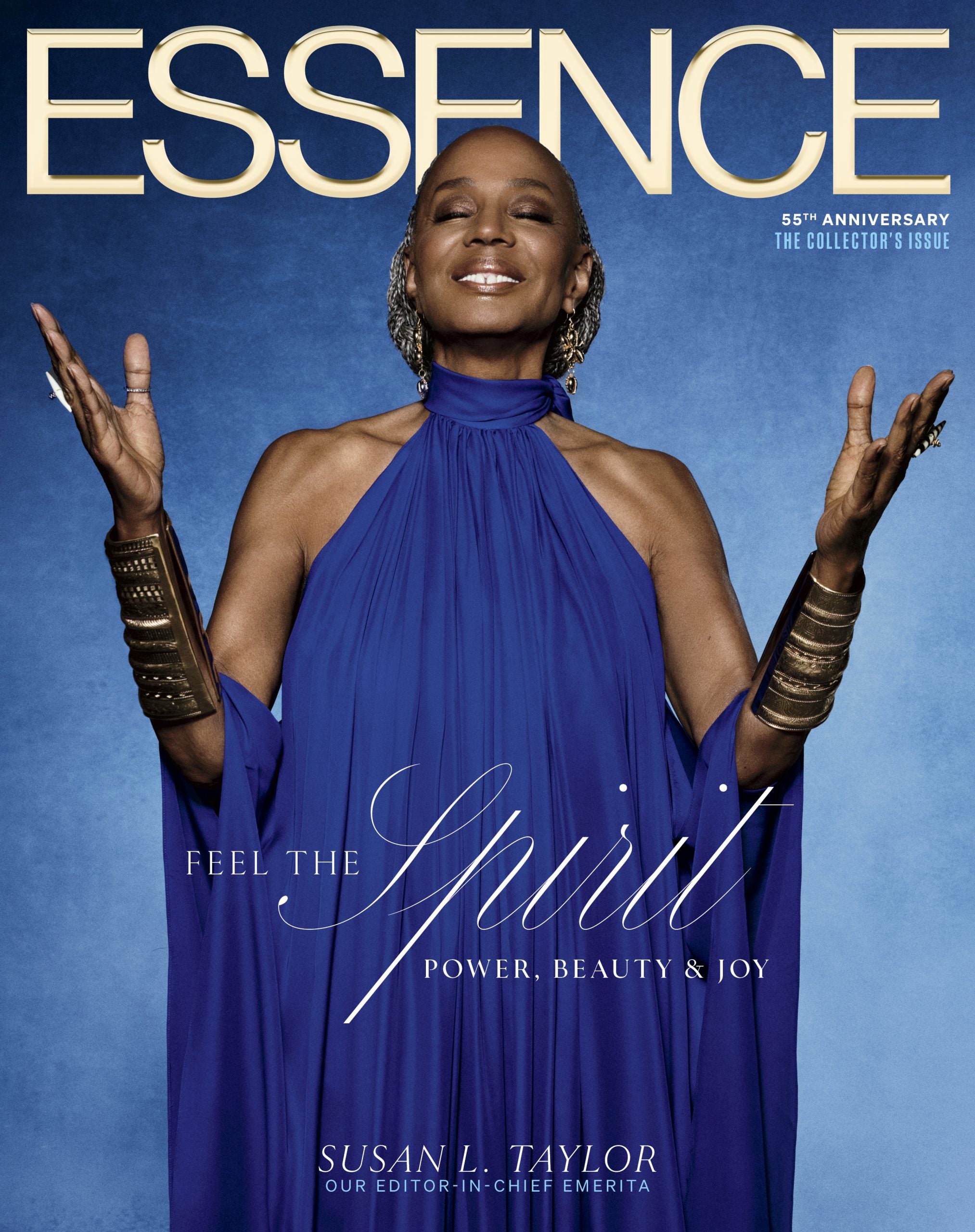
This story was originally published in ESSENCE’s special 55th anniversary July/August 2025 issue, on stands now.
Editor’s Note: This article discusses child suicide. If you are experiencing distress or know someone who is, you or they can dial or text 988 24 hours a day, every single day of the year. A trained counselor will be available to provide confidential support and assistance. You are not alone.
I was four months pregnant in the late fall of 1999 when I was invited to interview with Susan Taylor for a senior editorial position at ESSENCE. A decade earlier, I’d learned to fake self-assurance when I walked into rooms; but on that day, there was no unearned confidence to assume, only humility.
Would I belong at a publication that sisters held with nearly biblical reverence—as they did the woman who had made it so? It was, in a very real sense for me, John 14.2: In my Father’s House there are many mansions. If it were not so, I would have told you. I go to prepare a place for you…”
ESSENCE—and Susan’s words most specifically—made a place for a full generation of sisters, including insecure me. I was the kind of Black girl who was asked “What are you?” so often by other Black girls that for a long time, I didn’t know the answer myself—not on the inside, where the answers really count.
I had the politics, all the outside stuff, down pat. But it wasn’t until I studied those pages of ESSENCE—and not just the stories and words, but the images—that I even saw a door that I could walk through; and just maybe, on the other side was the woman I aspired to become, and she was me.
I was too nervous to think about that, or even feel a modicum of assurance, despite ESSENCE having run an excerpt from my second book, The Prisoner’s Wife, a memoir published that summer about my husband, the father of the baby I was carrying. The magazine ran the story as a major feature that included a full-page image of me. I actually felt beautiful in it. Even so, on the day of the meeting I worried: A book is one thing, but in real life, would they really want me as a colleague? A woman who spent weekends in the visiting room of the prison where my beloved, Rashid, lived?
Before I could spiral any further, I was ushered into the office of the woman whose columns had long mentored me. I thought of all the times I opened letters to Rashid with a quote from “In the Spirit.” Susan stepped from behind her desk and welcomed me so completely that when I remember that moment, a very specific peace returns. Susan’s first words to me were, “asha bandele. Ms. bandele. What an exquisite writer you are….”
In the tradition of truly great Black women everywhere, well-known and not, Susan swept me gently into an embrace so genuine, it took every last bit of my strength to hold back the tears that threatened at the corners of my eyes. I needed that hug. And after that, Susan L. Taylor, whose words had been calling me back to myself for more than a decade, spoke aloud a line of verse that I had written! I was stunned. She said my words had moved her so.
I don’t remember which line she shared. I don’t remember what we discussed that day or how much time we spent together. I only know that with the whole of my heart, I want all Black women to experience what I did that late fall afternoon: a sense of place and belonging, validation, love. An offering that took less than 60 seconds has fed me for a lifetime.
When people tell me how much they love Susan, and all that ESSENCE has meant to them, I know that it is this they are referring to: what it feels like to truly be seen. Susan Taylor and ESSENCE “saved my life,” people tell me when they know of my relationship with her.
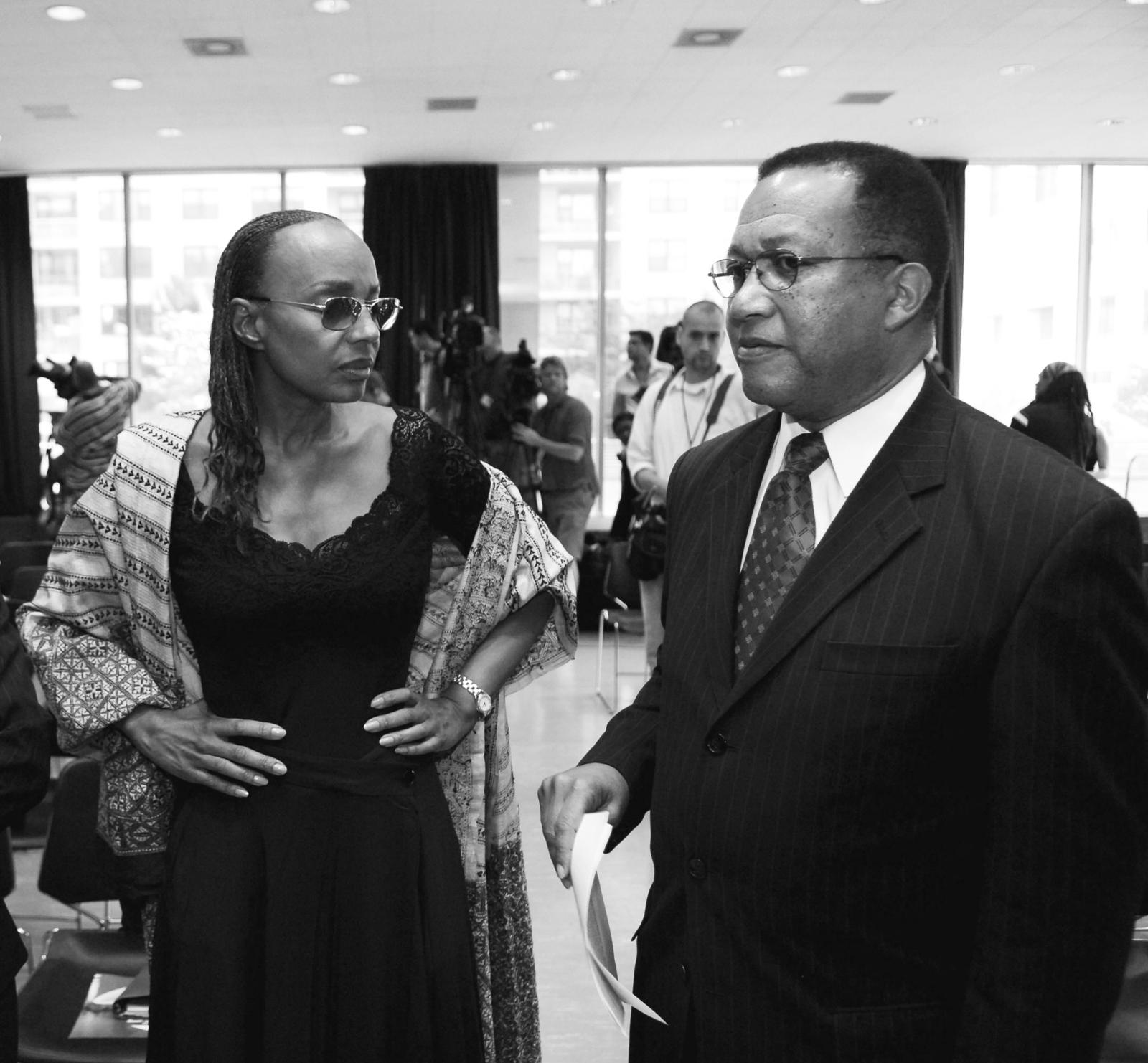
Susan left ESSENCE an unbelievable 17 years ago. But she never left the work of preparing places at the table for us. Essence CARES, the initiative she founded in the wake of Hurricane Katrina’s devastation, and while still serving as the magazine’s chief editor, called together the willing and compassionate to support the children of New Orleans, who had been traumatized, untreated, unseen, dislocated and orphaned in August and September of 2005.

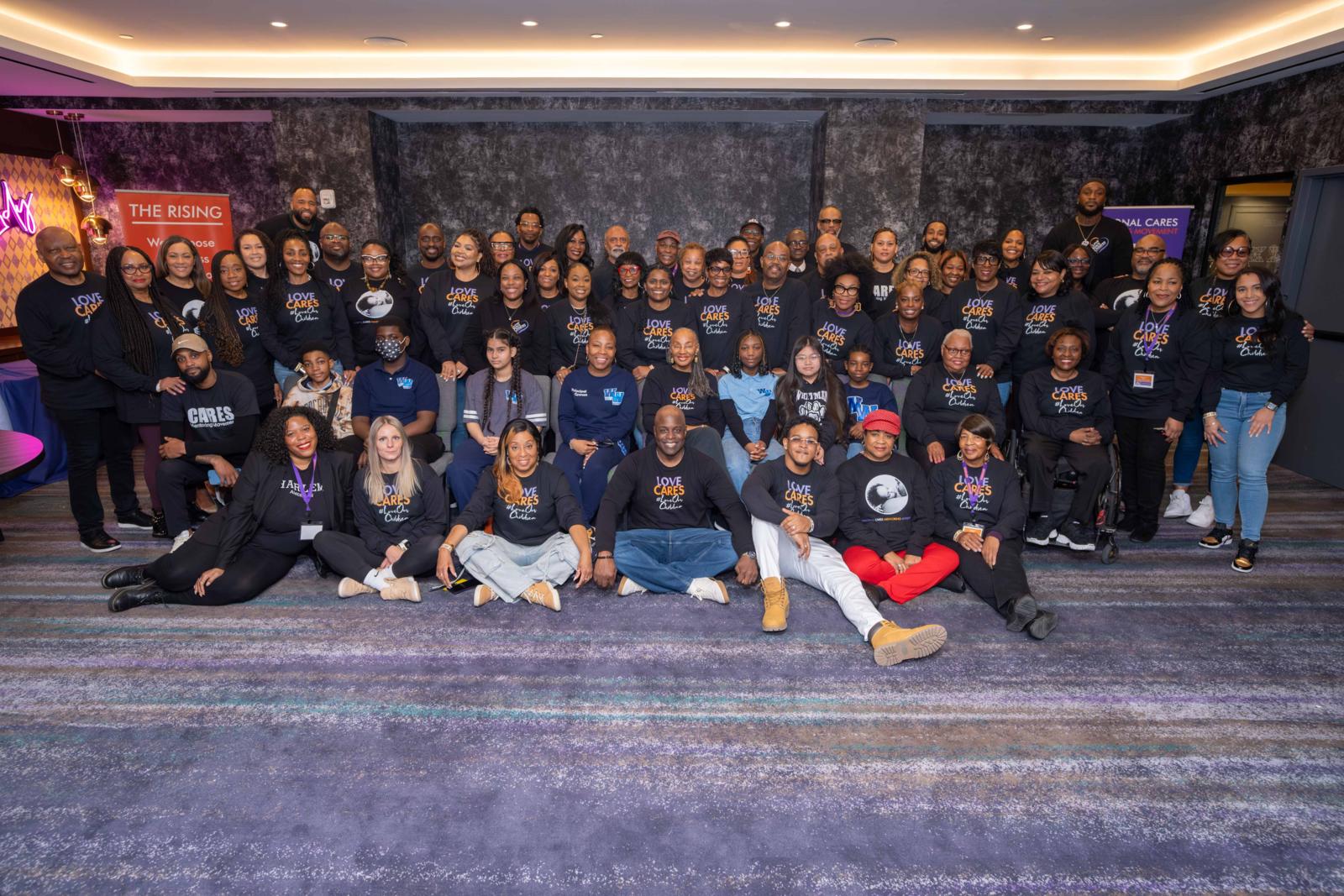
The initiative that began as a response to a most terrible regional storm is now known as the National CARES Mentoring Movement. A national community mobilization effort, powered by CARES affiliates in 58 U.S. cities, the organization seeks to end generational poverty. They have recruited, trained and placed some 250,000 mentors, who have served more than 350,000 children with small local organizations and large national ones (like the Boys & Girls Clubs of America). In 2013, in response to repeated asks that CARES consider running its own programs, it developed and piloted a culturally anchored, curriculum-based, in-school-and-community trauma-healing initiative, launching it in three sites. Following a comprehensive review and evaluation period, the program grew, expanding to 41 sites over the last 10 years.
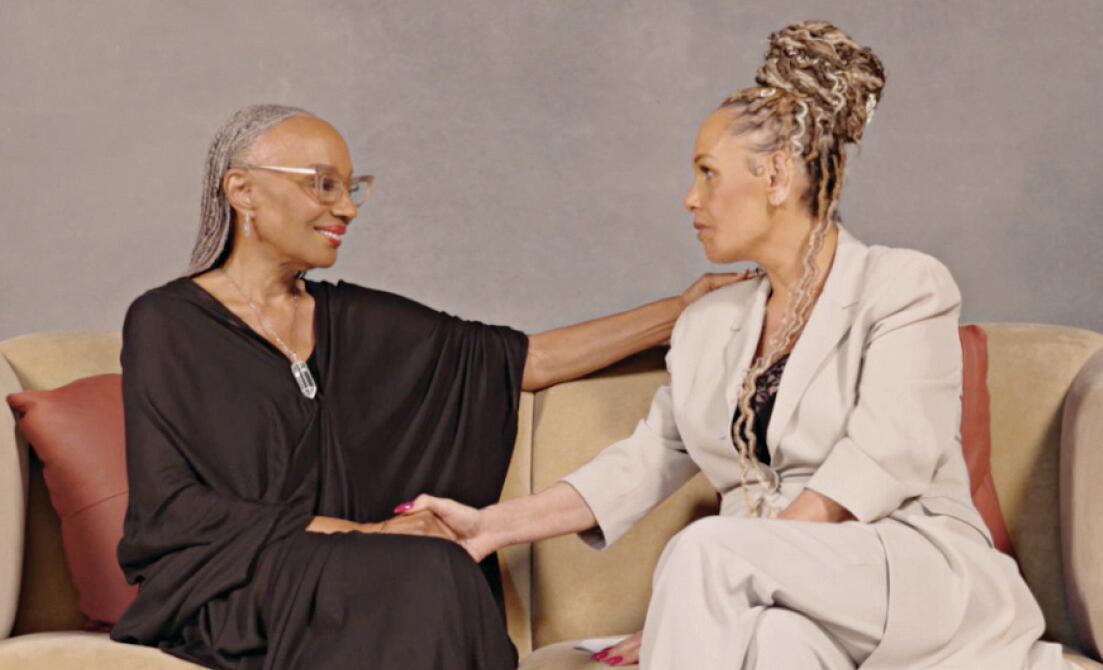
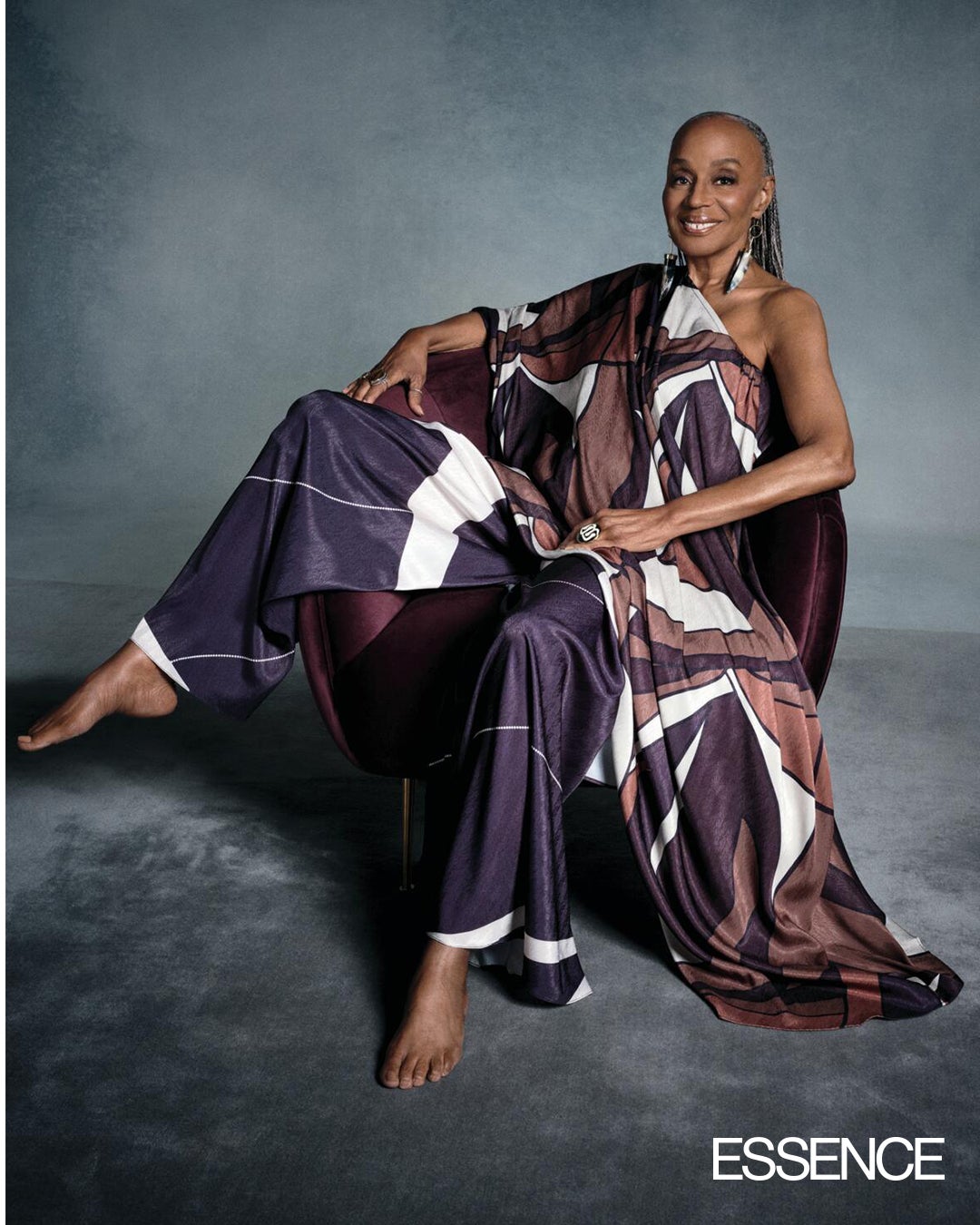
Distilled from conversations held over several days, for this special issue, here are Susan’s thoughts not only the crisis our children face but on the way a community of the compassionate can help end it. Lean in, as I did, to hear the wisdom of Susan L. Taylor, as she speaks from all that makes her who we know her to be: wife, mother, grandmother, girlfriend, auntie, mentor, leader, icon, Editor-in-Chief emerita, founder and CEO of the National CARES Mentoring Movement, the Harlem-born homegirl who never once permitted any distance between herself and her community, and Susan—the sister three generations of Black people know by the honorific first bestowed upon her by Rev. Dr. Michael Eric Dyson: the Queen of Black America.
The Conversation
asha bandele: Susan, thank you so much for allowing me to be part of this historic ESSENCE moment. You’ve never done an interview like this for the book—and the one time you appeared on the cover, it was with Iman, Angela Bassett, Alicia Keys, Mo’Nique and Fantasia, for the 35th Anniversary issue. The editors had to talk you into it then. Why did you say yes to doing a solo cover this time, almost 20 years after leaving the magazine?
Susan L. Taylor: First and foremost, your leadership in putting this whole package together was exciting for me—and when ESSENCE’s Chief Content Officer Michele Ghee reached out to me with such grace and deep understanding of National CARES’ work, and wanting to share it with the ESSENCE audience, I knew it was an opportunity to seize.
ESSENCE was always about centering our audience, not me or any of the many editors who became well-known. Most importantly, this is a crisis moment, and an opportunity to engage our community in understanding and supporting our children in need. The National CARES Mentoring Movement that I dedicate my days to, I founded as Essence CARES, in the wake of Hurricane Katrina. Our babies need us.
I knew that my “yes” to ESSENCE would provide a way to reach millions of Black people, inviting us to join hands and hearts in the forward march toward healing, justice and more love for our children struggling to grow up in poverty.
Hurricane Katrina was 20 years ago this August. There are likely people who will read this but were too young to remember the devastation of the storm.
SLT: Katrina was a brutal category 5 storm that tore through the Gulf Coast—and nowhere more so than New Orleans, a city so dear to ESSENCE and me. We’d just closed our 10th anniversary celebration of the festival in July.
To see what had been our staff hotel, the Hyatt, shattered on August 29 took my breath away. But nothing compared to what we all came to see later: that 80 percent of the city was underwater. Over 1,800 dead—40 percent of whom drowned. And the hardest- hit area was the Ninth Ward, an historically Black community that gave us Fats Domino. It’s where Ruby Bridges was from, and where the tiny 6-year-old helped to launch the desegregation movement in Louisiana in 1960.
Today, the poverty rate is a little lower for Black children in New Orleans. But it’s still a staggering 43 percent. The world watched as our people—Black, poor and disenfranchised—were left to drown. It was a horror that unfolded live. Almost 2,000 people died in Katrina. Many who made it to higher ground went to what was called “the Refuge of Last Resort:” the Superdome. They were trapped there for a week without electricity, without sanitary bathrooms, without adequate food or water. Six people died there, none a victim of crime, despite what was initially reported about our people in such desperate need. At least one person died by suicide.
When the festival returned to New Orleans in 2007, the pain the people of the city felt was palpable. It was still fresh. And of those who survived, none were left more vulnerable than our children living in poverty. So many were left without the adults—parents, ministers, caretakers, teachers—who had always protected them. I knew immediately that our work needed to support them.
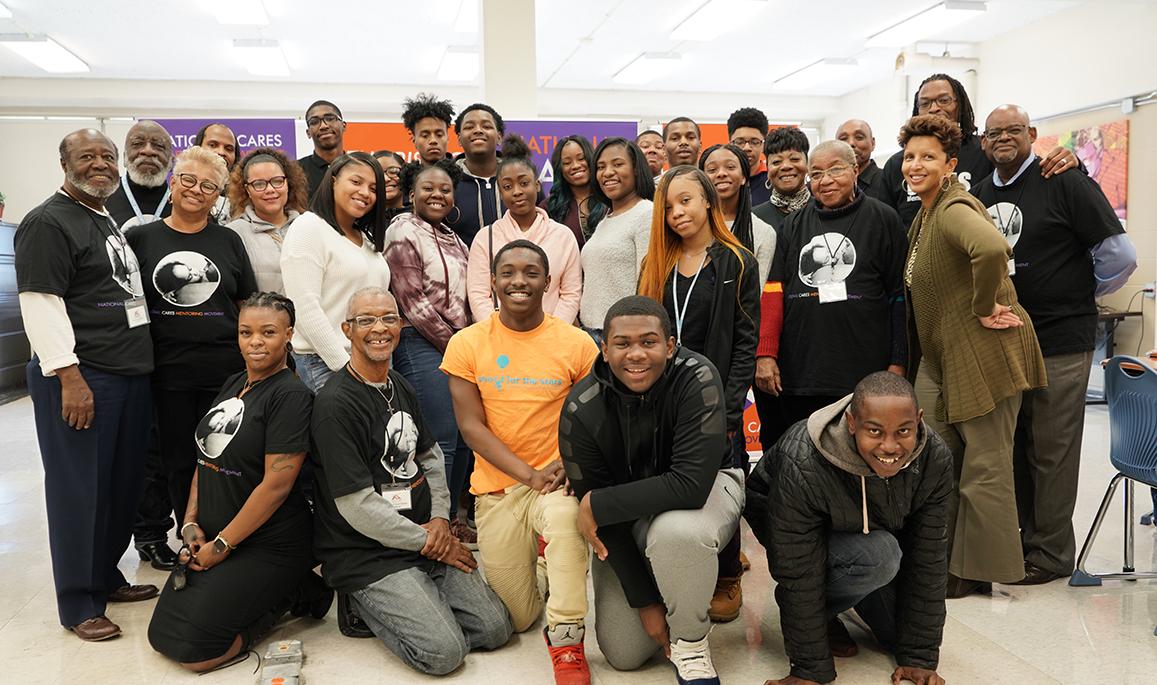
You’ve always cared for our young ones who needed support. I met them at ESSENCE. I still meet them at gatherings you host.
SLT: It’s so important for us to embody the love we want to experience ourselves. The most revolutionary thing we can do, now and always, is love one another. And in the wake of Katrina, there was no way for me and many other caring people to leave our children’s cries unattended. That was the catalyst for both Essence CARES and then National CARES.
Many of our finest organizations, including ones closest to us, do transformational work by changing policies on voting, criminal justice and healthcare. We need that work desperately. But still there is no lobbying at those levels to protect Black children and lift them out of poverty. We knew then what we know now: Policies alone do not change systems, as evidenced by the 1954 Supreme Court’s Brown v. Board of Education decision declaring racial segregation in public education illegal. Despite that unanimous decision, 71 years later, our schools are even more segregated. No one is coming to save our babies—or us. This is our work to do! I pondered: What can be transformed if we place our most harmed and marginalized children’s needs at the very center? How might we elevate their lives and our communities for the better?

When you care for the least of these…
SLT: That’s exactly right! The poverty that stalks our young ones today is in many ways far worse than it was in generations past. We tend to define poverty as only the lack of financial resources. What too many of our children experience is not only economic poverty. It’s also social. So many of the adults who held our communities together have been lost to mass incarceration, to addictions—diseases of despair—as drugs have replaced jobs and hope in our neighborhoods, often turning them into war zones.
Young people we serve in gravely under-resourced communities and schools, and in juvenile detention centers, routinely share with us that they didn’t even know there could be life for them besides life on the outskirts of everything. For years, our young, living in shelters, couch surfing and living on the edge, always surrounded by violence, have been conditioned to believe that prison and early death were their inevitable future.
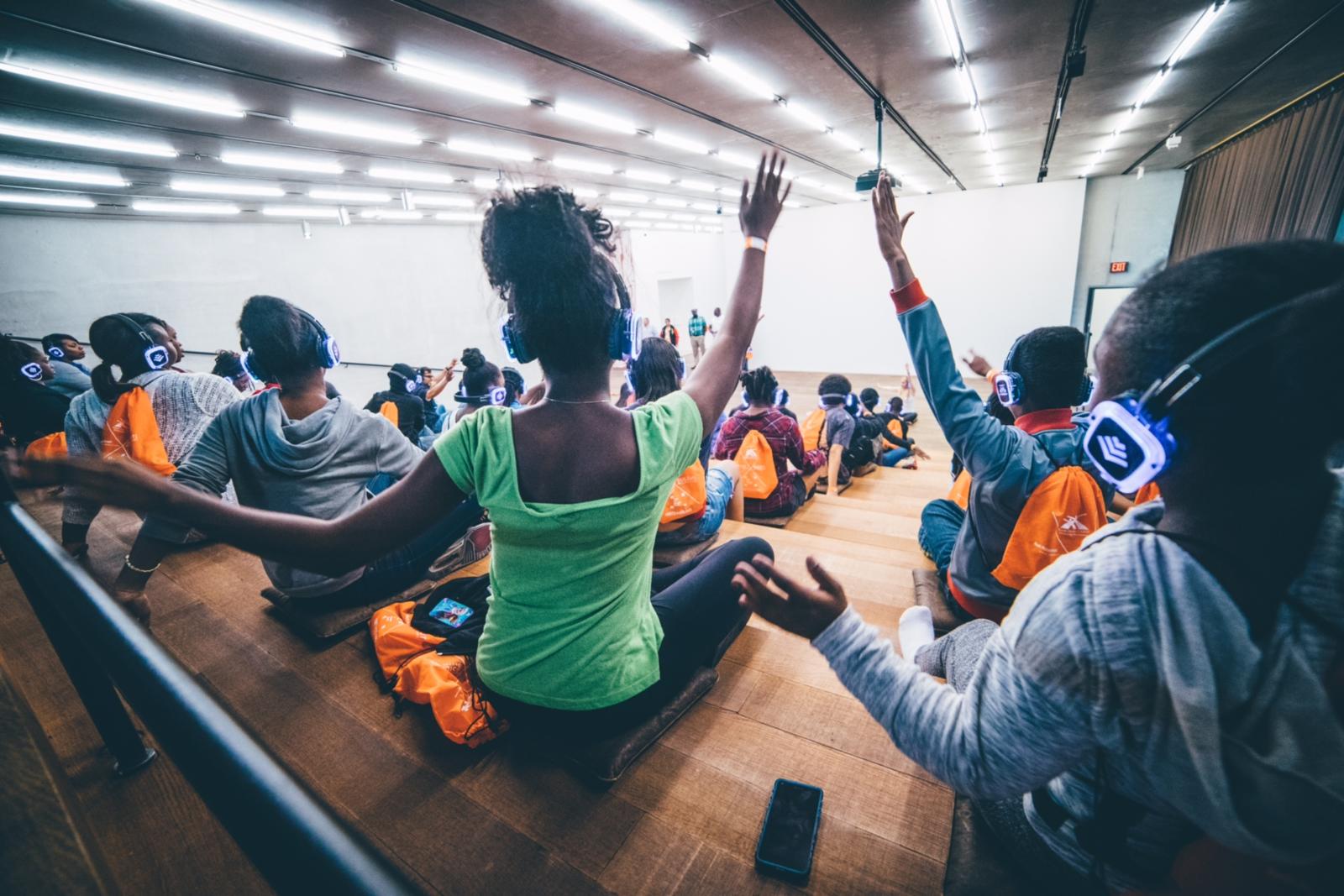
What’s the biggest impact you’ve seen poverty have on young people?
SLT: Societal neglect has caused such hopelessness. So many of our young are sad to the bone. Black children living in poverty are carrying burdens far too heavy for their young shoulders. Beyond our view, they are growing up with hunger and homelessness, living in shelters and crumbling housing, surrounded by violence that never sleeps. We see, wherever poverty lives, on the nightly news. Bullying has become part of the culture—and with the proliferation of social media, there are no breaks. They are harmed by systems that police their bodies and ignore their pain. Our struggling young do not see themselves reflected in hope, only in hardship. Health care—including mental health support—is rarely available where poverty lives. This is where National CARES’ Affiliate Leaders and our psychologists, wellness workers and volunteer mentors serve.
These are the crises—and there are more—that are contributing to this brutal truth: Our children are dying by suicide at rates that have risen higher and faster than for any of their peers. This is a first in recorded history. It was shocking to learn that between 2007 and 2020 alone, Black child suicide rose an unbelievable 144 percent.
This is a tragedy with no societal, national response, but it’s one we can solve. CARES will not turn away, and we are asking the community to link arms and aims with us and our partnering organizations. We and our beloved children are the offspring of those whose centuries of free, underpaid and enforced labor created America’s wealth. The pain endured has been passed down through the generations. We all are battling some measure of depression. We all need healing.
That must be shouted from the rooftops: Healing is possible!
SLT: Across the country, 20 percent of our children are born into poverty. That’s more than three times the rate of their White peers. Poverty harms so deeply. We able ones must show all of our young, including the ones who may right now be beyond our view, that they belong to us—that we will encircle and support them and open the way to mobility for them. We will not let them fail.
How does CARES respond to that level of pain?
SLT: Our programmatic work is designed to heal whole communities. We have the model, access to those who will do the work. We just must raise the funds to implement the programs. Our signature initiative for young people, The Rising: Elevating Education, Expectations and Self-Esteem, transforms lives. It is exciting and interactive, a group-mentoring model that can transform an entire school—and it has. It also transforms the psychologists, mentors, teachers and other adults who surround our babies, according to evaluations—and what our teams have learned from principals, teachers, security guards and administrators.
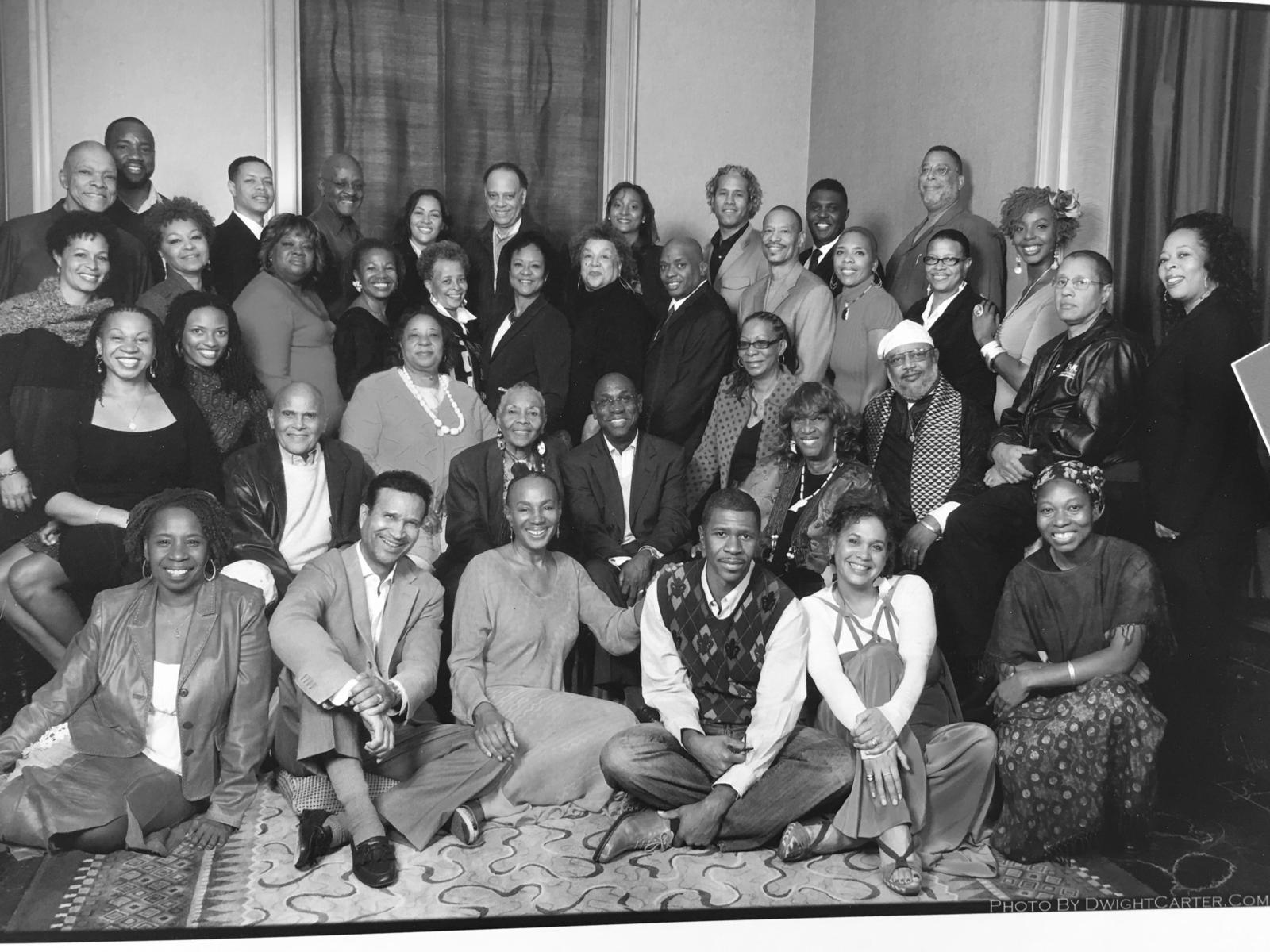
None of the work we do would be possible without our dedicated Affiliate Leaders, our volunteer army of mentors—all soldiers of love—or our staff and psychologists. Our healing, life-changing work would not have been possible without the wisdom of our 60-plus-person Braintrust. Our beloved friend, the late Harry Belafonte, served as our Braintrust Elder, and the educators, medical doctors, psychologists, historians, artists, journalists, business and faith leaders worked together for more than a year—without compensation—to develop our culturally anchored, evidence-based manual, A New Way Forward: Healing What’s Hurting Black America. The 148-page manual guides our evidence-based curricula for young people, parents and community.
The brilliance they brought to our gatherings and piloting the trainings has grounded and elevated our curricula. Our program guides young people in their healing, so they reach heights they hadn’t imagined before. It unearths their power and genius. It proves to them who they truly are.
What do you want to leave everyone who reads this with most?
SLT: What I so wish for us to know is that we have everything we need to heal our children and ourselves. We can end the tragedy of Black child suicide. We need only the collective will. We can deflect any weapon formed against us.
Despite the poverty and loss, we remain the most well-resourced and educated population of African-Americans. Our foremothers and forefathers had faith, unshakable determination—and love—during the hardest and harshest of times. Let’s hold fast to that history and multiply that faith, determination and love by the generosity and grace we have needed in our lives.
If every able Black adult were to give just a little from their overflow—a $10 or $25 monthly gift to CARES—we would be able to sustain and grow our work. I know we can secure all of our children. I know, working together, that we can end Black child suicide. I am so excited to see what we can transform together as we commit to moving ourselves and our community forward.
asha bandele, a New York Times best-selling and award-winning author and journalist, was a Senior Editor at ESSENCE and has written for the magazine since 1999.
Please help National CARES end Black child suicide by making a donation at caresmentoring.org
CREDITS
SUSAN L. TAYLOR
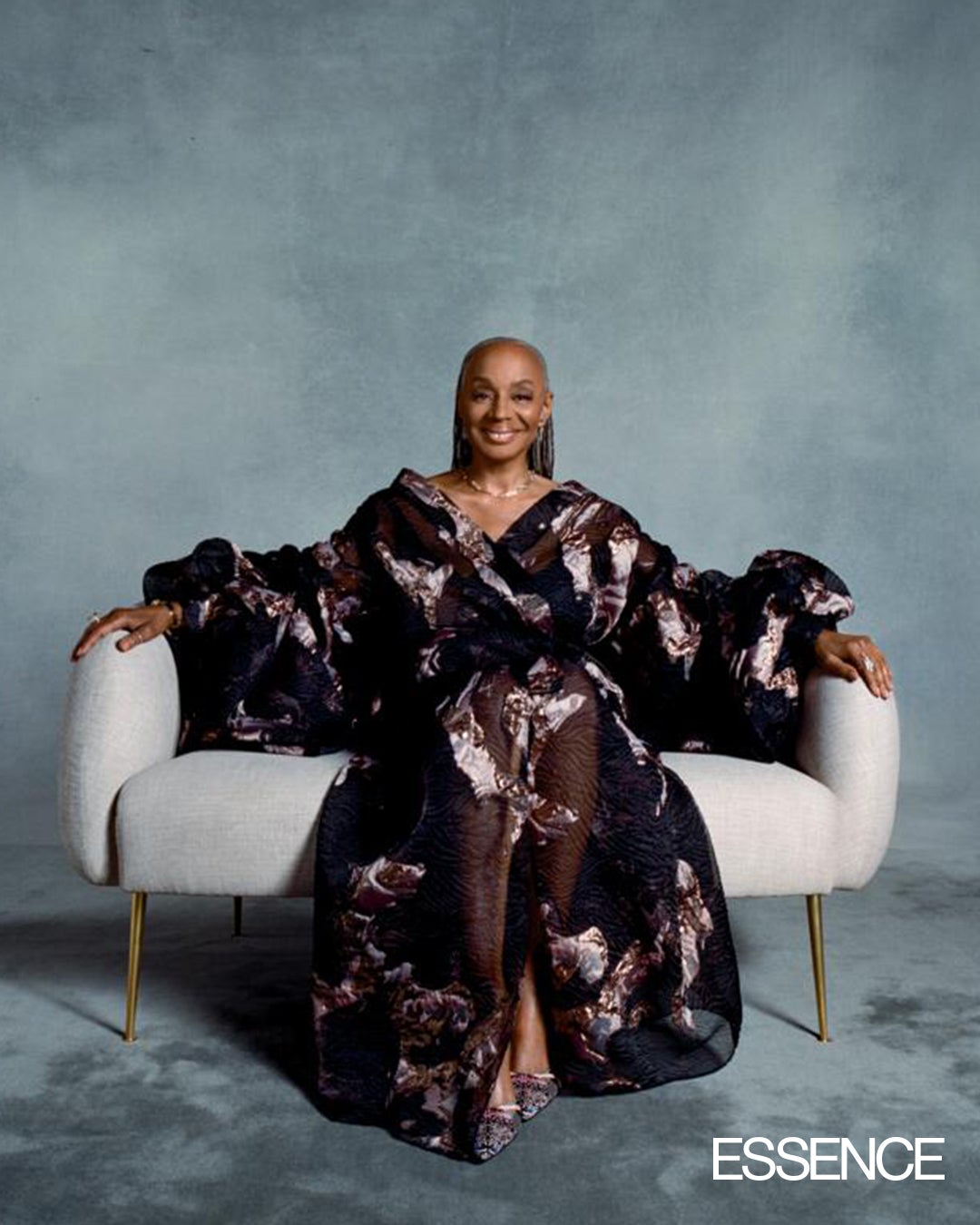
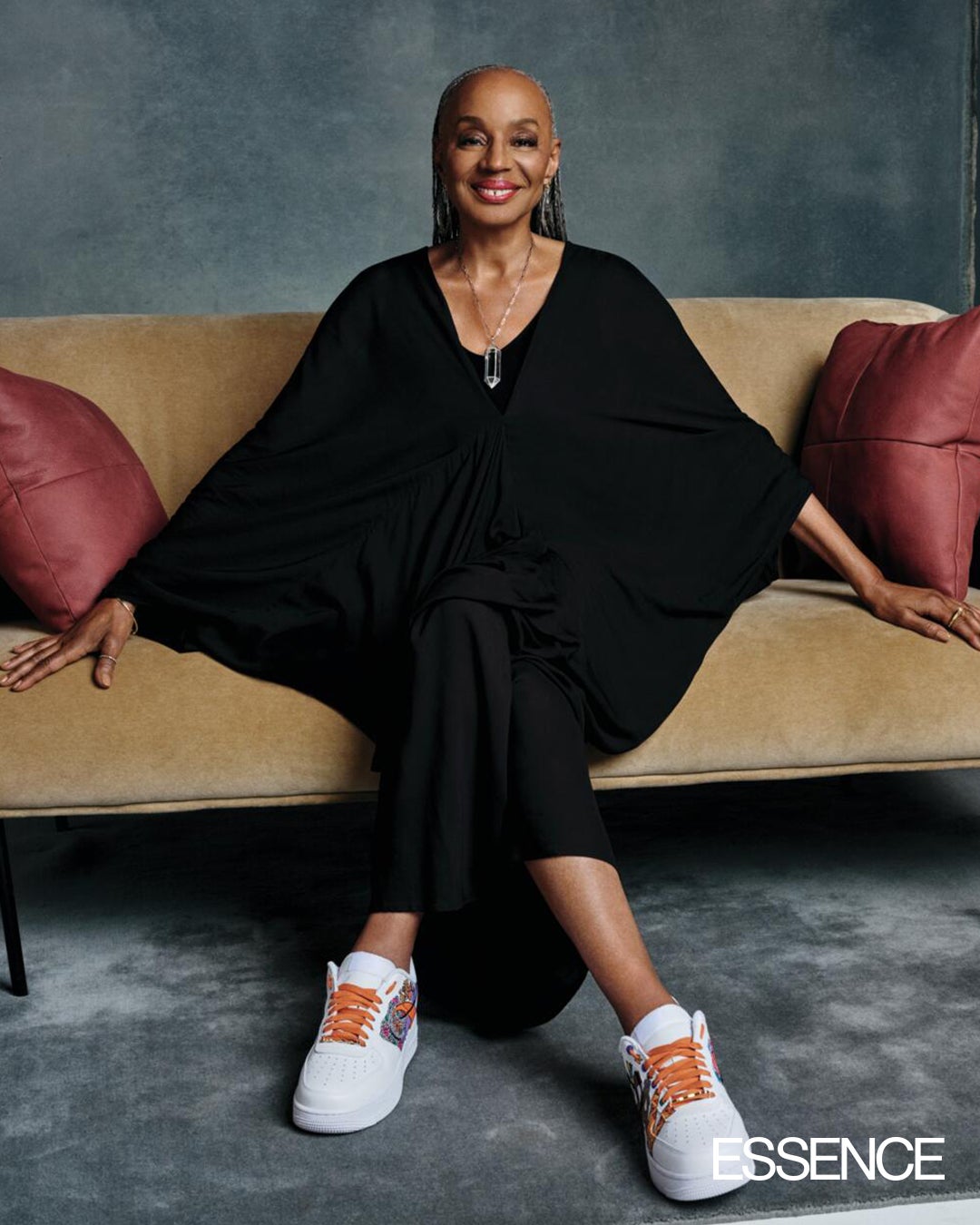
Photographed by Mickalene Thomas
Styled by Pamela Macklin
Written by Asha Bandele
Makeup: Andrea Fairweather Bailey using Fairweather Faces Traveling Beauty Kits for Fairweather Faces
Nails: Arlene Hinckson using Morgan Taylor at The Only Agency
Set Design: Jenny Correa at Walter Schupfer Management
Tailor: Shirlee Idzakovich
Lighting Director: Andrew Espinal
Photography Assistant: Ashley Markle
Digitech: Guillermo Perez
Styling Assistants: Audra Gooch, Baldwin Virgin, Daniel Castaneda, & Lili Marner
Set Assistant: Andy Meerow
Production: The Morrison Group
Production Assistants: Maian Tran, Isaac Taylor Shane, & Alexzandria Ashton
Post Production: One Hundred Berlin
Location: Pier59 Studios