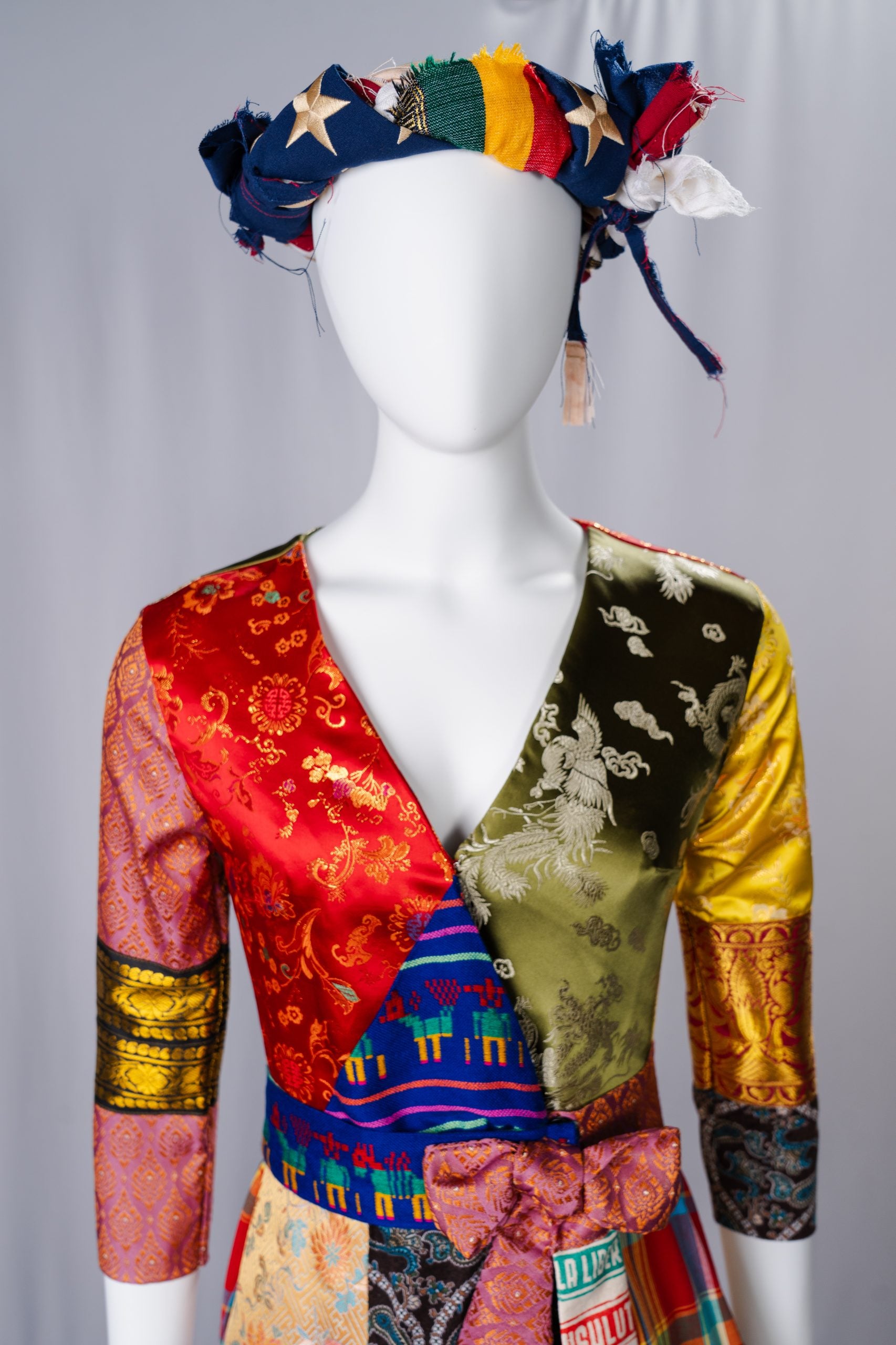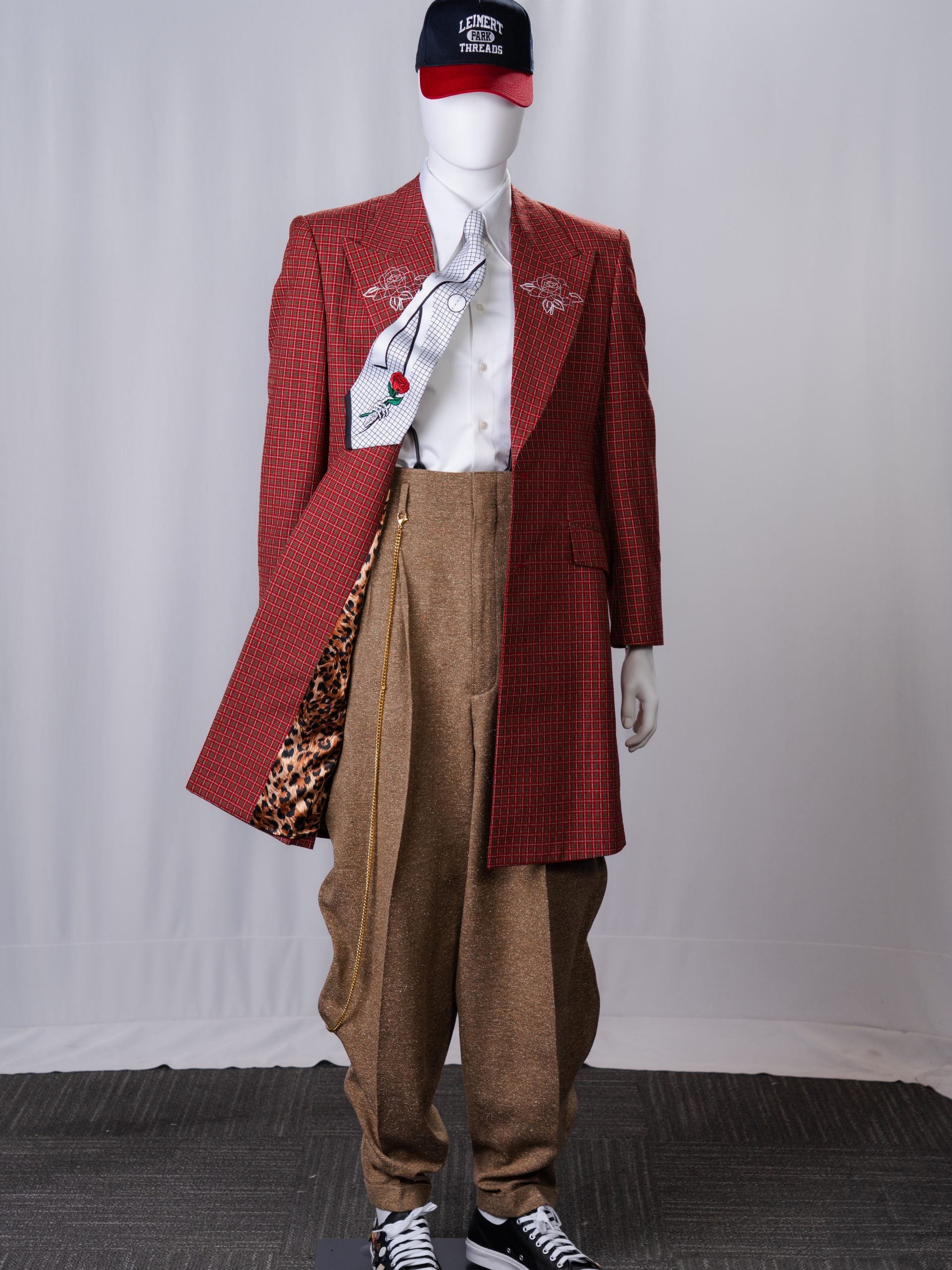

The Los Angeles Public Library debuted Threads of Los Angeles, a new body of wearable artworks by fashion designer Ashley Walker, on Sunday, December 7 in the Mark Taper Auditorium at Central Library. The exhibition concludes the Library’s 2025 Creators in Residence program and highlights Walker’s continued emphasis on using apparel as a tool for historical education and cultural reflection.
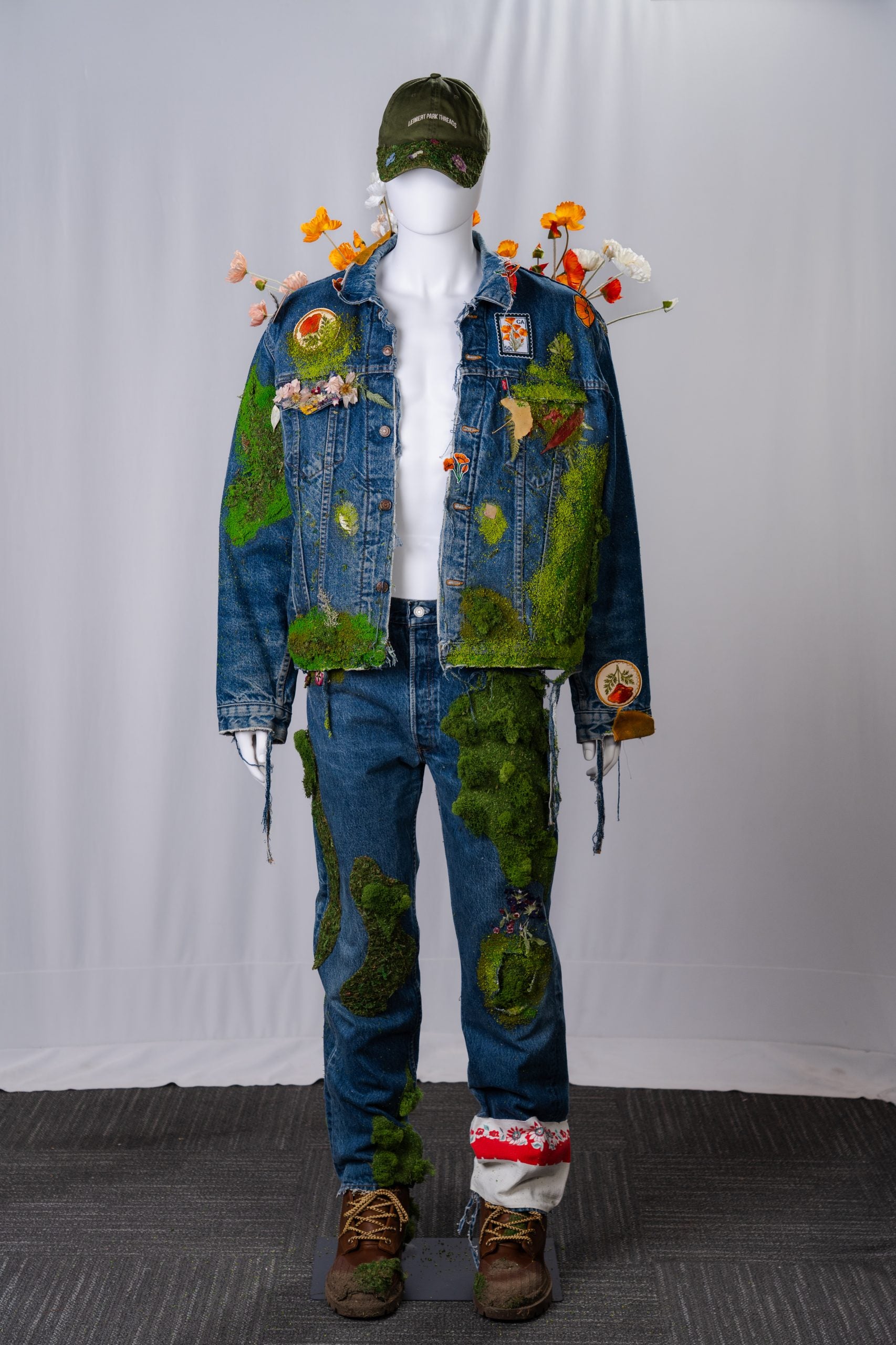
Walker describes the residency experience as deeply collaborative. “The library has been super supportive in all my wild ideas,” he said, emphasizing how the partnership allowed him to push beyond traditional design. “I’m looking forward to people seeing how we’ve interpreted the different moments of L.A. history into fashion.”
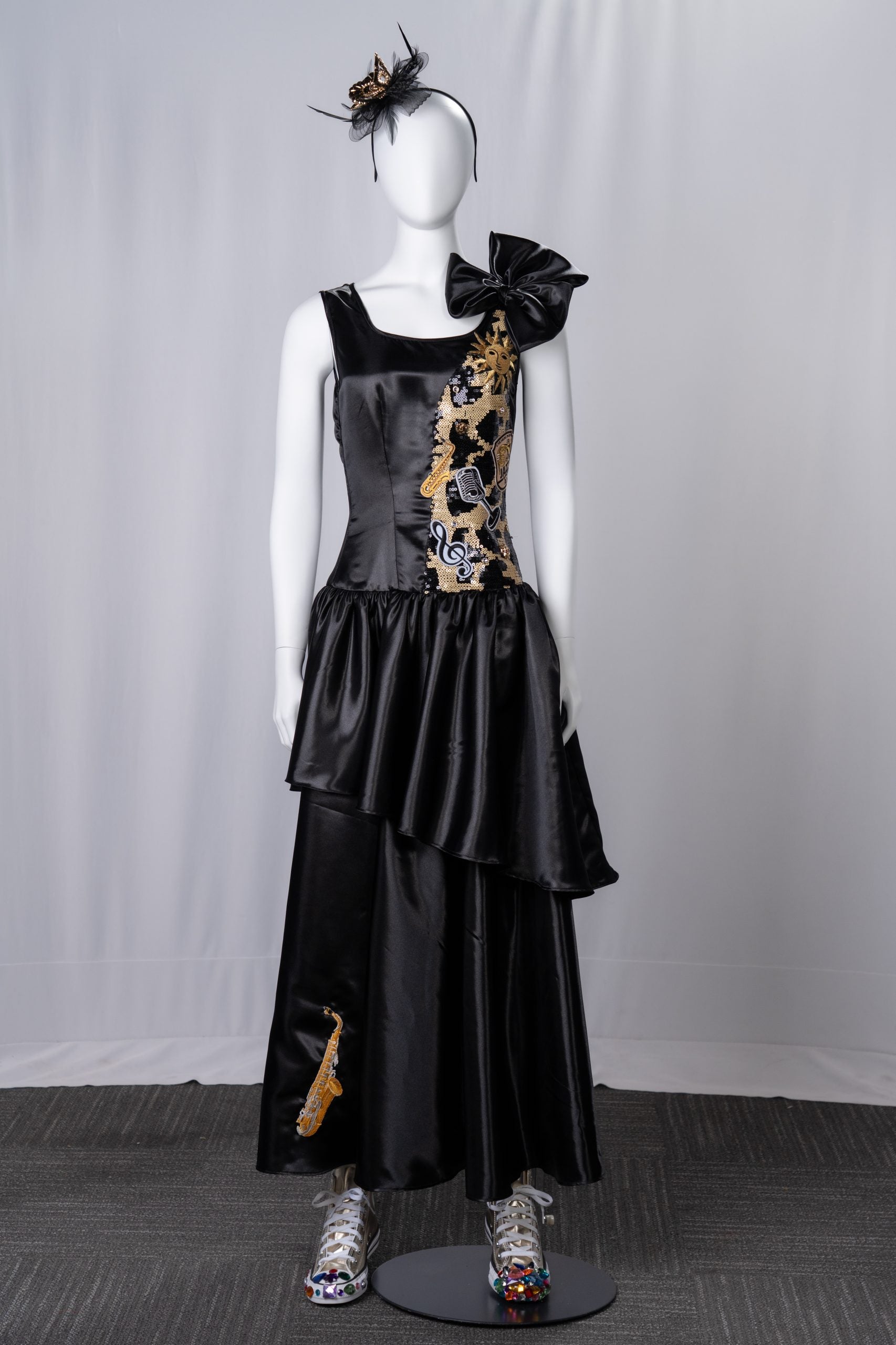
The exhibition features six looks inspired by pivotal moments in Los Angeles history, including Jazz on Central Avenue, the Zoot Suit Riots of 1942, and the 1992 uprising. Each piece functions as a historical entry point. “I wanted to bridge the through line between these moments,” Walker explained, noting that his own memories shaped the work. “I still remember being with my grandfather guarding his cleaners during the riots in South Central.”
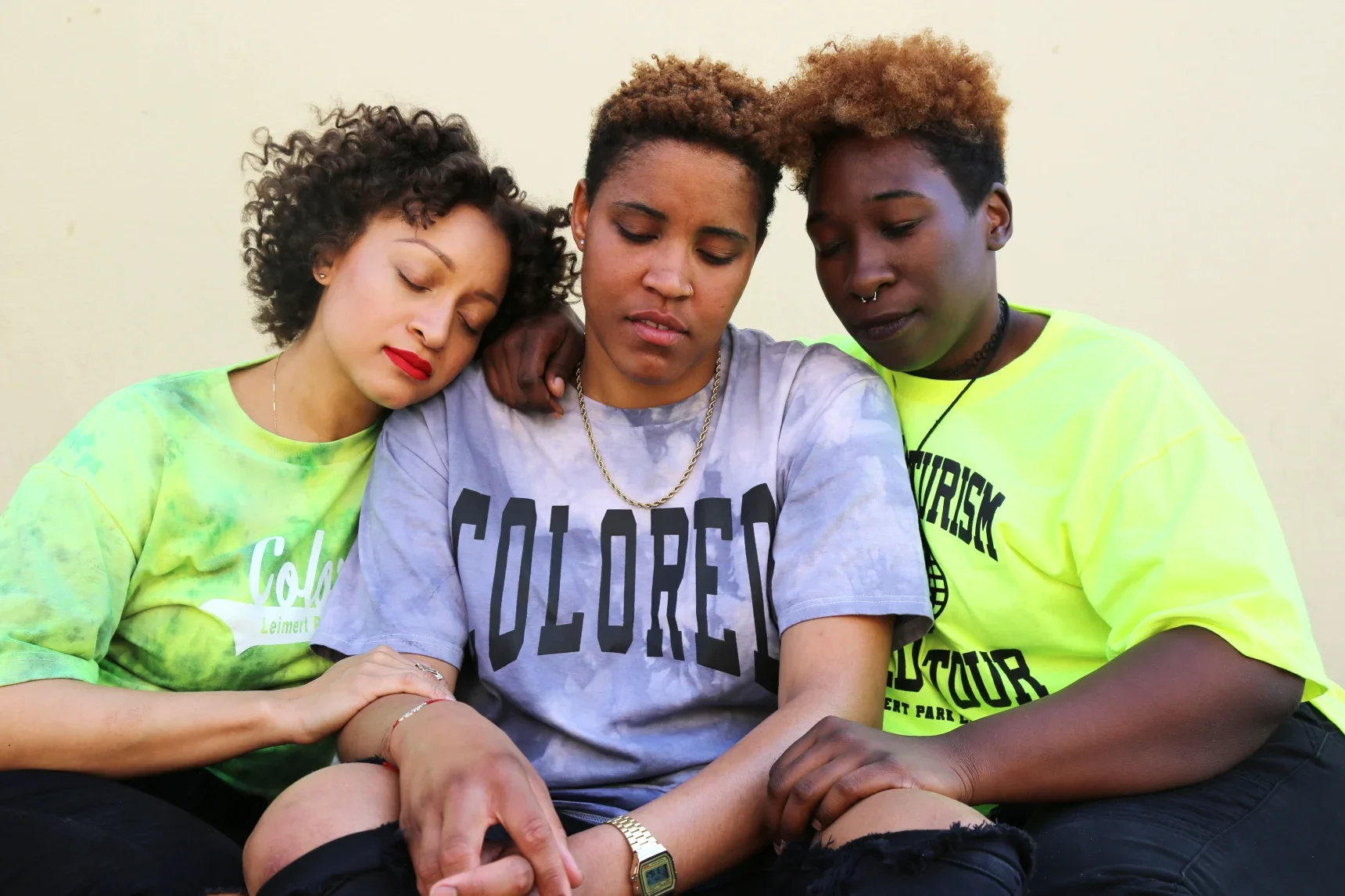
Before his work as a resident artist, Walker founded Leimert Park Threads in 2017 from his apartment after returning to Los Angeles from a decade in New York. The brand emerged from a desire to build something rooted in history rather than trend cycles. “I just knew I didn’t want to be chasing viral moments,” he said. “That’s why I came up with ‘Colored’—it felt like something addressing history and the racial tension at the time that people could really own and feel a part of.”
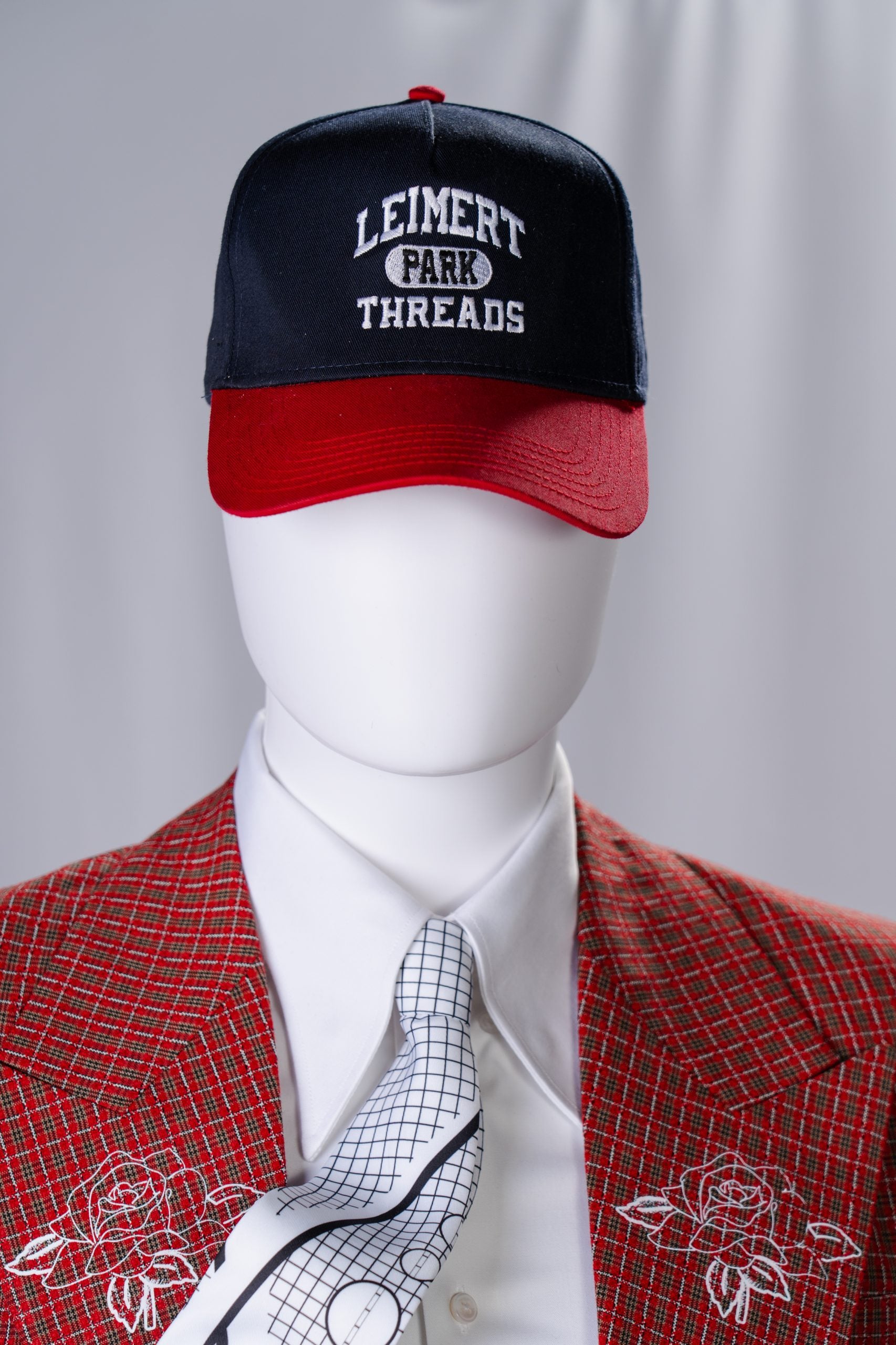
The label quickly resonated. Walker recalls selling his first Colored T-shirt to a woman at a local park and realizing he had tapped into something meaningful. Over the next few years, the brand appeared on Insecure and was worn by Beyoncé, Lena Waithe, Chadwick Boseman, and Steph Curry. Walker expanded into Afrofuturism-inspired collections for Macy’s and Forever 21, developing a reputation for apparel that merges culture, pride, and education. “Being able to educate people through the fashion I bring has been the biggest thing for me,” he said.
In Threads of Los Angeles, Walker’s approach becomes even more intentional. “I imagine people just standing and staring,” he said. “Each piece is so intricate with little details and easter eggs about those moments in history.” The Zoot Suit–inspired look includes references to the 38th Street Car Club and the Sleepy Lagoon trial, while the jazz dress incorporates textile patterns tied to Central Avenue’s musical legacy.
Beyond the aesthetic details, Walker hopes the exhibition inspires deeper public curiosity. After the unveiling, each look will be placed in a branch library near the historic event it represents. “Information, inspiration, and a yearning to learn more—that’s what I want people to take away,” he said. “These were moments I knew about, but even I learned so much digging into the archives. I hope others will too.”
The residency marks a natural progression in Walker’s evolution toward wearable art that educates, activates, and reorients how communities engage with the past.