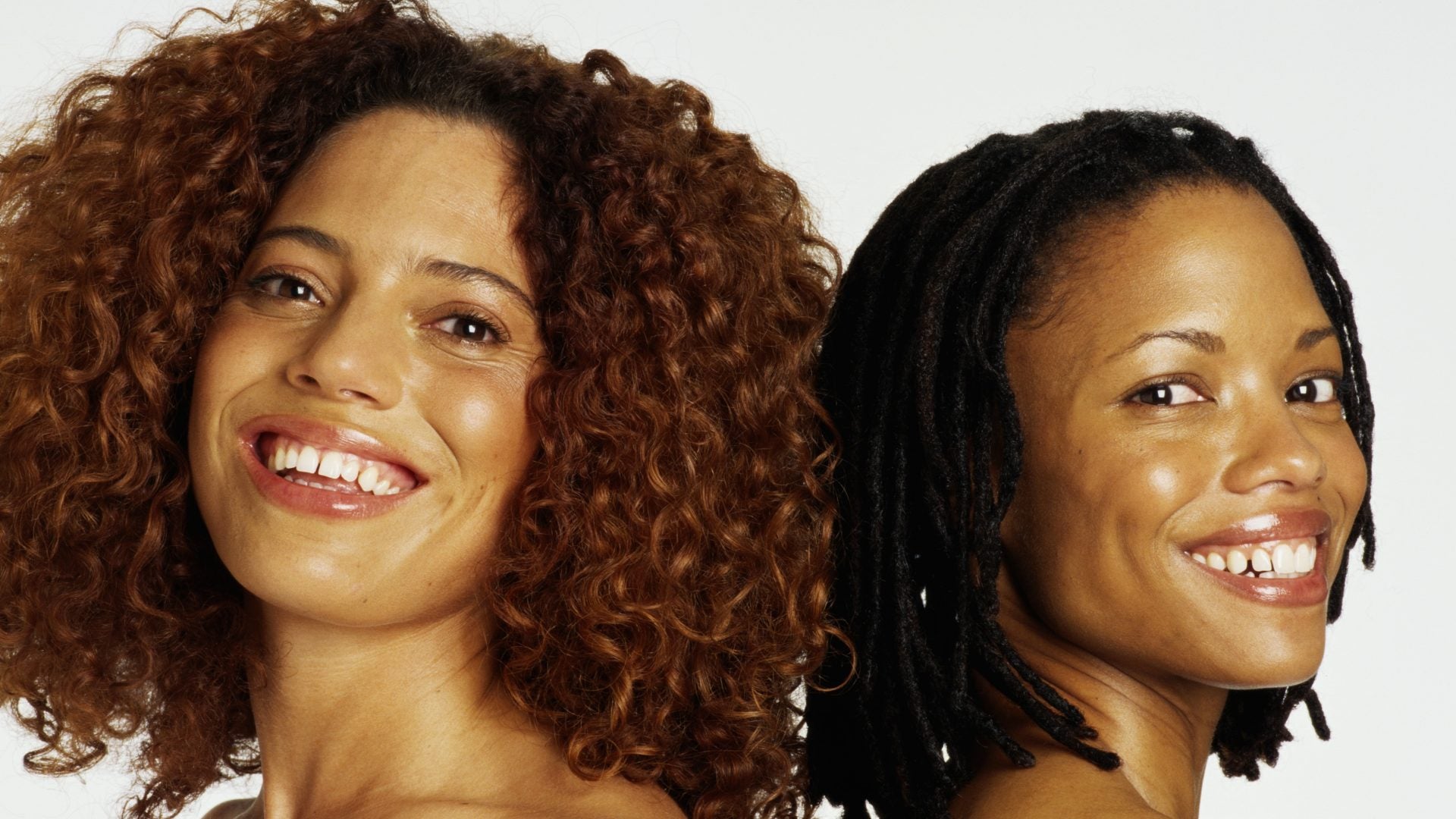

Textured hair doesn’t grow? That’s a myth. “Growth is happening even when you can’t see it right away,” celebrity hairstylist and OLAPLEX Ambassador Naeemah LaFond tells ESSENCE. “But, it feels a lot slower when you’re watching it like a pot of boiling water.”
On average, hair grows about half an inch per month which is six inches in a single year. Yours included (even with shrinkage). But, if you’re not retaining your length, it may be hard to believe your texture is actually growing. “You could have a scalp that grows hair like a weed, but if it’s breaking off just as fast, you won’t see it.”
Below, LaFond explains why length retention can make your hair look longer, the best routine to do it with, and everything you should avoid.
Does hair texture affect hair growth?
Contrary to the myth, “hair texture doesn’t slow down your scalp’s ability to grow hair, but it can affect how much length you actually see,” LaFond says. “It’s not that tighter curls don’t grow, it’s that they need a different level of attention to stay on your head.”
With textured hair growing up, out, and in a coil (on top of shrinkage) instead of down and straight, our hair can look much shorter than it actually is. But, “if textured hair isn’t detangled gently and kept moisturized, it’s more likely to break,” she says. So, even though your hair is in fact growing, preventing the growth from breaking off can be the biggest obstacle.
How important is length retention in seeing visible growth?
For textured hair especially, length retention is the one of the most important factors in growing longer hair. “It’s everything,” she says. “Growth is happening, it’s whether we’re holding on to it that makes the difference.” That means protecting your ends, being gentle, and keeping up your hair’s moisture.
What’s the best haircare routine to retain your hair’s length?
Building a haircare routine specifically for hair health, growth, and retention is key. While there’s discourse around how often you should was your hair (Weekly? Biweekly? Once a month?), according to LaFond, making sure you’re actually checking off each step is what really makes a difference.
- Wash regularly with a quality cleanser: “Oftentimes, these shampoos are all vibes and no real results,” says LaFond. “You want something that smells good, yes, but it should also leave your hair looking healthier and more defined.”
- Deep condition regularly: Not on occasion, but “every time you wash your hair,” she says.
- Use a moisturizing leave-in and seal it in with a cream or oil: “One of my favorites is the Olaplex No.5 Leave-In Moisturize & Mend Leave-In Conditioner,” she recommends, which can help lock in moisture and prevent breakage.
- Use styling products that don’t work against you: For styling, using a good curl defining gel can define your texture while it grows, without drying them out.
- Wear protective styles or twist-outs: Not wearing high maintenance styles that require daily manipulation is more conducive to hair growth than pulling at your hair everyday.
- And, of course, your night time routine: “satin bonnet, scarf, or pillowcase,” she says, which we all know is a must.
What should you avoid when trying to retain length?
“Dry hair breaks,” LaFond says. “It’s that simple.” With dry hair being a big concern for Black women, taking the hydration of your coils seriously can make or break your hair. That, and protecting your ends in protective styles and low-manipulation looks. “Constant combing, brushing, or switching styles every day can lead to breakage,” she says.
- Avoid tight styles: “If your style is giving you a headache or pulling at your edges, it’s doing too much,” she says. Normalize letting your hair be, without trying to make it something it’s not.
- Avoid excessive heat: “Flat irons and blow dryers are fine in moderation, but overdoing it will cost you,” she says. Only blow drying your hair when you’re getting a protective style or replacing your silk press for something heatless may be more ideal.
- Avoid skipping trims: Cut your hair to retain your growth. “I know it sounds backwards, but trimming those split ends helps you keep more hair in the long run,” she says.
- Avoid harsh products: “Sulfates and drying alcohols will strip your hair and leave it brittle,” she says. (Remember: dry hair breaks).
What other hair growth myths should be debunked?
Textured hair not growing has to be one of the most harmful myths for Black women. But, according to LaFond, it’s not the only myth that exists. “Trimming your hair makes it grow faster,” she says, is another myth she’s dying to debunk. “That one’s been floating around forever.”
Trims don’t make your hair grow. “They help you see the growth by preventing breakage and split ends,” she says. Trims are suggested every 6 to 8 weeks and you should never skip an appointment, but “it’s not going to magically speed up your hair’s growth spurt,” she says. “Think of trims as maintenance that keeps your ends looking and feeling healthy.”