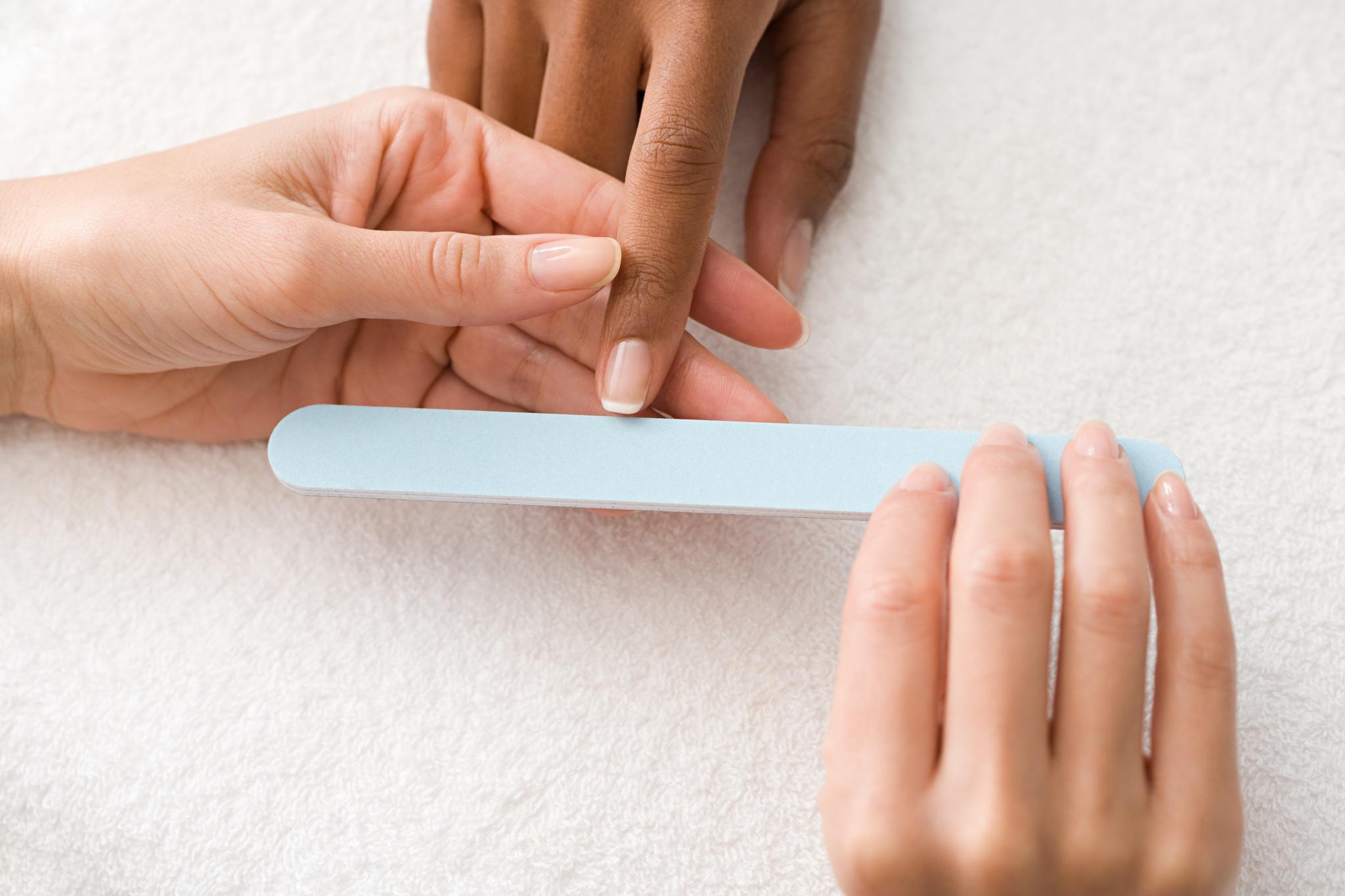
The first step to avoiding nail salon dangers is to be aware of your surroundings and listen to your gut. “If something feels creepy or you get bad vibes, that’s your intuition telling you that something is not right,” says Cassondra Hughes, senior nail artist at UltraViolet Nail Lounge in Atlanta. Don’t hesitate to leave and find another salon for your services.
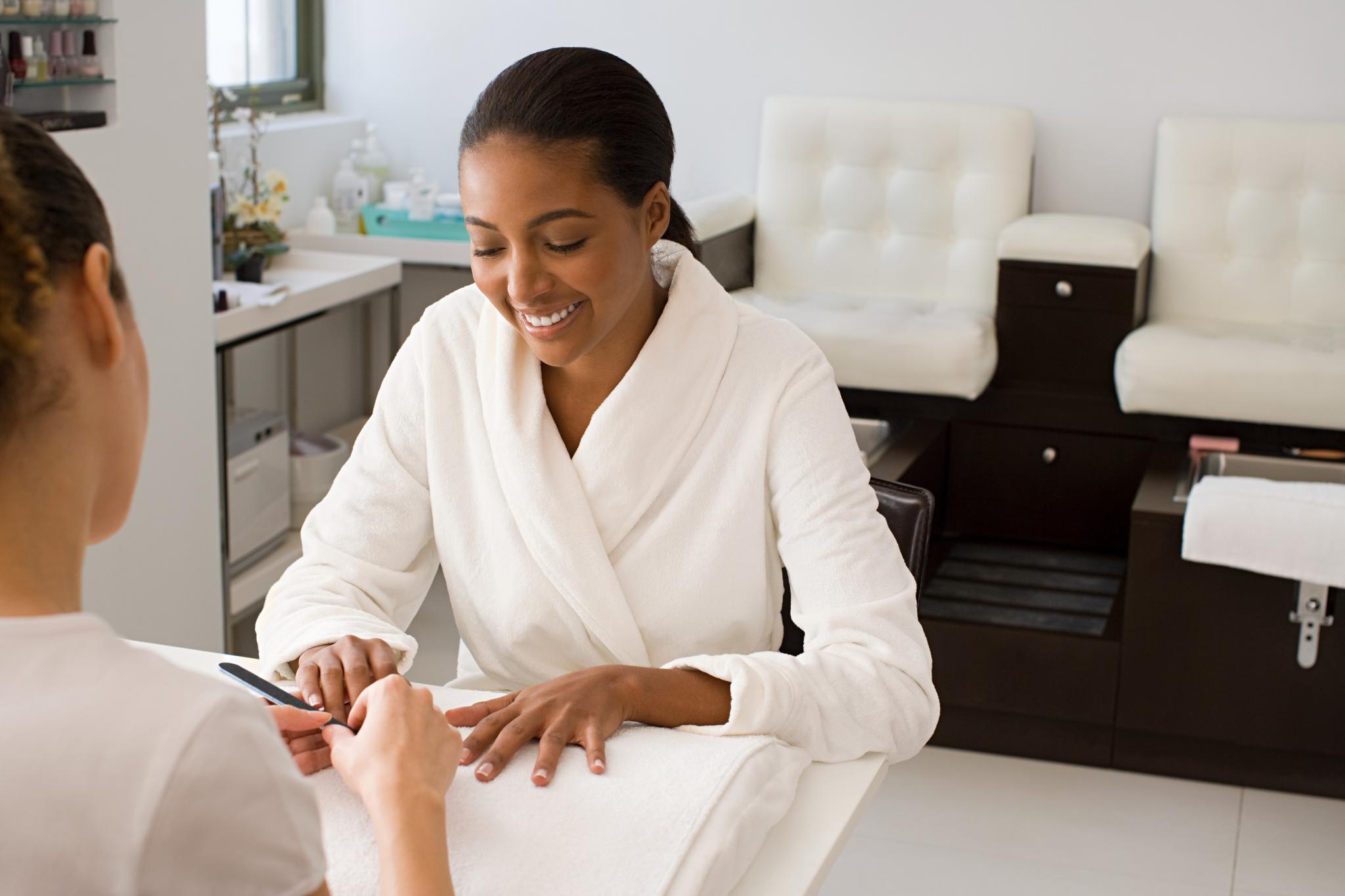
If the nail stations or sinks are messy or cluttered with several polishes, tools or other items, this can be a red flag. “A neat station is a clean station.” Each nail stylist should remove tools and towels from her work area between clients. This ensures that each client gets a new set of instruments for her service.
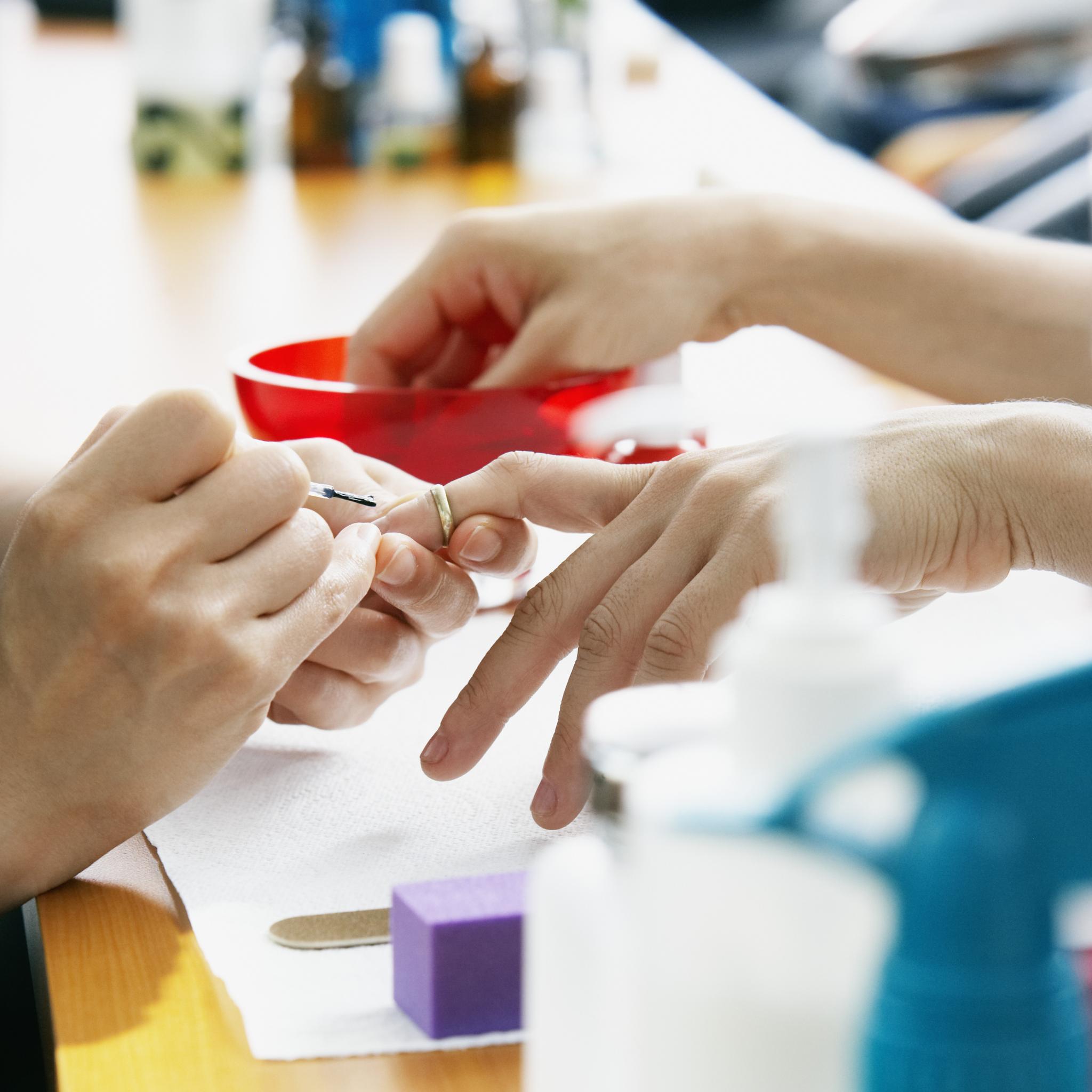
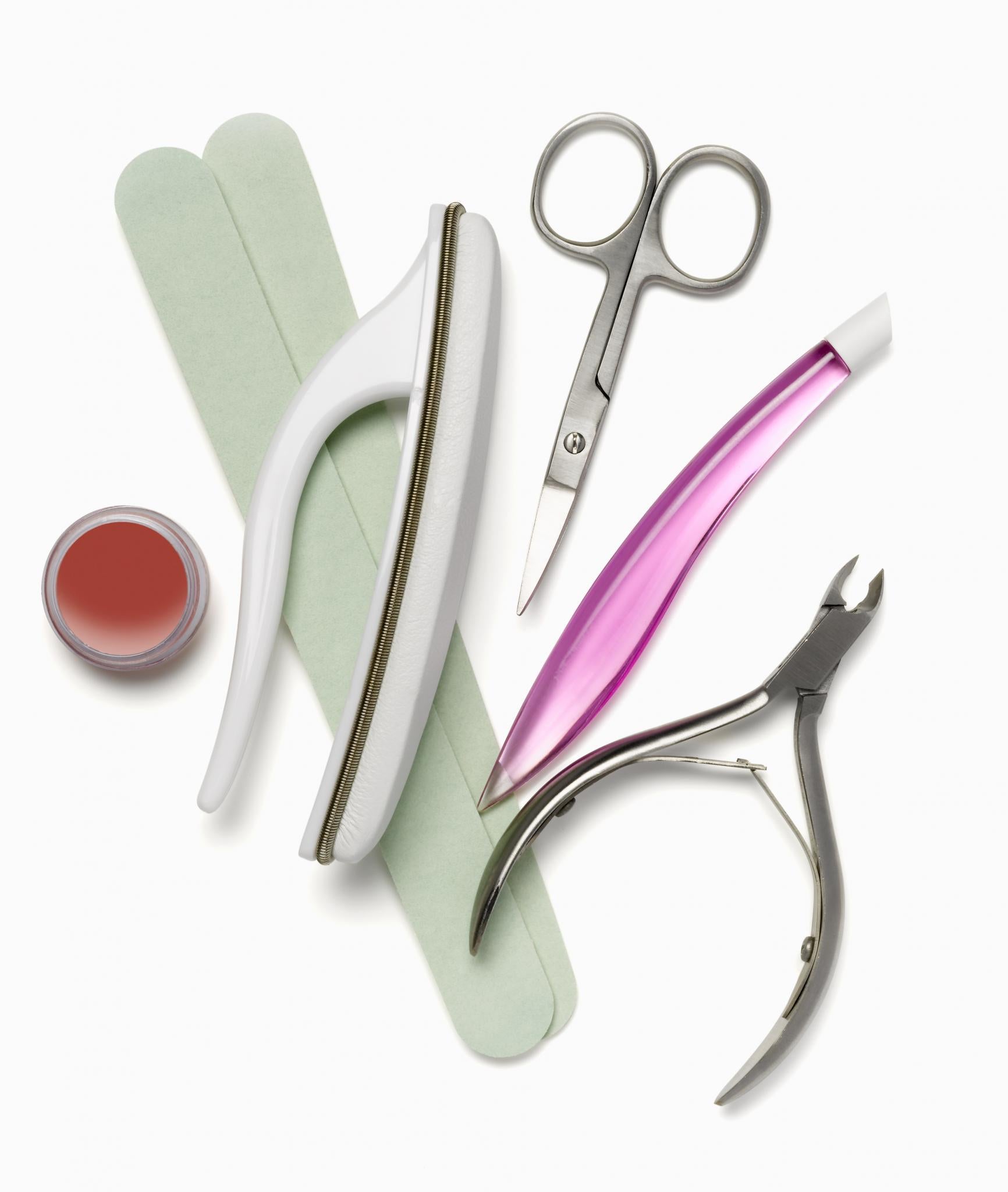
Your nail artist should pull a new set of clean tools from a sealed pouch before your manicure starts. “Instruments should be cleaned with soap and water then placed inside the barbicide for 15 minutes. Then, the instruments are placed inside the autoclave which exudes steam heat to kill bacteria. Once the instruments are properly cleaned and fully dry, we place them in a self-sealed sterilization pouch. Once it’s in the sealed container, it’s ready for another single use before the cleaning process starts over,” says Hughes.
“In some salons, the water runs into the sink from the same hose used to drain the sink. As water from the previous client drains out of the hose, bacteria can build in there. At our salon, we don’t have hoses, we have ceramic bowls where the water comes in through the faucet and out down a drain,” says Hughes. Your salon should also fully clean the sink between clients. “We fully sanitize the bowl with hospital-grade disinfectants between each customer. We also use disposable liners inside the bowl for each client.”
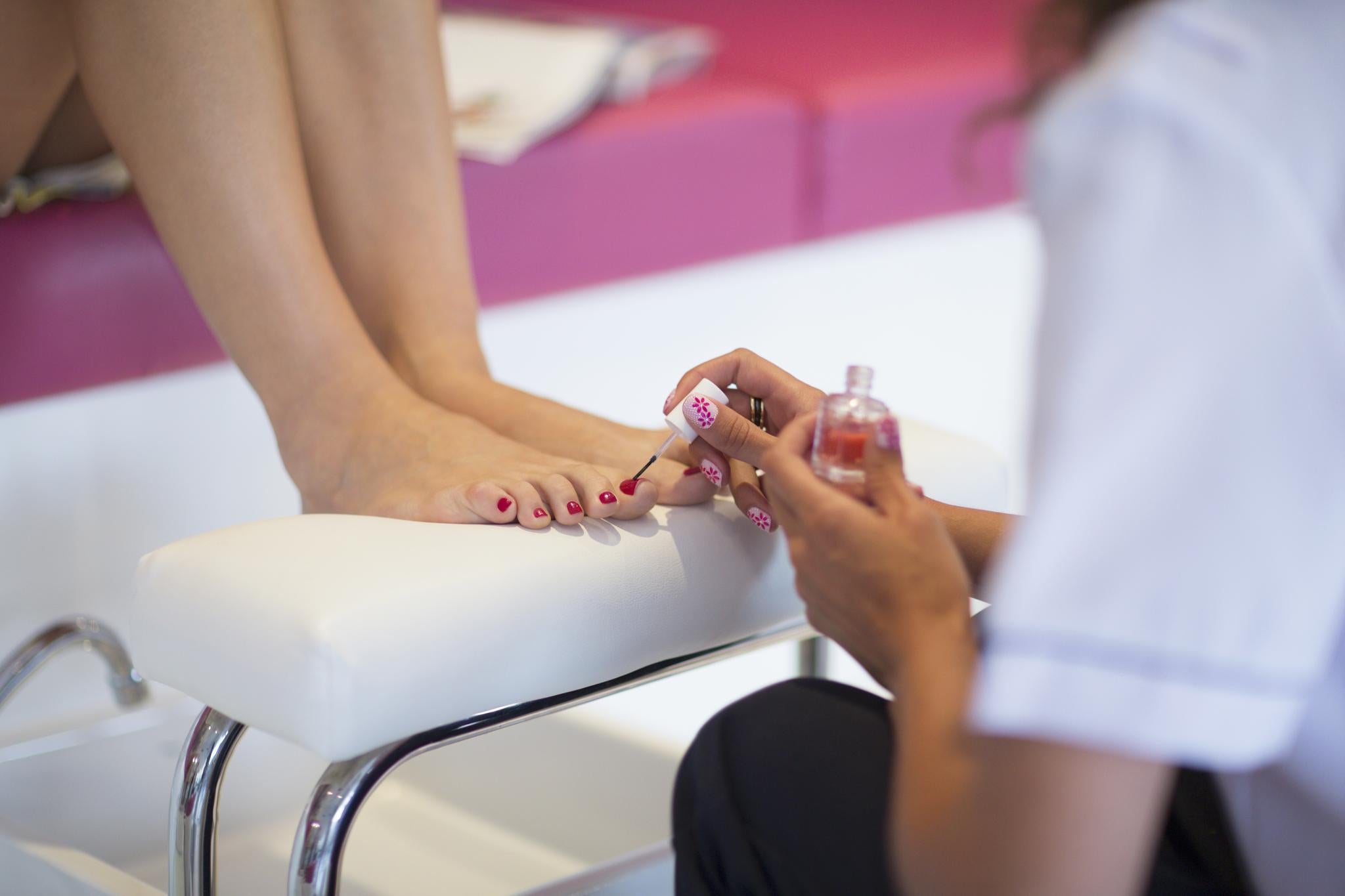
Never get your nails painted from a bottle that has settled polish or is caked onto the rim of the bottle. This could indicate that it was not closed tightly, allowing air to lessen the quality of the polish. “In general, it’s perfectly safe to use a polish from the wall because by the time a client is ready for polish, we have thoroughly examined her nails to detect any fungus and we’ve cleaned her nails to prep them for color,” says Hughes. If you still have doubts, it’s perfectly fine to bring your own from home.
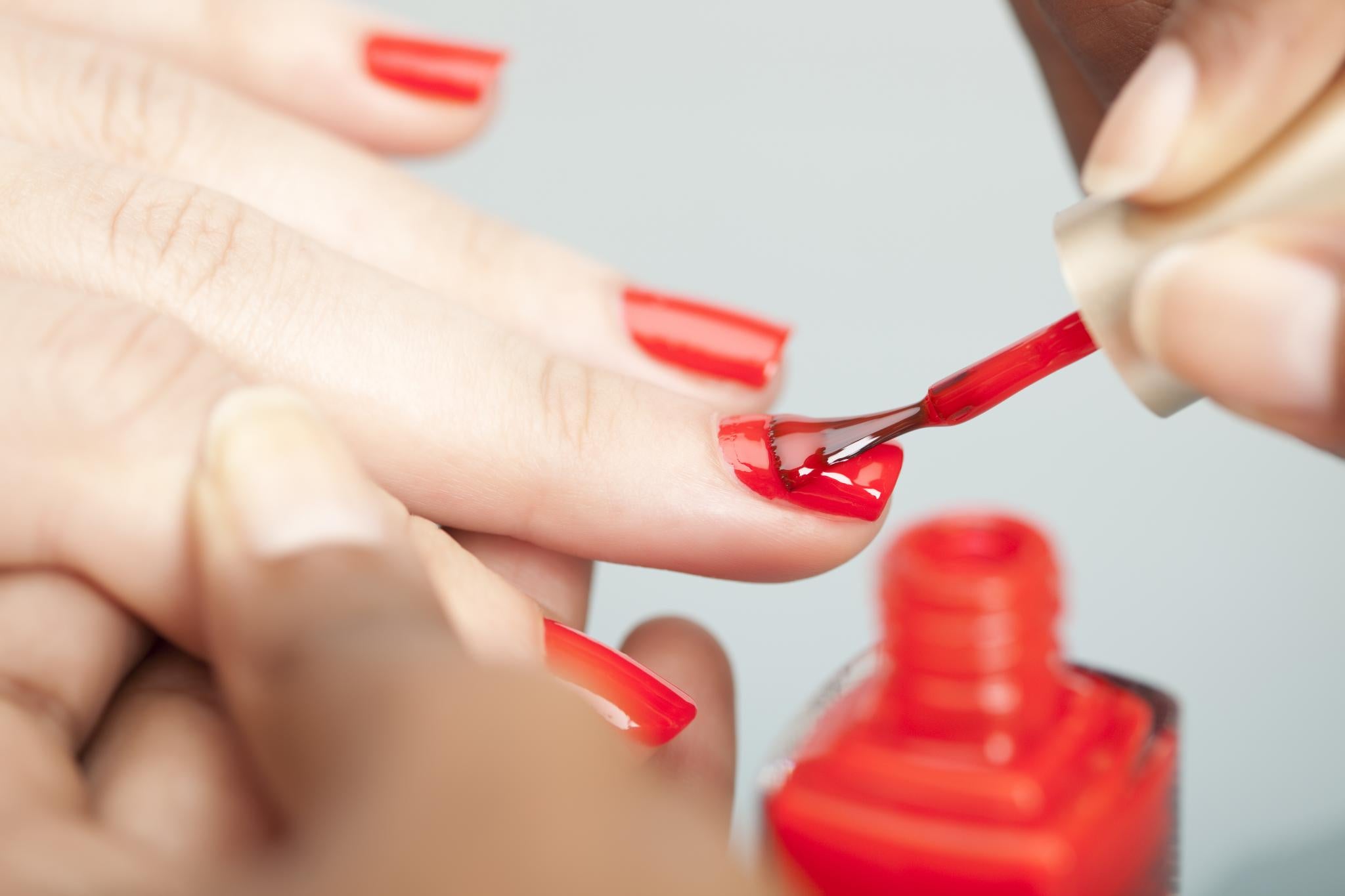
“We pull a fresh file out of the pack for each client. Afterwards, we give the nail file to the client to take with her once we are done so she knows it’s only been used on her.” If your salon does reuse nail files, take a peek to see it’s been sanitized. “There are some nail files that can be sanitized and reused, but they are very clearly labeled ‘sanitizable’ right on the file. Look out for that.”