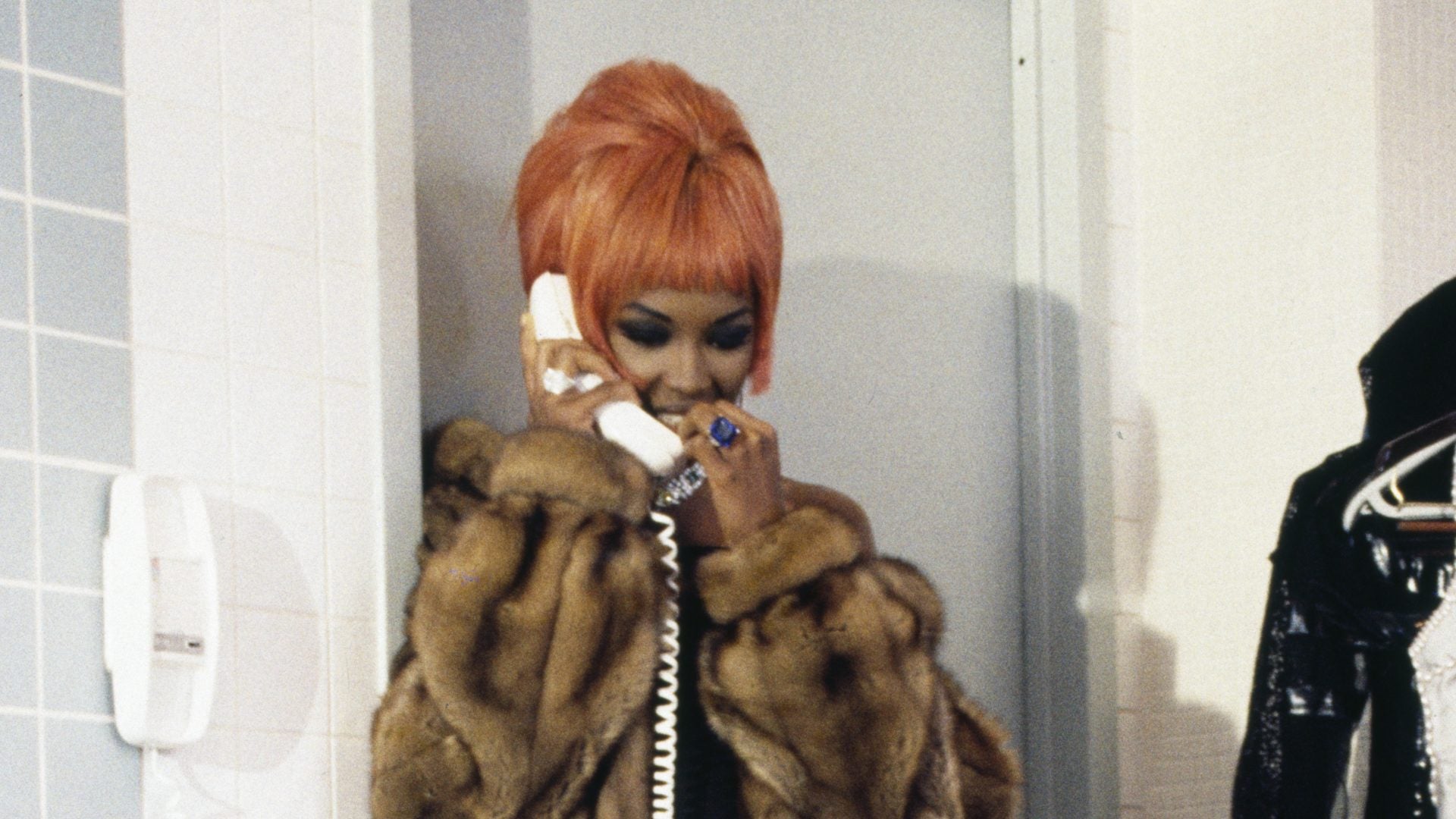

There are many myths when it comes to Black women and their hair care. But one of the biggest myths of all? That you don’t have to maintain your color after your wig is dyed. The truth is, your wig color requires routine maintenance—even after you leave the salon. Luckily, it’s not as expensive or inconvenient as you may think.
As a living finish, “color longevity really depends on the type of hair, the color process, and the maintenance,” celebrity hairstylist and wig colorist Tyanna Renée Allen tells ESSENCE. “You need to treat your wig like a luxury item.” Whether synthetic or human, jet black or lipstick red, building a routine rooted in longevity is the trick to saving you time and money in just a few simple steps.
Below, discover how to extend your color life, avoid fading, and make your favorite wig last.
How long does a wig’s color typically last?
Human hair wigs
For professionally colored raw or virgin human hair wigs, you can expect the color to last 8 to 12 weeks with proper care before it starts to noticeably fade, according to Allen.
Vivid-colored wigs
For vivid or fashion tones (like red, pink, or blue), you can expect the color to shift after 4–6 washes.
Synthetic wigs
With synthetic wigs, it’s a different story—once the color fades or oxidizes, there’s no real way to revive it outside of replacing or re-coloring with fabric-safe dyes, which I don’t recommend for longevity.
How do human hair vs. synthetic wigs impact color life?
“Synthetic hair holds pre-set color, but it doesn’t absorb dye like human hair,” says Allen. “So once it’s processed, that’s it.” Which means the more you wear your synthetic wig, the more heat, sun, and friction will cause your color to dull or look ashy. And, as mentioned above, the color will be difficult to revive.
On the other hand, human hair wigs, especially raw or virgin, “can be lifted, toned, refreshed, and treated just like natural hair,” she says. According to Yummy Extensions, “raw” hair means 100 percent natural human hair that is chemically unprocessed and usually sourced from single donors, also known as the best type of hair you can get. Similarly, “virgin” hair is 100 percent natural human hair, except it has been chemically altered or manipulated to achieve different textures, colors, and usually sourced from multiple donors.
“My clients always invest in raw Cambodian or Asian hair—it gives you luxury and longevity,” Allen says, with the price ranging from a few hundred to a couple thousand dollars. However, the long life and color-span of human hair wigs may be worth the investment. “You can extend the life with toners, glosses, and the right treatments.”
The Best Color-Treated Wig Care Routine
“Maintaining a color-treated wig is all about hydration, protection, and gentle care,” says Allen. “Keeping your routine consistent and lightweight will extend the life of the unit while maintaining that salon-fresh look.”
- Start with a sulfate-free shampoo: This type of shampoo will allow you to cleanse your wig without stripping the color.
- Follow with a moisture-rich conditioner or deep treatment: To prevent your wig from feeling dry and faded, moisturizing will restore its luster, softness, and elasticity.
- Incorporate a hydrating mist: Between wears, a mist will keep the hair from drying out.
- Aim for weekly deep conditioning sessions: if you’re wearing the unit often, making time for extra care will extend the color and wig life.
- Always use a heat protectant: The most important step, using a heat protectant (like Chi’s 44 Iron Guard Thermal Protection Spray) before styling will preserve both the integrity of the hair and the vibrancy of the color. Allen recommends using one that protects up to 450°F, is alcohol-free, and especially including ingredients like argan oil, grape seed extract, or silk proteins.
The Ingredients to Avoid in a Wig Care Routine
Knowing what to do is just as important as knowing what not to do. According to Allen, you should avoid sulfates, sprays with high alcohol content, and anything with clarifying agents unless you’re intentionally trying to remove color. Also, “avoid heavy silicones that create buildup and dull the hair over time,” she adds. “Instead, reach for lightweight serums and oils designed for color-treated or processed hair.”
How do you prevent your wig color from fading?
While braid season is during spring/summer, colored wigs work the best in the fall/winter. That’s because sun exposure and dryness fades color fast. “It’s all about protection and moisture,” Allen says, which includes air drying or using a cool setting on your blow dryer. That, and “using a color gloss or tinted conditioner every few washes to refresh vibrancy,” she says. Then, after each wear, “store your wig in a satin bag or on a mannequin head to preserve shine and prevent friction.”
Pro tip: If your wig starts to feel stiff or look dull, it’s probably product buildup—not dryness. Skip the harsh clarifiers and instead do a gentle cleanse with a sulfate-free shampoo such as Carol’s Daughter Black Vanilla Sulfate-Free Shampoo, followed by a moisture-rich conditioner such as Carol’s Daughter Black Vanilla Moisture Rich Conditioner. Less is more when it comes to product on colored wigs—heavy buildup can block shine and make the hair appear lifeless.